
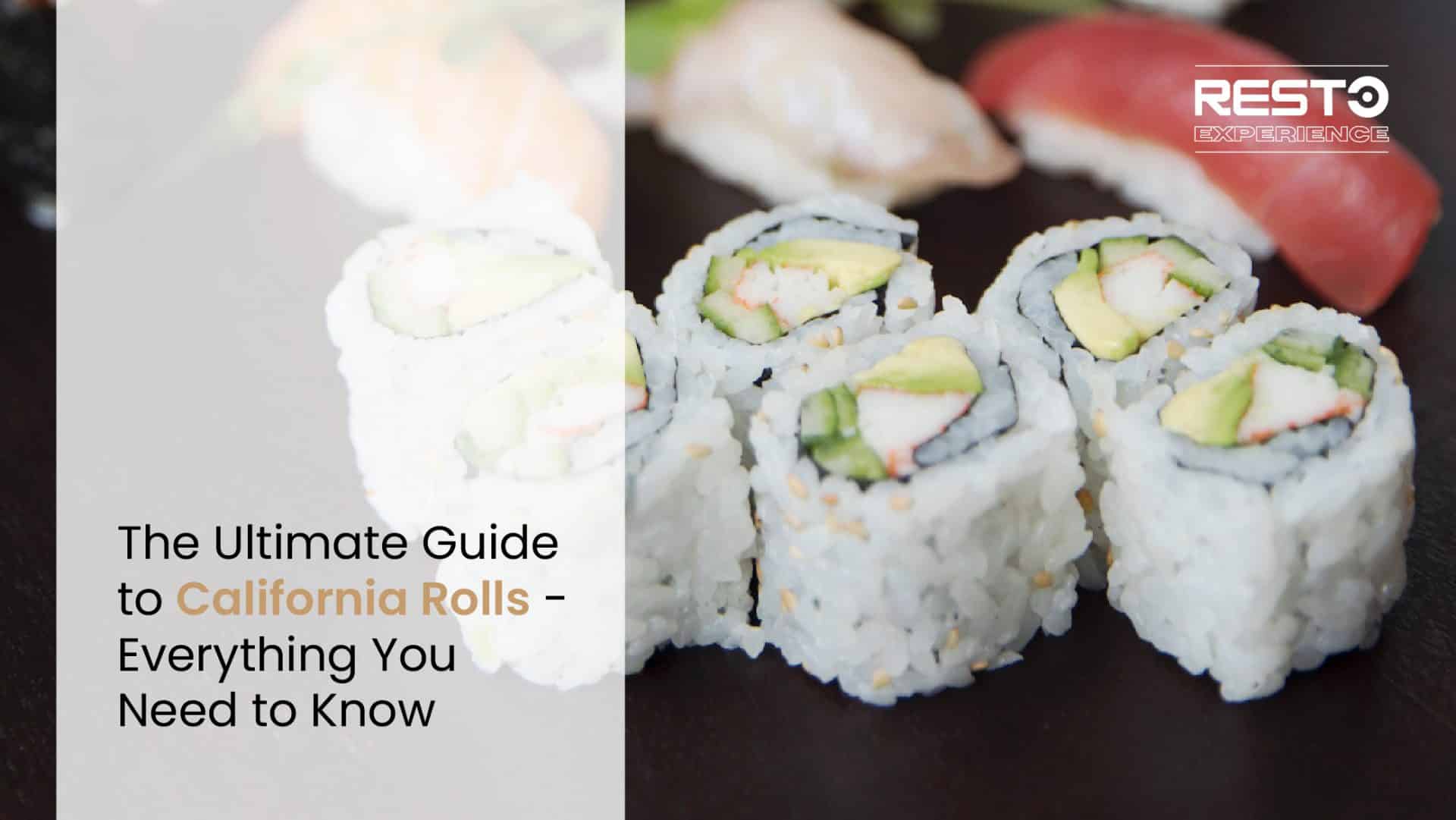
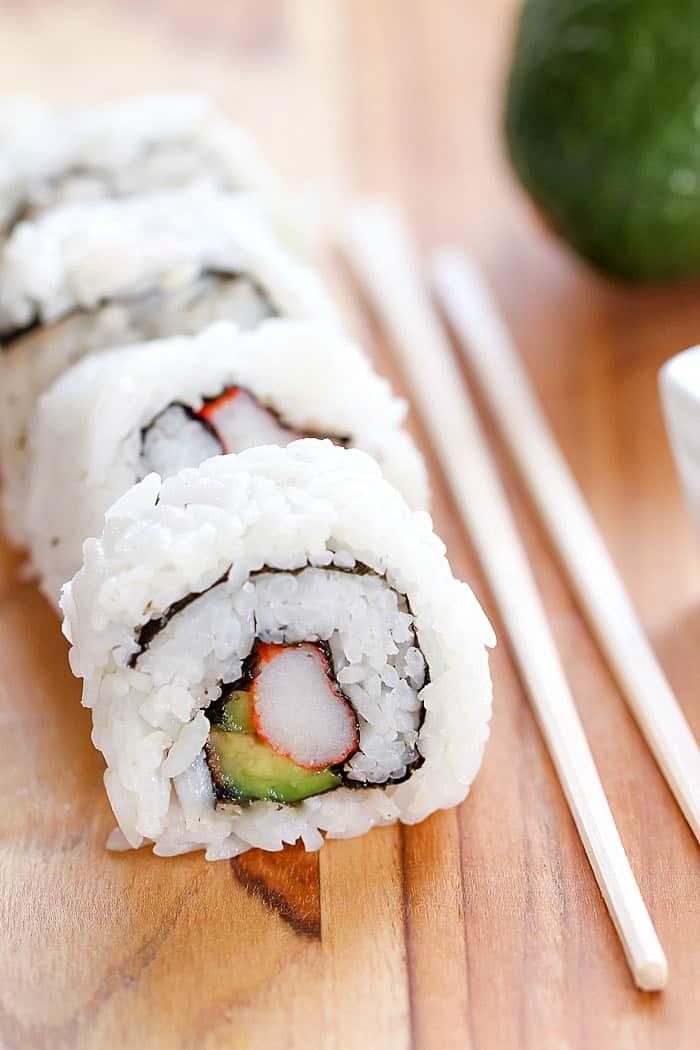
The allure of the California Roll is undeniable. A staple on menus from Los Angeles to Tokyo, this deconstructed maki roll, featuring imitation crab, avocado, and cucumber wrapped in rice and nori, often with a sprinkle of sesame seeds, has become a gateway to the world of Japanese cuisine for many. Its mild flavors and familiar ingredients make it a popular choice, but when we consider the “healthy” aspect, a closer examination is warranted. This deep dive into the California Roll will explore its nutritional profile, the implications of its common ingredients, and how to enjoy it as part of a balanced and healthy diet, particularly within the context of culinary tourism.
Deconstructing the California Roll: Ingredients and Their Nutritional Impact
Understanding the healthfulness of any dish begins with dissecting its components. The California Roll is comprised of several key ingredients, each contributing to its overall nutritional value, or lack thereof.
The Rice Foundation: A Carbohydrate Consideration
The most voluminous ingredient in a typical California Roll is sushi rice, usually a short-grain white rice seasoned with vinegar, sugar, and salt. White rice, while providing energy, is a refined carbohydrate. This means that during processing, the bran and germ are removed, stripping away much of the fiber, vitamins, and minerals. Consequently, white rice has a higher glycemic index, which can lead to quicker spikes in blood sugar levels compared to whole grains.
- Glycemic Load: A significant portion of a California Roll is composed of rice, contributing to its overall glycemic load. For individuals managing diabetes or aiming for stable energy levels, this is a crucial consideration.
- Portion Control: The sheer volume of rice in a California Roll can significantly increase the caloric and carbohydrate intake of a meal. Understanding the size of your rolls and the number you consume is vital for calorie management.
- Potential for Additives: While not always the case, some sushi rice preparations can include a considerable amount of sugar and salt in the seasoning, further impacting its health profile.
The “Crab” Controversy: Imitation vs. Real
One of the defining ingredients of the California Roll is the “crab” meat. In the vast majority of cases, this is not real crab but rather imitation crab, also known as surimi. Surimi is typically made from a processed fish paste, most commonly pollock, which is then mixed with starches, egg whites, flavorings, and preservatives to mimic the texture and taste of crab.
- Nutritional Value of Surimi: While surimi contains protein from the fish, it is often highly processed and can be a source of sodium, added sugars, and artificial flavorings. The nutritional benefits of real crab, such as lean protein and omega-3 fatty acids, are significantly diminished in imitation crab.
- Sodium Content: The processing of surimi often involves the addition of salt for preservation and flavor enhancement, making it a notable contributor to the sodium content of the California Roll. Excessive sodium intake is linked to high blood pressure and other cardiovascular issues.
- Starch and Sugar Additives: The starches and sugars used in surimi production add empty calories and can contribute to the overall carbohydrate load of the roll, similar to the rice.
Avocado: A Healthy Fat Savior?
The creamy texture and subtle sweetness of avocado are a beloved component of the California Roll. Fortunately, avocado is generally considered a nutritional powerhouse.
- Monounsaturated Fats: Avocados are rich in monounsaturated fats, which are heart-healthy fats that can help lower cholesterol levels and reduce the risk of heart disease.
- Fiber and Vitamins: They also provide dietary fiber, potassium, vitamin K, vitamin C, and vitamin E, contributing to digestive health and overall well-being.
- Calorie Density: While nutritious, avocados are also calorie-dense. The amount of avocado in a roll, combined with the rice and other ingredients, can increase the overall calorie count. Portion awareness is key.
Cucumber: The Refreshing Hydrator
The crispness of cucumber adds a refreshing contrast to the softer textures within the California Roll. Cucumbers are primarily composed of water, making them a low-calorie and hydrating ingredient.
- Hydration: Their high water content contributes to daily fluid intake.
- Minimal Calories: Cucumbers add very few calories, making them a virtually guilt-free addition.
- Vitamins and Minerals: While not a significant source, cucumbers do offer small amounts of vitamin K and other essential nutrients.
Nori: The Seaweed Wrapper
Nori, the dried seaweed used to wrap sushi, offers a surprising array of health benefits.
- Iodine: Seaweed is an excellent source of iodine, a mineral crucial for thyroid function.
- Vitamins and Minerals: Nori also contains vitamins A, C, and B vitamins, as well as minerals like iron and calcium.
- Antioxidants: It’s packed with antioxidants that can help protect the body from cell damage.
- Fiber: Nori contributes a small amount of dietary fiber.
Sesame Seeds: A Nutty Garnish
Often sprinkled on the outside of the California Roll, sesame seeds add a delightful nutty flavor and texture. They also offer nutritional benefits.
- Healthy Fats: Sesame seeds contain healthy fats, including polyunsaturated and monounsaturated fats.
- Minerals: They are a good source of minerals like calcium, magnesium, and phosphorus.
- Fiber: A small contribution of dietary fiber is also present.
Is the California Roll a “Healthy” Choice? A Nuanced Perspective
When assessing the healthfulness of the California Roll, it’s crucial to move beyond a simple yes or no answer. The “healthiness” is highly dependent on the context of your overall diet, individual nutritional needs, and how the roll is prepared.
The Case Against “Healthy”
From a traditional nutritional standpoint, the California Roll often falls short of being considered a superfood or a diet staple due to several factors:
- High Carbohydrate Content: The substantial amount of white sushi rice makes it a high-carbohydrate food, which can be problematic for those managing blood sugar.
- Processed Ingredients: The widespread use of imitation crab (surimi) introduces processed elements, sodium, and added sugars that detract from its health profile.
- Potential for Added Sugars and Sodium: The seasoning for the rice and the composition of surimi can lead to significant intake of sugars and sodium.
- Calorie Density: When consumed in multiple rolls, the combination of rice, avocado, and sometimes mayonnaise-based sauces can lead to a high calorie count.
The Case For “Moderately Healthy” or “Better Than”
However, the California Roll can be part of a healthy eating pattern, especially when compared to less nutritious fast-food options or when certain modifications are made.
- Nutrient-Rich Components: The inclusion of avocado and nori provides beneficial fats, vitamins, and minerals that are lacking in many other convenience foods.
- A Gateway to Healthier Options: For individuals new to sushi, the California Roll can serve as a stepping stone towards exploring more traditionally prepared sushi that features raw fish rich in omega-3s and fewer refined ingredients.
- Hydration and Fiber: The cucumber and nori contribute to hydration and fiber intake.
Making Healthier Choices When Enjoying California Rolls
The good news for culinary travelers and sushi enthusiasts alike is that you can significantly improve the health profile of your California Roll experience with mindful choices.
Navigating Restaurants and Menus
- Ask About Ingredients: Don’t hesitate to ask your server about the ingredients used in the California Roll. Inquire if real crab can be substituted for imitation crab, or if the rice seasoning is particularly high in sugar.
- Portion Control: Be mindful of how many rolls you order. A single California Roll often contains 6-8 pieces. Consider sharing rolls or opting for fewer pieces.
- Sauce Savvy: Many California Rolls are served with mayonnaise-based sauces or spicy mayo. These add significant calories and fat. Request sauces on the side or opt for lighter alternatives like a dash of soy sauce.
- Pairing with Other Dishes: Complement your California Roll with dishes that offer lean protein and vegetables. Opt for a side of edamame, a clear broth soup, or a seaweed salad to round out your meal.
Considering Home Preparation
Preparing California Rolls at home offers the greatest control over ingredients.
- Whole Grain Rice: Substitute white sushi rice with short-grain brown rice or even quinoa for increased fiber and nutrients.
- Real Crab or Alternatives: Use flaked real crab meat or, for a plant-based option, finely chopped firm tofu seasoned with seaweed flakes and a touch of seafood seasoning.
- Reduced Seasoning: Control the amount of sugar and salt used to season the rice.
- Fresh Vegetables: Load up on extra cucumber, and consider adding other nutrient-rich vegetables like julienned carrots or bell peppers.
The California Roll in the Global Culinary Landscape
The California Roll is a fascinating example of culinary fusion. Born in the United States, likely in the mid-20th century, it represents an adaptation of traditional Japanese sushi to Western palates. This innovation has played a pivotal role in popularizing sushi globally, opening doors for people to explore the diverse and often healthier offerings of Japanese cuisine found in places like Kyoto and beyond.
Cultural Adaptations and Culinary Evolution
The creation of the California Roll is often attributed to chefs in Los Angeles seeking to create a sushi roll that addressed common Western hesitations, such as raw fish and the use of seaweed on the outside. By flipping the nori inside out and using familiar ingredients like avocado, they created an approachable and palatable option. This spirit of adaptation is a hallmark of successful culinary tourism, where local traditions are embraced and also creatively reinterpreted.

Global Variations and Healthier Interpretations
As the California Roll has traveled the world, from New York to Sydney, it has continued to evolve. While many restaurants maintain the classic recipe, some offer healthier variations or incorporate local ingredients. Travelers exploring cities like Singapore or even smaller towns in Italy might encounter California Rolls with subtle twists. The core question of “Is it healthy?” remains relevant, but its place in the culinary landscape as a beloved, albeit sometimes indulgent, introduction to sushi is secure.
Ultimately, the California Roll is a culinary experience. Its health impact is not an absolute but a variable, influenced by preparation, portion size, and individual dietary choices. By understanding its components and making informed decisions, you can enjoy this iconic roll as part of a vibrant and balanced exploration of global flavors.
LifeOutOfTheBox is a participant in the Amazon Services LLC Associates Program, an affiliate advertising program designed to provide a means for sites to earn advertising fees by advertising and linking to Amazon.com. Amazon, the Amazon logo, AmazonSupply, and the AmazonSupply logo are trademarks of Amazon.com, Inc. or its affiliates. As an Amazon Associate we earn affiliate commissions from qualifying purchases.