
The term “Panhandle” conjures images of a long, narrow strip of land, and when applied to Florida, it accurately describes its northwestern extremity. This distinct region, stretching westward from the rest of the state, offers a unique blend of natural beauty, rich history, and Southern charm, setting it apart from its more widely publicized counterparts. Understanding the geographical boundaries and characteristics of the Florida Panhandle is key to appreciating its diverse offerings, from its pristine beaches to its historic towns.
Defining the Panhandle’s Geography
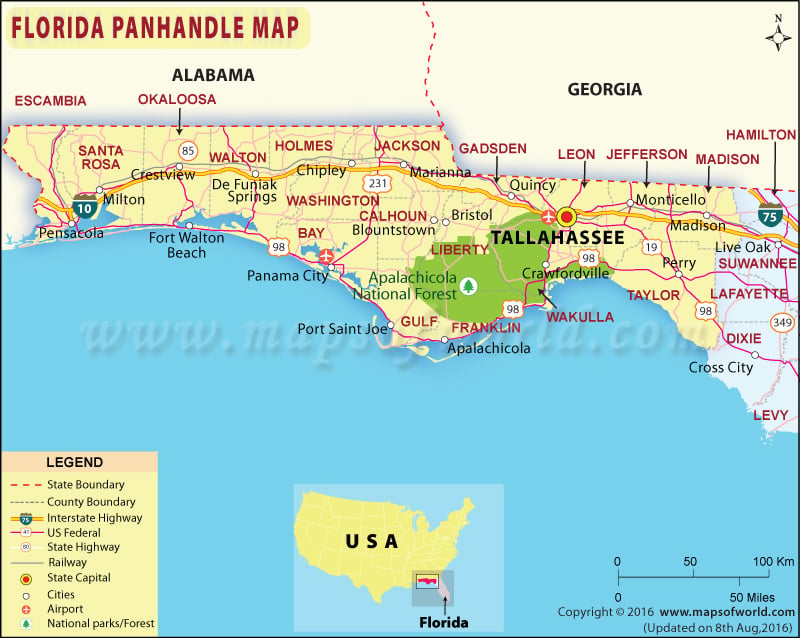
The Florida Panhandle is a geographical and cultural designation rather than a strictly defined political or administrative zone. Generally, it encompasses the portion of Florida that lies west of the Suwannee River and extends westward to the Alabama and Georgia borders. This geographical positioning places it firmly within the Deep South, influencing its culture, economy, and even its accent.

Geographical Boundaries
- Eastern Limit: The Suwannee River is often cited as the eastern boundary, separating the Panhandle from North Florida. This natural waterway carves a significant path through the state and marks a transition in landscape and culture.
- Northern Boundary: The state lines shared with Alabama and Georgia form the northern edge. This shared border facilitates a flow of culture and commerce, with many towns exhibiting characteristics of their bordering states.
- Western Limit: The westernmost point is the border with Alabama, specifically near the city of Pensacola.
- Southern Limit: The Gulf of Mexico forms the southern boundary, providing the region with its renowned coastline.
This elongated shape, resembling the handle of a frying pan, gives the region its distinctive name and contributes to its varied environments.
Distinctive Landscape Features
The Florida Panhandle boasts a landscape that is markedly different from the rest of Florida. While the southern parts of the state are characterized by flat wetlands and mangrove forests, the Panhandle features rolling hills, extensive pine forests, and dramatic clay bluffs overlooking the Gulf.
- Beaches: The Panhandle is famous for its sugar-white sand beaches, particularly along the Emerald Coast. The sand, composed of finely ground quartz, remains cool even on the hottest days, and the waters of the Gulf of Mexico are a breathtaking turquoise.
- Forests: Inland areas are dominated by vast expanses of longleaf pine forests, a habitat crucial for various wildlife species. These forests are not only scenic but also historically significant, having been a major source of timber.
- Rivers and Wetlands: Numerous rivers wind through the Panhandle, including the Apalachicola River, contributing to the region’s biodiversity with extensive wetland systems.
Key Cities and Regions within the Panhandle
The Florida Panhandle is home to several distinct cities and sub-regions, each with its own unique character and appeal. From bustling urban centers to quiet coastal towns, the Panhandle offers a diverse range of experiences.
The Emerald Coast
This stretch of coastline, running roughly from Pensacola eastward towards Panama City, is arguably the most famous part of the Panhandle. It’s renowned for its stunning beaches with incredibly clear, emerald-green waters and soft, white sand.
- Pensacola: A historic city with a strong naval presence, Pensacola boasts a rich past, evident in its architecture and museums. It’s also home to beautiful beaches like those found at Pensacola Beach.
- Destin: Known for its vibrant fishing community and family-friendly atmosphere, Destin offers world-class sport fishing, numerous recreational activities, and stunning coastal scenery.
- Sandestin: This master-planned resort community is a popular destination for vacationers, offering a wide array of amenities, including golf courses, shopping, and dining.
- 30A (Scenic Highway 30A): This picturesque highway winds through a collection of charming beach towns, including Seaside, Watercolor, and Rosemary Beach. Each town has its own distinct architectural style and unique atmosphere, attracting visitors seeking a more laid-back, boutique experience.
Tallahassee and Surrounding Areas
The state capital, Tallahassee, serves as the cultural and political heart of the Panhandle. Situated inland, it offers a different experience from the coastal towns, with a focus on history, education, and a more Southern, collegiate feel.
- Tallahassee: As the capital city, Tallahassee is home to Florida State University and Florida A&M University, infusing the city with a youthful energy. It boasts numerous parks, historic sites like the Old Capitol Building, and a thriving arts scene.
- Wakulla Springs State Park: South of Tallahassee, this park protects one of the world’s largest and deepest freshwater springs, offering boat tours and a glimpse into the region’s natural wonders.

The Big Bend Region
This less developed area of the Panhandle lies between the eastern edge of the Emerald Coast and the more developed areas around Tallahassee. It’s characterized by its wild, unspoiled coastline, extensive salt marshes, and a slower pace of life.
- Apalachicola: This historic fishing town retains much of its old-world charm, with well-preserved Victorian architecture and a strong connection to its maritime heritage. It’s a gateway to the unique ecosystems of the area.
- St. Marks National Wildlife Refuge: This vital refuge protects a significant portion of the Gulf Coast’s fragile ecosystems, offering opportunities for birdwatching, fishing, and wildlife viewing.
- Carrabelle: A small, charming town known for its “World’s Smallest Police Station,” Carrabelle offers a peaceful escape and access to some of the Panhandle’s most pristine beaches.
Historical and Cultural Significance
The Florida Panhandle has a rich and complex history, shaped by Native American tribes, Spanish and British colonial rule, and its strategic importance as a gateway to the Gulf of Mexico. This history is evident in its towns, architecture, and cultural traditions.
Colonial Roots and Military Influence
- Pensacola’s Founding: Pensacola was one of the earliest European settlements in North America, established by the Spanish in 1559. It has since been under Spanish, British, and American control, each leaving its mark on the city’s heritage.
- Naval Aviation: The region, particularly around Pensacola Bay, has been a major center for naval aviation for decades, with the iconic National Naval Aviation Museum serving as a testament to this legacy.
Southern Charm and Unique Traditions
The Panhandle’s proximity to Alabama and Georgia has fostered a distinct Southern culture. This includes a slower pace of life, a strong sense of community, and unique culinary traditions.
- Cuisine: Influenced by its coastal location and Southern heritage, the Panhandle offers delicious seafood, including fresh oysters and shrimp, alongside classic Southern comfort foods.
- Festivals and Events: Throughout the year, the Panhandle hosts various festivals celebrating its local culture, from seafood festivals in coastal towns to historical reenactments and art shows in its larger cities.
Experiencing the Panhandle
For travelers seeking a destination that offers both natural beauty and a dose of history, the Florida Panhandle presents an alluring option. Its diverse landscapes and rich cultural tapestry ensure a memorable experience, distinct from any other part of Florida.
Natural Attractions and Outdoor Activities
The abundance of natural beauty provides ample opportunities for outdoor adventures.
- Beach Activities: The sugar-white sands and clear waters of the Emerald Coast are perfect for swimming, sunbathing, kayaking, paddleboarding, and jet skiing.
- Water Sports: Beyond the immediate coast, opportunities abound for deep-sea fishing, sailing, and exploring the numerous bays and inlets.
- State Parks: The region is dotted with numerous state parks offering hiking trails, opportunities for wildlife viewing, and access to pristine natural environments. Wakulla Springs State Park and Topsail Hill Preserve State Park are prime examples.
Cultural and Historical Exploration
Beyond its natural splendor, the Panhandle offers a wealth of historical and cultural sites.
- Historic Districts: Exploring the historic districts of towns like Pensacola and Apalachicola allows visitors to step back in time and appreciate the architecture and stories of the past.
- Museums and Galleries: From art museums in Tallahassee to the National Naval Aviation Museum in Pensacola, there are numerous institutions dedicated to preserving and showcasing the region’s heritage.
- Local Cuisine: Sampling the local cuisine is an essential part of the Panhandle experience. Whether it’s fresh seafood in a beachfront restaurant or a classic Southern meal in a cozy café, the flavors tell a story of the region.
The Florida Panhandle is more than just a geographical designation; it’s a region with a distinct identity, offering a compelling blend of natural splendor and deep-rooted history that awaits discovery.
LifeOutOfTheBox is a participant in the Amazon Services LLC Associates Program, an affiliate advertising program designed to provide a means for sites to earn advertising fees by advertising and linking to Amazon.com. Amazon, the Amazon logo, AmazonSupply, and the AmazonSupply logo are trademarks of Amazon.com, Inc. or its affiliates. As an Amazon Associate we earn affiliate commissions from qualifying purchases.