
The question of corporal punishment’s legality in California is one that elicits strong opinions and varied interpretations. While the term itself might conjure images of outdated disciplinary methods, its presence, or absence, within the legal framework of a state as progressive as California is a subject worth exploring, particularly for those considering relocation, family travel, or understanding the nuances of local laws affecting children’s welfare. This article delves into the current legal standing of corporal punishment in California, distinguishing between its application in homes and educational institutions, and highlighting the protective measures in place for minors.

Understanding Corporal Punishment
Corporal punishment, broadly defined, refers to the use of physical force with the intention of causing a child to experience pain, but not injury, for the purpose of correction or control of the child’s behavior. This can range from spanking and slapping to more severe forms of physical discipline. While historically accepted in many cultures and societies as a legitimate parenting tool, its ethical and psychological implications have led to significant debate and, in many jurisdictions, outright prohibition.
The core of the debate often lies in balancing parental rights to raise their children as they see fit with the state’s responsibility to protect children from harm. Critics argue that corporal punishment can lead to increased aggression, psychological distress, and a breakdown of trust between parent and child. Proponents, on the other hand, sometimes contend that it is an effective and necessary method for establishing boundaries and teaching discipline, particularly when other methods have failed.
Legal Interpretations and Parental Rights
In the United States, the legal landscape surrounding corporal punishment has evolved significantly over time. While there is no federal law specifically banning corporal punishment in the home, individual states have established their own regulations. California, like many other states, operates under a legal framework that, while not explicitly outlawing all forms of parental physical discipline, places considerable emphasis on child protection.
The concept of “reasonable force” is often cited in legal discussions related to parental discipline. This generally implies that parents have the right to use force to discipline their children, but this force must be moderate and proportionate to the offense. The line between permissible parental discipline and child abuse can be a fine one, and it is ultimately up to the courts to determine if a parent’s actions have crossed this boundary. Factors such as the age of the child, the severity of the physical discipline, the intent behind it, and any resulting injury are all considered in such cases. Therefore, while a light spanking might not be deemed illegal, more severe physical chastisement could certainly lead to child endangerment charges.
Corporal Punishment in Educational Settings
When considering corporal punishment, it is crucial to differentiate between its application in the private sphere of the home and its use within public or private schools. In California, the legal stance on corporal punishment in educational institutions is far more definitive and restrictive than in the home.
Prohibition in Public Schools
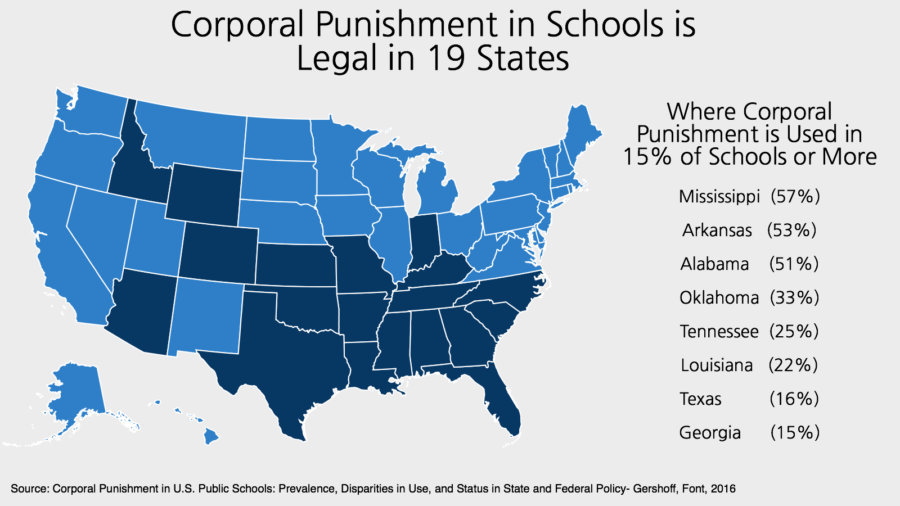
California law explicitly prohibits the use of corporal punishment in its public schools. This prohibition is rooted in the understanding that schools are environments where children should feel safe and protected, and where disciplinary measures should be constructive rather than punitive in a physically harmful way. The passage of legislation and subsequent regulations have made it clear that striking students is not an acceptable form of discipline for educators. This aligns with a national trend towards creating more supportive and trauma-informed educational environments, where positive behavioral interventions and supports are prioritized over physical discipline.
Private Schools and Religious Institutions

The situation for private schools and, in particular, religious institutions can sometimes be more complex. While public policy generally frowns upon corporal punishment in all educational settings, some private schools, particularly those with a strong religious affiliation that may interpret certain scriptural passages as sanctioning physical discipline, might seek to implement it. However, even in these cases, California law still imposes significant limitations. The state’s child abuse and neglect reporting laws and the overarching mandate to protect children mean that any physical discipline that constitutes abuse, or that leads to injury, will be investigated and prosecuted. Furthermore, many private schools voluntarily adopt policies that prohibit corporal punishment, aligning with broader societal shifts and best practices in child development and education. Therefore, while a loophole might seem to exist for some institutions, the practical application of the law, combined with evolving ethical standards, makes overt corporal punishment in private schools highly problematic and subject to scrutiny.
Child Protection Laws in California
The legal framework in California is robust when it comes to protecting children from harm, and this extends to instances where physical discipline might be perceived as crossing the line into abuse. The state’s child welfare system is designed to intervene when children are at risk of, or are experiencing, abuse or neglect.
Reporting Mechanisms and Interventions
California has established clear mechanisms for reporting suspected child abuse and neglect. Concerned individuals, including teachers, doctors, and even members of the general public, are mandated or encouraged to report any suspicions to Child Protective Services (CPS) or local law enforcement. These reports trigger investigations, which can range from a welfare check to a more in-depth assessment of the child’s safety and well-being. If evidence suggests that a child has been subjected to excessive physical force that constitutes abuse, legal action can be taken against the parents or guardians. This can include criminal charges, removal of the child from the home, and mandatory participation in parenting classes or counseling.
The Child Abuse and Neglect Reporting Act (CANRA)
The Child Abuse and Neglect Reporting Act (CANRA) is a cornerstone of California’s child protection efforts. This act outlines the definitions of child abuse and neglect, identifies mandated reporters, and details the procedures for reporting and investigating suspected cases. While CANRA does not specifically list “spanking” as abuse, it does define physical abuse to include any “nonaccidental physical injury.” This means that if the physical discipline results in bruising, welts, or any other injury, it can be considered abuse under the law. The intent of the parent or guardian is a key factor, but the outcome—an injured child—is also critically important.
Societal Perspectives and Alternatives
Beyond the strict legal definitions, societal perspectives on corporal punishment in California have shifted significantly. There is a growing consensus among child development experts, psychologists, and many educators that positive discipline strategies are more effective and healthier for children’s long-term development.
Emphasis on Positive Discipline
California is home to many organizations and resources that advocate for and teach positive discipline techniques. These approaches focus on guiding children’s behavior through understanding, empathy, and constructive communication rather than through fear or pain. Methods such as setting clear expectations, using time-outs strategically, employing logical consequences, and teaching problem-solving skills are widely promoted. These strategies aim to foster self-discipline, resilience, and a strong parent-child relationship, which are considered more beneficial for a child’s emotional and social development than the use of physical punishment.
Legal Trends and Future Outlook
While corporal punishment in the home is not universally banned in California, the legal and societal trends are clearly moving towards its diminishment. As research continues to highlight the potential negative impacts of physical discipline, and as child protection laws become more stringent, the space for acceptable corporal punishment is narrowing. Many advocates are pushing for further legislative action to explicitly outlaw corporal punishment in all contexts, aligning California with the growing number of countries worldwide that have fully prohibited it. For families considering a move to California or navigating its legal system, understanding these evolving perspectives and protections is essential for ensuring the well-being of children.
LifeOutOfTheBox is a participant in the Amazon Services LLC Associates Program, an affiliate advertising program designed to provide a means for sites to earn advertising fees by advertising and linking to Amazon.com. Amazon, the Amazon logo, AmazonSupply, and the AmazonSupply logo are trademarks of Amazon.com, Inc. or its affiliates. As an Amazon Associate we earn affiliate commissions from qualifying purchases.