
Navigating the Golden State often involves more than just scenic drives and sun-drenched beaches; it requires a keen understanding of local regulations, especially those pertaining to your vehicle. For many visitors and even some residents, a persistent question arises: “Is a front license plate required in California?” This seemingly minor detail can have significant implications for your travel experience, potentially leading to unexpected encounters with law enforcement and unnecessary delays. This article delves into the specifics of California’s front license plate law, providing a comprehensive guide for anyone planning to drive within its borders.

Understanding California’s Vehicle Code Regarding License Plates
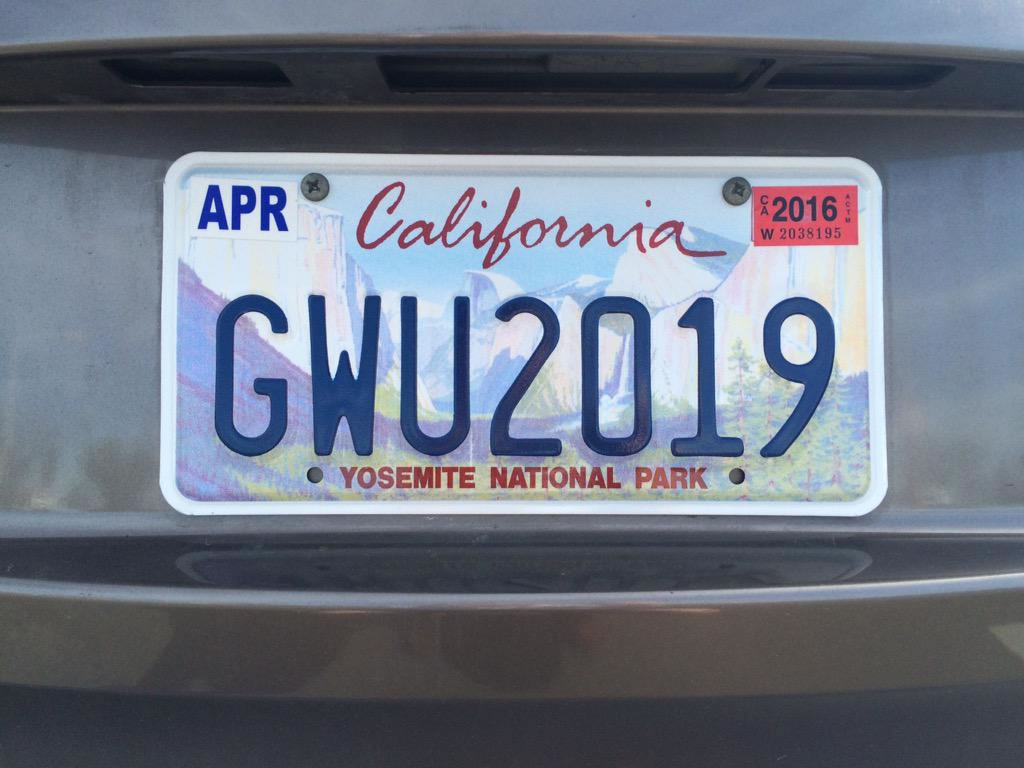
California Vehicle Code Section 5201 is the primary legislation governing the display of license plates. This section clearly mandates that every vehicle registered in California must be equipped with two license plates, one at the front and one at the rear, each securely fastened and maintained in a clear, legible condition. The purpose of this dual-plate system is to enhance visibility for law enforcement and traffic safety agencies. Having plates visible from both the front and rear allows for easier identification of vehicles, whether during traffic stops, investigations, or even in parking lots.
Historical Context and Rationale
The requirement for front license plates in California is not a recent development. It has been a part of the state’s vehicle code for decades. The rationale behind this law, and similar laws in other states, stems from a desire to improve public safety and facilitate law enforcement efforts. In a state as populous and diverse as California, where millions of vehicles traverse its roadways daily, readily identifiable license plates are crucial. Law enforcement officers often rely on license plates for everything from identifying suspects in hit-and-run incidents to tracking stolen vehicles. The absence of a front plate can significantly hamper these efforts, as a vehicle might be partially obscured from view, making its rear plate less accessible for identification.
Exceptions to the Rule
While the law is generally stringent, there are a few specific situations where a front license plate may not be strictly enforced or is not required.
Motorcycles and Trailers
Vehicles such as motorcycles are typically exempt from the front license plate requirement. Due to their design and limited space, fitting a front plate can be impractical. Similarly, trailers, depending on their size and type, may also have different regulations. It is always advisable to check the specific requirements for your vehicle type if it falls outside the standard passenger car category.
Dealer Plates and Temporary Tags
When purchasing a new vehicle, you might initially drive with temporary plates or dealer plates. These are intended for a limited period while you obtain permanent registration and license plates. During this transitional phase, the rules regarding front plate display might differ slightly, but the ultimate goal is to have the proper, permanent plates affixed correctly.
Specialty Vehicles and Show Cars
Certain specialty vehicles, such as antique cars or custom-built vehicles intended primarily for show purposes, might be eligible for exemptions or specific display requirements. However, these typically require special permits or classifications from the California Department of Motor Vehicles (DMV). For everyday driving, these exceptions are not applicable.
Consequences of Non-Compliance
Driving without a front license plate in California, when it is legally required, can result in penalties. While the severity can vary, it is important to be aware of the potential repercussions.
Traffic Citations and Fines
The most common consequence is receiving a traffic ticket. Officers can issue citations for “no front plate” or similar violations. The fine amount can range, and repeat offenses could potentially lead to higher penalties or more scrutiny from law enforcement. These fines can add up, making compliance a more cost-effective approach in the long run.
Vehicle Impoundment
In more extreme cases, or if a driver is deemed to be habitually disregarding traffic laws, a vehicle could potentially be subject to impoundment. While this is a less common outcome for a simple front plate violation, it serves as a reminder of the seriousness with which law enforcement views compliance with vehicle regulations.
Impact on Rental Vehicles
For travelers visiting California and renting a car, understanding this law is crucial. Rental agreements usually stipulate that drivers must adhere to all local traffic laws. Failure to display a front license plate could result in fines passed on by the rental company, or even complications if you are pulled over. Most rental car companies in California will provide vehicles with both front and rear plates already attached, or offer the necessary hardware for you to attach the front plate if it has been removed for transport or cleaning.
Practical Tips for Compliance
Ensuring your vehicle is compliant with California’s front license plate law is straightforward. Here are some practical tips for drivers, whether you are a resident or a visitor.
Proper Mounting of Your Front Plate
Your vehicle’s manufacturer typically designs a specific location for the front license plate. This is often a bracket or mounting area on the front bumper or grille.
Using Manufacturer-Provided Brackets
Many vehicles come with a factory-installed or included license plate bracket. If you purchased your car new, it might have been installed by the dealership. If it wasn’t, check your vehicle’s manual or consult with a dealership to see if a bracket is available and how to install it.
Aftermarket Solutions
If your vehicle doesn’t have a suitable mounting location, or if you prefer a different aesthetic, there are various aftermarket license plate brackets available. These can include:
- Bumper Brackets: These attach directly to the front bumper, often using existing holes or a no-drill design that clamps onto the bumper’s edge.
- Grille Brackets: Some brackets are designed to mount to the vehicle’s grille, offering a different placement option.
- Tow Hook Mounts: For vehicles where bumper mounting is difficult or undesirable, a tow hook license plate mount can be a viable option. These screw into the front tow hook receptacle, allowing the license plate to be mounted off-center.
When choosing an aftermarket bracket, ensure it is designed for your specific vehicle make and model to guarantee a secure fit and proper orientation.
Maintaining Plate Legibility
Beyond simply having the plate attached, it must be readable. This means:
- Keep it Clean: Wash your vehicle regularly to prevent dirt, mud, or snow from obscuring the plate.
- Avoid Obstructions: Ensure nothing is hanging from your rearview mirror or dashboard that could block the view of the front plate from a reasonable distance.
- Check for Damage: If your license plate is bent, cracked, or faded, consider getting a replacement from the California DMV.
For Visitors and Tourists
If you are driving into California from a state that does not require a front license plate, it is imperative that you obtain and properly mount one as soon as possible. Many visitors are caught unaware of this requirement, leading to unnecessary citations. Consider purchasing a temporary plate holder or a basic bracket from an auto parts store upon entering the state. This simple precaution can save you a great deal of hassle and expense, allowing you to focus on enjoying your travels. Popular tourist destinations like Disneyland, Yosemite National Park, and the beaches of Southern California are all subject to this regulation.
Navigating California with Confidence
Understanding and adhering to the front license plate requirement in California is a fundamental aspect of responsible vehicle operation. It is a law designed with safety and law enforcement efficiency in mind. By ensuring your vehicle is equipped with and clearly displays both front and rear license plates, you can drive with confidence, avoid potential fines, and contribute to the overall safety of the roadways. Whether you are a long-time resident or a temporary visitor, a few moments spent understanding and complying with this regulation will ensure a smoother and more enjoyable experience within the Golden State.

Further Resources and Next Steps
For the most up-to-date and official information regarding license plate requirements, it is always recommended to consult the California Department of Motor Vehicles (DMV) website or visit a local DMV office. They provide detailed guides and forms related to vehicle registration, titling, and the correct display of license plates. Additionally, local law enforcement agencies may offer informational resources on traffic laws. Planning your journey and understanding these regulations in advance is key to a stress-free driving experience in California.
LifeOutOfTheBox is a participant in the Amazon Services LLC Associates Program, an affiliate advertising program designed to provide a means for sites to earn advertising fees by advertising and linking to Amazon.com. Amazon, the Amazon logo, AmazonSupply, and the AmazonSupply logo are trademarks of Amazon.com, Inc. or its affiliates. As an Amazon Associate we earn affiliate commissions from qualifying purchases.