
The question of whether it is lawful to carry a 110-pound capacity firearm in California is one that often arises among firearm enthusiasts, collectors, and those interested in the historical or practical applications of such items. To address this, we must delve into the complex landscape of California firearm laws, specifically focusing on regulations concerning weight, caliber, and general possession. While the term “110” might refer to a specific model or caliber, the primary legal considerations revolve around the type and characteristics of the firearm itself, rather than a simple numerical designation that isn’t universally recognized in legal statutes.

Understanding California Firearm Legislation
California is known for having some of the strictest firearm regulations in the United States. These laws are multifaceted, covering not just the legality of ownership but also the types of firearms that can be possessed, transported, and used. When considering a firearm like one that might be referred to as “110,” it’s crucial to understand that the state’s legal framework doesn’t typically categorize firearms by a simple weight or capacity number like “110.” Instead, it focuses on features such as:
Prohibited Firearms
The California Penal Code lists specific types of firearms that are generally prohibited for civilian ownership. These include:
- Assault Weapons: This category is broadly defined and includes firearms with specific cosmetic or functional features that are deemed by the legislature to be particularly dangerous. The definition is extensive and often updated.
- Short-Barreled Rifles and Shotguns: Firearms with barrels of a certain length or overall length below specific thresholds are illegal to possess without proper federal registration and state authorization, which is exceedingly rare for civilians.
- Destructive Devices: This encompasses items like bombs, grenades, and certain types of rocket launchers, which are clearly not within the scope of what “110” likely refers to, but highlight the state’s stringent approach to dangerous weaponry.
- Machine Guns: Fully automatic firearms are heavily regulated under both federal and state law and are generally not available to civilians.
Handgun Roster
California maintains a Roster of Handguns Certified for Sale. For a handgun to be legally sold in California by a licensed dealer, it must be on this roster. This means that even if a specific handgun model is otherwise legal in terms of caliber or features, if it’s not on the roster, it cannot be purchased new from a dealer in the state. This does not necessarily prohibit possession of firearms not on the roster if they were legally acquired prior to the roster’s implementation or acquired through specific legal exemptions (like private party transfers under certain conditions, or by law enforcement).
Caliber and Ammunition Restrictions
While California has specific regulations on magazine capacity (generally limited to 10 rounds), it does not, in itself, prohibit specific calibers for rifles or shotguns based solely on caliber. However, certain handgun calibers might be restricted in conjunction with other features that classify a firearm as prohibited. The term “110” could potentially refer to a caliber (e.g., .110″ projectile), but it’s not a standard or common caliber designation in the firearms industry. More commonly, such numbers relate to model designations or specialized loads. If “110” refers to a caliber, its legality would depend on the type of firearm it’s chambered in and whether that firearm meets other legal criteria.
Interpreting “110” in the Context of Firearms Law
Given the lack of a standardized “110” classification in firearm law, interpreting the question requires considering possible meanings.
Possible Interpretation 1: A Specific Firearm Model
It’s plausible that “110” refers to a specific model number of a firearm, such as a rifle or handgun. In this scenario, the legality of possessing that model would depend on whether it falls into any of the prohibited categories mentioned earlier. For instance:

- Is it an Assault Weapon? Does the model have features defined as assault weapon characteristics under California law? This often includes features like a pistol grip, folding stock, threaded barrel, or a grenade launcher attachment.
- Is it a Short-Barreled Rifle/Shotgun? Does the firearm’s barrel length or overall length fall below California’s legal minimums?
- Is it a Handgun on the Roster? If it’s a handgun and intended for sale by a dealer, is it on the California Roster of Handguns Certified for Sale?
Possible Interpretation 2: A Measurement of Weight or Capacity
The phrasing “carry 110” could also imply a weight capacity. However, firearm laws in California do not typically regulate firearms based on their weight in terms of lawful possession or carrying. Weight might be a consideration for portability or comfort, but not for legal standing, unless it pertains to specific types of antique firearms or unusually heavy devices that might be classified differently. If “110” were intended to represent a pound rating for some component or capacity, it’s not a standard metric used in firearm legislation.
Possible Interpretation 3: A Misunderstanding of Caliber or Nomenclature
It is most likely that “110” does not correspond to a standard caliber or a recognized legal classification. If it were a caliber, such as .110, it would be an unusual and very small projectile, likely for a specialized firearm. For such a firearm to be lawful, it would still need to comply with all other firearm regulations, including assault weapon bans, barrel length restrictions, and if it’s a handgun, potentially the Roster of Handguns Certified for Sale.
Transportation and Carrying Regulations
Beyond mere possession, California has strict rules regarding the transportation and carrying of firearms.
Transporting Firearms Unloaded and Secured
For most firearms, when transporting them in a vehicle, they must be:
- Unloaded.
- Stored in a locked container.
- Separate from ammunition.
This applies whether the firearm is a handgun, rifle, or shotgun, with some exceptions for specific situations like traveling directly to or from a licensed shooting range or while engaged in certain hunting activities under permit.
Carrying Firearms in Public
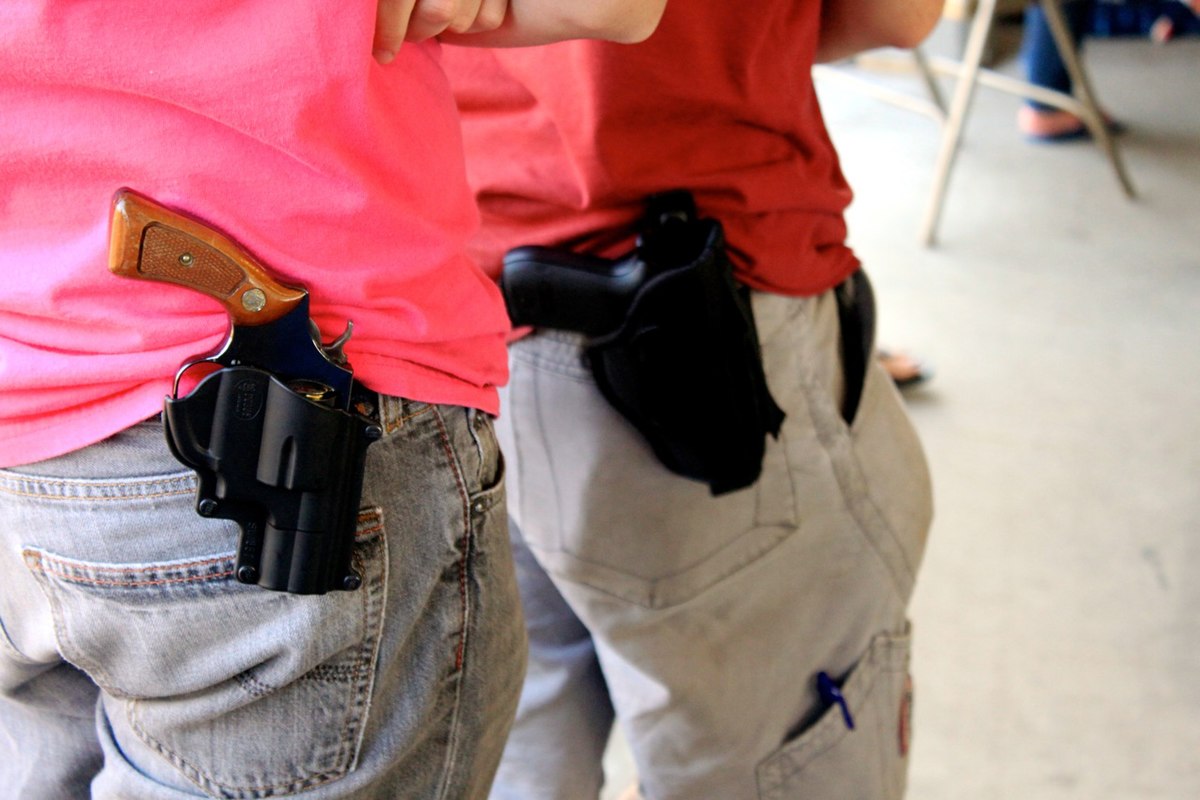
- Open Carry: Openly carrying a firearm is generally illegal in most of California, with limited exceptions for specific types of individuals (e.g., peace officers) or specific locations.
- Concealed Carry Permits: To legally carry a concealed firearm, an individual must obtain a Concealed Carry Weapon (CCW) permit from their local law enforcement agency. The criteria and process for obtaining a CCW permit are stringent and vary by county, though recent court decisions have made obtaining permits more accessible in some areas. Even with a CCW permit, there are restrictions on where firearms can be carried, such as in schools, government buildings, or other “sensitive places.”
Conclusion on Legality
Without a clear definition of what “110” refers to in the context of firearms, a definitive “yes” or “no” answer is not possible. However, based on California’s comprehensive firearm laws, any firearm is subject to rigorous scrutiny.
If “110” represents a firearm model or a caliber that results in a firearm with features defined as an assault weapon, or that is a short-barreled rifle/shotgun, or a handgun not on the approved roster (for sale by dealer), then possession and carrying are likely unlawful. For any firearm, understanding its specific characteristics and how they align with or violate California Penal Codes is paramount. It is always advisable for individuals to consult with legal counsel specializing in firearm law or to directly refer to the California Department of Justice’s Bureau of Firearms for the most accurate and up-to-date information regarding firearm legality. Relying on generalized interpretations or non-standard designations like “110” can lead to serious legal repercussions.
LifeOutOfTheBox is a participant in the Amazon Services LLC Associates Program, an affiliate advertising program designed to provide a means for sites to earn advertising fees by advertising and linking to Amazon.com. Amazon, the Amazon logo, AmazonSupply, and the AmazonSupply logo are trademarks of Amazon.com, Inc. or its affiliates. As an Amazon Associate we earn affiliate commissions from qualifying purchases.