
The allure of the wild is undeniable, and for some, this fascination extends to the desire to bring a piece of that untamed spirit into their homes. Among the more exotic creatures that capture the imagination are raccoons, with their masked faces and intelligent, dexterous paws. However, when considering such a venture, especially within the diverse landscapes of California, legality and ethical considerations are paramount. This exploration delves into the specific regulations surrounding pet raccoons in the Golden State, aiming to provide clarity for those who might be contemplating this unique companionship.

Understanding Exotic Pet Laws in California
California has some of the strictest animal welfare and public safety laws in the nation, particularly concerning exotic and wild animals. The state’s Department of Fish and Wildlife (CDFW) is the primary agency responsible for enforcing these regulations. Their mandate is to protect native wildlife, prevent the spread of diseases, and ensure public safety by controlling the ownership of animals that could pose a risk.
The California Code of Regulations and Restricted Animals
The foundation of exotic pet ownership regulations in California lies within the California Code of Regulations, Title 14, Section 671. This section lists animals that are considered “restricted species” and generally cannot be possessed without a permit. Raccoons, being native wild animals and potential carriers of rabies and other zoonotic diseases, are unequivocally on this list.
Prohibited Species and Their Rationale
The rationale behind prohibiting the possession of raccoons as pets is multi-faceted. Firstly, raccoons are wild animals. Even if raised from a young age, their natural instincts can surface, leading to unpredictable behavior that could endanger humans, other pets, or native wildlife. They possess sharp claws and teeth, capable of inflicting significant injury.
Secondly, the risk of disease transmission is a major concern. Raccoons are known carriers of rabies, a deadly viral disease that can be transmitted to humans and other mammals. While vaccines exist for domestic animals, the administration and efficacy of such vaccines in wild species kept as pets are difficult to control, posing a public health threat. Furthermore, raccoons can carry other parasites and bacteria that are transmissible to humans.
Thirdly, allowing the private ownership of native wild animals can have detrimental effects on wild populations. If pets escape or are released, they can introduce diseases to native populations, compete with native species for resources, or disrupt ecosystems. The CDFW aims to prevent such ecological disturbances.
The Role of the California Department of Fish and Wildlife (CDFW)
The California Department of Fish and Wildlife plays a crucial role in assessing and managing the risks associated with keeping certain animals. For any animal on the restricted species list, possession requires a permit issued by the CDFW. However, obtaining such a permit for a raccoon is exceptionally difficult, if not practically impossible, for private individuals seeking to keep them as pets.
Permit Requirements and Their Limitations
Permits are typically granted only for specific purposes, such as for licensed wildlife rehabilitators, educational institutions, or research facilities that can demonstrate a clear need and possess the appropriate facilities and expertise to care for the animal safely and humanely. The application process is rigorous, involving detailed justifications, inspections, and proof of extensive knowledge regarding the animal’s care, containment, and public safety protocols. For the average citizen, the prospect of obtaining a permit to keep a pet raccoon is not a realistic one.
Exceptions and Misconceptions
While the general rule is a clear prohibition, it is important to address potential misconceptions and any nuanced exceptions that might arise.
Licensed Wildlife Rehabilitators and Zoos
The most common exception to the prohibition on possessing raccoons involves licensed wildlife rehabilitators and accredited zoological facilities. These entities operate under strict guidelines and permits from the CDFW. Their primary purpose is not private pet ownership but rather the care and rehabilitation of injured or orphaned native wildlife with the goal of releasing them back into their natural habitat, or to provide educational exhibits and conservation efforts in the case of zoos.
The Distinction Between Rehabilitation and Pet Ownership
It is critical to distinguish between the temporary care provided by a licensed rehabilitator and the long-term intention of keeping a raccoon as a pet. Rehabilitators work under the supervision of the CDFW and are trained to provide species-appropriate care, minimize human contact, and facilitate release when possible. Their efforts are vital for conservation and animal welfare, but they do not equate to legal private ownership for companionship.
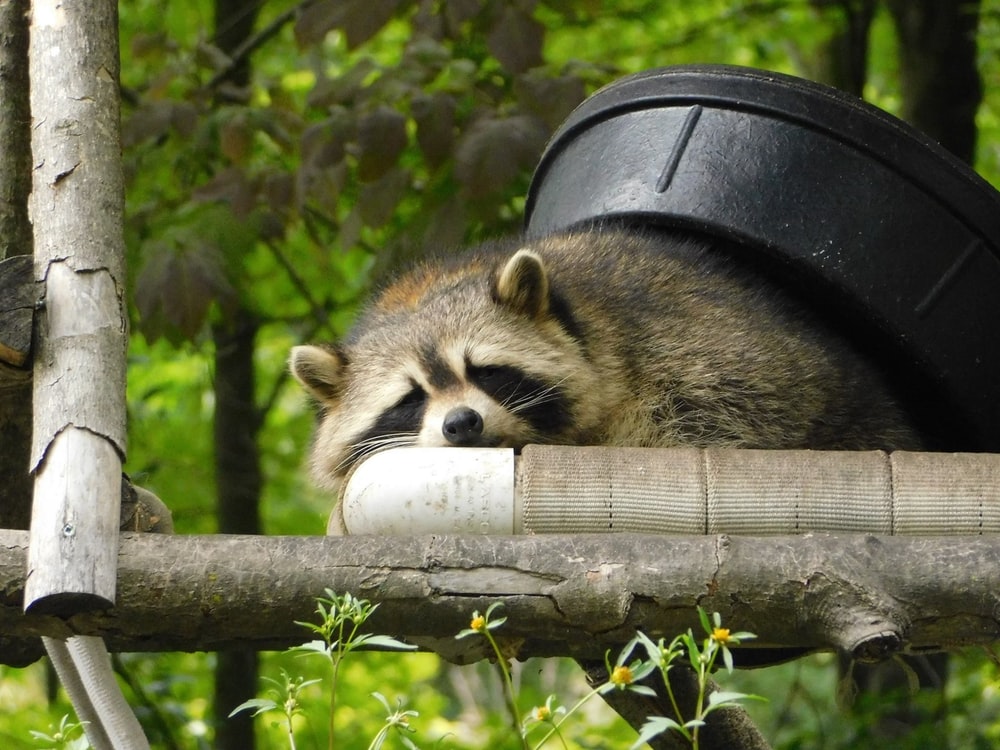
“Surrendered” or “Orphaned” Raccoons
A common scenario that might lead individuals to inquire about pet raccoons involves finding an orphaned or seemingly abandoned young raccoon. While the instinct to help is commendable, intervening directly by taking the animal home is generally not the correct course of action and can be illegal. The CDFW strongly advises citizens to contact a local licensed wildlife rehabilitator or their office if they encounter an animal that appears to be in distress. These professionals have the expertise and permits to handle such situations appropriately. Attempting to raise an orphaned raccoon without proper authorization can lead to legal penalties and, more importantly, can be detrimental to the animal’s long-term survival and well-being.
The Myth of “Tame” Raccoons
Another misconception is that if a raccoon is raised from a very young age, it will be permanently docile and suitable as a pet. While young raccoons may appear cute and manageable, they are still wild animals. As they mature, their natural instincts will assert themselves. This can include increased aggression, territoriality, and a propensity to bite or scratch, especially during mating season or when startled. The unpredictability of their behavior, even in well-intentioned circumstances, is a significant factor in the legal restrictions.
Legal Ramifications of Owning a Pet Raccoon in California
The consequences of illegally possessing a raccoon in California can be severe. The CDFW has the authority to seize the animal, and the owner may face substantial fines and other legal penalties.
Penalties and Seizure of Animals
Violations of California’s restricted species laws are typically classified as misdemeanors. Penalties can include fines ranging from several hundred to thousands of dollars, and in some cases, even jail time. Beyond financial and legal repercussions, the animal will be confiscated. The fate of a seized raccoon depends on its health and behavior, but often it will be transferred to a licensed wildlife facility or, if deemed unsuitable for release, may be euthanized. This highlights the ethical burden and risk associated with illegal ownership.
Public Health and Safety Risks
The legal framework in California is designed to protect both the public and the animal kingdom. The potential for zoonotic disease transmission, such as rabies, underscores the public health aspect. Furthermore, the inherent wildness of raccoons means they can pose a direct physical threat to individuals, especially children, and other domestic animals. These risks are taken very seriously by state wildlife authorities.
Responsible Alternatives for Wildlife Enthusiasts
For individuals who are passionate about wildlife and wish to engage with these animals in a meaningful and legal way, several responsible alternatives exist in California.
Supporting Wildlife Rehabilitation Centers
One of the most impactful ways to contribute to the welfare of native wildlife is by supporting local licensed wildlife rehabilitation centers. These organizations rely on donations, volunteer assistance, and public awareness to carry out their vital work. Volunteering can provide opportunities to learn about animal care under professional guidance without the legal or ethical quandaries of private ownership.
Visiting Zoos and Nature Centers
Accredited zoological parks and nature centers offer excellent opportunities to observe and learn about a wide variety of animals, including raccoons, in controlled and educational environments. These facilities contribute to conservation efforts, public education, and provide safe, ethical viewing experiences. Many California institutions, such as the San Diego Zoo or the Oakland Zoo, are renowned for their commitment to animal welfare and conservation.
Engaging in Ecotourism and Wildlife Observation
Exploring California’s diverse natural landscapes offers abundant opportunities for responsible wildlife observation. Visiting state parks, national forests, and wildlife refuges allows individuals to see native animals, including raccoons, in their natural habitats without interfering with their lives. Observing wildlife from a distance, respecting their space, and never feeding them are crucial tenets of responsible ecotourism. Popular destinations for wildlife viewing include Yosemite National Park and the Point Reyes National Seashore.

Conclusion
In conclusion, the answer to whether it is legal to have a pet raccoon in California is a resounding no, for the vast majority of residents. The state’s robust regulations, enforced by the California Department of Fish and Wildlife, are designed to protect public health, safety, and the integrity of wild ecosystems. While the charm of these masked creatures is undeniable, their place is within the wild, and any desire to connect with them should be pursued through legal, ethical, and responsible avenues that support their conservation and our shared natural heritage.
LifeOutOfTheBox is a participant in the Amazon Services LLC Associates Program, an affiliate advertising program designed to provide a means for sites to earn advertising fees by advertising and linking to Amazon.com. Amazon, the Amazon logo, AmazonSupply, and the AmazonSupply logo are trademarks of Amazon.com, Inc. or its affiliates. As an Amazon Associate we earn affiliate commissions from qualifying purchases.