
Defining California’s Geography
The question of whether Los Angeles resides in Northern California or its southern counterpart is a common point of confusion for those unfamiliar with the state’s vast geography. California is the third-largest state in the U.S. by area, stretching over 770 miles from north to south. This immense size naturally leads to distinct regional characteristics, including significant climatic, cultural, and even geological differences. Understanding these distinctions is crucial for navigating the state, whether planning a visit or simply seeking to grasp its multifaceted identity.
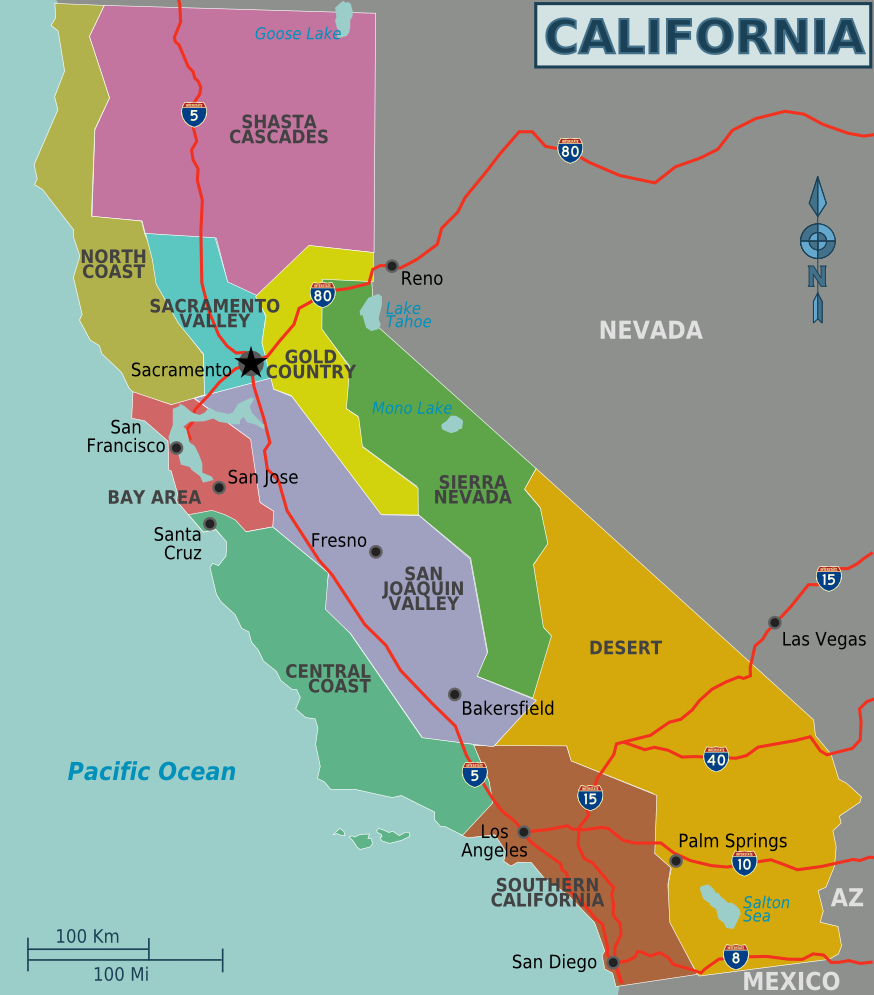
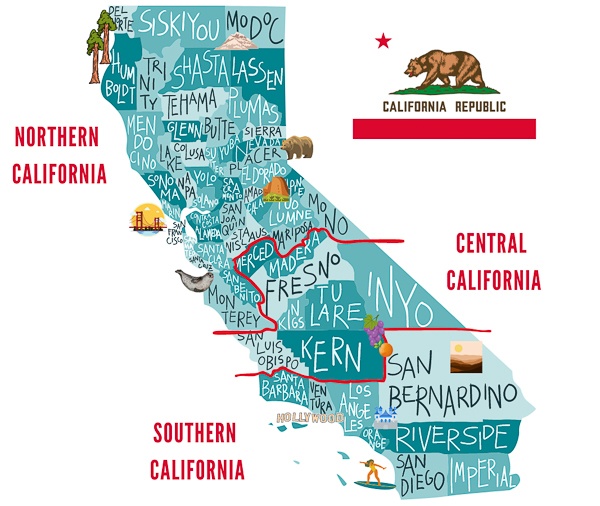
California is broadly divided into two primary regions: Northern California and Southern California. While the exact dividing line can be somewhat fluid and debated, the generally accepted boundary runs roughly east-west through the central part of the state. This division is not merely arbitrary; it reflects the tangible differences that have emerged over time.
The Arbitrary Line: A Matter of Perception
There isn’t a precise, officially designated geographical line that demarcates Northern and Southern California. Instead, the division is more a matter of cultural, historical, and environmental consensus. When people refer to Northern California, they typically encompass areas north of the Tehachapi Mountains. This includes major metropolitan areas like San Francisco, Oakland, and San Jose, as well as the vast agricultural expanse of the Central Valley and the rugged, mountainous terrain of the Sierra Nevada and Klamath Mountains.
Conversely, Southern California generally refers to the region south of the Tehachapi Mountains. This vast area is dominated by the sprawling metropolis of Los Angeles, along with other major cities such as San Diego, Anaheim, and Palm Springs. The characteristic arid climate and distinct cultural trends of this region solidify its identity as Southern California.
Navigating the Divide: Cities and Regions
To definitively answer the question: No, Los Angeles is located in Southern California. Its geographical position firmly places it south of the commonly understood dividing line between the two regions. This distinction is not just about latitude; it influences everything from the weather patterns and vegetation to the dominant industries and cultural norms.
Northern California’s Distinctive Features
Northern California is renowned for its dramatic natural beauty and diverse landscapes. From the iconic Golden Gate Bridge in San Francisco to the towering redwood forests of the Redwood National and State Parks, the region offers a visual feast. The climate is generally cooler and more temperate, often characterized by foggy coastal mornings and sunny afternoons, especially in the Bay Area. Inland, the Central Valley experiences hotter summers and cooler winters, making it a crucial agricultural hub for the state.
Culturally, Northern California is often perceived as more progressive and has a strong association with technological innovation, particularly in the Silicon Valley area. It also boasts a rich history of counterculture movements and a distinct culinary scene, with a strong emphasis on fresh, local ingredients and farm-to-table dining.
Southern California’s Sunny Persona
Southern California, on the other hand, is synonymous with sunshine, beaches, and a laid-back lifestyle. The climate is predominantly Mediterranean, with warm, dry summers and mild, wetter winters. This climate makes it an attractive destination for outdoor activities year-round. The landscape ranges from the extensive coastline with its famous beaches like Santa Monica State Beach to the desert expanses of the Mojave Desert and the mountain ranges like the San Gabriel Mountains.
Los Angeles itself is a massive, sprawling urban center, the second-most populous city in the United States. It is globally recognized as the entertainment capital of the world, home to Hollywood, numerous film studios, and a vibrant arts and culture scene. The automotive culture is also deeply ingrained in Southern California, and the region is known for its diverse population and eclectic neighborhoods, each with its own unique character.
Implications for Travelers and Visitors
Understanding the geographical distinction between Northern California and Southern California is paramount for anyone planning a visit to the Golden State. The differences in climate, attractions, and local culture mean that a trip to San Francisco will offer a vastly different experience than a vacation in San Diego or Los Angeles.
Planning Your California Adventure
When booking flights or accommodation, it’s essential to be specific about your desired region. For instance, if your travel plans involve visiting the theme parks in Orange County, such as Disneyland Park, or exploring the museums and beaches of Los Angeles, you will be flying into airports like Los Angeles International Airport (LAX) or John Wayne Airport (SNA) and are firmly in the southern region.
Conversely, if your itinerary includes wine tasting in the Napa Valley or hiking in Yosemite National Park, you are heading to Northern California, likely flying into San Francisco International Airport (SFO) or Oakland International Airport (OAK).
Climate and Activities
The climate plays a significant role in shaping the types of activities available in each region. Southern California’s consistent sunshine makes it ideal for beachgoing, surfing, and outdoor festivals throughout the year. Popular attractions include visiting the Getty Center, exploring the Griffith Observatory, or taking a day trip to Catalina Island.
Northern California, with its more varied weather, offers a different set of opportunities. Visitors can explore the bustling city life of San Francisco, hike through the majestic giant sequoias in Sequoia National Park, or drive along the scenic Pacific Coast Highway with its dramatic cliffs and ocean vistas. The wine regions of Sonoma County and Napa Valley are also primary draws for visitors to the north.
Cultural and Economic Distinctions
Beyond geography and climate, Northern California and Southern California possess distinct cultural identities and economic drivers that further differentiate them. These variations contribute to the rich tapestry of the state and influence the experiences of those who live in or visit these regions.
The North: Innovation and Natural Bounty
Northern California is often characterized by its forward-thinking ethos, heavily influenced by the tech boom in Silicon Valley. This region is a hub for innovation, venture capital, and a culture that embraces technological advancement and entrepreneurship. Cities like San Francisco are known for their vibrant arts scene, diverse culinary landscape, and a generally more liberal social and political outlook.
Economically, the north relies significantly on technology, finance, and agriculture, particularly in the fertile Central Valley and the wine-producing regions. The access to natural resources, from the coast to the mountains, also supports industries like tourism and outdoor recreation.
The South: Entertainment and Lifestyle
Southern California is globally recognized for its entertainment industry, with Hollywood at its core. This sector drives a significant portion of the region’s economy and shapes its cultural image. Beyond entertainment, Southern California boasts strong sectors in aerospace, defense, tourism, and international trade, facilitated by its extensive port infrastructure, including the Port of Los Angeles.
Culturally, Southern California is often associated with a more relaxed, health-conscious, and entertainment-focused lifestyle. The blend of diverse ethnicities and cultures creates a unique social fabric, evident in its cuisine, music, and art. The allure of the beaches, theme parks, and year-round outdoor activities continues to draw millions of visitors and residents alike.

Conclusion: A State of Contrasts
In conclusion, the answer to “Is Los Angeles In Northern California?” is a definitive no. Los Angeles is unequivocally a part of Southern California. This distinction is more than just a geographical fact; it represents the diverse landscapes, climates, cultures, and economies that make up the vast and varied state of California.
Whether you are drawn to the innovation and natural beauty of the north or the sunshine and entertainment of the south, understanding these regional differences will undoubtedly enhance your experience of exploring this remarkable state. Each region offers unique attractions and a distinct flavor, inviting visitors to discover the multifaceted charm of California.
LifeOutOfTheBox is a participant in the Amazon Services LLC Associates Program, an affiliate advertising program designed to provide a means for sites to earn advertising fees by advertising and linking to Amazon.com. Amazon, the Amazon logo, AmazonSupply, and the AmazonSupply logo are trademarks of Amazon.com, Inc. or its affiliates. As an Amazon Associate we earn affiliate commissions from qualifying purchases.