
While the Golden State remains a vibrant tapestry of diverse cultures, stunning landscapes, and unparalleled culinary experiences, the question of whether a global icon like McDonald’s might be departing its shores sparks immediate interest, particularly for those who view the fast-food giant as an integral part of the travel and tourism landscape. This is not about a wholesale exodus, but rather a nuanced examination of how businesses, even those as ubiquitous as McDonald’s, adapt to the unique economic and regulatory environments of regions like California.
Understanding the Dynamics of Business in California
California is renowned for its progressive policies, its bustling economy, and its appeal to millions of tourists annually. However, these very characteristics also present unique challenges for businesses operating within its borders. The state’s commitment to environmental regulations, labor laws, and consumer protection, while beneficial to residents and the planet, can translate into higher operational costs for companies. For a business model as meticulously cost-controlled as fast food, these factors necessitate constant evaluation and strategic adaptation.

Labor Laws and Wage Increases
One of the most significant discussions surrounding business operations in California often revolves around its stringent labor laws. The state has consistently been at the forefront of advocating for higher minimum wages and improved worker benefits. For a large employer with a significant number of hourly workers, such as McDonald’s, these legislative changes can impact profitability and operational strategies. The perceived cost of labor is a critical component in determining the viability and expansion plans of any food service establishment, particularly those reliant on a high volume of transactions. This has led to conversations about automation, menu price adjustments, and even potential shifts in store footprints across the state.
Regulatory Environment and Operational Costs
Beyond labor, California imposes a complex web of regulations covering everything from food safety and environmental impact to building codes and licensing. While these are designed to ensure public well-being and protect the state’s natural beauty, they add layers of compliance and expense for businesses. For a franchise model like McDonald’s, where individual owner-operators bear many of these costs, navigating this landscape is a continuous undertaking. The economics of operating a franchise in California might differ significantly from those in other states, prompting discussions about the long-term sustainability of certain locations or the feasibility of new ventures.
Consumer Demand and Market Saturation
Despite the operational challenges, California also represents a colossal market with a population that enjoys dining out and seeking convenient food options. McDonald’s has a deep-rooted presence in the state, with countless locations serving communities from San Diego to San Francisco. The brand recognition and established customer base are powerful assets. However, the market is also highly competitive, with a proliferation of fast-casual eateries, local diners, and other international chains vying for consumer attention. This saturation means that even an established brand must continually innovate and offer compelling value to retain its market share.
McDonald’s Strategic Adaptations in the Golden State
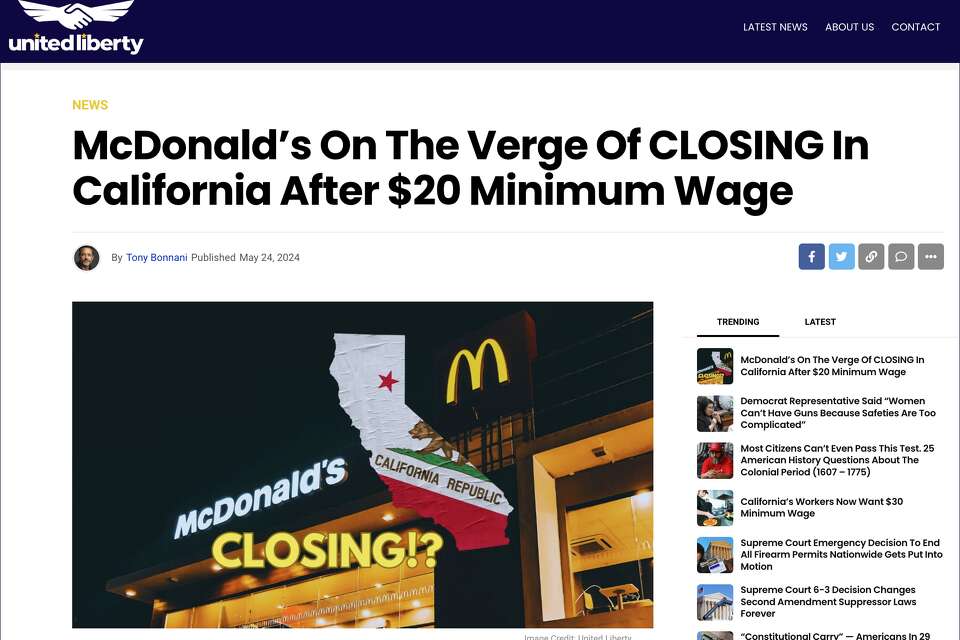
The notion of McDonald’s “leaving California” is more likely to manifest as strategic adjustments rather than outright closures of all its establishments. Large corporations are adept at pivoting and optimizing their operations to suit prevailing conditions. In California, this could involve several key adaptations that are already visible in their operations nationwide, but perhaps amplified by the state’s unique environment.
Menu Innovation and Premium Offerings
To cater to evolving consumer tastes and the state’s emphasis on healthier and more sustainable options, McDonald’s has been investing in menu diversification. This includes introducing plant-based alternatives, sourcing more locally inspired ingredients where feasible, and enhancing the quality of existing offerings. For instance, the introduction of the McPlant burger aligns with the dietary preferences increasingly prevalent among Californians. Furthermore, premium burger options and more sophisticated coffee beverages, akin to what one might find at a specialized café, aim to capture a segment of the market that seeks a slightly elevated fast-food experience. This strategy seeks to balance cost-effectiveness with consumer demand for variety and perceived quality.
Technology and Efficiency Improvements
To mitigate rising labor costs and improve operational efficiency, McDonald’s has been a significant adopter of technology. In California, this trend is likely accelerated. This includes the implementation of self-order kiosks, enhanced mobile ordering and delivery platforms, and advancements in kitchen automation. These technologies not only streamline the ordering and preparation process, potentially reducing the need for extensive front-of-house staff, but also improve order accuracy and customer satisfaction. The drive towards digital engagement and contactless transactions is a global phenomenon, but it takes on particular importance in a state like California where consumers are often early adopters of new technologies.
Franchisee Support and Business Model Evolution
The success of McDonald’s in any region is heavily dependent on the success of its franchisees. In California, the parent company likely provides enhanced support and resources to its operators to help them navigate the unique economic and regulatory challenges. This might include financial assistance programs, access to specialized legal and compliance advisors, and guidance on optimizing operations for the local market. The business model itself might also evolve, with a greater emphasis on drive-thru and delivery services, which can be more efficient and profitable in certain urban and suburban settings prevalent in California. Rethinking the physical footprint of restaurants, perhaps focusing on smaller, more efficient formats, could also be part of the long-term strategy.
The Future of McDonald’s in California
The idea of McDonald’s leaving California entirely is, from a business perspective, highly improbable. The state represents too large a consumer base and too significant a market to be abandoned. Instead, what is more likely is a continuous process of adaptation and evolution. The brand’s presence might change, with some underperforming locations potentially closing, while others are modernized or reconfigured to better suit the current economic climate and consumer expectations.

Continued Presence, Evolving Operations
McDonald’s has demonstrated a remarkable ability to persist and thrive by adjusting its strategies to meet the demands of diverse markets. In California, this means a commitment to innovation, efficiency, and understanding the unique cultural and economic landscape. The golden arches are likely to remain a familiar sight across the state, albeit perhaps operating with more advanced technology, a refined menu, and a business model that is continually fine-tuned to the realities of doing business in the Golden State. For travelers and residents alike, the familiar taste and convenience of McDonald’s will likely continue to be a part of the Californian experience, just as it is in so many other parts of the world. The key will be its capacity to adapt, ensuring its relevance and profitability in one of the nation’s most dynamic and challenging markets.
LifeOutOfTheBox is a participant in the Amazon Services LLC Associates Program, an affiliate advertising program designed to provide a means for sites to earn advertising fees by advertising and linking to Amazon.com. Amazon, the Amazon logo, AmazonSupply, and the AmazonSupply logo are trademarks of Amazon.com, Inc. or its affiliates. As an Amazon Associate we earn affiliate commissions from qualifying purchases.