
The question of minimum wage in California is not a simple yes or no, but rather a complex and evolving landscape shaped by state legislation, local ordinances, and industry-specific considerations. For travelers, business owners operating within the state, and even for those considering a career change that might involve work in California, understanding this framework is crucial. This article delves into the current minimum wage structure in California, exploring its implications for various sectors and offering insights relevant to the tourism and hospitality industries, which are heavily influenced by labor costs and consumer spending power.

The Foundation: California’s State Minimum Wage
California has long been at the forefront of establishing a higher minimum wage than the federal standard, aiming to provide a more livable income for its residents. The state’s minimum wage is adjusted annually based on inflation, ensuring that its purchasing power doesn’t erode over time. As of January 1, 2024, the minimum wage for all employers in California is $16.00 per hour. This is a significant benchmark, reflecting the state’s commitment to worker welfare and its acknowledgment of the high cost of living prevalent in many of its major metropolitan areas.
Annual Adjustments and Inflationary Pressures
The mechanism for adjusting California’s minimum wage is tied to the Consumer Price Index (CPI) for All Urban Consumers in the Western Region. This ensures that the wage keeps pace with the rising costs of goods and services. For instance, if inflation increases the cost of living, the minimum wage is likely to see a corresponding increase in the following year. This dynamic approach is a key feature of California’s labor policy, differentiating it from states that might have a fixed minimum wage for extended periods. Understanding these annual adjustments is vital for businesses planning their budgets and for individuals seeking to understand their earning potential.
Impact on the State Economy and Workforce
The impact of California’s robust minimum wage is multifaceted. On one hand, it can lead to increased disposable income for low-wage workers, potentially boosting consumer spending, which in turn can benefit sectors like tourism and retail. On the other hand, businesses, particularly small enterprises and those in labor-intensive industries, may face increased operating costs. This can lead to a variety of responses, including price adjustments for goods and services, investments in automation, or a review of staffing levels. For the tourism sector, which often relies on a significant workforce in hospitality roles, understanding these economic dynamics is crucial for strategic planning and service delivery.
Beyond the State Mandate: Local Minimum Wage Ordinances
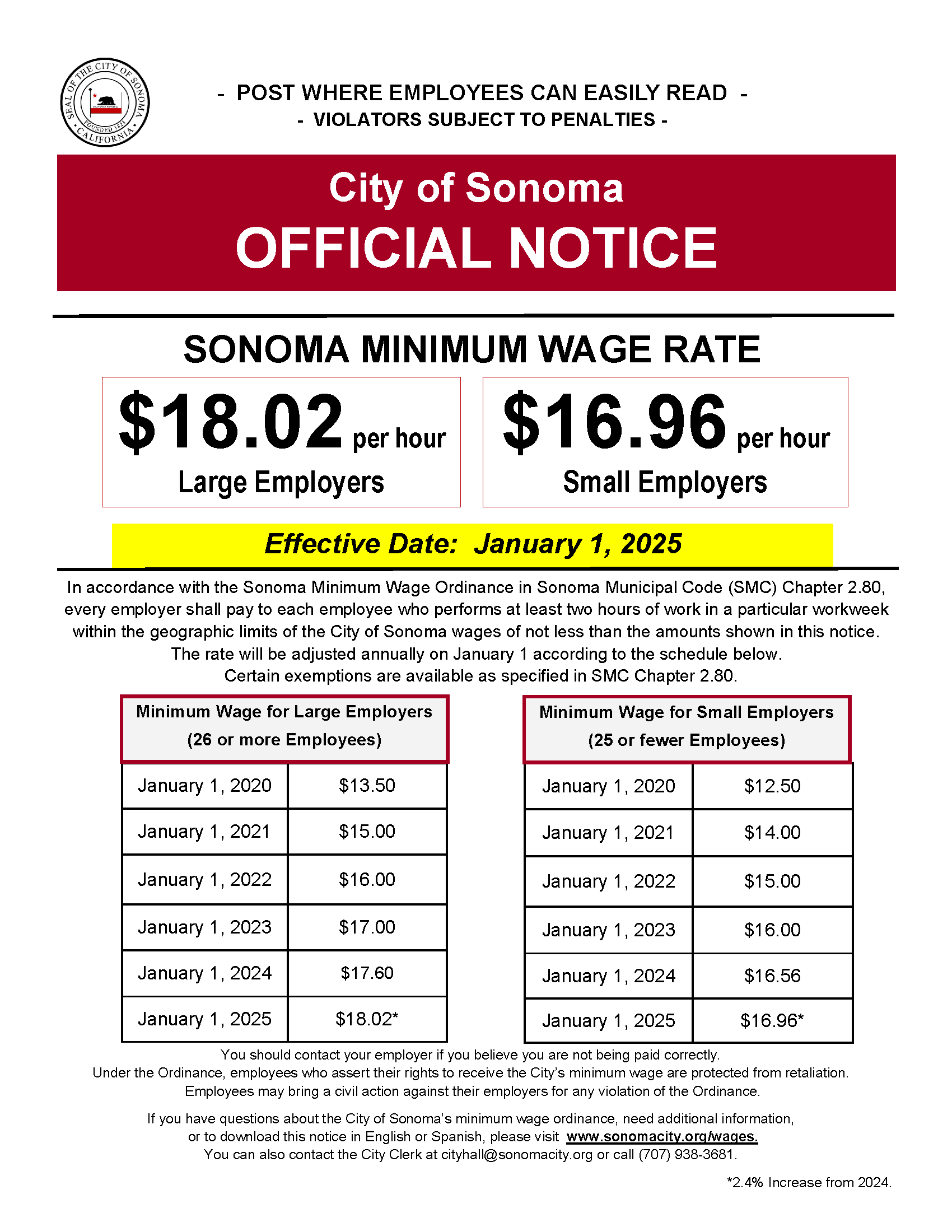
While the $16.00 per hour minimum wage is the statewide floor, many cities and counties within California have enacted their own, higher minimum wage ordinances. These local mandates are particularly common in affluent areas and major urban centers where the cost of living is exceptionally high. Examples include cities like San Francisco, Los Angeles, Oakland, and San Jose, all of which have minimum wage rates that exceed the state minimum.
Navigating a Patchwork of Regulations
For businesses operating across multiple cities or counties within California, this patchwork of regulations presents a significant compliance challenge. Employers must adhere to the highest applicable minimum wage rate in the jurisdiction where their employees perform work. This means that an employee working in both San Francisco and Oakland on the same day must be paid at least the minimum wage of San Francisco for all hours worked. This complexity necessitates careful tracking of employee work locations and a thorough understanding of local labor laws.
Local Ordinances and Their Impact on Tourism Businesses
The existence of higher local minimum wages has a direct impact on businesses within the tourism and hospitality sectors, such as hotels, restaurants, and attractions. In popular tourist destinations with high local minimum wages, the cost of labor can be a substantial portion of operational expenses. This can influence pricing strategies for accommodations, dining, and activities. For example, a hotel in San Francisco will likely have higher labor costs than a similar hotel in a smaller town with a lower minimum wage, which could be reflected in room rates. Travelers may find that services in these higher-cost areas come with a premium, partly due to the mandated labor compensation.
Industry-Specific Considerations and Exemptions
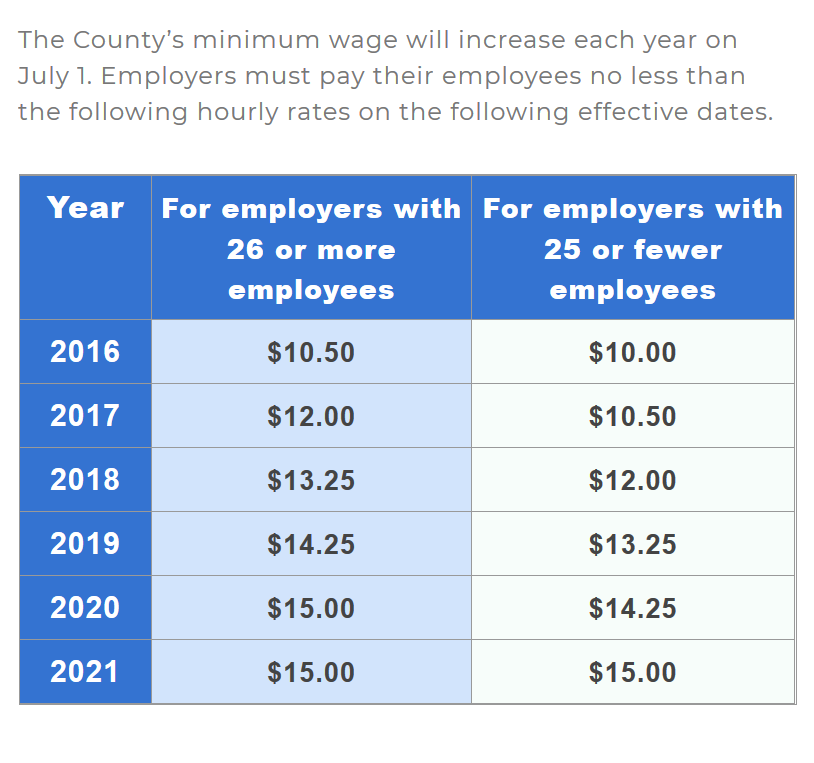
While the general minimum wage applies broadly, there are certain industry-specific considerations and, in some cases, limited exemptions. The primary goal is to ensure that workers are compensated fairly, but the structure of certain industries can necessitate nuanced approaches.
Fast Food Minimum Wage in California
One of the most significant recent developments in California’s minimum wage landscape is the implementation of a sector-specific minimum wage for fast-food workers. Under Assembly Bill 257, also known as the FAST Recovery Act, a council was established to set minimum wage and working condition standards for fast-food establishments. This has led to a separate, higher minimum wage for this sector. As of April 1, 2024, the minimum wage for fast-food workers in California rose to $20.00 per hour. This targeted approach reflects concerns about the working conditions and compensation in a rapidly growing segment of the food service industry.
Implications for Fast Food Outlets and Traveler Choices
The $20.00 per hour minimum wage for fast-food workers in California has substantial implications. For fast-food chains, it represents a significant increase in labor costs, which may be passed on to consumers through higher prices. Travelers relying on fast-food options during their trips might notice increased menu prices across the state. This policy aims to improve the livelihoods of a large segment of the workforce while potentially reshaping consumer choices and the competitive landscape within the fast-food industry. This is a dynamic area to watch as it evolves and influences other sectors.
Other Potential Sectoral Adjustments
While fast food has been a prominent focus, discussions and considerations for minimum wage adjustments in other sectors, particularly within hospitality and caregiving, are ongoing. The rationale behind such considerations often stems from the high demand for labor in these areas and the recognition of the essential services they provide. As California continues to grapple with its high cost of living and the desire to ensure a living wage for all its workers, further sector-specific adjustments cannot be ruled out.
The Broader Economic and Social Context
Understanding the minimum wage in California extends beyond the hourly rates. It is intertwined with the state’s broader economic policies, its commitment to social equity, and its unique position as a global hub for innovation and tourism.
Cost of Living and its Influence on Wage Setting
California is renowned for its high cost of living, especially in areas like Los Angeles, San Francisco, and the Silicon Valley region. Housing, transportation, and general expenses are significantly higher than the national average. This reality forms the bedrock of the state’s approach to minimum wage. The intention is not merely to set a number but to establish a wage that allows individuals and families to afford basic necessities and participate more fully in the economy.
Tourism and its Interdependence with Labor Costs
The tourism industry, a vital contributor to California’s economy, is intrinsically linked to labor. Hotels, restaurants, theme parks like Disneyland and Universal Studios Hollywood, and a myriad of service providers all rely on a substantial workforce. As minimum wages rise, so do the operating costs for these businesses. This can influence the pricing of travel packages, hotel rooms, and dining experiences. For travelers, this means that while they are contributing to the state’s economy and enjoying its attractions, they are also indirectly supporting a workforce that is, by design, receiving higher compensation. This creates a symbiotic relationship where economic prosperity is intended to be shared more equitably.
Future Trends and Potential Policy Shifts
The minimum wage landscape in California is not static. It is a subject of continuous debate, research, and policy adjustments. Factors such as economic performance, inflation rates, and evolving social priorities will continue to shape its trajectory. Businesses, employees, and visitors alike should remain aware of these potential shifts, as they can have a tangible impact on the cost of doing business, earning potential, and the overall experience of exploring the Golden State. The ongoing dialogue around fair wages and economic sustainability will undoubtedly lead to further refinements in California’s approach to its minimum wage in the years to come.
LifeOutOfTheBox is a participant in the Amazon Services LLC Associates Program, an affiliate advertising program designed to provide a means for sites to earn advertising fees by advertising and linking to Amazon.com. Amazon, the Amazon logo, AmazonSupply, and the AmazonSupply logo are trademarks of Amazon.com, Inc. or its affiliates. As an Amazon Associate we earn affiliate commissions from qualifying purchases.