
Navigating the legal landscape of any destination is crucial for a smooth and respectful travel experience. When visiting a place as diverse and dynamic as California, understanding local ordinances and social norms can significantly enhance your trip. One question that sometimes arises for travelers, particularly those venturing into urban centers like Los Angeles or San Francisco, concerns the legality of panhandling. This practice, while a visible aspect of urban life, is subject to a complex web of laws and court rulings that can be confusing for both residents and visitors.
The Shifting Legal Tides of Panhandling
Historically, many cities and counties across California enacted ordinances that outright prohibited or heavily restricted panhandling. These restrictions often focused on specific behaviors, such as aggressive solicitation, panhandling near busy intersections or ATMs, or soliciting from motorists. The rationale behind such laws typically centered on public safety, traffic flow, and maintaining the aesthetic appeal of business districts and tourist areas.

However, the legal framework governing panhandling has been significantly shaped by federal court decisions. In a landmark ruling, the Ninth U.S. Circuit Court of Appeals, which covers California and several other western states, has affirmed that the act of panhandling itself, when done peacefully and without aggression, is a form of speech protected by the First Amendment of the U.S. Constitution. This means that a blanket ban on panhandling is generally unconstitutional.
Court Rulings and Their Impact
The implications of these court decisions are profound. Cities can no longer simply outlaw panhandling. Instead, they must find a way to regulate it in a manner that is consistent with constitutional protections. This often leads to a more nuanced approach, where ordinances focus on regulating the manner in which panhandling occurs, rather than prohibiting the act itself. For travelers, this translates to encountering individuals who are soliciting money, but the legality of their actions often hinges on their behavior.
For example, while simply asking for money in a public space is generally permissible, engaging in aggressive behavior – such as blocking someone’s path, making physical contact, using threatening language, or panhandling repeatedly after being refused – can fall outside the scope of protected speech and may be subject to legal penalties. This distinction is critical and often the basis for enforcement actions.
Understanding Local Ordinances in California Cities
While federal law sets a broad framework, individual cities and counties in California can still implement their own specific regulations. These local ordinances are designed to address the unique challenges and concerns of their communities. For travelers, this means that what might be permissible in one city could be subject to specific restrictions in another.
Examples of Common Regulations
-
Location Restrictions: Many cities prohibit panhandling in specific areas deemed particularly sensitive. This can include:
- Within a certain distance of ATMs or bank entrances: To prevent intimidation or obstruction of financial transactions.
- On public transportation (buses, trains): To ensure the comfort and safety of passengers.
- On highway on-ramps or off-ramps: For traffic safety reasons.
- In restaurant or business doorways: To avoid impeding access for patrons.
- Near parks or playgrounds: To maintain a family-friendly environment.
-
Time Restrictions: Some ordinances may also specify certain hours during which panhandling is not permitted, often focusing on nighttime hours.
-
Behavioral Restrictions: As mentioned, these are crucial. Regulations commonly prohibit:
- Aggressive Panhandling: This includes behaviors like forceful or repeated requests, invading personal space, or following someone.
- Intimidation: Any action that makes a person feel threatened or coerced.
- Panhandling from Motorists: This is often restricted due to significant safety concerns for drivers and pedestrians. This can include approaching vehicles in traffic or asking for money at intersections where cars are stopped.
Staying Informed as a Traveler
When visiting major tourist destinations like San Diego or the San Francisco Bay Area, it’s advisable to be aware of the specific local ordinances. While you are unlikely to be directly affected by these laws unless you are engaging in panhandling yourself, understanding the context can inform your interactions and perceptions. Many city websites provide information on municipal codes and ordinances, which can offer detailed insights. Look for sections related to “public conduct,” “solicitation,” or “loitering.”
The Intersection of Panhandling and Homelessness
It is impossible to discuss panhandling in California without acknowledging its deep connection to homelessness. For many individuals experiencing homelessness, panhandling is a primary, and often their only, means of survival – obtaining money for food, shelter, or basic necessities. This connection has led to ongoing debates about the most effective and compassionate ways to address both the issue of panhandling and the broader crisis of homelessness.
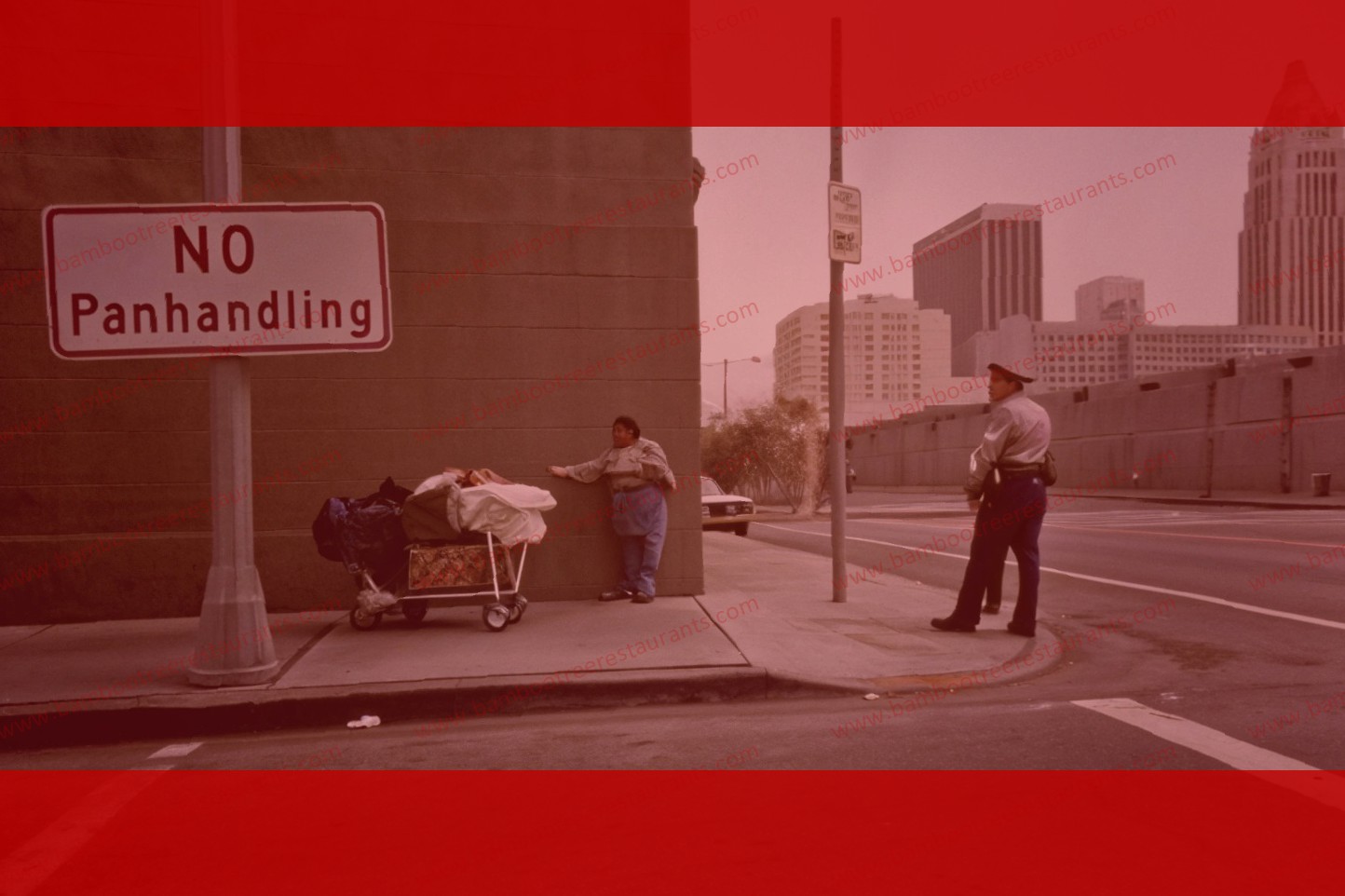
Approaches to Addressing Homelessness
Cities across California are grappling with how to support their homeless populations while also managing public spaces. This has led to a range of initiatives, some of which are more controversial than others.
-
Outreach and Social Services: Many cities invest in programs that provide outreach to individuals experiencing homelessness, connecting them with services such as temporary shelter, mental health counseling, addiction treatment, and job placement assistance. The effectiveness of these programs varies, and access can be a significant barrier for many.
-
“Safe Sleeping” Sites and Shelters: In response to the lack of affordable housing and shelter beds, some cities have established designated areas where people experiencing homelessness can legally camp or sleep. These sites often come with basic amenities and access to services.
-
“No Loitering” or “Aggressive Solicitation” Ordinances: As discussed, these are the more common legal tools used by cities to regulate public spaces. Critics argue that these ordinances criminalize poverty and can lead to the displacement of homeless individuals without addressing the root causes of homelessness. Proponents argue they are necessary for maintaining public order and safety.
Traveler’s Perspective and Engagement
For travelers, encountering individuals who are panhandling can be an uncomfortable experience. It’s important to remember that each situation is unique, and individuals have diverse circumstances. While the legality of panhandling is defined by laws, the human element is undeniable.
-
Respectful Interaction: If you choose to engage, do so respectfully. A simple “no, thank you” is usually sufficient.
-
Supportive Alternatives: Many travelers choose to support organizations working to address homelessness rather than giving directly to individuals. Researching and donating to reputable local charities in cities like Oakland or Sacramento can be a more impactful way to contribute to solutions.
-
Awareness of Surroundings: As with any urban environment, maintaining awareness of your surroundings is always advisable, not just in relation to panhandling, but for general personal safety.
Legal Nuances and Travel Considerations
While the general understanding is that peaceful panhandling is protected speech, the reality on the ground can be complex. Enforcement of ordinances often depends on individual officers’ interpretations of “aggressive” or “intimidating” behavior.
What Travelers Should Observe
From a traveler’s perspective, the key is to observe the context. If you see individuals soliciting money peacefully in public spaces, such as on a sidewalk or in a park, it is likely legal. However, if you witness behaviors that make you or others feel unsafe or uncomfortable – such as someone aggressively demanding money, blocking your path, or approaching cars in busy traffic – these actions may be in violation of local laws.
Cities with Specific Regulations
It’s worth noting that larger, more densely populated cities often have more detailed and actively enforced ordinances. For instance, cities like San Jose or those within the greater Los Angeles metropolitan area will have specific rules that differ from smaller towns. While a comprehensive list of every city’s ordinance is beyond the scope of this overview, the principles of protected speech versus regulated conduct remain consistent.
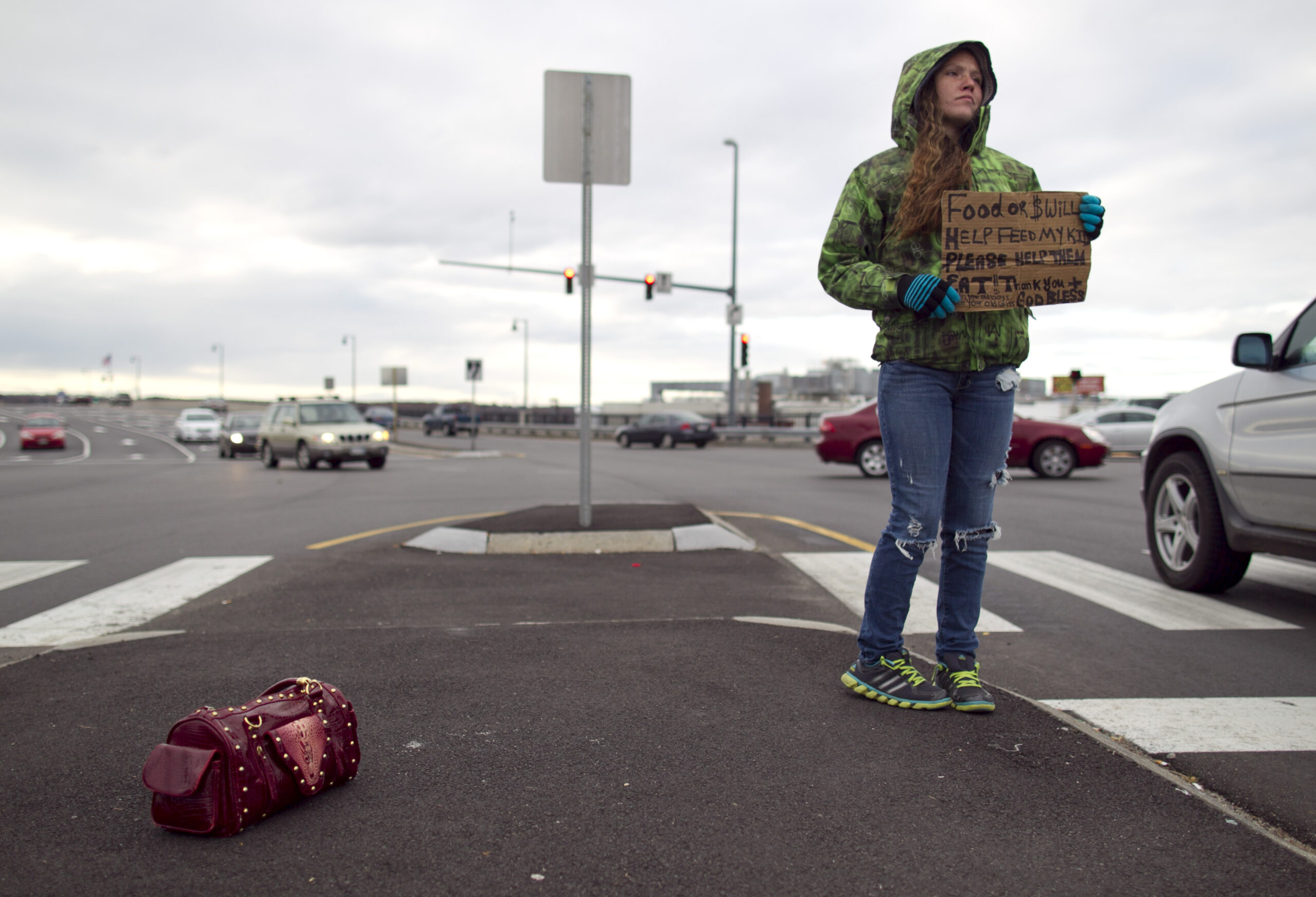
A Note on Enforcement
Enforcement of panhandling laws can be inconsistent. In some areas, police may focus their efforts on more egregious violations, while in others, even minor infractions might be addressed. As a visitor, your role is not to enforce the law but to understand the general legal framework and be aware of your surroundings.
In conclusion, while panhandling itself is not inherently illegal in California under federal law, its practice is subject to a variety of local regulations designed to balance free speech rights with public safety and order. Travelers exploring the Golden State will encounter various forms of solicitation, and understanding the legal distinctions between peaceful requests and prohibited behaviors can provide a clearer picture of the social and legal dynamics at play. By being informed and observant, you can navigate California’s vibrant urban environments with greater understanding and respect.
LifeOutOfTheBox is a participant in the Amazon Services LLC Associates Program, an affiliate advertising program designed to provide a means for sites to earn advertising fees by advertising and linking to Amazon.com. Amazon, the Amazon logo, AmazonSupply, and the AmazonSupply logo are trademarks of Amazon.com, Inc. or its affiliates. As an Amazon Associate we earn affiliate commissions from qualifying purchases.