
The question of whether Six Flags California is closing has become a recurring topic of discussion among theme park enthusiasts and residents of the Golden State. While rumors and speculation have swirled for years, it’s crucial to approach such claims with a discerning eye, examining the financial health of the company, the operational status of its parks, and the broader context of the amusement park industry in California. Understanding these factors provides a clearer picture of the present and potential future of Six Flags operations in the state.
The Financial Pulse of Six Flags
Like any large entertainment corporation, the financial performance of Six Flags is a primary indicator of its long-term viability. Fluctuations in revenue, attendance figures, and operational costs can all contribute to public perception and internal strategic decisions. Over the past decade, the amusement park industry has experienced its own set of challenges and opportunities, from the impact of economic downturns to the rise of new entertainment experiences.
Attendance Trends and Revenue Streams
Attendance numbers are a critical metric for theme parks. Factors influencing attendance can range from the introduction of new rides and attractions to the general economic climate and seasonal variations. Six Flags has historically relied on a combination of season pass sales, daily ticket purchases, and in-park spending on food, merchandise, and games. Any significant decline in these revenue streams can put pressure on the company’s financial stability. Analysts often scrutinize quarterly and annual reports for signs of sustained growth or contraction. The impact of external events, such as the COVID-19 pandemic, has also played a significant role in reshaping attendance patterns and financial recovery strategies for the entire industry. While Six Flags has implemented various strategies to boost attendance, such as offering competitive pricing and loyalty programs, the overall economic sensitivity of discretionary spending on entertainment remains a key consideration.
Debt and Investment
The financial health of a company is also heavily influenced by its debt load and its capacity for future investment. Theme park development and maintenance are capital-intensive endeavors. Building new roller coasters, updating infrastructure, and enhancing guest experiences require substantial financial outlays. Companies with high debt burdens may find it more challenging to secure funding for these critical investments, potentially leading to a stagnation of attractions and a decline in guest appeal. Conversely, companies with strong balance sheets are better positioned to innovate and maintain a competitive edge. Understanding Six Flags’s debt-to-equity ratio and its investment strategies provides insight into its long-term commitment to its parks. Recent news regarding mergers and acquisitions within the theme park sector, such as the proposed merger between Six Flags and Cedar Fair, directly impacts the financial landscape and future operational plans of the company.
Operational Status of Six Flags California Parks
Beyond the corporate financial picture, the day-to-day operations and perceived vitality of individual parks are crucial. The article title specifically mentions “Six Flags California,” implying a focus on the parks located within the state.
Magic Mountain and Over Georgia
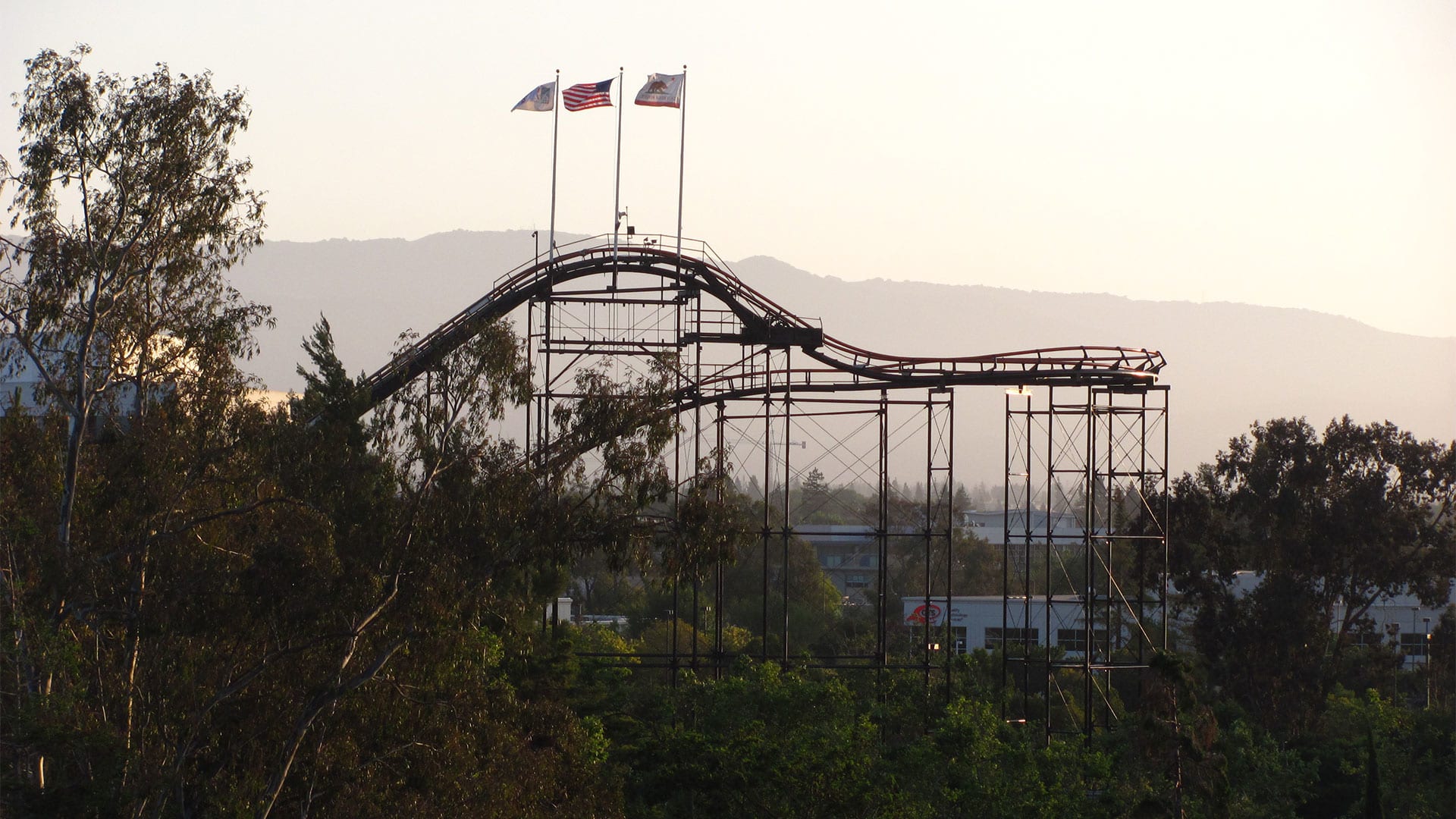
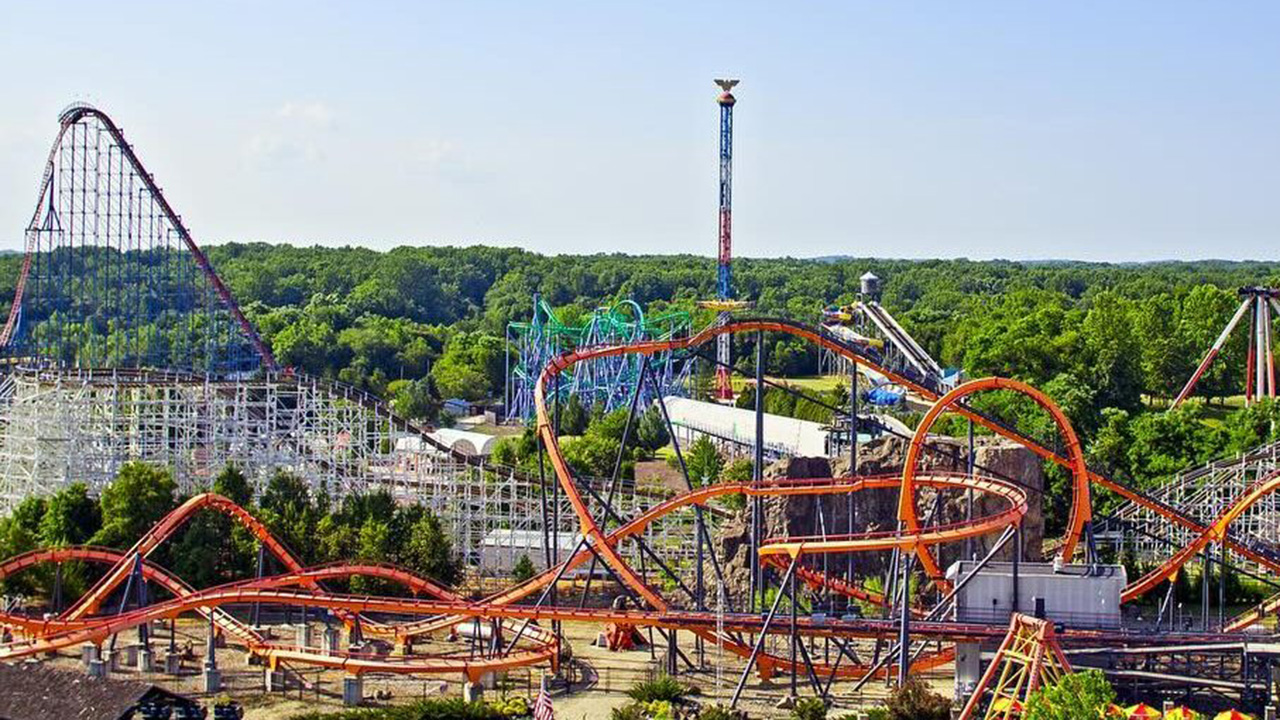
The primary Six Flags presence in California is Six Flags Magic Mountain in Valencia, a park renowned for its extensive collection of roller coasters. The operational status of such a flagship park is a significant indicator. Are rides consistently operational? Is the park clean and well-maintained? Are new attractions being added, or is there a sense of decline? The park’s reputation for thrill rides is a key draw, and any perceived deterioration in this aspect could impact its popularity. It’s also important to distinguish between rumors about specific rides or areas and the overall closure of an entire park. For instance, temporary closures of individual attractions due to maintenance are common in the industry and do not signify a park-wide shutdown. The recent merger discussions with Cedar Fair have also brought scrutiny to the operational efficiency and future investment plans for all parks within the combined entity.
Impact of Competition and Local Market Dynamics
The competitive landscape within California also plays a vital role. The state boasts a robust theme park market, with major players like The Walt Disney Company (operating Disneyland Park and Disney California Adventure Park) and Universal Parks & Resorts (operating Universal Studios Hollywood). These competitors offer different experiences and often have significant brand loyalty. Six Flags Magic Mountain must continually innovate and differentiate itself to remain competitive. The local economic conditions and demographic shifts in the Southern California region can also influence park attendance and profitability. Factors such as disposable income levels, population growth, and the evolving entertainment preferences of families and thrill-seekers are all part of the complex ecosystem in which Six Flags operates.
Addressing the Rumors: Fact vs. Fiction
The perpetual cycle of rumors in the age of social media can make it difficult to discern truth from speculation. When discussing the potential closure of a major attraction like Six Flags California, it’s essential to rely on credible sources of information.
Official Statements and News Releases
The most reliable indicators of a park’s future are official statements from the company itself. Six Flags regularly communicates with its stakeholders through press releases, investor calls, and its official website. Any definitive decisions regarding park closures or significant operational changes would be formally announced through these channels. Until such announcements are made, any claims of impending closure should be treated with skepticism. Examining the news archives and press sections of the Six Flags corporate website can provide historical context and demonstrate the company’s communication patterns during periods of uncertainty.
Industry Analysis and Expert Opinions
Industry analysts and reputable theme park news outlets often provide insightful commentary on the state of the amusement park industry. These sources can offer a more objective perspective, analyzing financial reports, attendance data, and market trends to draw informed conclusions. While these experts may speculate on potential future scenarios, their assessments are typically based on a thorough understanding of the business and the industry’s dynamics. It’s important to distinguish between speculative commentary and confirmed news. Websites dedicated to theme park news and reviews, such as Screamscape or Theme Park Insider, often provide detailed operational updates and analysis that can help readers gauge the health of a particular park or company.

The Impact of the Cedar Fair Merger
The proposed merger between Six Flags and Cedar Fair is a significant development that directly addresses the future of both companies, including their parks in California. This merger, if approved and completed, would create a new entity with a potentially altered strategic direction. While the specifics of how this new entity will manage its portfolio of parks are still unfolding, such large-scale consolidations often lead to reviews of underperforming assets or opportunities for synergy. However, the immediate implication of a merger is typically not the closure of major, well-known parks but rather a consolidation of operations and a re-evaluation of brand positioning and investment priorities. The long-term impact on Six Flags Magic Mountain and any other Six Flags presence in California will depend on the strategic vision of the combined leadership. This merger represents a pivotal moment for the future of the Six Flags brand and its parks across North America.
In conclusion, while the specter of closure for any major attraction can ignite public concern, the current available information suggests that Six Flags California, particularly Six Flags Magic Mountain, remains an operational entity. The future will undoubtedly be shaped by the ongoing merger with Cedar Fair and the company’s continued efforts to adapt to the evolving landscape of the entertainment industry. Enthusiasts should rely on official announcements and credible industry analyses rather than succumbing to unsubstantiated rumors.
LifeOutOfTheBox is a participant in the Amazon Services LLC Associates Program, an affiliate advertising program designed to provide a means for sites to earn advertising fees by advertising and linking to Amazon.com. Amazon, the Amazon logo, AmazonSupply, and the AmazonSupply logo are trademarks of Amazon.com, Inc. or its affiliates. As an Amazon Associate we earn affiliate commissions from qualifying purchases.