
California, a state celebrated for its diverse culinary landscape, from the farm-fresh produce of the Central Valley to the innovative gastropubs of San Francisco, often sparks questions regarding its tax policies. For tourists and residents alike, understanding the nuances of sales tax on food and beverages is crucial for budgeting and making informed purchasing decisions. This exploration delves into the specifics of food taxation in the Golden State, clarifying common misconceptions and outlining the general principles that govern these charges.
Understanding Sales Tax in California
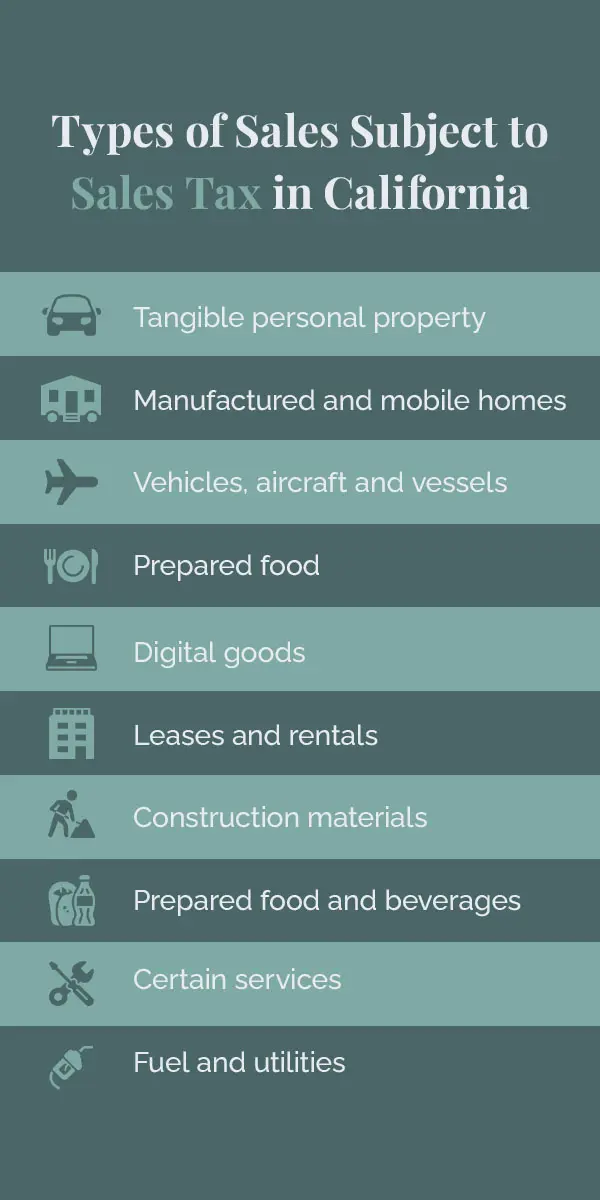
California operates under a statewide sales and use tax. This tax is levied on the retail sale of tangible personal property. While many goods are subject to this tax, certain items are exempt, and the rules can become complex, especially when it comes to food products. The primary goal of sales tax is to generate revenue for the state and its local governments, funding essential public services.
The General Rule for Food Sales
In California, the general rule is that most “food products” sold for consumption off the premises are exempt from sales and use tax. This exemption is a cornerstone of the state’s tax policy, aiming to ease the burden on essential living expenses. This includes a wide array of items typically found in grocery stores, such as:
- Fruits and Vegetables: Fresh, frozen, or canned.
- Meats, Poultry, and Fish: Raw or processed.
- Dairy Products: Milk, cheese, yogurt, butter.
- Grains and Baked Goods: Bread, cereals, pasta.
- Beverages: Water, juice, milk.
This exemption is intended to apply to items that are considered basic sustenance. However, the line between a tax-exempt food product and a taxable prepared food item can sometimes blur, leading to confusion.
What Constitutes “Food Products” for Exemption Purposes?
The California Department of Tax and Fee Administration (CDTFA) provides detailed guidelines on what qualifies as a “food product” for the purpose of sales tax exemption. Generally, if an item is intended to be consumed by a human being, is a food product, and is sold for consumption off the retailer’s premises, it is likely exempt. This broad definition covers a significant portion of grocery store sales.
However, it’s important to note that certain items, even if intended for consumption, may be classified as something other than a basic food product. For instance, dietary supplements, vitamins, and medicines, even if sold in a grocery store, are typically taxable. The CDTFA’s Publication 103, “Sales and Use Tax: Food Products,” is the definitive resource for specific classifications.
When Does Food Become Taxable in California?
The sales tax exemption for food products in California primarily applies to items purchased for consumption off the retailer’s premises. This distinction is critical. When food is sold for immediate consumption on or near the premises where it is sold, it is generally considered a taxable sale of “prepared food.”
Prepared Foods: A Taxable Category
The concept of “prepared food” is where most sales tax on food arises in California. This category includes a wide range of items that are:
- Sold hot or warm: Food that is heated by the seller to be consumed at or near the seller’s premises.
- Sold for consumption on the premises: Even if the food is not heated, if it is sold in a manner that indicates it is for consumption on the seller’s premises (e.g., with plates, cutlery, and seating available), it is typically taxable.
- Two or more food ingredients mixed or combined: This includes items like sandwiches, salads, and soups prepared by the seller.
Examples of commonly taxable prepared foods include:
- Restaurant Meals: Food purchased at sit-down restaurants, fast-food establishments, and cafes for dine-in or take-out.
- Deli Items: Sandwiches, pre-made salads, and hot prepared foods from a deli counter.
- Bakery Goods (sometimes): While a loaf of bread is generally exempt, a slice of cake or a pastry sold for immediate consumption might be considered prepared food.
- Beverages Sold with Meals: Coffee, soda, and other drinks purchased as part of a meal are generally taxable.
The “Slightly Prepared” Distinction
A key area of nuance involves items that are “slightly prepared” but still intended for off-premises consumption. For example, a pre-made sandwich from a grocery store, even though assembled by the retailer, is generally considered a taxable prepared food if it is ready for immediate consumption. Similarly, a salad bar where customers select items and pay by weight might fall into the prepared food category.
The CDTFA’s guidance often hinges on whether the food is sold in a condition for immediate consumption and whether the retailer provides amenities for on-site dining.
Beverages: A Special Case
Beverages are a common area of confusion regarding sales tax. While plain water, milk, and juices are typically tax-exempt food products when purchased for off-premises consumption, other beverages are often taxable.
- Carbonated Beverages (Sodas): All carbonated beverages, including diet sodas and sparkling water, are taxable in California, regardless of where they are consumed.
- Hot Beverages: Coffee, tea, and hot chocolate sold by a restaurant or cafe are generally considered prepared foods and are thus taxable.
- Alcoholic Beverages: Alcohol sales are subject to separate excise taxes in addition to sales tax, and are always taxable as prepared food when sold by a restaurant or bar.
Snacks and Candy
The classification of snacks and candy can also be complex. Generally, candy and confectionery are considered taxable in California. This includes items like chocolate bars, candies, and chewing gum. Snack items like chips, pretzels, and popcorn are also typically subject to sales tax, especially when purchased from establishments where they are prepared or intended for immediate consumption.
Specific Scenarios and Examples
To further clarify the application of food tax in California, let’s consider some common scenarios encountered by travelers and locals:
Grocery Shopping vs. Restaurant Dining
- Grocery Store Purchase: Buying a gallon of milk, a loaf of bread, a pound of apples, and a package of chicken breast from a supermarket like Trader Joe’s or Whole Foods Market for preparation at home would generally result in a tax-free transaction for these specific items.
- Restaurant Meal: Ordering a burger and fries at In-N-Out Burger or a sit-down dinner at a restaurant in Los Angeles would be subject to sales tax on the entire bill, as these are considered prepared foods for immediate consumption.
Take-Out and Delivery Orders
The distinction between off-premises and on-premises consumption is particularly relevant for take-out and delivery orders.
- Take-Out: When you order food from a restaurant for take-out, it is generally considered a sale for consumption off the premises. Therefore, the food itself is typically taxable as prepared food. The tax is applied because the restaurant has prepared the food for immediate consumption.
- Delivery: Similar to take-out, food ordered for delivery is considered a taxable sale of prepared food. Delivery fees themselves may or may not be taxable depending on various factors, but the food item will be subject to tax.
Convenience Stores and Gas Stations
These establishments often sell a mix of taxable and non-taxable items.
- Tax-Exempt: A bottle of water, a carton of milk, or a package of cookies intended for off-premises consumption would likely be tax-exempt.
- Taxable: A hot dog from a roller grill, a prepared sandwich, a cup of coffee, or a fountain soda would be considered taxable prepared foods.
Vending Machines
The taxability of items purchased from vending machines can be complex. Generally, if the item is a food product intended for consumption off the premises, it is tax-exempt. However, if the vending machine dispenses hot food or beverages, or if it is located within a facility that provides seating, the items might be considered taxable.
Farmers’ Markets and Food Trucks
- Farmers’ Markets: Produce purchased directly from farmers at a farmers’ market is typically tax-exempt. However, if a vendor at the market is selling prepared food for immediate consumption (e.g., a taco stand or a creperie), those sales would be taxable.
- Food Trucks: Food trucks operate similarly to restaurants. The food they prepare and sell is generally considered prepared food and is subject to sales tax, regardless of whether you eat it at a nearby park or take it home.
Exemptions and Special Cases
While the general rules are fairly clear, there are always specific situations and exemptions to consider.
Exempt Organizations
Certain sales made by or to qualifying non-profit organizations might be exempt from sales tax. This is a complex area governed by specific statutes and CDTFA regulations.
Occasional Sales
In limited circumstances, individuals or entities making infrequent sales of tangible personal property may qualify for an occasional sale exemption. This typically does not apply to the regular sale of food by businesses.
The Impact of Legislation
Tax laws, including those pertaining to food sales, can change. It is always advisable to refer to the most current publications from the CDTFA or consult with a tax professional for the latest information. For example, changes in legislation could affect the definition of prepared food or introduce new exemptions or taxes.

Navigating Food Tax for Travelers
For visitors exploring the culinary delights of California, from the wineries of Napa Valley to the seafood restaurants of San Diego, understanding these tax implications can aid in financial planning.
- Budgeting: When dining out, factor in the approximately 7.25% to 10.75% (depending on the locality) statewide and local sales tax that will be added to your bill.
- Smart Shopping: If you’re staying in accommodations with kitchen facilities, purchasing groceries for home-cooked meals can be a more cost-effective and tax-advantageous approach for many food items.
- Ask Questions: If you are unsure whether a particular food item is taxable, don’t hesitate to ask the vendor.
In conclusion, while California exempts basic food products intended for off-premises consumption, a significant portion of food sold, particularly prepared foods and certain beverages, is subject to sales tax. Staying informed about these regulations ensures a smoother and more predictable experience for everyone enjoying the vast gastronomic offerings of the state.
LifeOutOfTheBox is a participant in the Amazon Services LLC Associates Program, an affiliate advertising program designed to provide a means for sites to earn advertising fees by advertising and linking to Amazon.com. Amazon, the Amazon logo, AmazonSupply, and the AmazonSupply logo are trademarks of Amazon.com, Inc. or its affiliates. As an Amazon Associate we earn affiliate commissions from qualifying purchases.