
The Golden State Origins of a Beloved Grocery Experience
The question of where a beloved brand originates often sparks curiosity, especially when that brand has cultivated a distinct identity. Trader Joe’s, with its quirky charm, unique product selection, and enthusiastic crew members, is a household name for many shoppers across the [United States]. But is its origin story rooted in the sun-drenched landscapes of [California]? The answer is a resounding yes. Trader Joe’s was indeed founded in [California], a fact that has shaped its ethos and contributed to its widespread appeal, particularly within the West Coast’s vibrant culinary and lifestyle scene. Understanding its [California] roots offers a fascinating glimpse into the company’s philosophy and its enduring connection to its home state.
The Genesis in Pasadena
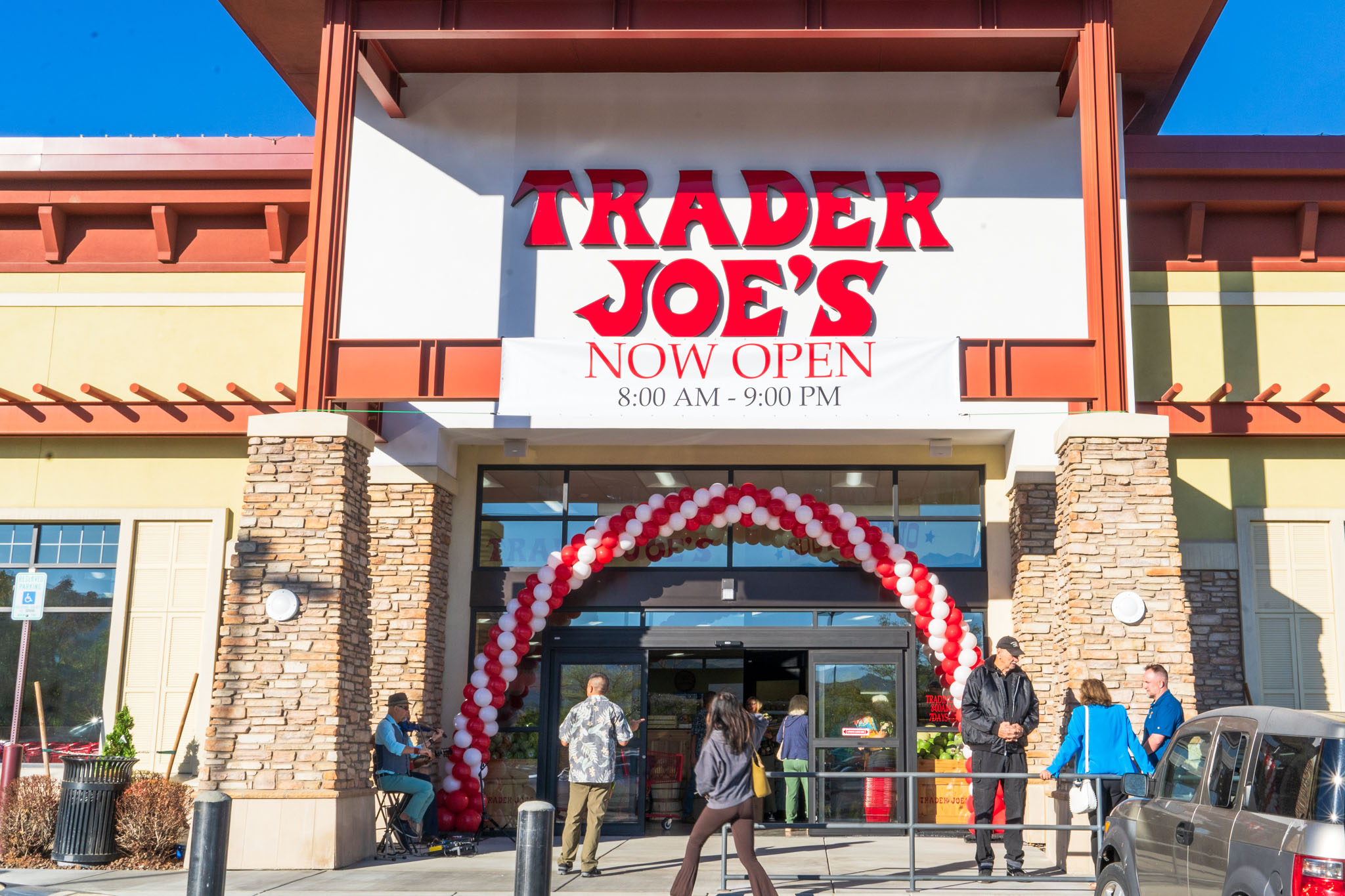
The story of Trader Joe’s begins in [1967] with its founder, Joe Coulombe. Coulombe, an entrepreneur with a vision for a different kind of grocery store, opened the first Trader Joe’s in [Pasadena, California]. At the time, the grocery landscape was dominated by large supermarkets offering a vast, often overwhelming, array of conventional products. Coulombe saw an opportunity to create a more curated, discovery-focused shopping experience. He aimed to offer a smaller selection of high-quality, unique items at affordable prices, differentiating his store from the prevailing giants.
Coulombe’s inspiration for the store’s theme came from a desire to create an exotic, adventurous atmosphere. He was influenced by the romanticism of Polynesian culture and the idea of a “Trader” navigating the world to bring back treasures. This led to the nautical, tropical theme that still defines Trader Joe’s stores today, from the Hawaiian shirts worn by employees to the ship-wheel décor. The name “Trader Joe’s” itself perfectly encapsulated this adventurous spirit. The initial success in [Pasadena] provided the foundation for expansion, proving that there was indeed a market for this novel approach to grocery shopping.
Early Expansion and the [California] Advantage
From its humble beginnings in [Pasadena], Trader Joe’s began a gradual expansion, primarily focusing on the [California] market in its early years. This strategic approach allowed the company to solidify its brand identity and operational model within a familiar and receptive environment. [California] has long been a hub for innovation, particularly in consumer goods and retail. The state’s diverse population, with its embrace of health-conscious eating, ethnic cuisines, and unique culinary trends, provided a fertile ground for Trader Joe’s distinctive product offerings.
The company’s commitment to sourcing unique and often artisanal products resonated well with [Californians], who are known for their discerning palates and appreciation for quality. This early focus on [California] also allowed Trader Joe’s to develop strong relationships with local producers and suppliers, further enhancing its ability to offer distinctive items. The state’s infrastructure and consumer base were instrumental in the brand’s initial growth, setting the stage for its eventual national presence. The laid-back, yet trend-conscious, culture of [California] also seemed to align perfectly with the approachable and slightly whimsical branding of Trader Joe’s.
The Trader Joe’s Experience: A [California]-Born Philosophy
The Trader Joe’s shopping experience is a significant part of its allure, and many of its defining characteristics can be traced back to its [California] origins. The emphasis on a curated selection, rather than overwhelming choice, was a deliberate decision by Joe Coulombe to make grocery shopping less daunting and more enjoyable. This philosophy continues to be a cornerstone of the brand.
Curation and Discovery
Unlike conventional supermarkets that aim to stock every conceivable brand and size of a product, Trader Joe’s deliberately limits its inventory to a few select options. This approach fosters a sense of discovery for shoppers. Instead of being presented with aisles of identical items, customers are encouraged to explore and find new favorites. This strategy also allows Trader Joe’s to maintain higher quality standards and negotiate better prices for the products they do carry. The focus is on quality over quantity, a principle that has a strong following in the [California] market, which often prioritizes artisanal and locally sourced goods.
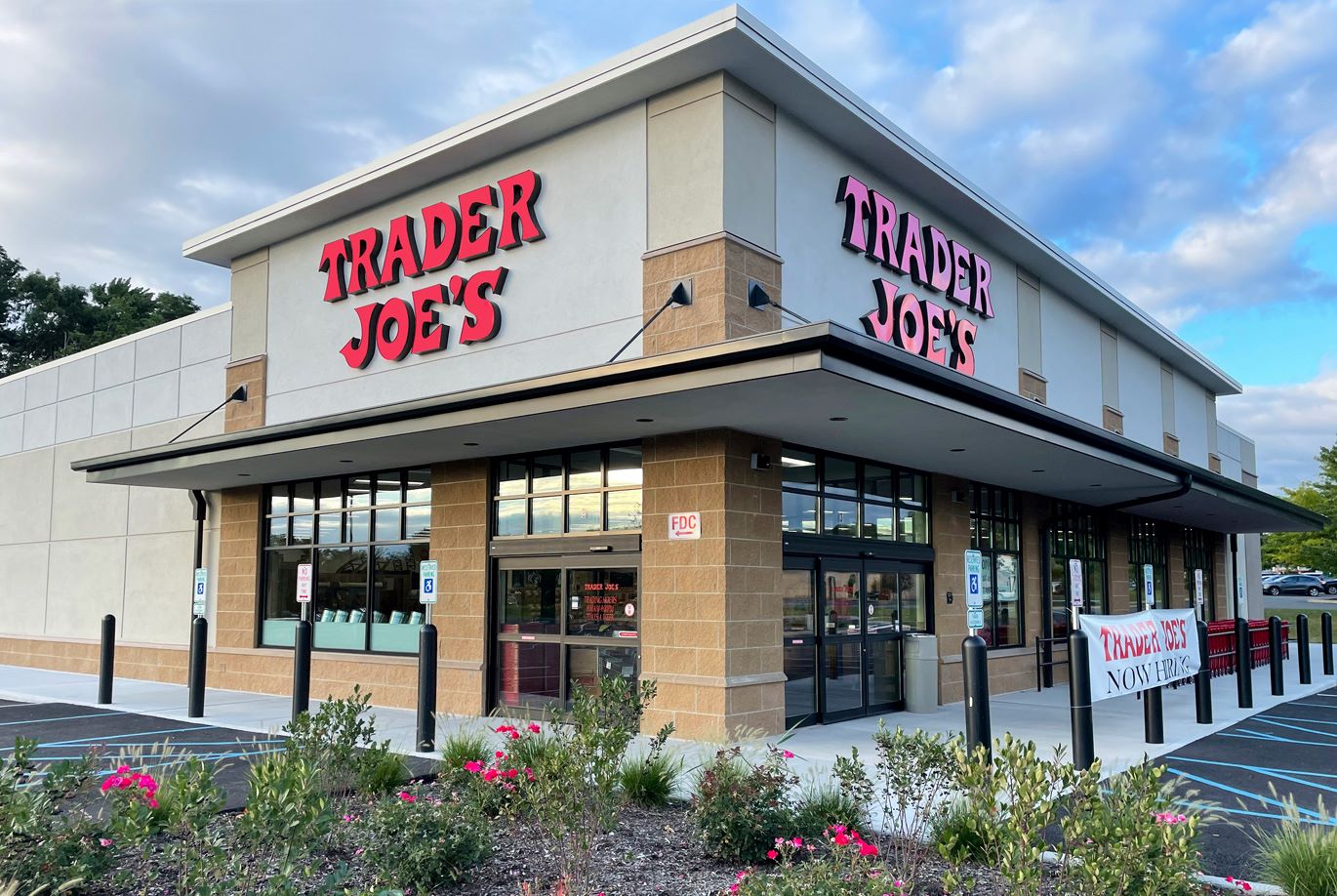
This curated approach extends to the variety of products offered. Trader Joe’s is renowned for its private-label brands, which often feature unique flavor combinations and ingredients not found elsewhere. From “Everything But The Bagel” seasoning to unexpected cookie flavors and international snacks, the product selection invites customers to step outside their culinary comfort zones. This adventurous spirit in product development is deeply ingrained in the [California] ethos of exploration and innovation.
The “Crew” and Customer Service
Another hallmark of the Trader Joe’s experience is the customer service provided by its employees, affectionately known as the “Crew.” The cheerful greetings, the willingness to open products for tasting, and the general sense of helpfulness are intentional. This approach to customer interaction is often associated with the friendly and open demeanor prevalent in many parts of [California]. The company culture encourages employees to be knowledgeable about the products and to engage with customers in a genuine, personable way. This creates a welcoming and unpretentious atmosphere that is a significant draw for shoppers. The “Crew Member” model fosters a team-oriented environment that is often seen as a positive attribute in [California]’s work culture.
Affordable Quality: The [California] Dream
The ability to offer high-quality, unique products at accessible price points is a major reason for Trader Joe’s success. This commitment to “affordable quality” is not accidental. Joe Coulombe understood that for his concept to thrive, it needed to appeal to a broad range of consumers. [California] has a diverse economic landscape, and providing value without compromising on quality is a strategy that resonates across different demographics. The company’s private-label focus allows it to control costs more effectively than if it relied solely on national brands. This has enabled Trader Joe’s to remain a relatively affordable option for specialty and gourmet items, a proposition that is particularly attractive in a state like [California] where the cost of living can be high.
From Local Gem to National Phenomenon
While Trader Joe’s started and largely remained a [California]-centric business for its initial decades, its success eventually paved the way for a significant national expansion. This growth has allowed people across the country to experience the [California]-born grocery concept.
Strategic National Growth
The expansion beyond [California] was a carefully orchestrated process. Rather than rapidly opening stores across the entire country, Trader Joe’s adopted a more measured approach, gradually establishing a presence in new regions. This allowed the company to maintain its quality standards and cultural identity as it grew. The brand’s unique appeal, built on its distinctive products and shopping experience, proved to be transferable to different markets. As people outside of [California] encountered Trader Joe’s, they often found themselves drawn to its difference, its sense of fun, and its emphasis on value.
The company’s ownership structure also played a role in its steady growth. Trader Joe’s is owned by [Aldi Nord], a German private company. This ownership has provided the financial backing for expansion while allowing Trader Joe’s to retain its independent brand identity and operational autonomy, a flexibility that has been crucial to its sustained success and its ability to maintain its core [California]-bred principles.

The Enduring [California] Influence
Even as Trader Joe’s operates hundreds of stores nationwide, the influence of its [California] origins remains palpable. The company’s commitment to fresh, healthy, and often plant-forward options reflects the culinary trends that have long been prominent in [California]. The emphasis on organic and natural products, the availability of a wide array of fruits and vegetables, and the focus on foods that cater to various dietary needs (such as vegan, gluten-free, and dairy-free options) are all in line with the lifestyle embraced by many in the Golden State.
The innovative spirit that characterized its founding in [Pasadena] continues to drive its product development. Trader Joe’s remains a place where shoppers can consistently find new and interesting items, from seasonal specials to unique pantry staples. This constant influx of novel products keeps the shopping experience fresh and exciting, a testament to the company’s enduring [California] DNA. The quirky branding, the friendly service, and the unique product discovery—all elements that define Trader Joe’s—can be traced back to that first store opened by Joe Coulombe in [1967] in the heart of [California]. The brand’s success is a vibrant illustration of how a vision born in one locale can captivate and delight customers across an entire nation, while still carrying the indelible mark of its beginnings.
LifeOutOfTheBox is a participant in the Amazon Services LLC Associates Program, an affiliate advertising program designed to provide a means for sites to earn advertising fees by advertising and linking to Amazon.com. Amazon, the Amazon logo, AmazonSupply, and the AmazonSupply logo are trademarks of Amazon.com, Inc. or its affiliates. As an Amazon Associate we earn affiliate commissions from qualifying purchases.