
In the evolving landscape of cannabis legality and workplace policies, navigating the intricacies of drug testing in California presents a unique set of challenges for both employers and employees. As the Golden State continues to embrace a more progressive stance on cannabis, particularly for medicinal and recreational use, questions surrounding its detectability on drug tests have become increasingly prevalent. This exploration delves into the general acceptability of cannabis use and its implications for standard drug screening protocols within California, focusing on the practicalities for travelers, those seeking accommodation, and individuals engaging with the local tourism scene.
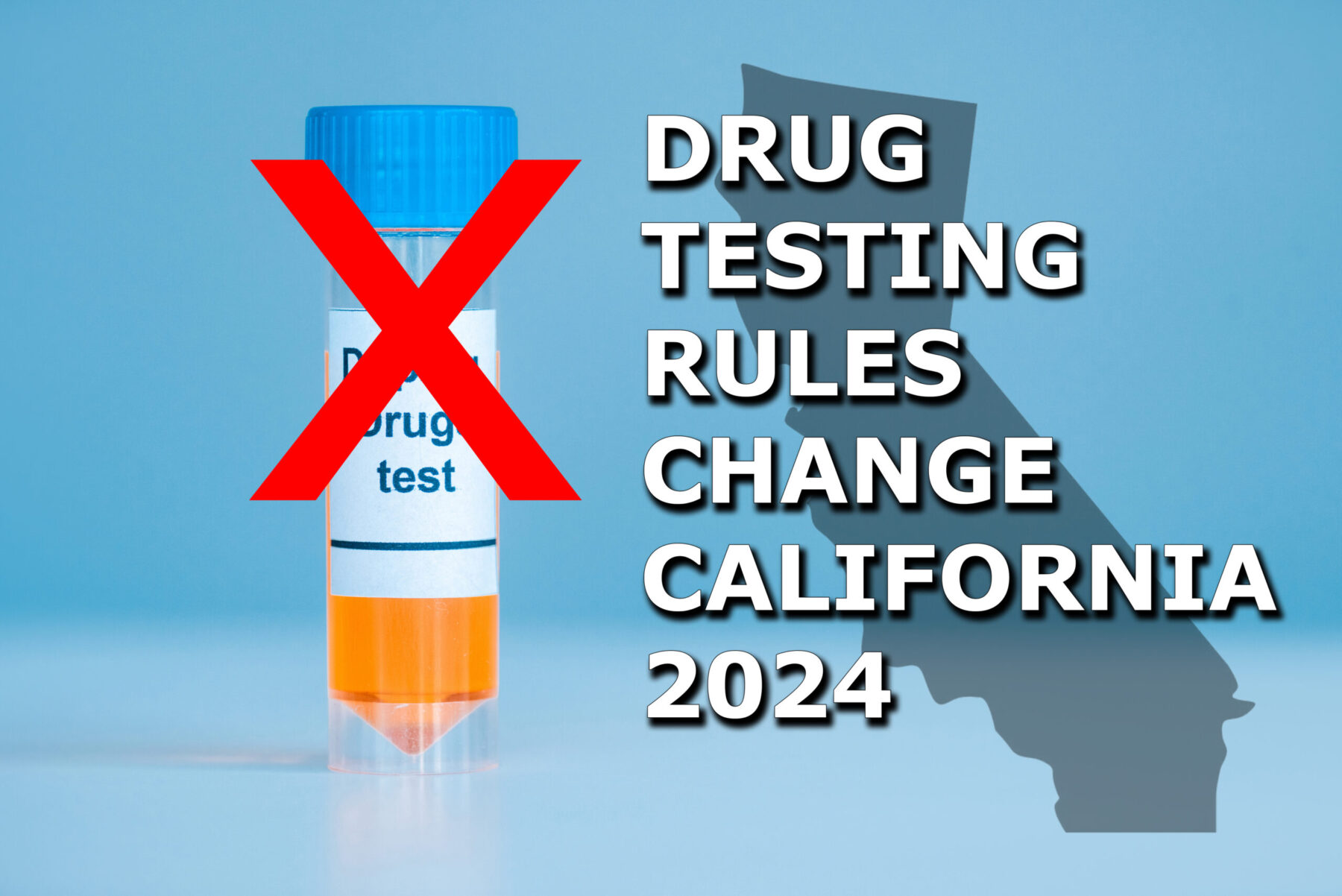
Understanding Cannabis and Drug Testing in California
The legal status of cannabis in California has undergone significant transformations. Since the passage of Proposition 64 in 2016, adult recreational use of cannabis has been legal for individuals aged 21 and over. This shift, coupled with a robust medicinal cannabis program, means that many residents and visitors may consume cannabis. However, the legality of use does not automatically translate to universal acceptance in all settings, especially concerning employment and public safety.
Drug testing, commonly conducted through urine, blood, hair, or saliva samples, remains a standard practice in many industries and for certain regulated positions. The primary psychoactive compound in cannabis, delta-9-tetrahydrocannabinol (THC), and its metabolites are what most drug tests are designed to detect. The detectability of THC can vary significantly based on the type of test, the frequency and amount of cannabis consumed, and individual metabolism.
Types of Drug Tests and Detection Windows
The sensitivity and detection windows of different drug tests are crucial to understanding how cannabis might be identified.
- Urine Tests: These are the most common type of drug test. THC metabolites can be detectable in urine for:
- Occasional users (once or twice a week): 1 to 3 days
- Moderate users (several times a week): 7 to 21 days
- Chronic users (daily or multiple times daily): 30 to 77 days or even longer
- Blood Tests: Blood tests detect the presence of active THC rather than metabolites, making them more indicative of recent use.
- Detectable for up to 2 days for occasional users.
- For heavy users, THC can remain detectable in blood for up to a week or more.
- Saliva Tests: These tests can detect THC for a shorter period, typically within a few hours to 24-48 hours after use. They are often used for roadside testing by law enforcement.
- Hair Follicle Tests: Hair tests have the longest detection window, capable of detecting cannabis use for up to 90 days by analyzing a small sample of hair.
California’s Evolving Stance on Cannabis and Employment
While cannabis is legal for recreational and medicinal use in California, employers are generally permitted to maintain drug-free workplace policies. However, there have been legislative efforts to limit the scope of cannabis testing for off-duty use.
- Assembly Bill 1256 (2021): This bill expanded existing protections, prohibiting employers from taking adverse action against an employee based on a positive test for non-psychoactive cannabis metabolites. This primarily impacts urine tests, which often detect these metabolites rather than THC itself. However, it does not prevent employers from testing for impairment.
- Pre-employment Screening: For pre-employment drug screens, especially for positions where safety is paramount (e.g., operating heavy machinery, commercial driving), employers may still choose to test for cannabis. The interpretation of a positive result can be complex, particularly given the lingering metabolites.
- Impairment vs. Presence: A critical distinction is being made between the presence of cannabis metabolites (indicating past use) and actual impairment (indicating current intoxication). Many employers and testing methodologies struggle to accurately assess impairment.
Practical Considerations for Travelers and Visitors to California
For individuals traveling to California for leisure or business, understanding these nuances is vital, especially if their travel plans involve potential employment or interactions with entities that conduct drug screenings.
Accommodation and Cannabis Use
The vast majority of hotels, resorts, and vacation rentals in California operate under strict policies regarding substance use. While California law permits cannabis consumption, this right generally does not extend to private establishments that have their own rules.
- Hotel Policies: Most hotels prohibit smoking of any kind, including cannabis, within guest rooms or common areas. Designated smoking areas, if available, typically do not permit cannabis. Violations can result in significant cleaning fees.
- Short-Term Rentals: Similar to hotels, short-term rental platforms like Airbnb and their hosts often have explicit rules against smoking cannabis, regardless of its legal status.
- Long-Term Stays: For longer stays, such as in serviced apartments or extended-stay hotels, the same rules generally apply. It’s always advisable to review the property’s specific policies before booking.
When booking accommodation, especially if you plan to consume cannabis, look for properties that explicitly state their smoking policy or consider private rentals where you might have more flexibility, ensuring you adhere to any local ordinances or neighborhood rules.
Tourism and Cannabis-Related Activities
California offers a diverse range of tourist activities, and the presence of legal cannabis has influenced some aspects of its tourism landscape.
- Cannabis Lounges and Tours: Several cities in California, such as Oakland and parts of Los Angeles, have seen the emergence of cannabis lounges and dispensaries that offer a consumption experience. Some companies also offer guided cannabis tours, highlighting dispensaries, cultivation sites, and consumption-friendly venues.
- Public Consumption Laws: It is crucial to remember that public consumption of cannabis remains illegal in most areas of California, similar to alcohol. This includes public parks, sidewalks, and beaches. Violations can result in fines.
- Transportation: If you are using ride-sharing services or public transportation, consuming cannabis before or during your journey is prohibited and can lead to issues with drivers or authorities.
When planning your visit, research specific local ordinances regarding cannabis consumption. While it’s legal to possess and purchase cannabis in California for adults 21+, responsible and discreet consumption is key to avoiding legal entanglements.
Navigating Employment and Testing in California
The intersection of cannabis legality and employment in California remains a complex area. For individuals seeking employment or undergoing periodic testing, understanding their rights and the employer’s capabilities is paramount.
Key Protections for Employees
While employers can enforce drug-free workplace policies, legislative changes have introduced important protections for employees.
- Off-Duty Use Protection: As mentioned, AB 1256 provides some protection against adverse employment actions based solely on a positive urine test for non-psychoactive cannabis metabolites. This means that if a test only detects metabolites and not active THC, an employer might not be able to penalize an employee.
- Impairment Testing: The focus is increasingly shifting towards testing for actual impairment rather than just the presence of THC. However, standardized and universally accepted impairment tests for cannabis are still under development and are not as common as traditional drug screens.
- Exceptions: Certain safety-sensitive positions, jobs regulated by federal law (e.g., Department of Transportation regulations for commercial drivers), or those requiring security clearances may still be subject to more stringent drug testing policies, including for cannabis.
What Employers Can and Cannot Do
Employers in California generally have the right to:
- Prohibit the use, possession, sale, or distribution of cannabis in the workplace.
- Require employees to submit to drug tests under specific circumstances, such as for pre-employment screening, reasonable suspicion of impairment, or post-accident investigations.
- Take disciplinary action, up to and including termination, for violations of their drug-free workplace policy, provided it aligns with state law.
However, they generally cannot:
- Discipline an employee solely based on a positive test for cannabis metabolites if they are not impaired and the test does not indicate impairment.
- Prohibit employees from consuming cannabis off-duty, unless it interferes with their job performance or violates a specific, legally defensible policy.

Best Practices for Individuals
For anyone working or seeking to work in California, especially in roles where drug testing is common, adhering to the following is advisable:
- Understand Your Employer’s Policy: Familiarize yourself with your employer’s specific drug and alcohol policy.
- Consume Responsibly: If you choose to consume cannabis, do so responsibly and in accordance with California law. Avoid consumption before or during work hours, and be mindful of potential lingering effects.
- Know Your Rights: Be aware of the protections afforded to you under California law regarding cannabis testing and employment.
- Consult Legal Counsel: If you are facing disciplinary action related to a drug test, consider consulting with an employment attorney specializing in California labor law.
In conclusion, while cannabis is legal in California, its “acceptability” on drug tests is nuanced and heavily dependent on the context. For travelers, accommodation seekers, and those engaging with tourism, it’s about respecting private property rules and public consumption laws. For employees, it involves understanding evolving legal protections and employer policies, with a growing emphasis on impairment rather than mere presence. As the legal framework continues to mature, staying informed remains the most effective strategy for navigating this complex terrain.
LifeOutOfTheBox is a participant in the Amazon Services LLC Associates Program, an affiliate advertising program designed to provide a means for sites to earn advertising fees by advertising and linking to Amazon.com. Amazon, the Amazon logo, AmazonSupply, and the AmazonSupply logo are trademarks of Amazon.com, Inc. or its affiliates. As an Amazon Associate we earn affiliate commissions from qualifying purchases.