
The term “ghetto” carries significant historical weight and often evokes images of urban decay, poverty, and social marginalization. When applied to a suburban city like Whittier, California, it immediately raises questions about perception, reality, and the complex socio-economic landscape of Southern California. This exploration delves into the common perceptions that might lead some to question Whittier’s status, while offering a more nuanced understanding of the city’s demographics, amenities, and overall appeal as a travel destination. It’s crucial to approach such discussions with sensitivity, recognizing that labels can oversimplify diverse communities.
Understanding Perceptions and Realities
The question itself, “Is Whittier, California Ghetto?”, likely stems from a variety of factors, some more grounded in observation than others. Often, the perception of a place being “ghetto” is tied to observable indicators such as:

- Socio-economic indicators: This might include median income levels, poverty rates, unemployment figures, and the prevalence of subsidized housing.
- Physical appearance: Dilapidated buildings, graffiti, litter, and a general lack of upkeep in certain areas can contribute to negative perceptions.
- Crime rates: Higher rates of reported crime, particularly violent crime, can lead to a community being labeled as unsafe or undesirable.
- Demographics: Sometimes, negative stereotypes become attached to specific racial or ethnic groups, leading to prejudiced assumptions about the areas they inhabit.
It is vital to dissect these potential perceptions and compare them against factual data and the lived experiences of Whittier’s residents and visitors. A comprehensive assessment requires looking beyond surface-level observations and engaging with the multifaceted nature of urban and suburban environments. The goal is not to label, but to understand the layers that contribute to a place’s reputation and its reality on the ground.
Socio-Economic Landscape
To address the question directly, an examination of Whittier’s socio-economic profile is essential. As a city in Los Angeles County, it shares in the broader economic trends of the region. According to available data, Whittier has a diverse population with a range of income levels. While certain neighborhoods might exhibit lower median incomes or higher poverty rates, this is a characteristic shared by many cities across the country, including affluent ones.
- Median Household Income: The median household income in Whittier generally reflects a middle-class demographic, with variations across different zip codes within the city. This income bracket is a far cry from the severe economic deprivation often associated with the term “ghetto.”
- Poverty Rates: While poverty exists, the rates in Whittier do not typically align with the exceptionally high percentages that would justify such a label. Community support programs and social services are in place, indicative of a city addressing the needs of its residents, rather than one in a state of complete neglect.
- Employment: The city benefits from its proximity to major employment centers in Los Angeles and surrounding areas, offering residents a range of employment opportunities. This economic connectivity is a sign of a functioning, integrated community.
Physical Environment and Urban Development
The physical appearance of a city plays a significant role in public perception. When considering Whittier, it’s important to look at its urban planning, infrastructure, and the general upkeep of its public spaces and private properties.
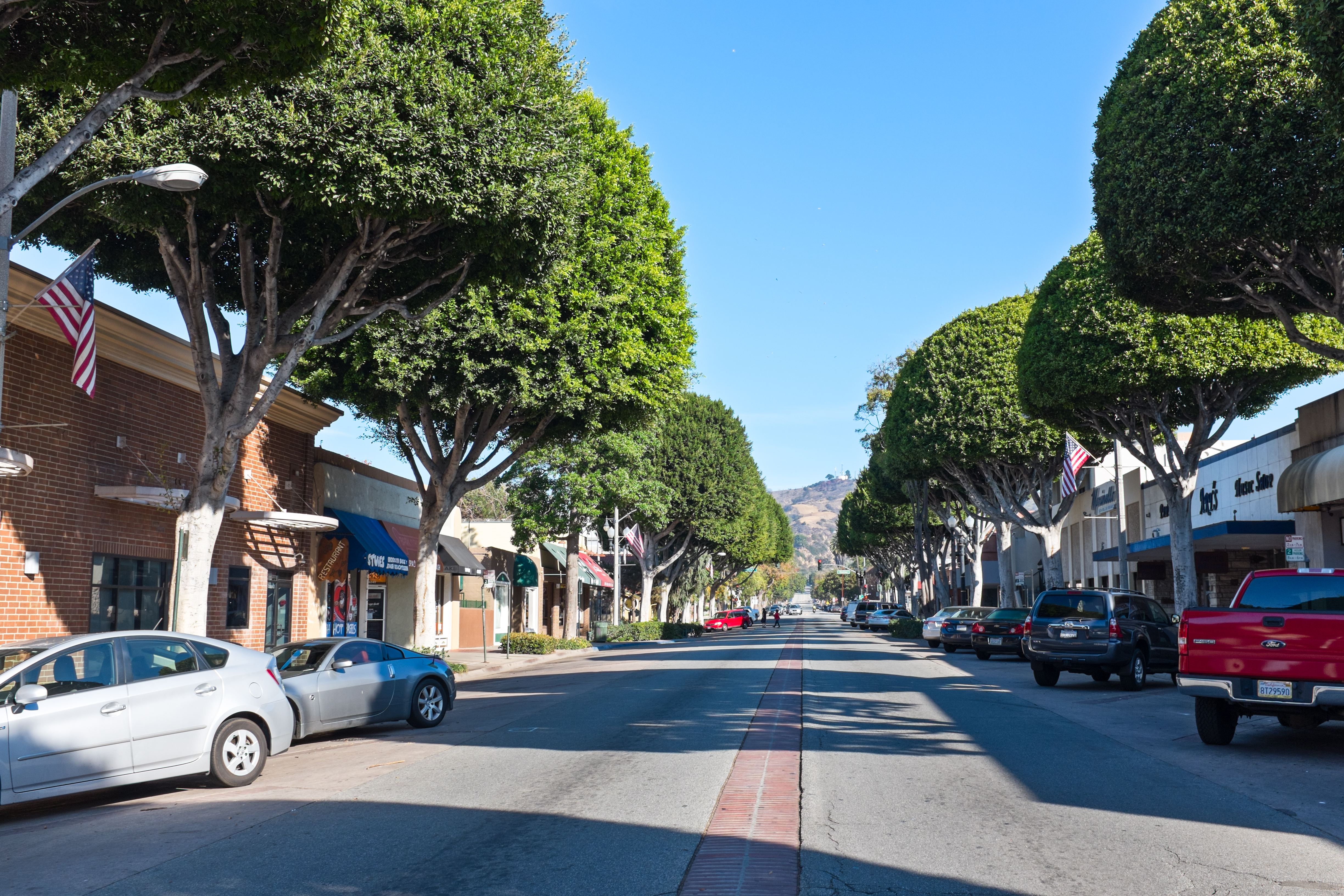
- Architecture and Infrastructure: Whittier boasts a mix of architectural styles, reflecting its history and development over time. It features well-maintained residential areas, a revitalized downtown district, and various commercial centers. The presence of parks, community centers, and public facilities suggests investment in the city’s infrastructure and quality of life.
- Green Spaces: The city offers numerous parks and recreational areas, contributing to a pleasant living environment. These green spaces are often indicative of a community that values outdoor activities and the well-being of its residents, which is not typically a characteristic of areas deemed “ghetto.”
- Graffiti and Litter: While isolated incidents of graffiti or litter can occur in any urban or suburban setting, they are not pervasive issues that define Whittier. The city’s public works departments and community initiatives often work to maintain cleanliness and address vandalism, reflecting a proactive approach to urban aesthetics.
Whittier as a Destination: Beyond the Label
Shifting the focus from potentially misleading labels to the tangible experiences a visitor can have, Whittier presents itself as a city with a unique character and a range of attractions. For the traveler seeking an authentic experience of Southern California, away from the hyper-commercialized tourist hubs, Whittier offers a compelling alternative.
Exploring Local Culture and History
Whittier has a rich history that predates its modern suburban development. Founded by Quakers in the late 19th century, the city retains a sense of community and historical significance.
- The Whittier Museum: This institution offers a glimpse into the city’s past, showcasing artifacts and exhibits that tell the story of its founding, development, and prominent residents. Understanding this history provides context for the city’s current identity.
- Historic Uptown Whittier: The downtown area, often referred to as “Uptown,” is a hub of activity with a variety of independent shops, restaurants, and historic buildings. It’s a place where one can experience the local flavor and appreciate the city’s architectural heritage. The preserved facades of many buildings harken back to a different era, adding charm and character.
- Cultural Diversity: Like much of Southern California, Whittier is home to a diverse population, contributing to a vibrant cultural tapestry. This diversity is reflected in its cuisine, community events, and the general atmosphere of the city.
Activities and Experiences for Visitors
For travelers looking for things to do in Whittier, the city offers a blend of urban amenities and natural beauty.
- Pio Pico State Historic Park: This park preserves the adobe home of Pio Pico, the last governor of Mexican California. It’s a significant historical landmark, offering insights into California’s pre-statehood era and its Spanish and Mexican heritage. The park itself provides a peaceful escape with its gardens and historical structures.
- Whittier Greenway Trail: This popular trail is a testament to the city’s commitment to active living and outdoor recreation. Paved and accessible, it winds through various neighborhoods, offering opportunities for walking, jogging, and cycling. It’s a great way to see different parts of the city and enjoy its natural surroundings.
- Dining and Shopping in Uptown: The revitalized Uptown Whittier area is a prime destination for experiencing local gastronomy and unique retail. Visitors can find everything from casual eateries to more upscale dining options, as well as boutique shops offering artisanal goods and local crafts.
Addressing Stereotypes and Promoting Understanding
The label “ghetto” is often applied inaccurately and unfairly to communities based on prejudice, misinformed perceptions, or an oversimplification of complex socio-economic factors. It’s important to critically examine the origins of such labels and to promote a more nuanced understanding of places like Whittier.
The Impact of Negative Labeling
Applying a derogatory term like “ghetto” can have several negative consequences:
- Discouraging Tourism and Investment: Such labels can deter potential visitors, businesses, and residents from exploring or investing in the community, hindering its economic growth and development.
- Stigmatizing Residents: It unfairly stigmatizes the people who live in the area, perpetuating negative stereotypes and contributing to social division.
- Oversimplifying Complex Issues: It reduces a community’s identity to a single, often inaccurate, descriptor, ignoring the diversity of its residents, its history, and its positive attributes.
A Balanced Perspective
To foster a balanced understanding, it’s essential to:
- Seek factual information: Rely on reliable data regarding demographics, economics, and crime statistics rather than hearsay or anecdotal evidence.
- Experience the place firsthand: The best way to understand a community is to visit it, interact with its residents, and experience its offerings.
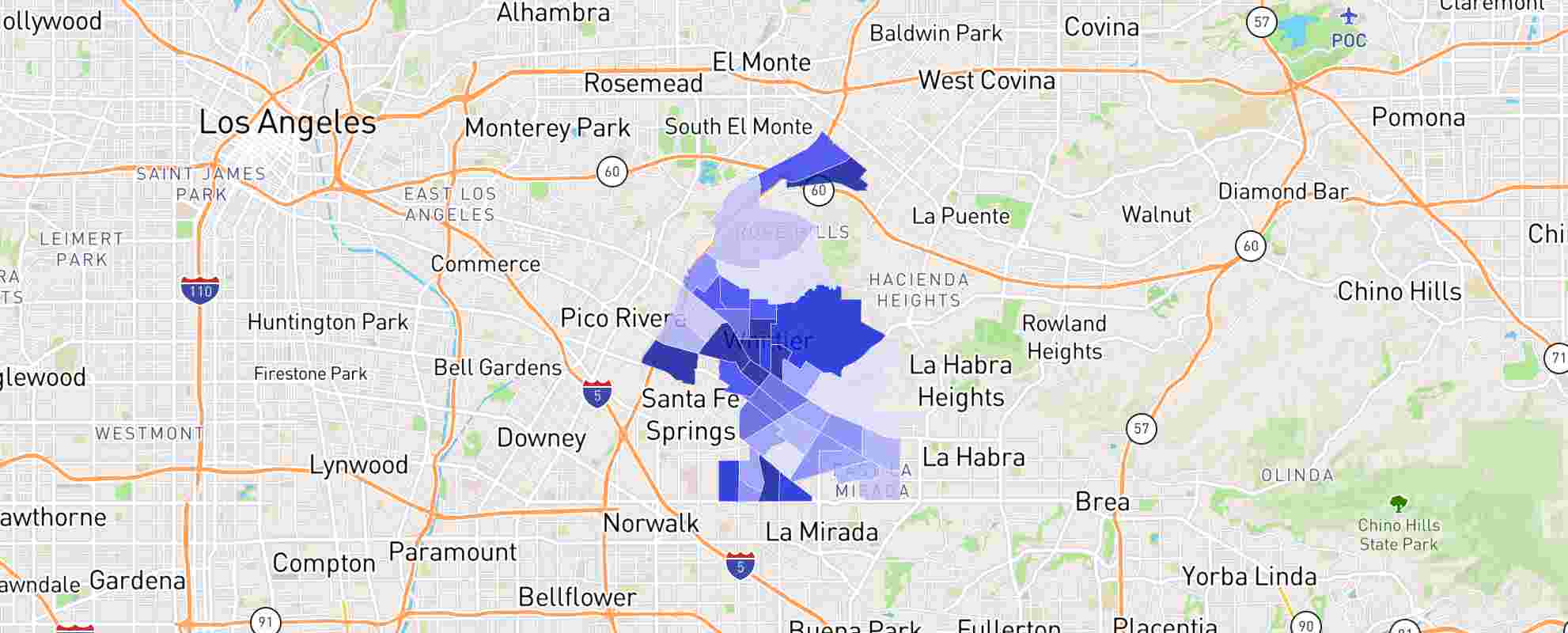
- Recognize diversity within cities: Every city, regardless of its overall reputation, contains a spectrum of neighborhoods, economic conditions, and lifestyles. Whittier is no exception to this rule.
In conclusion, while the question of whether Whittier, California is “ghetto” might arise from certain perceptions, a closer examination of its socio-economic realities, urban development, and its offerings as a destination reveals a city that is far more complex and appealing than such a label would suggest. It is a community with a rich history, a diverse population, and a commitment to providing a good quality of life for its residents, making it a worthwhile place to visit and explore.
LifeOutOfTheBox is a participant in the Amazon Services LLC Associates Program, an affiliate advertising program designed to provide a means for sites to earn advertising fees by advertising and linking to Amazon.com. Amazon, the Amazon logo, AmazonSupply, and the AmazonSupply logo are trademarks of Amazon.com, Inc. or its affiliates. As an Amazon Associate we earn affiliate commissions from qualifying purchases.