
Navigating the complexities of sales tax is an essential part of responsible financial planning, especially when embarking on a journey or making significant purchases in a state like California. For a tourist or a visitor looking to acquire an item priced at $150.00, understanding the tax implications can significantly impact their overall budget and shopping experience. This guide delves into the typical sales tax structure in California for a $150.00 purchase, outlining the components of the tax, how it’s calculated, and regional variations that might affect the final cost.
Understanding California Sales Tax
California has a statewide sales and use tax rate, but this is augmented by local district taxes, leading to a variable total tax rate depending on the specific city and county. The sales tax is levied on the retail sale of tangible personal property, meaning most physical goods you purchase. The use tax, conversely, applies to items purchased outside of California for use within the state, where sales tax was not paid at the point of purchase. For a visitor, the primary concern will be sales tax on items bought within the state.
The Base Rate and Local Additions
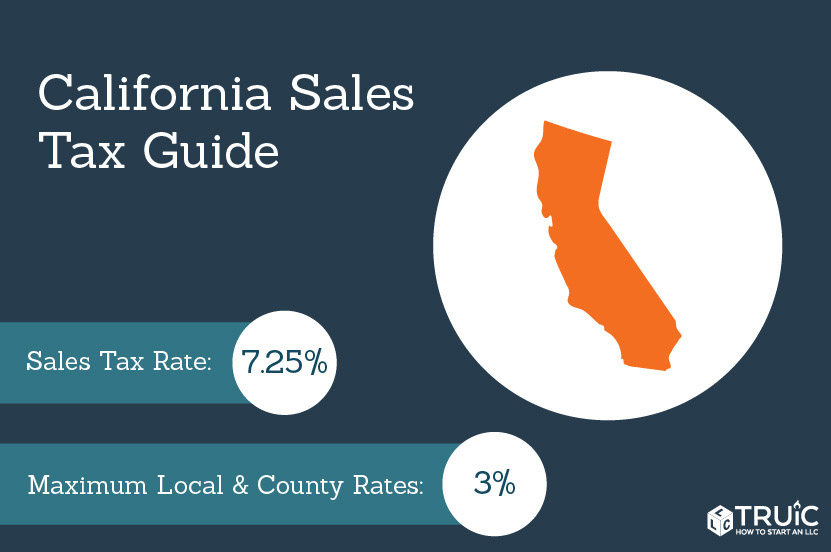
The state of California sets a baseline statewide sales and use tax rate. As of recent adjustments, this base rate is 7.25%. However, this figure is rarely the final rate a consumer pays. Numerous local jurisdictions, including counties, cities, and special districts, impose additional district taxes to fund local services such as public transportation, infrastructure improvements, and public safety initiatives. These district taxes are added to the state rate, creating a cumulative tax burden that can vary considerably across different parts of the state.
For instance, a purchase made in a major metropolitan area like Los Angeles or San Francisco will likely incur a higher total tax rate than a purchase made in a more rural county due to the presence of various local taxing districts. These district taxes can range from fractions of a percent to several percentage points.
Calculation for a $150.00 Item
To calculate the sales tax on a $150.00 item, one must first determine the applicable total tax rate for the location of the purchase. Let’s use an example to illustrate. Suppose you are shopping in a city within Los Angeles County where the combined state and local sales tax rate is 9.5%.
The calculation would be as follows:
- Identify the purchase price: $150.00
- Determine the total tax rate: 9.5% (or 0.095 in decimal form)
- Calculate the sales tax amount: $150.00 * 0.095 = $14.25
- Calculate the total cost: $150.00 (item price) + $14.25 (sales tax) = $164.25
Therefore, for an item priced at $150.00 in this hypothetical Los Angeles County location, the consumer would pay $164.25, with $14.25 being sales tax.
It’s important to note that different counties and even cities within those counties can have vastly different tax rates. For example, a shopper in San Diego County might encounter a different rate than someone in Orange County. This variability underscores the importance of checking local tax rates before making significant purchases.
Factors Influencing Sales Tax Rates
Several factors contribute to the fluctuating sales tax rates across California, impacting the final cost of a $150.00 item. These include the specific county, city, and any special district taxes that may be in effect.
County-Specific Rates
Each of California’s 58 counties has a base rate which includes the state portion. However, many counties have voter-approved district taxes that are added to this base. For instance, Alameda County has a different set of district taxes compared to Santa Clara County, leading to distinct total rates for shoppers within each county.
City and Special District Taxes
Beyond the county level, cities themselves can impose their own local taxes, and various special districts within a county may also levy additional taxes. These might be for specific projects like a transit district, a redevelopment agency, or a library district. The combination of these multiple layers of taxation is what creates the highly variable tax landscape in California.
For a $150.00 purchase, a small difference in the tax rate can translate into a noticeable difference in the final price. A 1% difference in tax rate on a $150.00 item is $1.50. While this might seem minor for a single transaction, for shoppers making multiple purchases during their visit, these increments can add up.

The California Department of Tax and Fee Administration (CDTFA)
The primary authority responsible for administering sales and use taxes in California is the California Department of Tax and Fee Administration (CDTFA). The CDTFA publishes current sales and use tax rates for all jurisdictions. Retailers are required to collect sales tax based on the rate in effect at the retailer’s place of business or the destination of the shipment, depending on the nature of the sale. For a tourist making a direct purchase in a physical store, the tax rate of that store’s location applies.
Where to Find the Most Accurate Tax Information
Given the dynamic nature of sales tax rates in California, it is crucial for consumers to have access to reliable information to accurately estimate their spending. This is particularly important for travelers who may not be familiar with the local tax structures of the destinations they are visiting.
Online Resources and Tools
The California Department of Tax and Fee Administration (CDTFA) website is the most authoritative source for up-to-date sales and use tax rate information. They provide searchable databases and publications that detail the rates for every city and county in the state. Many retail websites and consumer-focused financial planning sites also offer calculators or lookup tools that can provide an estimate of the sales tax for a given California zip code.
When planning a trip that involves shopping, a quick search of the destination’s zip code on the CDTFA website or a reputable tax calculator can save a traveler from unexpected costs. For example, if you are planning to visit Disneyland in Anaheim, checking the sales tax rate for that specific area will give you a clear picture of the additional cost on any souvenirs or purchases you make.
Understanding Exemptions and Special Cases
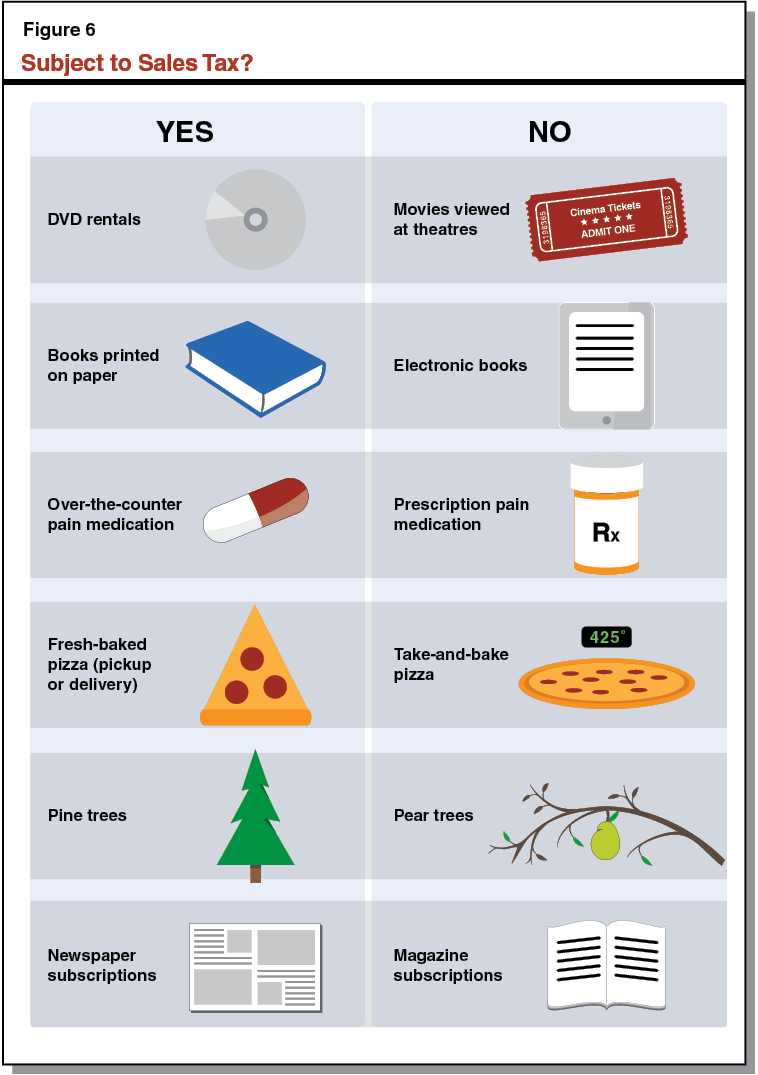
While most tangible goods are subject to sales tax, there are certain exemptions and special circumstances that can affect the final price. For instance, essential groceries intended for home consumption are generally exempt from state sales tax, although some local taxes may still apply. Prescription medications are also exempt.
For a $150.00 item, it’s less likely to fall into a common exemption category unless it’s a specific type of educational material or medical equipment, which would be an exception rather than the norm. Most common tourist purchases like clothing, electronics, souvenirs, and dining out (on prepared food) are fully taxable.
Visitors should also be aware of use tax. If an item is purchased online from an out-of-state retailer that does not collect California sales tax, the buyer is legally obligated to pay the equivalent use tax to the state. This ensures that sales and use taxes are equitable across all transactions involving goods used within California.
Planning Your Budget and Maximizing Value
For a visitor to California, a $150.00 item represents a moderate expenditure. Understanding the tax implications allows for more precise budgeting and can influence purchasing decisions, especially when comparing prices across different cities or even different neighborhoods within a large city like Los Angeles.
Strategic Shopping Locations
While California generally has high sales tax rates, there can be variations. If a visitor is making a significant purchase and their travel plans allow for flexibility, they might consider shopping in areas with slightly lower district taxes. However, the difference in total tax rate between neighboring cities or counties is often modest, and the convenience of purchasing at a desired location may outweigh the minor savings.
For example, if a traveler is staying in a hotel in San Francisco and considering a $150.00 purchase, they should factor in the city’s and county’s combined sales tax rate. A quick check reveals that San Francisco has one of the highest combined rates in the state, often exceeding 10%. This means a $150.00 item could end up costing closer to $165.00 or more.
Considering Tourist-Oriented Purchases
Many tourists engage in buying souvenirs, apparel, or dining experiences. For a $150.00 budget, this could cover a nice piece of artisan jewelry from a boutique in Carmel-by-the-Sea, a quality piece of clothing from a store in Beverly Hills, or a meal at a renowned restaurant in Napa Valley. In each scenario, the sales tax will be an additional layer to the listed price.
It’s also worth noting that some businesses, particularly those catering to tourists in high-traffic areas like near attractions such as Alcatraz Island or along the Santa Monica Pier, might have slightly higher base prices for their goods to account for higher operating costs, in addition to collecting the standard sales tax for their jurisdiction.
Making Informed Decisions
Ultimately, being aware of the sales tax on a $150.00 item in California empowers consumers to make informed decisions. It allows for realistic budgeting, helps in comparing prices effectively, and avoids any unpleasant surprises at the checkout counter. Whether purchasing a memento of a trip to Yosemite National Park or a new gadget, a clear understanding of the tax landscape ensures a smoother and more enjoyable shopping experience.
LifeOutOfTheBox is a participant in the Amazon Services LLC Associates Program, an affiliate advertising program designed to provide a means for sites to earn advertising fees by advertising and linking to Amazon.com. Amazon, the Amazon logo, AmazonSupply, and the AmazonSupply logo are trademarks of Amazon.com, Inc. or its affiliates. As an Amazon Associate we earn affiliate commissions from qualifying purchases.