
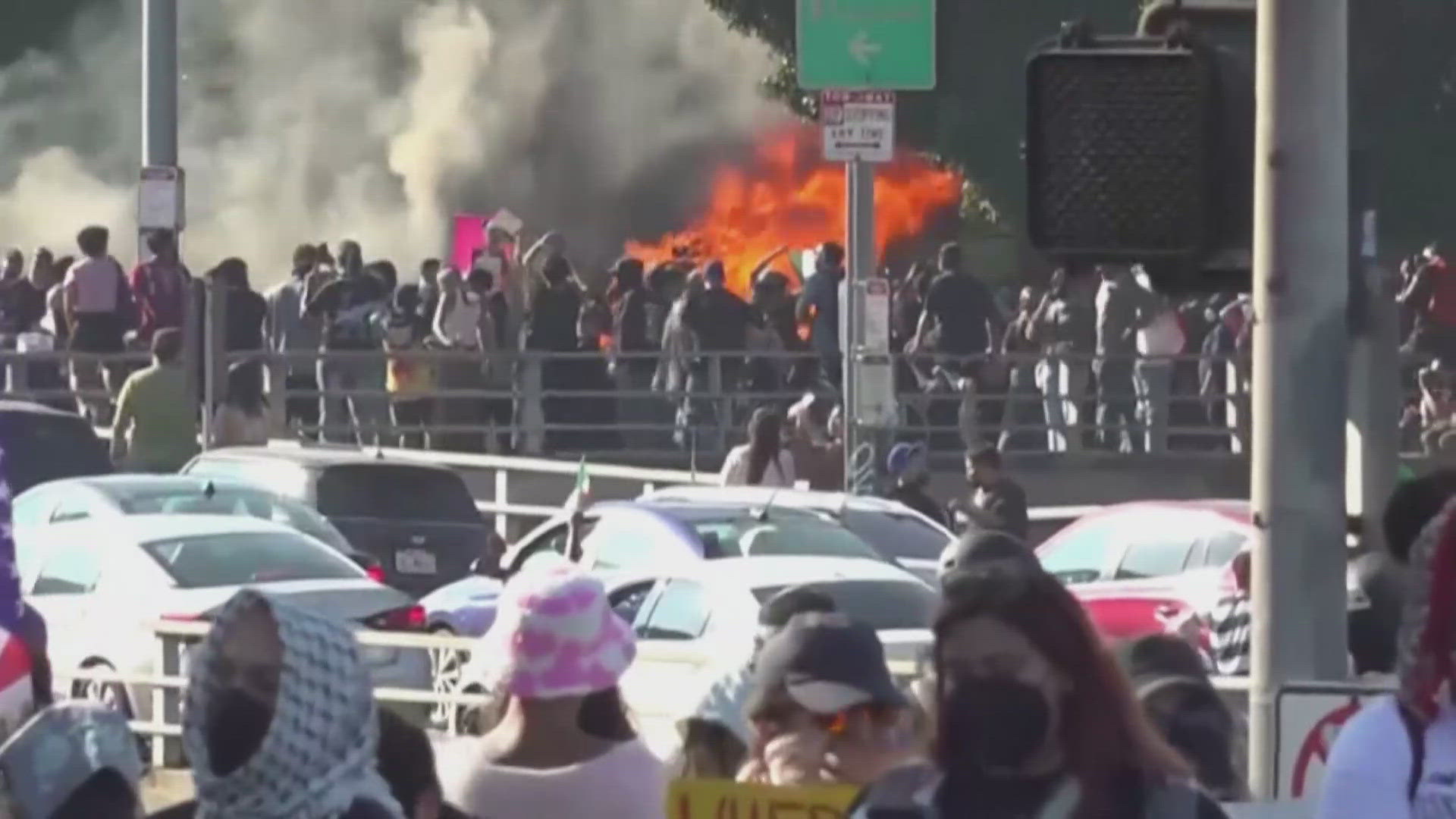
The subject of riots in California is a complex and often misunderstood topic, particularly for those outside the state or unfamiliar with its intricate social and political landscape. While sensationalized media coverage can paint a broad, often inaccurate, picture, understanding the underlying causes requires a nuanced approach that delves into the historical, economic, and social factors at play. To properly frame this discussion within a tourism context, it is essential to acknowledge that such events, while unfortunate, can sometimes intersect with the visitor experience or influence perceptions of a destination. However, our focus here will be on understanding the deeper societal currents that lead to such unrest, as these are the bedrock upon which any authentic understanding of a place, its culture, and its people is built. For the discerning traveler, appreciating these complexities enriches the travel experience, moving beyond superficial sightseeing to a deeper engagement with the realities of a region.
Historical Roots of Social Unrest in California
California, often idealized as a land of sunshine and opportunity, has a long and multifaceted history marked by periods of significant social and economic upheaval. These historical currents have often been the crucible in which present-day tensions are forged. Understanding these past events provides crucial context for understanding why certain communities, particularly in cities like Los Angeles and Oakland, have experienced periods of intense public protest and, at times, rioting.
The Civil Rights Era and its Echoes
The Civil Rights Movement of the mid-20th century profoundly impacted California, just as it did the rest of the United States. Issues of racial segregation, discriminatory housing practices, and police brutality were rampant, particularly in urban centers with large minority populations. The Watts Riots of 1965 in Los Angeles are a stark reminder of the simmering resentments that boiled over due to systemic injustices. These events, triggered by an incident of alleged police misconduct, highlighted deep-seated anger over poverty, unemployment, and a lack of political power within the African American community. The legacy of these struggles continues to inform contemporary discussions about race, equity, and law enforcement in California.
Economic Disparities and Labor Movements
California’s economic landscape has always been characterized by vast disparities. From the Gold Rush era’s boom-and-bust cycles to the present-day tech industry’s influence, the state has experienced rapid economic growth alongside significant periods of recession and inequality. This has fueled a history of labor activism and protest. For instance, the agricultural sector has seen numerous strikes and demonstrations by farmworkers fighting for better wages and working conditions. These economic struggles, particularly those affecting low-wage workers and marginalized communities, can become flashpoints for broader social unrest when combined with other grievances. The perception of an economic system that benefits a select few at the expense of many is a recurring theme.
The Impact of Immigration and Demographics
California is a state defined by its diversity, a melting pot of cultures and peoples from around the globe. While this diversity is a source of strength and cultural richness, it has also, at times, led to social friction and competition for resources. Historical waves of immigration have often been met with resistance, and periods of economic strain can exacerbate tensions between different ethnic and cultural groups. The ongoing debate around immigration policy, the challenges faced by new arrivals in finding employment and housing, and the cultural integration process all contribute to the complex social fabric of the state, influencing the potential for unrest.
Contemporary Drivers of Social Unrest
While historical factors provide the backdrop, contemporary events and ongoing societal issues are often the immediate triggers for protests and riots in California. These drivers are often interconnected, creating a potent mix that can erupt into public demonstrations.
Police Brutality and Racial Injustice
Perhaps the most prominent and recurring driver of riots and protests in recent years has been incidents of police brutality and perceived racial injustice. The killings of unarmed individuals, particularly African Americans and Latinos, by law enforcement officers have sparked widespread outrage and fueled movements like Black Lives Matter. The George Floyd protests in 2020, which saw significant demonstrations across California, including in Los Angeles, San Francisco, and Sacramento, are a testament to the deep-seated anger and demand for police reform and accountability. These events often lead to peaceful protests that, in some instances, can escalate into more destructive behavior due to a variety of factors, including the presence of agitators, frustration with the pace of change, and confrontations with law enforcement.

Economic Inequality and the Cost of Living
California is notorious for its high cost of living, particularly in major metropolitan areas like Los Angeles, San Francisco, and San Diego. The widening gap between the wealthy and the working class, coupled with soaring housing costs, has created immense economic pressure on many residents. This economic precarity, especially when perceived as a result of exploitative economic policies or a lack of opportunity, can fuel resentment and frustration. When combined with other grievances, it can serve as a powerful motivator for protests, with property destruction sometimes seen as a desperate act to draw attention to economic desperation.
Political Disenfranchisement and Lack of Representation
Many communities in California, particularly those that are low-income or minority-based, feel politically disenfranchised. They may perceive that their voices are not heard by elected officials, or that the political system is rigged against them. This feeling of powerlessness can lead to a sense of alienation and a belief that more drastic measures are necessary to effect change. Protests and riots can, in some cases, be seen as a way to disrupt the status quo and force a reckoning with issues that have been ignored by the mainstream political process.
Social Media and Information Dissemination
In the modern era, social media plays a significant role in the organization and amplification of protests. Platforms like Twitter and Facebook can be used to quickly mobilize large groups of people, share information about events, and spread awareness of grievances. While this can facilitate peaceful assembly, it can also contribute to the rapid escalation of protests, the spread of misinformation, and the coordination of actions that may become destructive. The rapid dissemination of images and videos of incidents, whether accurate or not, can inflame public sentiment and contribute to a cycle of anger and reaction.
The Tourist Experience Amidst Unrest
While the causes of riots and protests are deeply rooted in societal issues, their occurrence can, regrettably, impact the experience of tourists visiting California. It is important for travelers to be aware of their surroundings and informed about potential disruptions.
Safety and Awareness
The safety of travelers is paramount. While most tourist areas remain unaffected by widespread unrest, it is advisable for visitors to stay informed about local news and advisement from their chosen accommodations, such as the Fairmont San Francisco or the Beverly Hilton. Major cities like Los Angeles and San Francisco have vast areas that are generally safe, but it is prudent to avoid areas where large demonstrations are occurring or have been announced. Tourists should also be mindful of their belongings and avoid displaying excessive wealth in any public space, regardless of current events.
Impact on Attractions and Activities
Occasionally, protests and riots can lead to temporary closures of popular tourist attractions, museums like the Getty Center, or transportation disruptions. It is recommended that travelers check the operating status of their planned destinations before visiting. Many iconic landmarks, such as the Golden Gate Bridge or Disneyland Resort, are generally located in areas less prone to direct impact, but access routes could be affected. Flexibility in travel plans is key during periods of heightened social activity.

Understanding the Local Context
For the traveler seeking a deeper connection with California, understanding the social and political climate is an integral part of the experience. While avoiding areas of direct conflict, observing the impact of these events from a distance can offer valuable insights into the state’s complex realities. Engaging respectfully with local communities, patronizing businesses that are part of the fabric of these neighborhoods, and seeking out cultural experiences that reflect the diverse population can foster a more profound understanding of the forces at play. It transforms a visit from mere sightseeing into an educational journey, allowing travelers to appreciate the resilience and spirit of the communities they are experiencing. This approach allows for a richer, more authentic travel narrative, grounded in a genuine understanding of the destination beyond its postcard-perfect images.
LifeOutOfTheBox is a participant in the Amazon Services LLC Associates Program, an affiliate advertising program designed to provide a means for sites to earn advertising fees by advertising and linking to Amazon.com. Amazon, the Amazon logo, AmazonSupply, and the AmazonSupply logo are trademarks of Amazon.com, Inc. or its affiliates. As an Amazon Associate we earn affiliate commissions from qualifying purchases.