
Florida, the Sunshine State, is a perennial favorite for travelers seeking sun-drenched beaches, vibrant theme parks, and a unique blend of culture and natural beauty. However, its desirable geography also places it squarely in the hurricane belt, a reality that many visitors and residents grapple with when planning their trips or lives. The question of which parts of Florida are “safe” from hurricanes is complex, as no location is entirely immune. Instead, it’s more accurate to discuss areas that historically have experienced less severe impacts or have geographical advantages that might mitigate some hurricane-related risks. Understanding these nuances is crucial for anyone considering a vacation, a longer stay, or even a relocation to this popular southeastern state.

Understanding Florida’s Hurricane Vulnerability
Florida’s long coastline and low elevation make it inherently susceptible to tropical cyclones. Hurricanes gain strength over warm ocean waters, and when they make landfall, they bring a trifecta of hazards: high winds, heavy rainfall leading to inland flooding, and storm surge, which is the most dangerous and destructive element, particularly for coastal communities. The intensity of these storms, coupled with their unpredictable paths, means that any part of Florida can be affected. However, some regions have demonstrably faced more frequent or more powerful hurricane impacts than others. This is often due to their proximity to common storm tracks, exposure to prevailing winds, and specific coastal formations.
Historical Storm Tracks and Impacts
The Atlantic hurricane season, which officially runs from June 1st to November 30th, sees storms often form off the coast of Africa and travel westward. Many of these tracks aim directly at the Caribbean and then either make landfall on the U.S. mainland or skirt along the coastline. Florida, being a peninsula, has a significant portion of its coastline exposed to these prevailing storm movements.
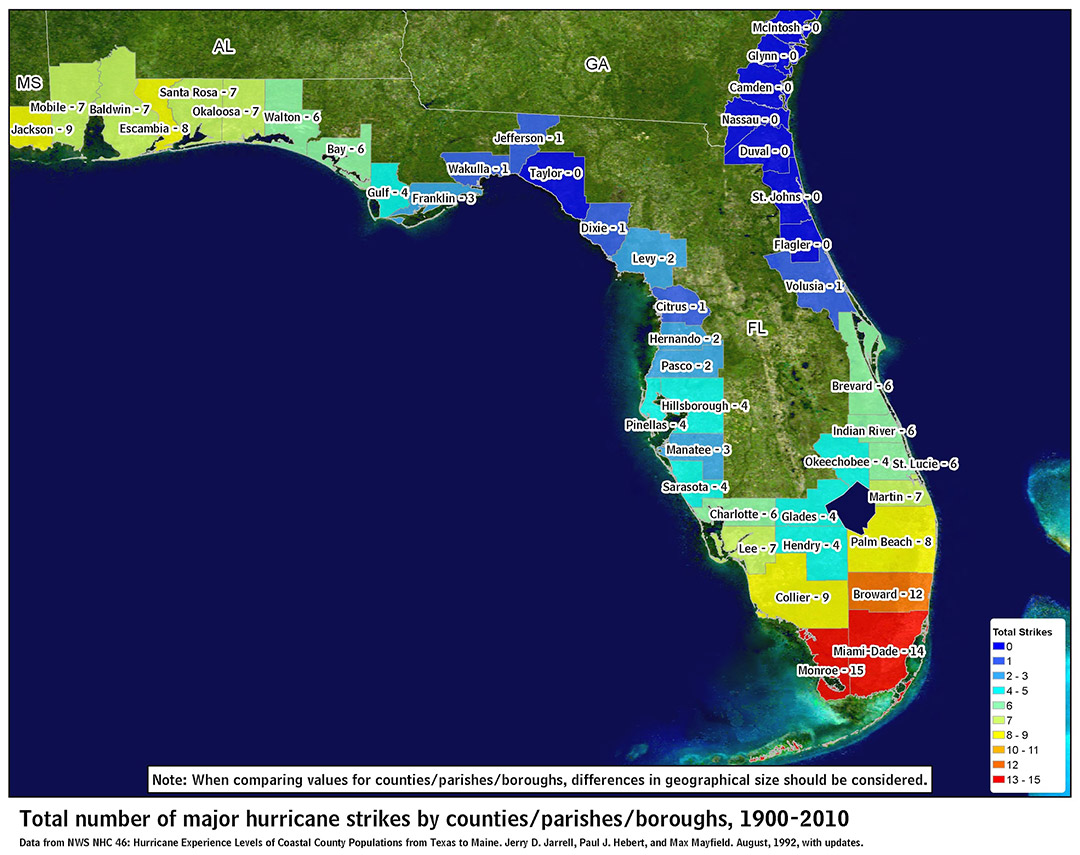
Historically, the Florida Panhandle and the western coastline have been hit by some of the most powerful storms, including major hurricanes like Hurricane Michael in 2018, which devastated the areas around Mexico Beach and Panama City Beach. The Tampa Bay area, while historically a “hurricane gap” due to prevailing winds pushing storms away, has also seen its share of impacts, notably with Hurricane Ian in 2022, which caused significant damage to the coastlines of Sarasota and Fort Myers. The southeastern coast, including Miami and Fort Lauderdale, is also frequently in the path of storms, though the intensity can vary greatly.
Geographic Factors and Mitigation
While direct impacts are a concern, other geographical features play a role. Areas further inland generally experience less severe storm surge but can still face significant wind damage and flooding from heavy rains. Elevation is also a critical factor; communities situated on higher ground will naturally be more protected from storm surge than those at sea level. The southwestern coast, with its proximity to the Gulf of Mexico and generally lower elevation, has historically been very vulnerable to storm surge.
Regions with Potentially Reduced Risk
While no area is entirely “safe,” some regions of Florida might present a lower statistical risk or have features that offer a degree of natural protection against the most catastrophic hurricane impacts. It’s essential to remember that a significant storm can still affect any part of the state, and preparedness remains paramount regardless of location.
Inland Florida and Central Highlands
Traveling further inland away from the immediate coastline significantly reduces the risk of direct storm surge inundation, the most life-threatening aspect of a hurricane. Cities and towns located in the central part of the state, particularly those in the Central Highlands region, generally sit at higher elevations. This elevated terrain can offer a natural buffer against rising waters.
- Orlando Metropolitan Area: While Orlando itself is about 50 miles from the coast, it’s not immune to hurricane impacts. However, its inland location and higher elevation compared to coastal cities mean that while it can experience strong winds and significant rainfall, the devastating effects of storm surge are largely avoided. This makes it a popular destination for travelers seeking a Florida experience with a theoretically reduced risk of direct hurricane landfall impact. Destinations like Walt Disney World Resort and Universal Orlando Resort are situated in this region.
- Ocala National Forest and surrounding areas: This region boasts higher elevations and is characterized by pine forests and springs. While experiencing tropical storm-force winds and heavy rain is still possible, the risk of severe storm surge is minimal. Towns like Ocala and Gainesville are located within this generally more elevated interior of the state.

Northern Florida (Further Inland)
While the panhandle coastline is highly susceptible, areas in northern Florida that are further inland and north of the typical storm tracks might experience less frequent direct hits. However, it’s crucial to distinguish between the coast and the interior of this region.
- Areas around Tallahassee (further inland): Tallahassee, the state capital, is inland and at a higher elevation than much of the panhandle coast. While it has been impacted by storms that have moved inland, it generally experiences less intense storm surge than coastal communities. The further inland one travels from the Gulf Coast, the greater the reduction in storm surge risk.
- Northeastern Florida (interior): Cities like Jacksonville are situated in northeastern Florida. While Jacksonville has a significant coastline along the Atlantic Ocean, its downtown and many residential areas are at a higher elevation and further inland than many other Florida cities. However, coastal communities within Duval County are still vulnerable to storm surge and high winds. The primary risk here, as with much of inland Florida, is wind damage and flooding from torrential rain.
Coastal Areas and Their Specific Risks
Florida’s extensive coastline is its primary draw for tourism and settlement, but it also represents its greatest vulnerability. Understanding the specific characteristics of different coastal regions can help clarify their relative risks.
The Atlantic Coast
The Atlantic coast of Florida stretches from the panhandle down to Key West. This coastline is generally more exposed to storms forming in the Atlantic Ocean.
- Northeastern Atlantic Coast (e.g., St. Augustine, Jacksonville): While vulnerable, these areas may experience slightly less direct impact from storms tracking westward across the Caribbean and into the Gulf. However, they are still fully exposed to Atlantic-born hurricanes. St. Augustine, the nation’s oldest city, has historical structures that have withstood centuries of weather, but modern infrastructure and barrier islands remain at risk.
- Southeastern Atlantic Coast (e.g., Miami, Palm Beach): This region is a frequent target for hurricanes. While its eastern location can sometimes mean storms weaken before reaching here, or shift northward or westward, direct hits are common. The dense population and development, along with significant coastal infrastructure, make hurricanes a major concern. Miami Beach, for example, is particularly vulnerable due to its low elevation and barrier island geography.
- Florida Keys: This chain of islands is extremely vulnerable due to its low elevation, narrow landmass, and exposure to the open ocean and Gulf of Mexico. Storm surge is a primary concern, and evacuations are often mandatory.
The Gulf Coast
The Gulf Coast presents its own set of challenges and unique hurricane dynamics.
- Panhandle Coast: As mentioned, this region has historically been hit hard by powerful hurricanes. The shape of the coastline can sometimes funnel storm surge, exacerbating its impact. The barrier islands and low-lying areas are particularly at risk.
- Southwest Florida (e.g., Fort Myers, Naples): This area has experienced devastating storm surge in recent years. The shallow waters of the Gulf can contribute to higher surge potential, and the geography is highly susceptible.
- West Central Florida (e.g., Tampa Bay, Sarasota): The Tampa Bay area, with its large, shallow bay, is vulnerable to storm surge. While historical patterns suggested a degree of protection, recent storms have demonstrated the significant risk. The presence of numerous islands and low-lying coastal areas increases vulnerability.
Beyond Geography: The Importance of Preparedness
Regardless of location, it is crucial for travelers and residents in Florida to understand that no part of the state is entirely “safe” from hurricanes. The most effective strategy for mitigating risk is comprehensive preparedness. This includes:
- Staying informed: Monitor official weather advisories from agencies like the National Hurricane Center and local emergency management.
- Developing an evacuation plan: Know your evacuation zone and have a clear plan for where to go and how to get there if an evacuation order is issued.
- Securing your property: Understand your home’s vulnerability and take steps to secure windows, doors, and outdoor items.
- Having emergency supplies: Stock a disaster kit with essentials like water, non-perishable food, a first-aid kit, and medications.
- Purchasing adequate insurance: Ensure you have appropriate homeowners or renters insurance that covers hurricane damage, including flood insurance if necessary.
While certain inland and higher-elevation areas of Florida may statistically face less direct impact from the most destructive elements of a hurricane, such as storm surge, every part of the state is vulnerable to high winds, heavy rainfall, and the broader disruption that these powerful storms can bring. For travelers, understanding these risks and choosing destinations and accommodations with preparedness in mind is key to enjoying a safe and memorable experience in the Sunshine State.
LifeOutOfTheBox is a participant in the Amazon Services LLC Associates Program, an affiliate advertising program designed to provide a means for sites to earn advertising fees by advertising and linking to Amazon.com. Amazon, the Amazon logo, AmazonSupply, and the AmazonSupply logo are trademarks of Amazon.com, Inc. or its affiliates. As an Amazon Associate we earn affiliate commissions from qualifying purchases.