
The state of California is a cornerstone of military training in the United States, boasting a significant presence of Army installations dedicated to forging the next generation of service members. These bases are not merely training grounds; they are expansive, resource-rich environments where recruits undergo rigorous physical, mental, and tactical preparation. The comprehensive curriculum instilled at these facilities ensures that individuals transform from civilians into disciplined, skilled soldiers ready to defend national interests. Exploring the primary Army training bases within California offers a unique insight into the foundational stages of military service and the sophisticated infrastructure that supports it.

Fort Irwin: The National Training Center’s Harsh Realities
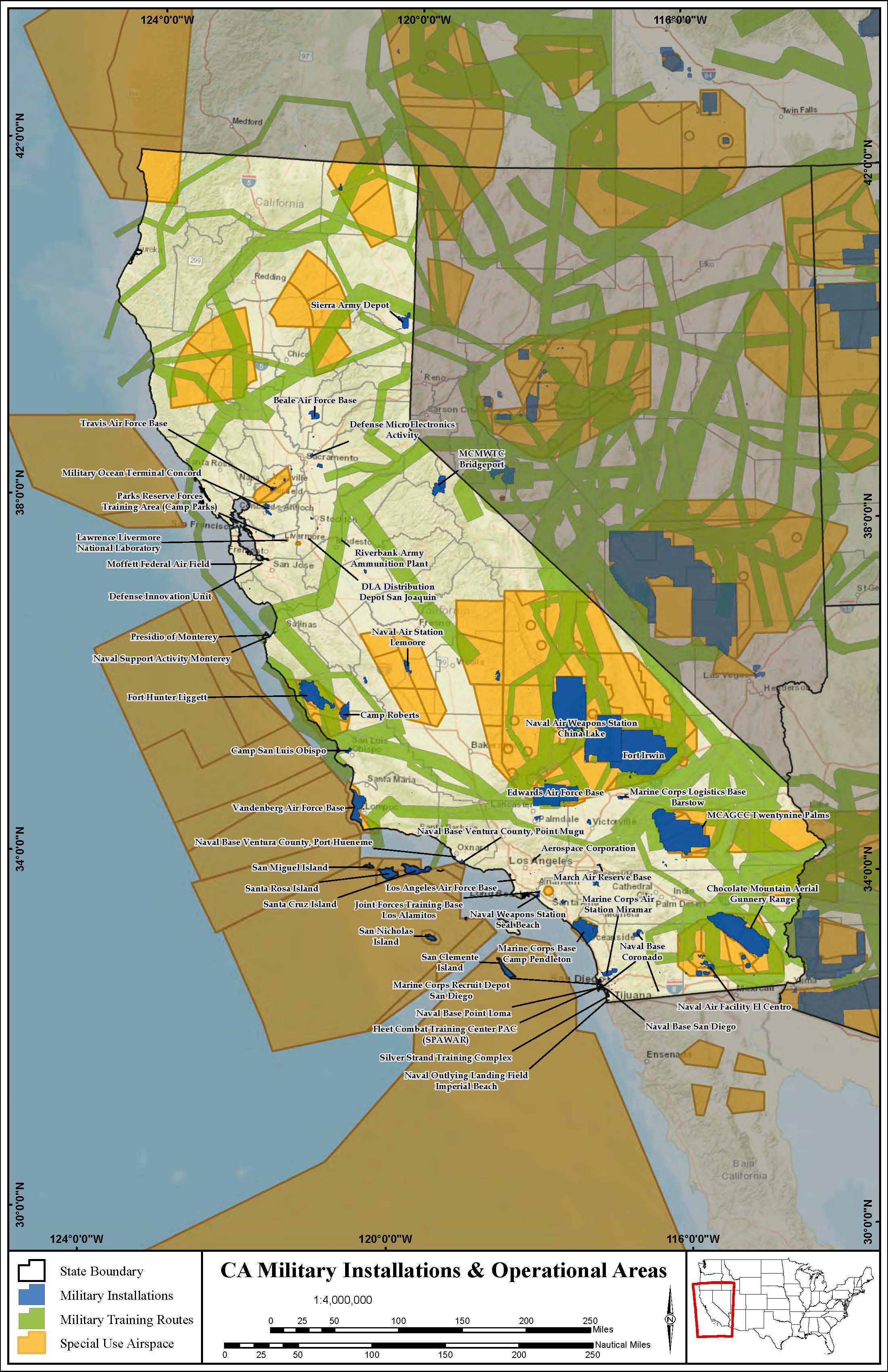
Fort Irwin, nestled in the Mojave Desert of southern California, is home to the National Training Center (NTC). This facility is renowned for its unparalleled realism, simulating the complex and often volatile environments that U.S. Army units might encounter in actual combat zones. The NTC is not primarily for initial entry training (boot camp) for all recruits, but rather a crucial crucible for brigade-level combat training for active duty and Reserve and National Guard units. However, the skills and experiences honed here profoundly influence the type of soldiers being prepared throughout the Army.
Simulating Modern Warfare
The NTC’s primary mission is to provide realistic, challenging, and relevant training to units preparing for deployment. Recruits who eventually serve in these units will have their skills tested under simulated combat conditions. This includes:
- Decisive Operations Training: Units engage in large-scale, combined arms maneuvers, practicing offensive and defensive operations against a sophisticated opposing force (OPFOR). This OPFOR, trained and equipped to mirror potential adversaries, provides a dynamic and unpredictable threat.
- Asymmetric Warfare Scenarios: The training frequently incorporates elements of counterinsurgency and irregular warfare, reflecting the complexities of modern conflicts. Recruits learn to navigate urban environments, interact with civilian populations, and deal with improvised explosive devices (IEDs) and other unconventional threats.
- Logistics and Support: Beyond combat arms, the NTC trains units on the intricate logistical challenges of sustained operations. This involves everything from ammunition resupply and medical evacuation to maintenance and engineering support in austere conditions.
Life and Training at Fort Irwin
While not a direct recruit training center in the traditional sense, the ethos and demanding standards set at Fort Irwin shape the expectations for all Army personnel. Soldiers who train here are exposed to the harsh realities of desert warfare, including extreme temperatures, dust storms, and the need for constant vigilance. The experience instills resilience, adaptability, and a deep understanding of unit cohesion under pressure. Many soldiers entering the Army will, at some point in their careers, either train at the NTC or serve alongside units that have completed NTC rotations, making its influence pervasive. The facility itself is a self-contained community, but its purpose is outward-facing: to prepare the Army for global deployment.
Fort Hunter Liggett: A Dual-Purpose Training Hub
Fort Hunter Liggett, located in Monterey County, California, serves a vital role in both active-duty training and the development of Reserve and National Guard forces. It is one of the largest installations in the U.S. Army Reserve Command and offers a more diverse range of training opportunities than purely combat-focused bases.
Initial Entry Training and Advanced Individual Training
While Fort Hunter Liggett is not the primary location for all initial entry training (boot camp) for the U.S. Army, it does host specific programs and is integral to the training pipeline for certain specialties. More significantly, it is a key site for Advanced Individual Training (AIT). After completing basic combat training, soldiers attend AIT to learn the specific skills required for their Military Occupational Specialty (MOS).
- Technical and Support MOS Training: Fort Hunter Liggett is well-equipped to train soldiers in a variety of non-combat arms roles. This can include logistics, transportation, construction, communications, and various support functions.
- Reserve Component Readiness: A substantial portion of the training conducted at Fort Hunter Liggett supports the readiness of citizen-soldiers. Weekend drills, annual training, and specialized courses are conducted here regularly, allowing reservists and guardsmen to maintain and enhance their skills without disrupting their civilian lives extensively.
Maneuver Training and Field Exercises
Beyond technical training, Fort Hunter Liggett offers extensive land for maneuver training, comparable in scope to some of the larger combat training centers.
- Combined Arms Exercises: Units can conduct field exercises involving infantry, armor, artillery, and aviation assets, practicing coordinated battlefield operations.
- Fieldcraft and Survival: Recruits and existing soldiers alike benefit from the opportunity to practice fundamental soldiering skills in a field environment. This includes navigation, field sanitation, camouflage, and basic survival techniques.
- Logistics and Sustainment Training: The base provides realistic scenarios for units to practice the logistical support required for extended field operations, including setting up forward operating bases and managing supply chains.
The scenic yet challenging terrain of Fort Hunter Liggett provides a robust training environment, ensuring that soldiers, particularly those in the Reserve and National Guard, are prepared for a wide array of operational demands.
Camp Roberts: Foundation for the Future
Camp Roberts, situated near the coastal town of San Luis Obispo in California, has a long and storied history of military training, dating back to World War II. Today, it continues to play a crucial role in preparing soldiers for service, with a particular emphasis on foundational training.
Initial Entry Training (Boot Camp)
Camp Roberts is a significant site for Initial Entry Training (IET) for the California Army National Guard. This is where new recruits undergo the transformation from civilian to soldier.
- Physical Conditioning: Recruits are subjected to intense physical training designed to build stamina, strength, and agility. This includes running, obstacle courses, and calisthenics, pushing them to their physical limits.
- Basic Warrior Tasks and Battle Drills: The curriculum focuses on fundamental soldiering skills, such as marksmanship with various weapons, land navigation, first aid, tactical movement, and small-unit tactics.
- Discipline and Teamwork: Beyond physical and tactical skills, recruits are instilled with military discipline, values, and the importance of teamwork. Living in close quarters, working towards common objectives, and adhering to strict routines foster a strong sense of camaraderie and mutual reliance.
- Cultural and Ethical Training: Recruits also receive instruction on military law, ethics, history, and the Army values, shaping their understanding of their role and responsibilities within the armed forces.
Specialized Training and Support
While its primary role is IET for the National Guard, Camp Roberts also supports other training activities.
- Marksmanship Training: The facility’s extensive firing ranges are used for advanced marksmanship training for various units.
- Field Training Exercises: Units can conduct limited field training exercises, allowing them to practice skills learned during IET in a more realistic setting.
- Support for Reserve Components: Camp Roberts serves as a vital hub for California Army National Guard units, facilitating their regular training and readiness.
The comprehensive approach at Camp Roberts ensures that new recruits receive a solid foundation in the essential skills and mindset required for a successful military career. It is here that the first critical steps are taken in shaping the future of the Army.

The Importance of California’s Training Installations
The Army bases in California – Fort Irwin, Fort Hunter Liggett, and Camp Roberts – represent a multifaceted approach to military preparedness. From the extreme realism of the National Training Center at Fort Irwin, designed to hone the skills of experienced units, to the foundational training at Camp Roberts for new recruits, and the versatile capabilities of Fort Hunter Liggett for a range of training needs, these installations are indispensable. They not only train individual soldiers but also build the cohesion, resilience, and operational readiness of entire units, ensuring that the U.S. Army remains a formidable force capable of meeting diverse global challenges. The rigorous training regimen, coupled with the vast resources and diverse environments California offers, creates a potent training ecosystem for the nation’s defense.
LifeOutOfTheBox is a participant in the Amazon Services LLC Associates Program, an affiliate advertising program designed to provide a means for sites to earn advertising fees by advertising and linking to Amazon.com. Amazon, the Amazon logo, AmazonSupply, and the AmazonSupply logo are trademarks of Amazon.com, Inc. or its affiliates. As an Amazon Associate we earn affiliate commissions from qualifying purchases.