
California, a state renowned for its breathtaking landscapes and vibrant cultural tapestry, has unfortunately also become synonymous with devastating wildfires. These infernos, often sparked by a confluence of environmental factors and human activity, not only threaten lives and property but also leave an indelible scar on the state’s iconic natural beauty. Understanding the multifaceted causes behind these fires is crucial for effective prevention and mitigation strategies, especially for those who travel to and explore this diverse region.
The Crucible of Climate: California’s Fire Triangle
Wildfires are not a new phenomenon in California; they are an intrinsic part of its ecosystem. However, the intensity and frequency of recent fires have been significantly exacerbated by a changing climate. This section delves into the climatic elements that create the perfect conditions for ignition and rapid spread.
Fuel for the Flames: Vegetation and Drought
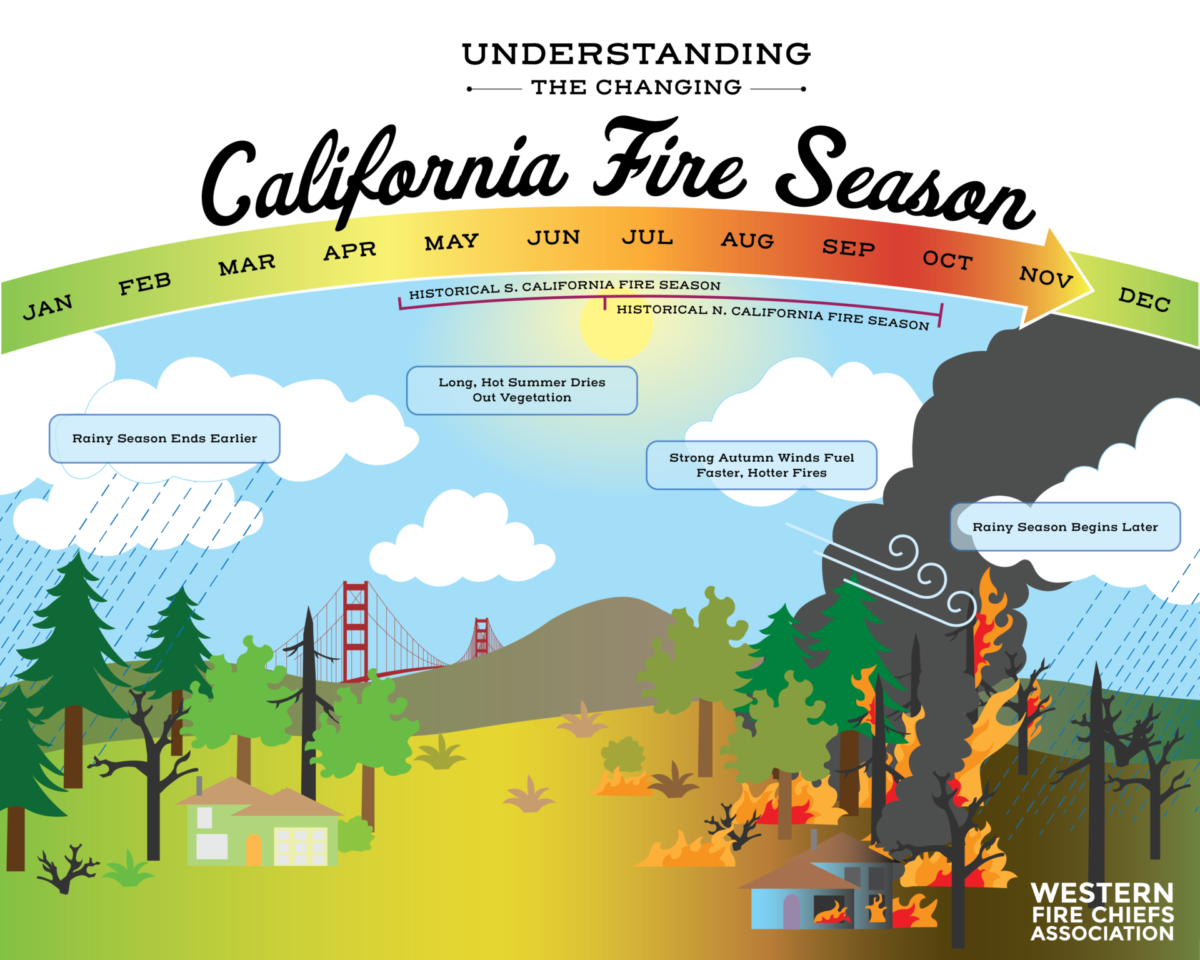
California’s Mediterranean climate, characterized by hot, dry summers and mild, wet winters, naturally leads to periods of drought. This inherent dryness is amplified by extended periods of low rainfall and higher temperatures, which are increasingly becoming the norm due to global climate change.
- Drought Conditions: Prolonged droughts desiccate the state’s abundant vegetation, transforming lush forests and grasslands into tinderboxes. Even seemingly green areas can hold dead, dry material beneath the surface, ready to ignite. This is particularly true for the chaparral ecosystems, which are adapted to fire but become exceptionally volatile during severe droughts.
- Fuel Accumulation: In many areas, decades of fire suppression have led to an unnatural buildup of dry brush, dead trees, and leaf litter. This dense fuel load provides a continuous path for flames to spread rapidly and intensely, making fires harder to control.
- Impact on Forests: The Sierra Nevada mountains, home to iconic giant sequoias and vast pine forests, are particularly vulnerable. Drought-stressed trees become susceptible to insect infestations, leading to widespread tree mortality. These dead and dying trees further contribute to the fuel load, creating “zombie forests” that are primed for ignition.
The Spark: Ignition Sources
While the environment provides the fuel, a spark is needed to ignite the blaze. These sparks can originate from natural sources or, more commonly in recent times, from human activities.
- Natural Ignition: Lightning strikes are a natural cause of wildfires, especially during thunderstorms that occur without significant rainfall. While these fires have historically played a role in shaping the landscape, their impact is often overshadowed by human-caused ignitions.
- Human-Caused Ignitions: A significant majority of wildfires in California are attributed to human activities. These include:
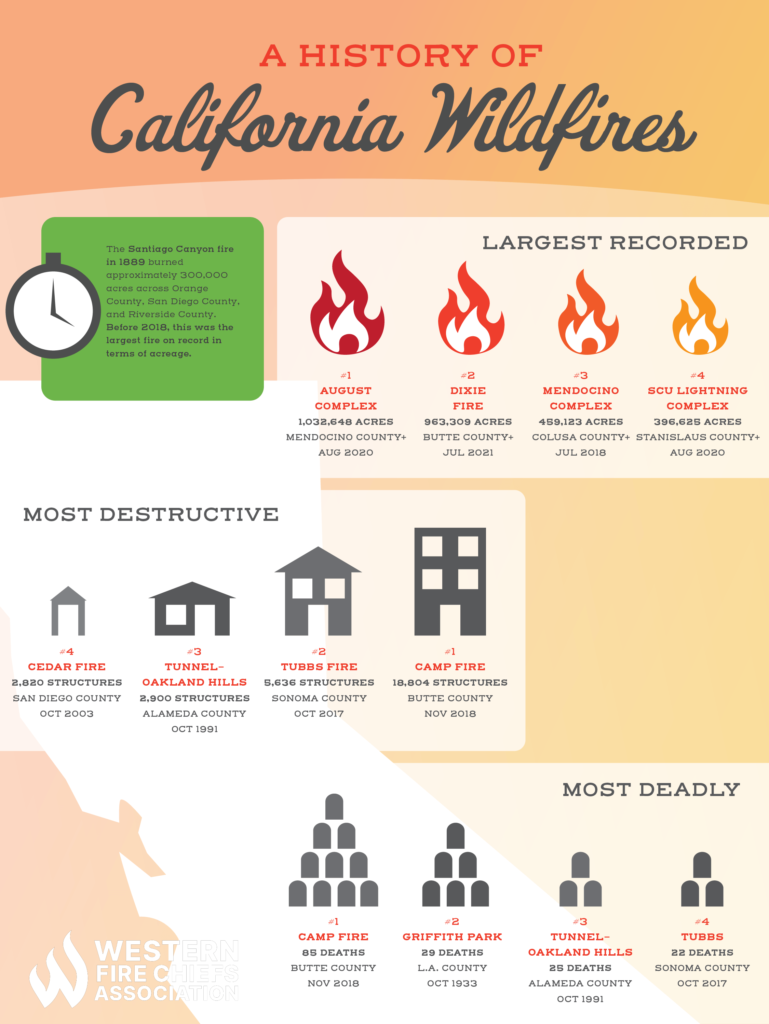
- Electrical Equipment: Faulty power lines, transformers, and other electrical infrastructure are a leading cause of large, destructive fires, such as the Camp Fire which devastated Paradise, California. Sparks from downed lines or equipment malfunctions can easily ignite dry vegetation.
- Campfires and Smoking: Unattended campfires and improperly discarded cigarettes can quickly spread to surrounding dry brush.
- Vehicles and Machinery: Sparks from vehicle exhaust systems, dragging chains, or industrial machinery can also be ignition sources.
- Arson: Unfortunately, some fires are intentionally set, adding another layer of complexity to wildfire prevention.
The Wind Factor: Accelerating Destruction
Once a fire ignites, wind becomes a critical factor in its behavior and spread. California’s diverse geography creates unique wind patterns that can transform a manageable blaze into an uncontrollable inferno.
- Santa Ana Winds: In Southern California, the infamous Santa Ana winds are hot, dry, and gusty winds that blow from the desert towards the coast. These winds can propel flames at incredible speeds, making fire containment extremely difficult and contributing to rapid fire growth and extreme fire behavior.
- Diablo Winds: Similarly, the Diablo winds in Northern California are dry, offshore winds that can fuel fires in the coastal mountains and valleys, similar to the Santa Ana effect.
- Topography: Steep canyons and mountain slopes can also create updrafts and funnel winds, accelerating fire spread upslope.
Beyond Nature: The Human Element in Wildfires
While climate and natural elements play a significant role, human actions—both intentional and unintentional—are undeniably intertwined with the causes and escalating severity of California’s wildfires. Understanding these human factors is paramount for effective management and community safety.
Infrastructure and Development: Living on the Edge
California’s desirability as a place to live and visit has led to significant development in areas historically prone to wildfires, often referred to as the Wildland-Urban Interface (WUI).
- Expansion into Wildlands: As populations grow, more homes and communities are built in or adjacent to wildland areas. This increases the risk of both ignitions originating from human activity within the wildlands and the threat of fires spreading from wildlands to populated areas.
- Outdated Infrastructure: Aging electrical grids and inadequate maintenance of power lines have been identified as critical vulnerabilities. In high-risk wind conditions, utility companies have been forced to implement Public Safety Power Shutoffs (PSPS) to prevent ignitions, a measure that, while necessary, has significant economic and social impacts on communities and travelers. Companies like Pacific Gas and Electric (PG&E) have faced intense scrutiny and liability for their role in past fire events.
- Building Materials and Practices: Inappropriately chosen building materials in fire-prone areas can make homes highly susceptible to ignition from embers, even if the main fire front is some distance away. Defensible space around structures is a critical mitigation strategy.
Fire Management and Policy: A Complex Legacy
The history of fire management in California has been a complex dance between suppression and prescribed burning.
- Fire Suppression Era: For much of the 20th century, the prevailing policy was to suppress all fires as quickly as possible. While this aimed to protect lives and property, it inadvertently led to the unnatural accumulation of fuel, creating conditions for larger, more intense fires when they did occur.
- The Rise of Prescribed Burns: In recent decades, there has been a growing recognition of the ecological role of fire and the importance of prescribed burns (controlled fires set under specific conditions) to reduce fuel loads and restore ecosystem health. However, the implementation of prescribed burns faces challenges, including public perception, air quality concerns, and the logistical difficulties of conducting them safely and effectively in increasingly unpredictable weather.
- Climate Change Policy: Addressing the root cause of increased wildfire risk—climate change—requires comprehensive policies aimed at reducing greenhouse gas emissions. California has been at the forefront of such policies, but global efforts are crucial for long-term impact.
Navigating the Fire Landscape: A Traveler’s Perspective
For travelers, understanding the causes of California’s wildfires is not just an academic exercise; it’s essential for planning safe and enjoyable trips. The impact of fires can range from temporary closures of iconic attractions to long-term air quality issues.
Planning Your Trip Safely
- Stay Informed: Before and during your travel, check local news and official sources for wildfire alerts and air quality reports. Websites like Cal Fire and local emergency management agencies provide crucial real-time information.
- Air Quality: Wildfires can generate significant smoke plumes that travel hundreds of miles, severely impacting air quality. Pay attention to the Air Quality Index (AQI) and consider postponing outdoor activities if the air is unhealthy. This is particularly important for individuals with respiratory conditions.
- Road Closures and Evacuations: Wildfires can lead to unexpected road closures, impacting travel routes and access to destinations. Be prepared for detours and potential evacuation orders if traveling through or near active fire zones.
- National and State Parks: Iconic destinations like Yosemite National Park, Sequoia National Park, and Big Sur can be affected by wildfires, leading to temporary closures or limited access. Always check the official park websites for the latest updates.

Contributing to Prevention
While travelers may not directly cause fires, they can contribute to prevention efforts through responsible behavior.
- Campfire Safety: If camping, always follow local regulations regarding campfires, ensure they are completely extinguished, and never leave them unattended.
- Vehicle Maintenance: Ensure your vehicle is in good working order, particularly the exhaust system, to prevent sparks.
- Respect Fire Restrictions: Adhere strictly to any fire bans or restrictions in place.
- Report Suspicious Activity: If you witness any activity that could potentially start a fire, report it to the authorities immediately.
By understanding the complex interplay of climate, vegetation, ignition sources, human infrastructure, and policy, we can gain a more comprehensive appreciation for the challenges California faces with its wildfires. This knowledge empowers both residents and travelers to better navigate these natural forces and contribute to a more resilient future for the Golden State.
LifeOutOfTheBox is a participant in the Amazon Services LLC Associates Program, an affiliate advertising program designed to provide a means for sites to earn advertising fees by advertising and linking to Amazon.com. Amazon, the Amazon logo, AmazonSupply, and the AmazonSupply logo are trademarks of Amazon.com, Inc. or its affiliates. As an Amazon Associate we earn affiliate commissions from qualifying purchases.