
Understanding crime rates within the context of travel and tourism is a nuanced endeavor. While sensational headlines can paint a stark picture, a deeper dive reveals that most cities in California offer safe and enriching experiences for visitors. For the discerning traveler, the focus often shifts from broad crime statistics to the specific neighborhoods within a destination and the overall safety perception. This article aims to provide a balanced perspective, examining factors that contribute to perceptions of safety and exploring how travelers can best navigate and enjoy all that the Golden State has to offer, irrespective of prevailing statistics.
Navigating Perceptions of Safety in California Destinations
It is important to acknowledge that discussions about crime rates are often complex and can be influenced by various factors, including reporting methods and socio-economic conditions. When considering travel, the objective is to empower visitors with information that allows them to make informed decisions and enjoy their experiences with confidence. The vast majority of tourists who visit California have uneventful and enjoyable trips, immersing themselves in the state’s diverse attractions.
The Role of Data and Interpretation
Crime statistics are collected by various agencies, including the FBI and local law enforcement departments. These statistics can be broken down by type of crime (e.g., violent crime, property crime) and by geographic area. However, interpreting these numbers requires careful consideration. A high crime rate in one specific area of a large city, for instance, does not necessarily reflect the safety of tourist-frequented districts or the entire metropolitan area.
For travelers, understanding that crime is not uniformly distributed is key. Popular tourist destinations within any city are often subject to increased police presence and security measures. Furthermore, the perception of safety can be as influential as the statistics themselves. Media coverage, personal anecdotes, and general reputation can shape how a destination is viewed, sometimes disproportionately to the actual risks faced by visitors.
Focusing on Tourist-Friendly Areas
When planning a trip to any major city, whether it’s Los Angeles, San Francisco, or San Diego, research into specific neighborhoods is more productive than relying on city-wide averages. Most tourist itineraries focus on areas known for their attractions, entertainment, and hospitality. These areas typically include:
- Entertainment Districts: Such as Hollywood in Los Angeles, known for its studios, theaters, and celebrity attractions.
- Cultural Hubs: Like the Gaslamp Quarter in San Diego, offering historic architecture, vibrant nightlife, and diverse dining options.
- Iconic Landmarks: Including the Golden Gate Bridge in San Francisco or the Hollywood Walk of Fame, which are generally well-patrolled and secure.
- Beachfront Areas: Such as Santa Monica or Venice Beach, which attract millions of visitors annually and maintain a festive, safe atmosphere for day-trippers and families.
- Downtown Business Districts and their immediate surroundings: Often featuring upscale hotels and convention centers, these areas are generally considered safe, especially during business hours and early evening.
Travel guides and reputable travel websites often highlight which areas are most suitable for tourists, providing insights into the atmosphere and typical visitor experience.
Understanding Crime Statistics in a Travel Context
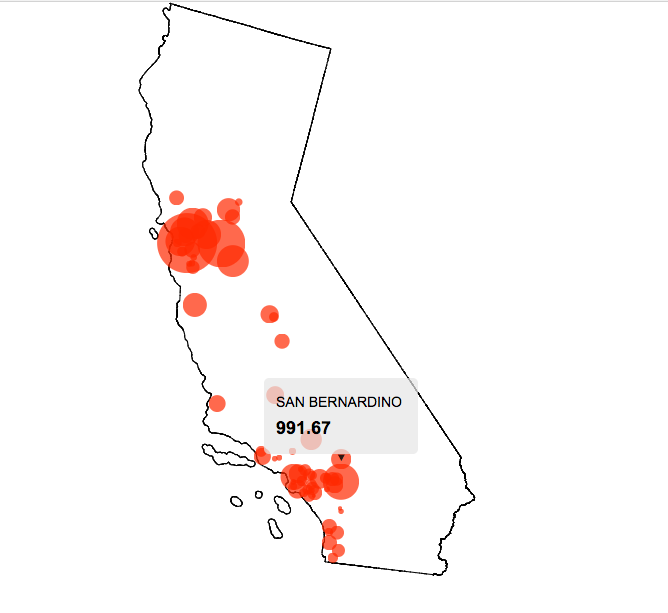
While the direct question of “highest crime rate” might point to specific cities based on raw data, a traveler’s perspective necessitates a different lens. The presence of certain types of crime, particularly those affecting tourists (like petty theft or pickpocketing in crowded areas), is a more relevant concern for visitors than overall statistical rankings.
Violent vs. Property Crime
It is crucial to differentiate between violent crime and property crime. While any form of violence is a serious concern, tourists are statistically more likely to encounter property crimes, such as car break-ins or pickpocketing, especially in densely populated or highly trafficked areas. Understanding this distinction helps in focusing preventative measures.
Data Limitations for Travelers
Crime statistics are often historical data. They reflect past events and may not accurately represent the current safety conditions of a city or neighborhood. Furthermore, the definition and reporting of crimes can vary, making direct comparisons between cities challenging. For a traveler, this means that a city with a slightly higher statistical ranking might, in reality, be perfectly safe for a tourist visiting well-trodden paths.

The Importance of Context
Many cities in California face socio-economic challenges that can influence crime statistics. Areas with higher poverty rates or unemployment may exhibit higher crime rates. However, these areas are often not the primary destinations for tourists. When considering a destination, it is more useful to look at crime patterns in relation to tourist activities and accommodations. For example, while a particular neighborhood might have a higher crime rate, the hotels and attractions within a mile or two might be in a much safer zone.
Enhancing Travel Safety and Enjoyment
Regardless of statistical data, proactive measures can significantly enhance a traveler’s safety and peace of mind in any California destination. The goal is to enjoy the unique experiences California offers without undue concern.
Practical Tips for Safe Travel
- Stay Aware of Your Surroundings: This is a universal travel tip applicable anywhere. Pay attention to who is around you, especially in crowded places like markets, train stations, or popular tourist sites.
- Secure Your Belongings: Use anti-theft bags, keep valuables out of sight, and be mindful of your purse or wallet, particularly in busy areas like Fisherman’s Wharf in San Francisco or during events in Los Angeles.
- Research Your Accommodation: Choose hotels or accommodations in well-regarded areas. Reputable booking sites often provide neighborhood safety information or guest reviews that can offer insights. Hotels like the Ritz-Carlton, Los Angeles or the Fairmont San Francisco are located in areas known for their security and visitor-friendliness.
- Plan Your Routes: Use reliable navigation apps and be aware of your route, especially when traveling at night. Avoid poorly lit or unfamiliar areas.
- Trust Your Instincts: If a situation or area feels unsafe, leave. It is always better to err on the side of caution.
- Utilize Local Resources: Inquire with hotel concierges or local tourist information centers about safe areas and any specific precautions to be aware of.
- Avoid Displaying Valuables: Refrain from wearing expensive jewelry or flashing large amounts of cash, especially in areas that might be more prone to opportunistic crime.
Focusing on Positive Experiences
The overwhelming majority of visits to California are positive and memorable. The state is renowned for its stunning natural beauty, from the beaches of Southern California to the redwood forests of the north, its vibrant cities, world-class museums, and diverse culinary scenes. Destinations like Disneyland Resort in Anaheim or the theme parks in Universal City are meticulously managed for visitor safety and enjoyment.
The focus for any traveler should remain on experiencing the rich tapestry of attractions that California offers: the cultural diversity of Los Angeles, the artistic flair of San Francisco, the laid-back charm of San Diego, the wine regions of Napa Valley, and the natural wonders of Yosemite National Park. These experiences are accessible and enjoyable when basic travel safety principles are applied.
A Balanced Perspective on California’s Cities
While statistical data may highlight certain cities with higher crime rates, it is crucial for travelers to approach this information with a discerning eye. The reality on the ground for tourists is often very different from raw crime figures. Most visitors will find California to be an incredibly welcoming and safe place to explore.
Beyond the Numbers: The Traveler’s Experience
Cities like Oakland, Bakersfield, or Stockton might appear higher in some crime statistics. However, a traveler’s itinerary typically does not involve extensive exploration of the specific neighborhoods that contribute to these higher rates. Instead, visitors will likely be concentrated in areas known for:
- Cultural Attractions: Such as the museums and theaters in Downtown Oakland or the historic sites in Stockton.
- Business and Convention Centers: Areas often situated in more secure districts.
- Tourist Accommodation: Hotels are usually located in areas with a higher level of security and less association with reported crime statistics.
Therefore, a blanket statement about a city’s safety based solely on its overall crime rate can be misleading for the travel planning process.

Focusing on Enjoyment and Discovery
The true essence of travel lies in discovery and immersion. California provides an unparalleled array of experiences, from the theme parks of Buena Park to the serene landscapes of Big Sur. The key to a successful trip is informed planning and a mindful approach to personal safety. By understanding that crime is localized and by taking standard precautions, travelers can confidently explore the diverse offerings of any California city. The focus should always remain on the incredible opportunities for adventure, culture, and relaxation that the state provides.
LifeOutOfTheBox is a participant in the Amazon Services LLC Associates Program, an affiliate advertising program designed to provide a means for sites to earn advertising fees by advertising and linking to Amazon.com. Amazon, the Amazon logo, AmazonSupply, and the AmazonSupply logo are trademarks of Amazon.com, Inc. or its affiliates. As an Amazon Associate we earn affiliate commissions from qualifying purchases.