
California, a state renowned for its vibrant pet culture and stringent regulations, offers a clear pathway for aspiring pet groomers to obtain the necessary credentials. While California does not mandate a specific “pet grooming license” in the traditional sense, a robust framework exists to ensure professional standards and animal welfare are maintained. This guide delves into the essential steps and considerations for establishing a reputable pet grooming business or career within the Golden State, focusing on the licensing and regulatory landscape that impacts this beloved industry.
Understanding California’s Regulatory Framework for Pet Grooming
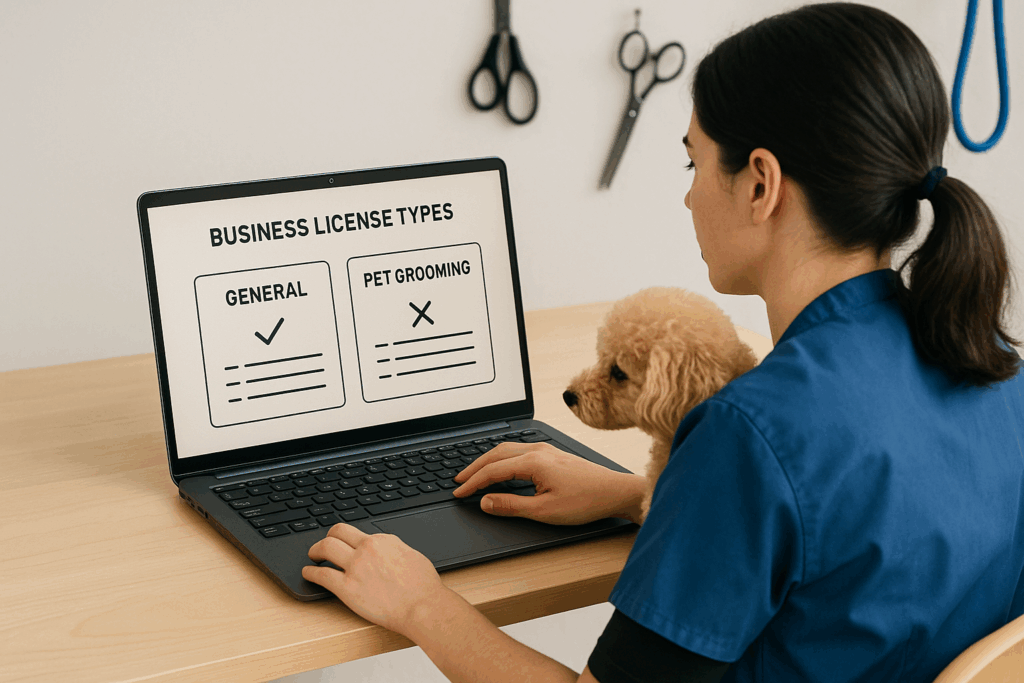
The state of California does not issue a universal, state-wide “pet grooming license.” Instead, the focus is on ensuring that individuals and businesses operate in compliance with general business laws, health and safety regulations, and animal welfare statutes. This means that while you won’t find a single exam to pass for a “groomer’s license,” you will need to navigate several other requirements to operate legally and ethically.
Business Licensing and Permits
Operating any business in California requires obtaining the appropriate business licenses and permits. The specific requirements can vary depending on the county and city in which your grooming business is located.
City and County Business Licenses
The first step for most aspiring business owners is to register with their local government. This typically involves applying for a general business license from the city or county where you intend to operate. This license confirms that you are authorized to conduct business in that jurisdiction and often involves paying an annual fee. You can usually find information on how to apply for these licenses on the official website of your local city hall or county clerk’s office.
Fictitious Business Name (FBN) Statement
If you plan to operate your pet grooming business under a name different from your legal personal name (e.g., “Pawsitively Polished Pet Spa” instead of “Jane Doe Pet Grooming”), you will need to file a Fictitious Business Name (FBN) statement, also known as a “Doing Business As” (DBA). This filing is typically done with the county clerk’s office and makes your business name publicly discoverable. It’s an important step for legal and financial transparency.
Resale Permits
If you plan to sell products in addition to grooming services, such as shampoos, brushes, or pet accessories, you will need a Resale Permit from the California Department of Tax and Fee Administration (CDTFA). This permit allows you to purchase these items at wholesale prices without paying sales tax and to collect sales tax from your customers when you sell them.
Zoning and Building Permits
Before establishing a physical grooming salon, it’s crucial to verify that your chosen location complies with local zoning ordinances. This ensures that a commercial pet grooming business is permitted in that area. If you plan to construct or significantly renovate a space, you will likely need to obtain building permits from your local building department. These permits ensure that the facility meets safety and structural standards.
Animal Welfare and Safety Regulations
While there isn’t a specific “pet grooming license,” California has robust animal welfare laws designed to protect animals from abuse and neglect. As a pet groomer, you are entrusted with the care of animals, and adherence to these laws is paramount.
The California Veterinary Practice Act
While not directly a “grooming license,” understanding the California Veterinary Practice Act is beneficial. This act governs the practice of veterinary medicine and outlines what constitutes unlicensed veterinary practice. While grooming is distinct from veterinary care, groomers must be aware of their limitations and avoid performing procedures that require veterinary expertise, such as diagnosing illnesses, prescribing medication, or performing surgical procedures. Misinterpreting the boundaries can lead to legal issues.
Animal Cruelty Laws
California has strict laws against animal cruelty and neglect. As a professional groomer, you have a duty of care towards every animal that enters your establishment. This includes providing adequate food, water, shelter, and ensuring the animal is not subjected to unnecessary pain or suffering. Familiarize yourself with Penal Code Section 597 and related statutes to understand your legal obligations.
Handling and Restraint Techniques
Safe and humane handling techniques are critical in pet grooming. While not a licensing requirement, professional grooming schools and certifications often cover these essential skills. Improper handling can lead to injuries for both the pet and the groomer, and in extreme cases, can be construed as animal mistreatment.
Health and Sanitation Standards
Maintaining a clean and sanitary grooming environment is not only a matter of professionalism but also a public health concern and often a requirement mandated by local health departments or business licensing bodies.
Sanitation Practices
Regular cleaning and disinfection of grooming tools, surfaces, and equipment are essential to prevent the spread of diseases and parasites. This includes proper sterilization of clippers, scissors, brushes, and bathing areas. Many local health departments may inspect facilities to ensure compliance with basic sanitation guidelines, especially if food or boarding services are also offered.
Waste Disposal
Proper disposal of animal waste, hair, and other byproducts is necessary for hygiene and environmental compliance. Local ordinances may dictate specific waste management protocols that pet grooming businesses must follow.
Pursuing Professional Development and Certifications
While not legally mandated for operation in California, obtaining professional certifications from recognized grooming organizations can significantly enhance your credibility, skills, and marketability. These certifications often require demonstrating knowledge and practical experience in various grooming techniques, breed standards, safety protocols, and animal first aid.

Grooming Schools and Training Programs
Numerous reputable pet grooming schools and training programs operate across California. These programs offer comprehensive education covering:
- Breed-Specific Grooming: Learning the correct techniques and styles for different breeds.
- Clipping and Scissoring Techniques: Mastering the use of grooming tools for precise styling.
- Bathing and Drying: Understanding proper bathing methods and equipment.
- Nail Trimming and Ear Cleaning: Performing these essential hygiene tasks safely.
- Skin and Coat Health: Identifying common skin issues and knowing when to refer to a veterinarian.
- Animal Behavior and Handling: Learning to manage pets effectively and safely.
- First Aid and CPR for Pets: Equipping yourself to handle emergencies.
Many of these programs culminate in a certificate of completion, which, while not a license, serves as a valuable credential. Some programs may also prepare students for external certification exams.
Professional Certifications
Several national and international organizations offer professional certifications for pet groomers. These certifications often require a combination of training hours, practical experience, and passing a written and/or practical examination. Some prominent organizations include:
- National Dog Groomers Association of America (NDGAA): Offers various levels of certification, including Certified Professional Groomer (CPG).
- International Professional Groomers, Inc. (IPG): Provides certification that emphasizes skill and professionalism.
- The Cat Fanciers’ Association (CFA) and The American Association of Feline Practitioners (AAFP): While more focused on veterinary aspects, they offer resources and sometimes certifications related to feline grooming and handling.
Earning a certification from a respected body like the NDGAA demonstrates a commitment to the profession and a high level of competence, which can attract more clients and command higher service fees.
Continuing Education
The pet grooming industry, much like any other professional field, evolves with new techniques, products, and best practices. Engaging in continuing education through workshops, seminars, and advanced training programs is crucial for staying current. Many certification bodies also require ongoing education to maintain credentials, ensuring that groomers continuously update their knowledge and skills.
Insurance and Liability Considerations
Operating a pet grooming business involves inherent risks. Protecting yourself and your business from potential liabilities is a critical aspect of professional operation.
Business Liability Insurance
General liability insurance is essential for any business. For pet groomers, this is particularly important as it covers claims of bodily injury or property damage that might occur at your business premises or as a result of your business operations. This could include a client slipping and falling in your salon or a pet injuring another pet.
Professional Liability Insurance (Errors & Omissions)
Professional liability insurance, often called Errors & Omissions (E&O) insurance, is specifically designed for service providers. It protects you against claims of negligence, errors, or omissions in the services you provide. For pet groomers, this could cover claims arising from accidental injuries to a pet during grooming, improper handling, or failure to notice a medical condition that a reasonable groomer should have observed.
Animal Bailee Insurance
In some jurisdictions, specific animal bailee insurance may be available or recommended. This type of insurance covers the loss or injury to animals while they are in your care. It’s a specialized form of coverage that addresses the unique risks associated with boarding or grooming animals.
Establishing Your Pet Grooming Business in California
Beyond the licensing and regulatory aspects, building a successful pet grooming business in California requires a strategic approach to operations, marketing, and client relations.
Developing a Business Plan
A well-structured business plan is the foundation of any successful venture. It should outline:
- Services Offered: Detail the grooming packages, add-on services, and pricing.
- Target Market: Identify your ideal clientele (e.g., owners of specific breeds, busy professionals).
- Marketing Strategy: How will you attract and retain clients? (e.g., social media, local partnerships, referral programs).
- Financial Projections: Estimate startup costs, operating expenses, and revenue forecasts.
- Operational Structure: Define your staffing needs, scheduling, and daily operations.
Setting Up Your Grooming Facility
Whether you opt for a brick-and-mortar salon, a mobile grooming van, or a home-based operation (subject to local zoning), your facility must be safe, clean, and well-equipped.
- Equipment: Invest in professional-grade grooming tables, tubs, dryers, clippers, shears, brushes, and other essential tools.
- Safety Features: Ensure adequate ventilation, non-slip flooring, secure restraints, and a well-organized workspace to minimize risks.
- Comfort: Create a calm and stress-free environment for the animals, with appropriate temperature control and comfortable waiting areas for clients.
Client Communication and Record Keeping
Clear and consistent communication with clients is vital for building trust and managing expectations.
- Consultations: Conduct thorough consultations before each grooming session to understand the owner’s preferences and assess the pet’s condition.
- Record Keeping: Maintain detailed records for each pet, including grooming history, any noted health concerns, and special instructions. This is crucial for continuity of care and legal protection.
- Emergency Protocols: Have clear protocols in place for handling emergencies, including contact information for local veterinarians and emergency clinics.
By diligently addressing these licensing, regulatory, professional, and business aspects, aspiring pet groomers in California can establish a legitimate and thriving career that prioritizes the health, safety, and well-being of the animals they serve. While a single state license isn’t required, a comprehensive understanding and adherence to all applicable laws and professional standards are the true keys to success in this rewarding field.
LifeOutOfTheBox is a participant in the Amazon Services LLC Associates Program, an affiliate advertising program designed to provide a means for sites to earn advertising fees by advertising and linking to Amazon.com. Amazon, the Amazon logo, AmazonSupply, and the AmazonSupply logo are trademarks of Amazon.com, Inc. or its affiliates. As an Amazon Associate we earn affiliate commissions from qualifying purchases.