
A California car title is more than just a piece of paper; it’s a vital document that serves as proof of ownership for a vehicle registered in the Golden State. For anyone navigating the intricacies of vehicle ownership, whether a resident, a new buyer, or someone planning to move to California, understanding the appearance and information contained within this title is crucial. This document is issued by the California Department of Motor Vehicles (DMV) and plays a significant role in a multitude of transactions, from selling your car to obtaining insurance.
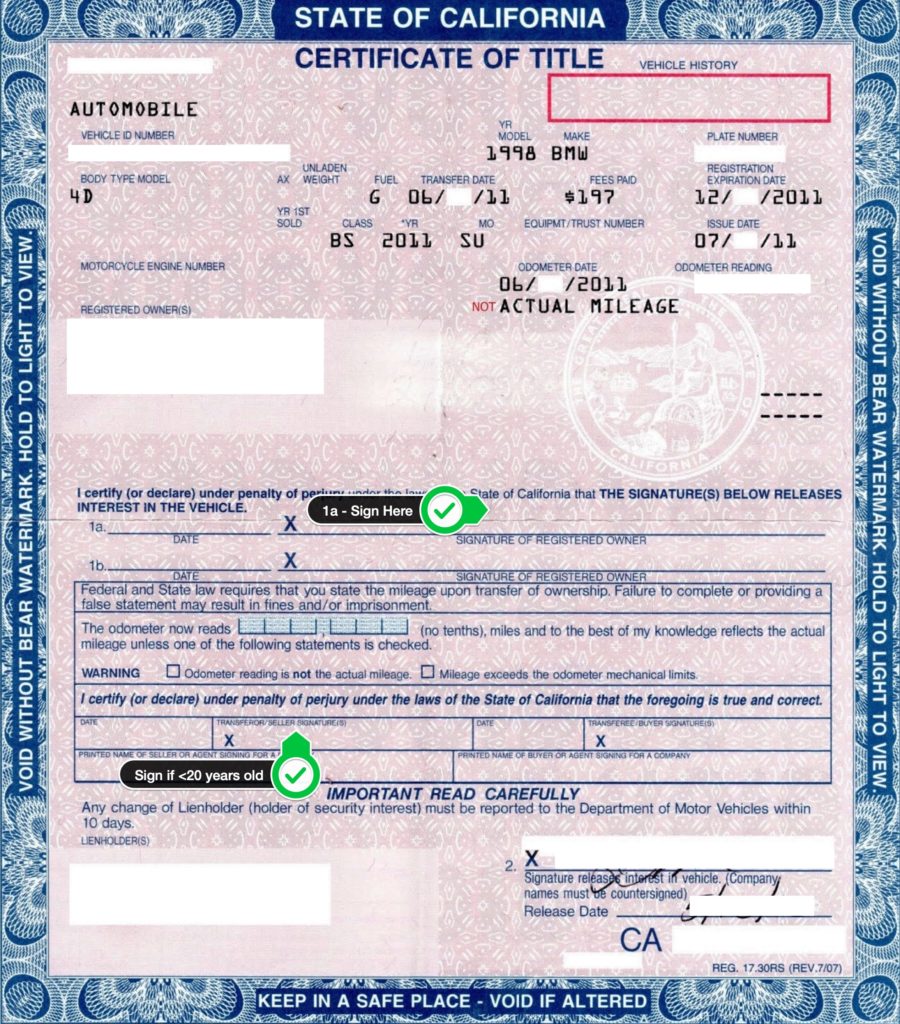
The physical appearance of a California car title has evolved over the years, but modern titles are designed with security features to prevent fraud. They are typically printed on specialized paper with watermarks and other security elements that are difficult to replicate. The exact design can vary slightly depending on the year of issuance, but the core information remains consistent. Understanding these details can save you time and prevent potential complications when dealing with your vehicle.
Key Features and Information on a California Car Title
A standard California Certificate of Title is a rectangular document, usually white or cream-colored, with distinct sections that house critical information about the vehicle and its owner. It is designed to be clear and legible, making it easier for both owners and officials to interpret. Let’s break down the essential components:
Vehicle Identification
At the forefront of the title is information that uniquely identifies the vehicle. This is paramount for distinguishing it from any other on the road.
- Vehicle Identification Number (VIN): This is a 17-character alphanumeric code that is the most critical identifier for any vehicle. It’s essentially the vehicle’s fingerprint and is used by manufacturers, regulators, and law enforcement to identify specific vehicles. The VIN can be found on the dashboard, driver’s side doorjamb, and on the title itself.
- Make, Model, and Year: The title will clearly state the manufacturer (e.g., Ford), the specific model (e.g., F-150), and the model year of the vehicle.
- Body Type: This describes the physical configuration of the vehicle, such as Sedan, Coupe, SUV, Truck, Van, Convertible, etc.
- Color: The exterior color of the vehicle is also listed.
- Odometer Reading: The mileage recorded at the time of title issuance or transfer is often noted. This is crucial for determining the vehicle’s usage and value.
Ownership Details
The title also meticulously details who legally owns the vehicle. This section is vital for establishing ownership rights and responsibilities.
- Owner(s) Name(s) and Address: The full legal name(s) of the registered owner(s) and their primary mailing address are provided. If there are multiple owners, their names will be listed, and the title will specify how they hold ownership (e.g., “and” or “or”).
- Lienholder Information: If the vehicle was purchased with a loan, the name and address of the lienholder (the financial institution that holds a security interest in the vehicle) will be present. The title will be held by the lienholder until the loan is fully paid off. Once paid, the lien is released, and a clear title is issued to the owner.
Title Specifics and Transaction History
Beyond identifying the vehicle and its owner, the title contains information about its status and any significant events in its history.
- California Certificate of Title Number: Each title is assigned a unique certificate number by the California DMV. This number is essential for all DMV-related transactions concerning the vehicle.
- Issue Date: The date on which the title was officially issued is clearly marked.
- Previous Owner Information (if applicable): For used vehicles, the title may show details of the previous owner(s) from whom the current owner acquired the vehicle.
- Transfer Date: This indicates when the ownership of the vehicle was last transferred from one party to another.
- “Salvage” or “Rebuilt” Branding: If a vehicle has been declared a total loss by an insurance company due to significant damage (e.g., from an accident, flood, or fire) and subsequently repaired, the title will carry a “Salvage” or “Rebuilt” brand. This is a critical disclosure that significantly impacts the vehicle’s value and may affect its insurability and resale.
- “Junk” or “Scrap” Branding: Titles can also be branded as “Junk” or “Scrap” if the vehicle has been deemed irreparable and is intended for dismantling.
- Odometer Disclosure Statement: This section confirms the accuracy of the odometer reading provided at the time of transfer, helping to prevent odometer fraud.
Security Features to Combat Fraud
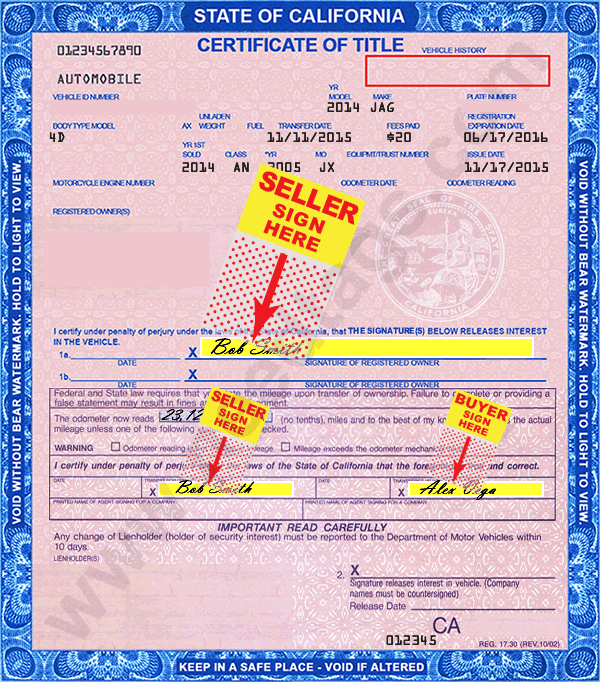
The California DMV implements various security measures to ensure the authenticity of car titles and prevent counterfeiting and fraudulent transfers. These features are often subtle but crucial for distinguishing a genuine title from a fake one.
Watermarks and Special Paper
Genuine California car titles are printed on specialized paper that often includes hidden watermarks. These watermarks are usually visible when the paper is held up to a light source and are designed with intricate patterns that are difficult to replicate. The paper itself may have a unique texture or composition that is distinct from standard printing paper.
Microprinting and Intaglio Printing
Some titles may incorporate microprinting, where extremely small text is used, often requiring magnification to read. This text might be incorporated into borders or design elements. Intaglio printing, a process that creates raised ink, can also be used, giving certain elements of the title a tactile feel.
Holograms and Security Seals
While not always present on every title, advanced security features like holograms or tamper-evident seals can be integrated. These are dynamic visual elements that change appearance when viewed from different angles or under specific lighting conditions, making them challenging to forge.
Unique Serial Numbers
Beyond the vehicle’s VIN, the title itself has a unique serial or certificate number. This number is recorded by the DMV and can be used to verify the legitimacy of the title.
Handling and Protecting Your California Car Title
A car title is a valuable document, and as such, it requires careful handling and secure storage. Losing your title can lead to significant inconvenience and costs, including fees for replacement and potential delays in selling or transferring ownership of your vehicle.
Secure Storage
The best practice is to store your car title in a safe place, separate from your vehicle’s registration or insurance documents. A fireproof safe at home, a secure bank safe deposit box, or a locked filing cabinet are good options. Avoid keeping the original title in your vehicle, as it could be lost or stolen along with the car.
When to Use Your Title
You will typically need your original car title for the following situations:
- Selling your vehicle: The buyer will require the title to register the vehicle in their name. You will need to sign the title over to the buyer.
- Transferring ownership: This includes gifting a vehicle or adding a co-owner.
- Paying off a loan: If you had a lienholder, you will need the clear title once the loan is satisfied.
- Registering a vehicle from out of state: When bringing a vehicle into California for registration, you will need its out-of-state title.
- Applying for a duplicate title: If your original title is lost, stolen, or damaged.
Obtaining a Duplicate Title
If your title is lost, stolen, or damaged, you must apply for a duplicate at the California DMV. This process involves submitting an Application for Duplicate or Transfer of Title (REG 227) form and paying a fee. You will need to provide information to identify the vehicle and prove your ownership. The DMV will then issue a duplicate title, which will be clearly marked as a duplicate.
Lien Release
Once a loan is paid off, the lienholder is obligated to release their lien on the title. They will typically sign a lien release section on the title itself or provide a separate lien release document. This document, along with the title (if the lienholder held it), then allows you to obtain a clear title from the DMV.
Understanding Title Transfers
The transfer of a car title is a fundamental process in vehicle sales and ownership changes. It involves correctly completing the necessary sections on the title document to reflect the new owner.
The Transfer Section
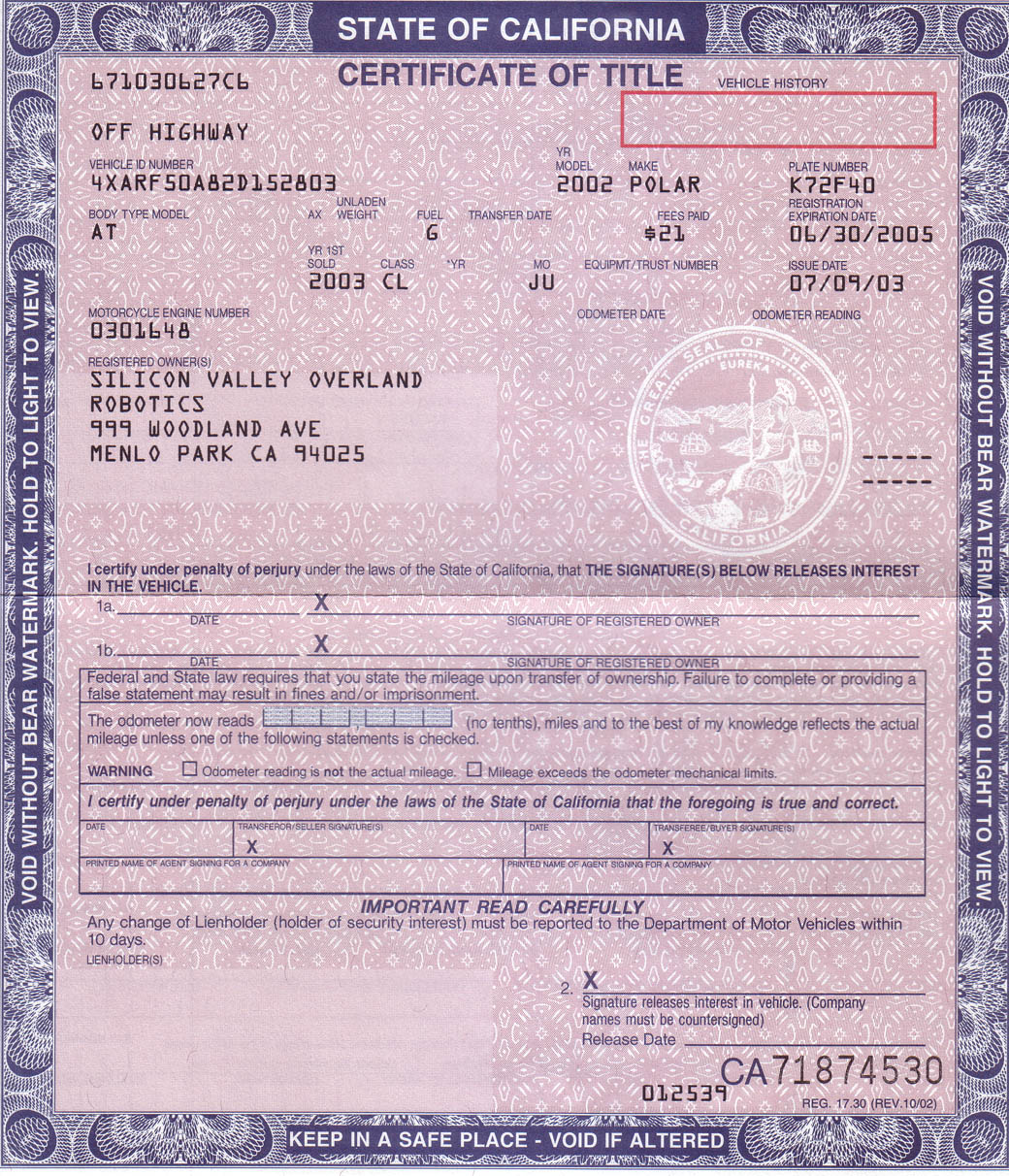
On the back of a California car title, there is a section dedicated to transfers. This is where the seller signs the vehicle over to the buyer. It typically includes spaces for:
- Seller’s Signature(s) and Printed Name(s): All registered owners listed on the title must sign.
- Buyer’s Signature(s) and Printed Name(s): The new owner(s) must also sign.
- Date of Sale: The exact date the transaction occurred.
- Sale Price: The amount the vehicle was sold for.
- Odometer Reading: A precise reading from the vehicle’s odometer at the time of sale.
Correcting Errors
Mistakes on a title transfer can cause significant problems. For instance, an incorrect odometer reading, a misspelled name, or an unsigned section can prevent the buyer from registering the vehicle. If a mistake is made, it is often best to contact the California DMV for guidance. In some cases, a new title may need to be issued.
Responsibility for Transfer
It is crucial for both the buyer and the seller to ensure the title is transferred correctly and promptly. The seller is responsible for accurately completing their part of the transfer to divest themselves of ownership and liability. The buyer is responsible for submitting the properly endorsed title to the DMV within a specified timeframe (usually 10 days) to register the vehicle in their name and avoid penalties.
In essence, the California car title is a foundational document in vehicle ownership. Understanding its appearance, the information it contains, its security features, and how to handle it correctly ensures a smoother and more secure experience for any vehicle owner in the state.
LifeOutOfTheBox is a participant in the Amazon Services LLC Associates Program, an affiliate advertising program designed to provide a means for sites to earn advertising fees by advertising and linking to Amazon.com. Amazon, the Amazon logo, AmazonSupply, and the AmazonSupply logo are trademarks of Amazon.com, Inc. or its affiliates. As an Amazon Associate we earn affiliate commissions from qualifying purchases.