
California, a state synonymous with innovation, iconic landscapes, and a passion for automotive culture, also presents a unique set of challenges for enthusiasts looking to modify their vehicles. Among the most complex and regulated modifications is the engine swap. The Golden State’s stringent emissions standards, overseen by the California Air Resources Board (CARB), mean that not all engine swaps are created equal, and many can lead to significant legal headaches if not executed correctly. For travelers and automotive aficionados who find themselves drawn to California, understanding these regulations is paramount to enjoying the state’s rich automotive heritage without encountering fines or facing the inability to register their beloved modified vehicles. This guide delves into the intricacies of legal engine swaps in California, focusing on the guidelines that govern such modifications, particularly for those planning extended stays or road trips that might involve vehicle registration or inspection.
Navigating California’s Emissions Regulations for Engine Swaps
California’s approach to vehicle emissions is famously strict, aiming to maintain the state’s air quality. When it comes to engine swaps, the primary concern is ensuring that the transplanted engine meets the emissions standards of the vehicle’s original model year or newer, regardless of the donor engine’s origin. This is not merely a suggestion; it’s a legal requirement enforced by the Department of Motor Vehicles (DMV) and CARB.
The “Original Engine Manufacturer” Rule
The cornerstone of California’s engine swap legality is the Original Engine Manufacturer (OEM) rule. Essentially, any engine installed in a vehicle must be a legal engine for that specific vehicle model year or newer, according to the manufacturer’s original specifications. This means:
- Same Manufacturer, Same Emission Category: If you swap an engine into a 1995 Chevrolet pickup truck, you must install an engine that was originally offered in a 1995 or newer Chevrolet truck within the same emissions category (e.g., light-duty truck).
- No Older Engines: You generally cannot swap an older, less-regulated engine into a newer vehicle. The emissions control systems of the newer vehicle are designed to work with its original engine, and a mismatch can lead to compliance issues.
- “Rebuilt” vs. “Newer”: A rebuilt engine generally must still meet the emissions standards of the vehicle’s original model year. It’s the emissions specifications, not just the physical condition, that matter.
Exception for Pre-1974 Vehicles
A significant exception to the strict OEM rule exists for vehicles manufactured in 1973 and older. These vehicles are exempt from the biennial smog inspection requirements. Consequently, engine swaps in these classic automobiles are much more flexible. Enthusiasts can often install a wider range of engines, including those from different manufacturers or newer, more powerful options, without the stringent emissions compliance hurdles. This has made California a popular destination for owners of classic muscle cars and vintage vehicles who wish to modernize their performance while preserving the historical integrity of their cars.
The Role of the “Barron Kit” and Referee Stations
For swaps that fall outside the strictest OEM guidelines, or for vehicles that require a smog check after a swap, the concept of the California Bureau of Automotive Repair (BAR) Referee Station becomes critical. These stations are specially designated facilities authorized to perform inspections and issue certifications for modified vehicles.
The BAR Referee Process
If your engine swap doesn’t strictly adhere to the OEM rule but you believe it can meet emissions standards, you’ll likely need to go through the BAR Referee process. This typically involves:
- Pre-Approval: In some cases, you may need pre-approval from the BAR for a specific type of swap.
- Physical Inspection: The referee will physically inspect the vehicle to ensure all emissions control equipment is present, functional, and correctly installed. This includes the engine control unit (ECU), exhaust system, evaporative emissions control system, and more.
- Emissions Testing: The vehicle will undergo rigorous emissions testing to verify it meets the standards for its original model year or the donor engine’s model year, if applicable and approved.
- Documentation: You will need thorough documentation of the swap, including proof of the donor engine’s origin and emissions compliance.
The “Barron Kit,” while not a specific product but rather a colloquially used term referring to the necessary documentation and procedures for a legal swap, highlights the meticulous paperwork and adherence to regulations required. It underscores that a successful, legal engine swap in California is as much about bureaucracy and compliance as it is about mechanical expertise.
Common Legal Engine Swap Scenarios in California
Understanding the rules opens up several possibilities for legal engine swaps, catering to different automotive desires.
Swapping Within the Same Manufacturer and Emissions Class
This is the most straightforward and legally compliant path. For instance:
- Modernizing a Classic: Replacing a worn-out engine in a 1970 Ford Mustang with a slightly newer, more efficient, but still emissions-compliant Ford engine from a comparable model year.
- Performance Upgrade: Swapping a V6 engine in a 1990s Toyota Camry for a more powerful V6 from a later model year Camry or a different Toyota model within the same emissions bracket.
These swaps are generally well-received by the DMV and BAR as they maintain the vehicle’s intended emissions profile.
The LS Swap and Its California Challenges
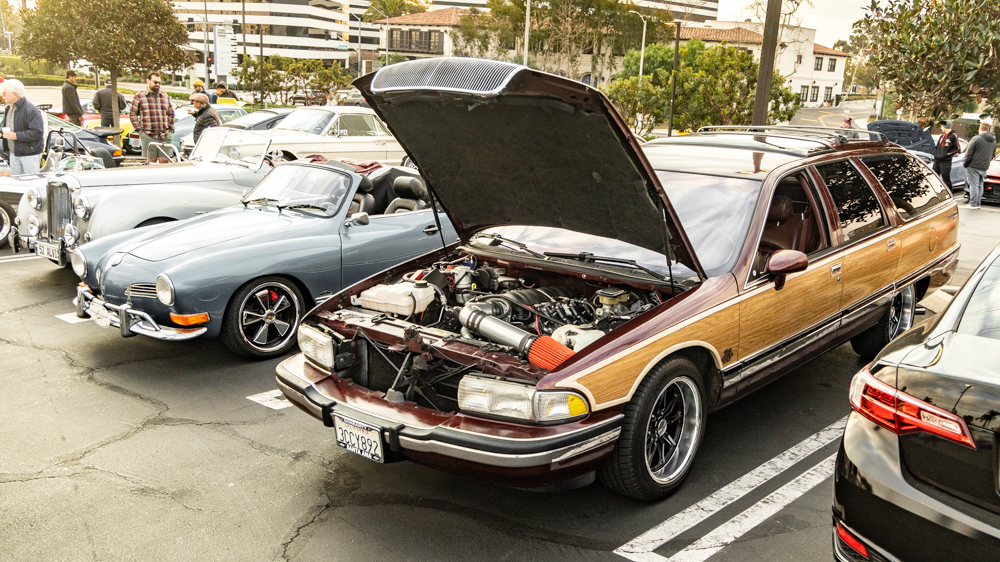
The swap of a General Motors LS engine into various platforms, particularly older vehicles like classic Porsches or Japanese sports cars, is incredibly popular nationwide. However, California presents significant hurdles.
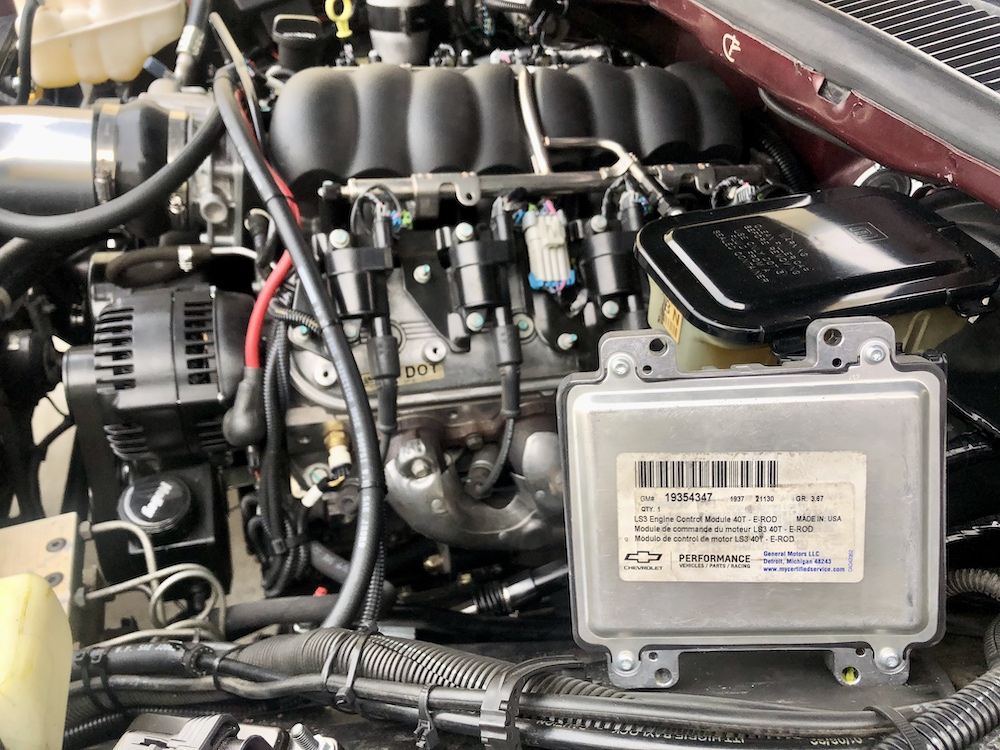
- CARB EO Numbers: For an LS swap into a vehicle that is less than 20 years old, the LS engine (or the swap kit facilitating it) must have a CARB Executive Order (EO) number. This EO signifies that CARB has reviewed the specific swap configuration and deemed it compliant with emissions standards.
- Finding an EO-Approved Kit: Not all LS swap kits are CARB-approved. Finding a kit that has an EO number for your specific donor vehicle and LS engine combination is crucial. These kits often include all necessary components to ensure emissions systems are properly integrated.
- Pre-1974 Vehicles: As mentioned, if the vehicle you are swapping the LS engine into is from 1973 or older, the emissions compliance is significantly less restrictive, making LS swaps far more accessible.
Diesel to Gasoline or Gasoline to Diesel Swaps
These types of swaps are often complex from an emissions perspective.
- Diesel to Gasoline: Swapping a gasoline engine into a vehicle originally equipped with a diesel engine (or vice-versa) requires careful consideration. The vehicle’s emissions control systems, diagnostic capabilities, and even fuel systems are fundamentally different. The engine must meet the emissions requirements for the vehicle’s original model year, which is typically more challenging when changing fuel types.
- Diesel Upgrades: Swapping a diesel engine for a newer, cleaner diesel engine is often more feasible, provided the newer engine is from a model year that meets California’s standards.
Essential Steps for a Legal Engine Swap in California
For travelers planning to undertake or commission an engine swap in California, or for those who have recently moved to the state with a modified vehicle, a systematic approach is vital.
1. Research Thoroughly
- Vehicle History: Understand the exact model year, emissions classification, and original engine of your vehicle.
- Donor Engine: Identify the specific donor engine, including its model year and original application.
- CARB Database: Consult the CARB EO database for approved engine swap kits and specific engine configurations. This is the most critical resource.
- Consult Experts: Speak with reputable shops specializing in engine swaps in California. They will be familiar with the latest regulations and successful compliance strategies.
2. Prioritize CARB-Approved Components and Kits
- Executive Orders (EOs): Always look for swap kits and components that have a CARB EO number. This number is your golden ticket to proving compliance.
- Documentation: Keep meticulous records of all parts used, including manufacturer, part numbers, and any EO numbers associated with them.
3. Proper Installation is Key
- Emissions Systems: Ensure all original emissions control equipment from the donor engine is properly installed and functional. This includes the catalytic converter, oxygen sensors, evaporative emissions canister, and any associated plumbing and wiring.
- ECU Integration: The Engine Control Unit (ECU) must be correctly programmed and integrated with the vehicle’s existing systems, or a compatible aftermarket ECU must be used.
- Professional Installation: While DIY is an option for many, for a legal California swap, professional installation by a shop familiar with BAR procedures can significantly increase your chances of passing inspection.

4. The BAR Referee Inspection
- Be Prepared: Have all your documentation ready, including receipts, installation records, and any pre-approval paperwork.
- Honesty is the Best Policy: Be upfront with the referee about the modifications performed.
- Patience: The referee process can sometimes be lengthy, but it is the ultimate gatekeeper for legality.
For those planning road trips through California or considering a longer stay, understanding these regulations is crucial. While the state’s beauty is undeniable, from the coastlines near San Diego to the mountains surrounding Lake Tahoe, navigating its automotive laws requires foresight and meticulous planning. An improperly modified vehicle can lead to frustrating delays, unexpected costs, and the inability to enjoy the freedom of the open road. By adhering to these guidelines, automotive enthusiasts can ensure their California adventures are as smooth and enjoyable as the legendary Pacific Coast Highway itself.
LifeOutOfTheBox is a participant in the Amazon Services LLC Associates Program, an affiliate advertising program designed to provide a means for sites to earn advertising fees by advertising and linking to Amazon.com. Amazon, the Amazon logo, AmazonSupply, and the AmazonSupply logo are trademarks of Amazon.com, Inc. or its affiliates. As an Amazon Associate we earn affiliate commissions from qualifying purchases.