
For many travelers, particularly those from the United States or visitors seeking a taste of familiar American comfort food, the thought of finding a reliable, quick-service dining option like Boston Market during their explorations has always been a reassuring constant. However, recent years have seen significant shifts in the casual dining landscape, prompting many tourists to wonder about the continued accessibility of this iconic rotisserie chicken chain. The answer, while not a simple yes or no, has notable implications for how tourists plan their culinary experiences and navigate dining options in various destinations.
The Evolving Landscape of Tourist Dining Options
The food scene is an integral part of the tourism experience, offering insights into local culture, traditions, and the daily lives of residents. For some, part of the comfort of travel is knowing that familiar dining options are available, especially after a long day of sightseeing or when navigating unfamiliar culinary territory. For others, the very essence of travel is to discover new flavors and embrace local gastronomy. The status of a national chain like Boston Market directly impacts both perspectives.
The Allure of Familiarity for Travelers
When exploring a new city or country, the sheer volume of choices—from language barriers to transportation—can be overwhelming. For many American tourists, or international visitors accustomed to American fast-casual dining, stumbling upon a Boston Market could offer a welcome respite. It represents a known quantity: predictable flavors, accessible pricing, and a quick, no-fuss meal. This sense of familiarity can be particularly appealing for family travelers with picky eaters, business travelers on a tight schedule, or budget-conscious tourists looking for a reliable meal without the unknowns of a local establishment. The comfort of a rotisserie chicken dinner or a side of creamed spinach can be a small slice of home in an otherwise foreign environment, allowing travelers to recharge before diving back into their adventure. This psychological comfort plays a significant role in how some tourists approach their dining decisions, often balancing the desire for novel experiences with the need for convenience and reassurance.
Adapting to Local Culinary Shifts
The increasing number of closures for chains like Boston Market signifies a broader shift in consumer preferences and the economic realities of the restaurant industry. For tourists, this means that relying on a once-ubiquitous chain might no longer be a viable strategy. Instead, it subtly pushes travelers to engage more deeply with local food scenes. While this can initially seem like an inconvenience for those seeking familiarity, it often leads to more authentic and memorable culinary experiences. Destinations are increasingly highlighting their unique culinary heritage, from street food vendors to farm-to-table restaurants, providing a rich tapestry of flavors that can’t be replicated by national chains. As such, the evolving dining landscape encourages tourists to be more adventurous, to research local eateries, and to view dining as an integrated part of their cultural immersion rather than just a means to an end. This adaptation transforms potential disappointment into an opportunity for discovery.
Understanding Boston Market’s Current Footprint
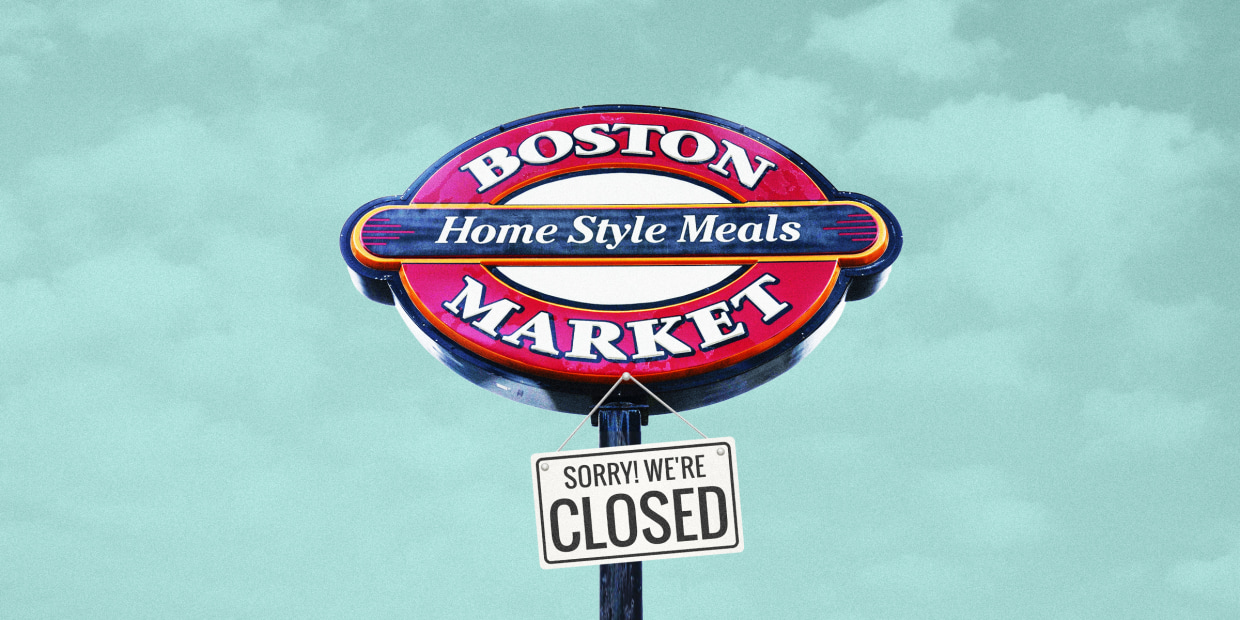
To address the core question directly: no, not all Boston Market locations are closed, but the chain’s footprint has significantly diminished over recent years. The company has faced substantial financial difficulties, leading to a wave of closures across the United States. This dramatic reduction means that finding a Boston Market requires more deliberate planning and research for travelers than ever before.
Recent Store Closures and Their Impact
The period between 2020 and 2023 saw a dramatic reduction in the number of Boston Market restaurants. What was once a relatively common sight in suburban shopping centers and urban areas, particularly in states like California, Florida, and the Northeast, has become increasingly rare. These closures were often abrupt, leaving many loyal customers and potential tourists wondering about the chain’s future. The impact on tourism is subtle but real. For a tourist visiting a city like Philadelphia or Atlanta who might have previously counted on a convenient Boston Market for a quick meal, those options are now largely gone. This necessitates a shift in planning, pushing visitors towards local alternatives or other fast-casual chains that have maintained a stronger presence. The absence of a familiar dining option can influence micro-decisions during travel, such as where to stop for lunch between museum visits or what to grab for dinner after a long day at an amusement park.
Where Travelers Might Still Find a Boston Market
While the number has drastically shrunk, a limited number of Boston Market locations do still operate. These remaining restaurants are primarily concentrated in a few key areas, though their exact locations are subject to change and should always be verified prior to travel. Tourists hoping to find a functioning Boston Market would be wise to check the company’s official website or reliable third-party restaurant locators with up-to-date information. Cities in metropolitan areas, particularly in states like New York (outside New York City proper, which has seen extensive closures) and certain pockets of the Midwest, might still host a few operational units. However, relying on finding one spontaneously is no longer a realistic approach for any tourist. The experience has shifted from a readily available option to a rare find, turning a simple meal into a specific pursuit for those determined to revisit the chain’s offerings. This scarcity underscores the importance of thorough planning for any tourist who wishes to integrate specific dining experiences into their travel itinerary.
Beyond Boston Market: Exploring Local Food Alternatives
The diminishing presence of familiar chains like Boston Market ultimately provides an excellent opportunity for tourists to delve deeper into the local culinary scene. Embracing regional cuisine is one of the most enriching aspects of travel, offering a tangible connection to the culture and history of a destination. Instead of seeking out the familiar, travelers can pivot to discovering unique flavors that define a place.

Embracing Regional Cuisine as a Tourist
Every destination boasts a unique food identity, shaped by its geography, history, and cultural influences. For example, a trip to New Orleans offers the rich, spicy flavors of Creole and Cajun cuisine, from gumbo and jambalaya to beignets. Visiting Chicago means sampling deep-dish pizza and hot dogs with a specific set of toppings. Even within the broader category of American comfort food, local diners and family-owned restaurants often offer regional specialties that far surpass the offerings of national chains. Tourists who consciously choose to explore these local alternatives contribute directly to the local economy and gain a more authentic understanding of their destination. This approach also allows for serendipitous discoveries – a hidden gem of a cafe, a bustling market stall, or a roadside diner with a legendary pie, all of which become memorable parts of the travel story.
Tips for Discovering Authentic Local Eats
To successfully navigate and enjoy local food scenes, a bit of strategic planning goes a long way:
- Consult Local Guides and Blogs: Before arriving, research local food blogs, reputable travel guides, and tourism websites specific to your destination. These often highlight hidden gems, popular local haunts, and must-try dishes.
- Ask the Locals: Once you’ve arrived, don’t hesitate to ask hotel staff, tour guides, shopkeepers, or even friendly residents for their personal recommendations. Locals often know the best spots that aren’t necessarily tourist traps.
- Explore Food Markets: Local markets are a fantastic way to experience the culinary heart of a city. You can sample fresh produce, artisanal goods, and often find street food vendors offering delicious, authentic bites.
- Look for Busy Spots: A restaurant packed with locals is usually a good sign of quality and authenticity. Don’t be afraid to queue; the wait is often worth it.
- Be Adventurous: Step outside your comfort zone. Try dishes you’ve never heard of, experiment with new flavors, and embrace the unique culinary traditions of your destination. This openness is key to a truly rewarding food tourism experience.
- Consider Food Tours: In many major tourist destinations, organized food tours offer a curated experience, guiding you through local markets, eateries, and teaching you about the region’s food history and culture. These can be an excellent way to get an initial taste of the local scene.
Planning Your Culinary Journey: Practical Tips for Tourists
In an era where dining options are constantly evolving, pre-planning has become crucial for tourists, especially when specific dietary needs, budget constraints, or a desire for particular types of cuisine are involved. The days of simply assuming certain chains will be available are largely over.
Researching Dining Options Before You Go
Gone are the days when a traveler could simply wander into any town and expect to find a Boston Market or similar chain without prior investigation. Modern travel necessitates proactive research into dining options. Before embarking on a trip, create a list of potential restaurants and cafes in your target destination. Use mapping applications to see what’s located near your hotel or major attractions. Check online reviews, looking for recent feedback on food quality, service, and atmosphere. If you have dietary restrictions or preferences, this research is even more critical. Many restaurant websites now clearly list menus and allergen information, enabling you to plan meals that cater to your needs. This foresight prevents disappointment and ensures that your dining experiences enhance, rather than detract from, your overall trip.
Leveraging Technology for Food Discovery
The digital age has revolutionized how tourists discover and engage with local food scenes. A plethora of apps and websites are now invaluable tools for any culinary explorer:
- Restaurant Review Platforms: Websites and apps like Yelp, TripAdvisor, and Google Maps offer user-generated reviews, photos, and often menus, helping travelers filter by cuisine type, price range, and proximity.
- Food Delivery Services: Even if you prefer to dine out, knowing which food delivery services (Uber Eats, DoorDash, Grubhub, or local equivalents) operate in a destination can be a valuable backup. They provide a comprehensive list of available restaurants and can be a lifesaver on a rainy evening or when too tired to venture out.
- Social Media: Platforms like Instagram and TikTok have become visual guides to food trends and hidden gems. Searching relevant hashtags (e.g., #BostonFood, #ParisEats, #San FranciscoFoodie) can unveil visually appealing and popular local spots.
- Reservation Apps: For popular or high-end restaurants, booking apps like OpenTable or local equivalents are essential to secure a table, especially during peak tourist seasons.

Budgeting for Diverse Dining Experiences
Understanding the shifting restaurant landscape also informs how tourists should budget for food. While chains like Boston Market historically offered a relatively affordable and predictable option, their reduced availability means travelers might need to allocate funds differently. Exploring local eateries can range from extremely budget-friendly street food to high-end gastronomic experiences.
Consider creating a daily food budget that allows for a mix of dining styles:
- Budget-friendly options: Seek out local markets, food trucks, small cafes, and bakeries for breakfasts and casual lunches. These often provide authentic flavors at a fraction of the cost of sit-down restaurants.
- Mid-range dining: Plan for a few mid-range restaurant meals to experience local specialties in a more relaxed setting.
- Splurge meal: If your budget allows, allocate funds for one or two memorable fine dining experiences that showcase the pinnacle of the local culinary scene.
By diversifying your dining strategy and budget, tourists can not only cope with the absence of familiar chains but also transform their meals into an enriching and exciting component of their travel adventure. The answer to “Are all Boston Markets closed?” is complex, but the broader implication for tourists is clear: embrace change, explore local flavors, and plan diligently for a truly unforgettable culinary journey.
LifeOutOfTheBox is a participant in the Amazon Services LLC Associates Program, an affiliate advertising program designed to provide a means for sites to earn advertising fees by advertising and linking to Amazon.com. Amazon, the Amazon logo, AmazonSupply, and the AmazonSupply logo are trademarks of Amazon.com, Inc. or its affiliates. As an Amazon Associate we earn affiliate commissions from qualifying purchases.