
Navigating the legal landscape of any destination is a crucial part of responsible travel. For those planning a trip to the Golden State, understanding local ordinances, especially those pertaining to activities that can quickly escalate from festive to problematic, is paramount. Fireworks, often associated with celebrations, carry significant legal implications in California. This guide delves into the specifics of possessing and using fireworks in California, outlining the potential consequences and the varying regulations across different jurisdictions. Ensuring a safe and lawful experience will allow you to fully enjoy your visit, from the sun-drenched beaches of Southern California to the majestic redwoods of the north.

Understanding California’s Fireworks Laws
California has some of the strictest fireworks laws in the United States. The primary distinction lies between “dangerous” fireworks, which are illegal for civilian use statewide, and “safe and sane” fireworks, which are permitted in specific localities under strict conditions.
Dangerous Fireworks: A Statewide Prohibition
“Dangerous” fireworks are defined by their explosive potential and are considered a severe fire hazard. This category includes, but is not limited to:
- Aerial bombs: Devices that launch projectiles into the air.
- Missiles: Fireworks designed to fly through the air.
- Rockets: Fireworks propelled by a motor.
- Firecrackers: Explosive devices that produce a loud noise.
- Cherry bombs: A type of firecracker.
- M-80s and larger: High-explosive devices.
- Artillery shells: Fireworks launched from a mortar.
- Roman candles: Devices that shoot flaming balls.
- Aerial spinners: Fireworks that spin and fly.
Possession of these illegal fireworks in California is a serious offense. The penalties can range from a misdemeanor to a felony, depending on the quantity and intent of possession.
Safe and Sane Fireworks: Localized Permissions
“Safe and sane” fireworks are designed to ignite and explode on the ground, without projectile capabilities. These typically include items like:
- Fountains: Devices that emit sparks.
- Sparklers: Sticks that produce sparks.
- Spinners: Ground-based spinning devices.
- Cakes: Multi-shot devices that stay on the ground.
- Pot-of-gold: A type of fountain.
- Smoke balls: Devices that emit colored smoke.
Even these “safe and sane” fireworks are not legal everywhere in California. Their sale and use are permitted only in specific cities and counties that have passed local ordinances allowing them. These jurisdictions often designate specific dates and times for their legal use, typically around holidays like the Fourth of July. It is imperative for travelers to research the specific fireworks laws of the city or county they are visiting. For instance, if you’re visiting a theme park like Disneyland in Anaheim, you won’t find them being sold locally, but rather enjoy professional displays.
Penalties for Possession and Use
The consequences of being caught with illegal fireworks in California can be severe, impacting both your wallet and your freedom. Understanding these potential repercussions is vital for anyone considering bringing fireworks into the state or purchasing them within its borders.
Misdemeanor Charges and Fines
Possession of dangerous fireworks is typically classified as a misdemeanor. This can result in:
- Significant fines: Fines can range from hundreds to thousands of dollars.
- Jail time: Offenders may face up to one year in county jail.
- Community service: Performing unpaid work for the community.
- Confiscation of fireworks: All illegal fireworks will be seized.
The exact penalties can vary depending on the specific county or city and the discretion of law enforcement and the courts.
Felony Charges and Enhanced Penalties
In certain circumstances, the possession or use of fireworks can be elevated to a felony offense. This is more likely to occur when:
- Large quantities are involved: Possessing a substantial amount of illegal fireworks can suggest intent for distribution or large-scale illegal use.
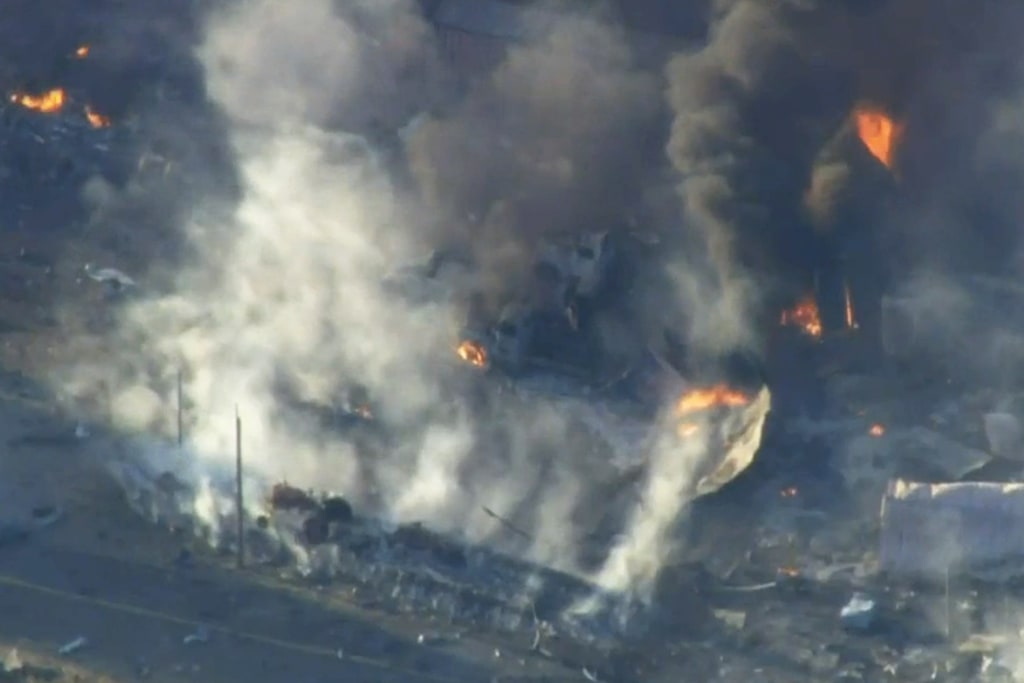
- Fireworks are used to cause harm or damage: If the use of fireworks leads to injury or property destruction, felony charges are almost certain.
- Prior offenses: Individuals with previous fireworks-related convictions may face harsher penalties.
A felony conviction carries more severe consequences, including longer prison sentences, substantial fines, and a permanent criminal record that can affect future employment, housing, and travel opportunities.
Beyond Criminal Charges: Fire Hazard and Liability
The legal ramifications extend beyond criminal charges. Possessing or using illegal fireworks poses an extreme fire risk, especially in California’s often dry climate.
- Arson charges: If the use of fireworks leads to a wildfire, individuals can be charged with arson, a serious felony with severe penalties, including lengthy prison sentences and massive restitution for damages.
- Civil liability: If your fireworks cause damage to property or injury to others, you can be held civilly liable for all associated costs, including medical bills, property repair, and pain and suffering. This can result in devastating financial ruin.
The California Department of Forestry and Fire Protection (Cal Fire) consistently warns about the dangers of fireworks, emphasizing that even seemingly minor incidents can escalate rapidly.
Traveling to California with Fireworks
Bringing fireworks from out of state into California is strictly prohibited and carries the same penalties as possessing illegal fireworks within the state. Law enforcement agencies at border crossings and within the state are vigilant in enforcing these laws.
Border Patrol and Law Enforcement Scrutiny
When traveling into California, whether by car, bus, or other means, your vehicle may be subject to inspection. Border patrol agents and state highway patrol officers are trained to identify illegal items, including fireworks. If fireworks are discovered, they will be confiscated, and you will likely face legal charges.
Understanding the “Why” Behind the Laws
The stringent fireworks laws in California are rooted in public safety and the prevention of wildfires. The state has a long history of devastating fire seasons, exacerbated by dry conditions and high winds. Fireworks, even those deemed “safe and sane,” can easily ignite dry brush and lead to uncontrollable blazes. The goal is to protect lives, property, and the state’s natural beauty. For visitors who wish to experience fireworks, attending professional displays organized by municipalities or private entities in approved locations, such as those often seen over San Francisco Bay or at events in cities like San Diego, is the safest and most legal option.
Alternatives to Personal Fireworks Use
For travelers seeking to enjoy festive atmospheres without breaking the law, California offers numerous alternatives to personal fireworks use. These options provide spectacular entertainment while adhering to safety and legal standards.
Professional Fireworks Displays
The most common and recommended alternative is to attend organized professional fireworks displays. Many cities and towns across California host large-scale events for holidays like the Fourth of July and New Year’s Eve. These displays are conducted by licensed professionals who ensure safety and maximum visual impact. Popular locations for such displays include:
- Grand Park in Los Angeles: Often hosts a major New Year’s Eve celebration with fireworks.
- San Francisco: The Embarcadero area typically features spectacular Fourth of July fireworks over the bay.
- Sacramento: The state capital often has public fireworks displays.
- Theme Parks: Major theme parks like Disneyland in Anaheim and Universal Studios Hollywood regularly present impressive fireworks shows as part of their entertainment offerings.
Local Celebrations and Events
Beyond fireworks, California boasts a rich tapestry of local culture and events that can provide a memorable travel experience. Many communities organize parades, festivals, concerts, and other family-friendly activities that capture the spirit of celebration without the risks associated with fireworks. Researching local event calendars for the specific dates and locations of your visit can reveal a wealth of engaging activities. Whether you’re exploring the wine country of Napa Valley or enjoying the vibrant scene in Palm Springs, there are always unique ways to engage with the local culture.

Responsible Tourism and Community Engagement
Ultimately, responsible tourism in California involves respecting local laws and customs. By opting for legal and safe alternatives, travelers contribute to the safety and well-being of the communities they visit. This mindful approach ensures that your travel experiences are enjoyable, memorable, and free from legal entanglements, allowing you to fully appreciate the diverse attractions California has to offer, from its iconic landmarks to its stunning natural landscapes.
LifeOutOfTheBox is a participant in the Amazon Services LLC Associates Program, an affiliate advertising program designed to provide a means for sites to earn advertising fees by advertising and linking to Amazon.com. Amazon, the Amazon logo, AmazonSupply, and the AmazonSupply logo are trademarks of Amazon.com, Inc. or its affiliates. As an Amazon Associate we earn affiliate commissions from qualifying purchases.