
California, a state celebrated for its diverse landscapes and vibrant agricultural output, presents a fascinating study in horticultural possibilities. The concept of USDA Hardiness Zones, a system developed by the United States Department of Agriculture, is crucial for understanding which plants can thrive in different regions. These zones are based on average annual minimum winter temperatures, and California’s vast geographic expanse encompasses an astonishing range of these zones, from the subtropical coasts to the alpine peaks and arid deserts. This variability makes the Golden State a unique and rewarding destination for gardeners, farmers, and anyone interested in the natural world.
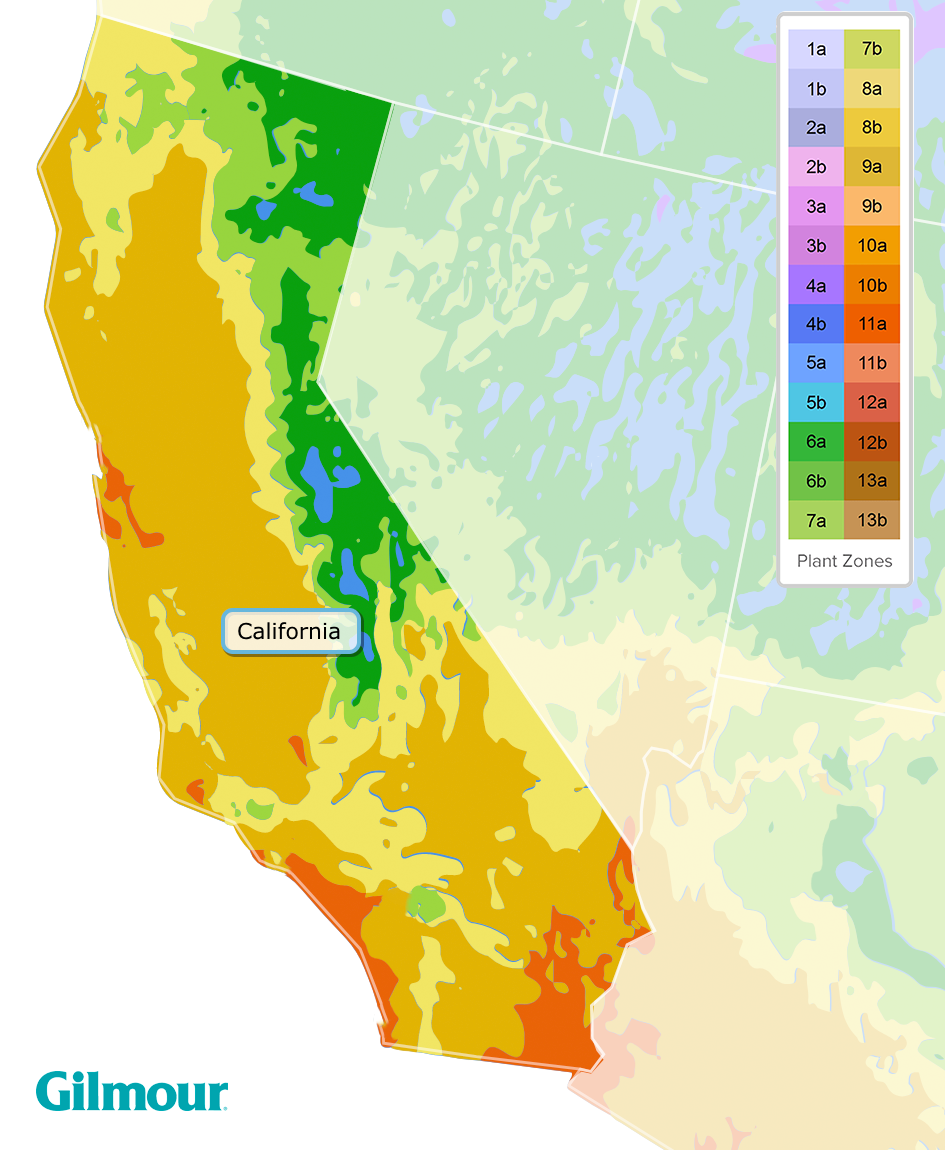
The hardiness zones are critical for travelers and locals alike, as they directly influence the types of flora one can expect to encounter and cultivate. Whether you’re planning a visit to the vineyards of Napa Valley or exploring the wildflowers of the Sierra Nevada Mountains, understanding these zones provides a deeper appreciation for the state’s ecological tapestry. This knowledge empowers individuals to make informed decisions about planting, visiting botanical gardens, or simply understanding the resilience of California’s natural beauty.
Unpacking California’s Hardiness Zone Spectrum
California’s remarkable climatic diversity is the primary driver behind its extensive range of hardiness zones. Unlike many states with a more uniform climate, California stretches over 770 miles north to south and features dramatic elevation changes, from below sea level in the Salton Sea area to over 14,000 feet in the White Mountains. This geographical complexity results in a mosaic of microclimates, each supporting distinct plant communities.
Coastal Influence and Pacific Breezes
Along the Pacific coastline, California generally experiences milder winters due to the moderating influence of the ocean. This is particularly true for Southern California.
- Zone 9b and 10a: Many coastal areas, including parts of Los Angeles, San Diego, and Santa Barbara, fall within these zones. Here, average minimum winter temperatures rarely dip below 25°F (-3.9°C). This allows for the cultivation of a wide array of subtropical plants, such as citrus trees, palms, and bougainvillea, which might not survive colder winters inland. These zones are conducive to year-round gardening and offer a pleasant climate for outdoor activities and exploring attractions like the Griffith Observatory.
- Northern Coast: Moving north along the coast, while still temperate, temperatures can be slightly cooler, with zones often ranging from 8b to 9b. Cities like San Francisco and Eureka experience less extreme temperature fluctuations, though fog can be a significant factor.
Inland Valleys and Continental Extremes
The vast inland valleys and plains of California experience more pronounced temperature variations than the coast, with hotter summers and colder winters.
- Central Valley: This agricultural heartland, encompassing cities like Sacramento, Fresno, and Bakersfield, typically falls into Zones 8b through 9b. While summers can be intensely hot, the winter minimums are often cold enough to be suitable for deciduous fruit trees that require a period of chilling, such as apples and cherries. This region is renowned for its diverse agricultural production, from almonds and grapes to tomatoes and cotton.
- Low Desert Regions: Areas like the Coachella Valley and the vicinity of the Salton Sea fall into much warmer zones, often Zone 9b or even 10a, due to their extreme heat and relatively mild winters. However, these regions can also experience occasional frost, so careful plant selection is still advised.
Mountain Ranges and Alpine Climates
California’s prominent mountain ranges, including the Sierra Nevada, the Transverse Ranges, and the Peninsular Ranges, present the coldest climates within the state.
- Zones 4b to 7b: Higher elevations, such as those found in Yosemite National Park or near Lake Tahoe, can experience significant snowfall and prolonged periods of sub-freezing temperatures. These areas are classified into much colder hardiness zones, sometimes dipping as low as Zone 4b or 5b, with average minimums well below 0°F (-18°C). This allows for the growth of hardy conifers, alpine wildflowers, and plants adapted to harsh winter conditions. These zones are ideal for winter sports and appreciating the rugged beauty of California’s mountains.
Navigating California’s Zones for Travel and Activities
Understanding California’s hardiness zones offers travelers valuable insights into the state’s natural environment and the types of outdoor activities available throughout the year. The plant life you encounter, from the vibrant flora in botanical gardens to the native species on hiking trails, is directly shaped by these climatic distinctions.
Coastal Adventures and Mediterranean Blooms
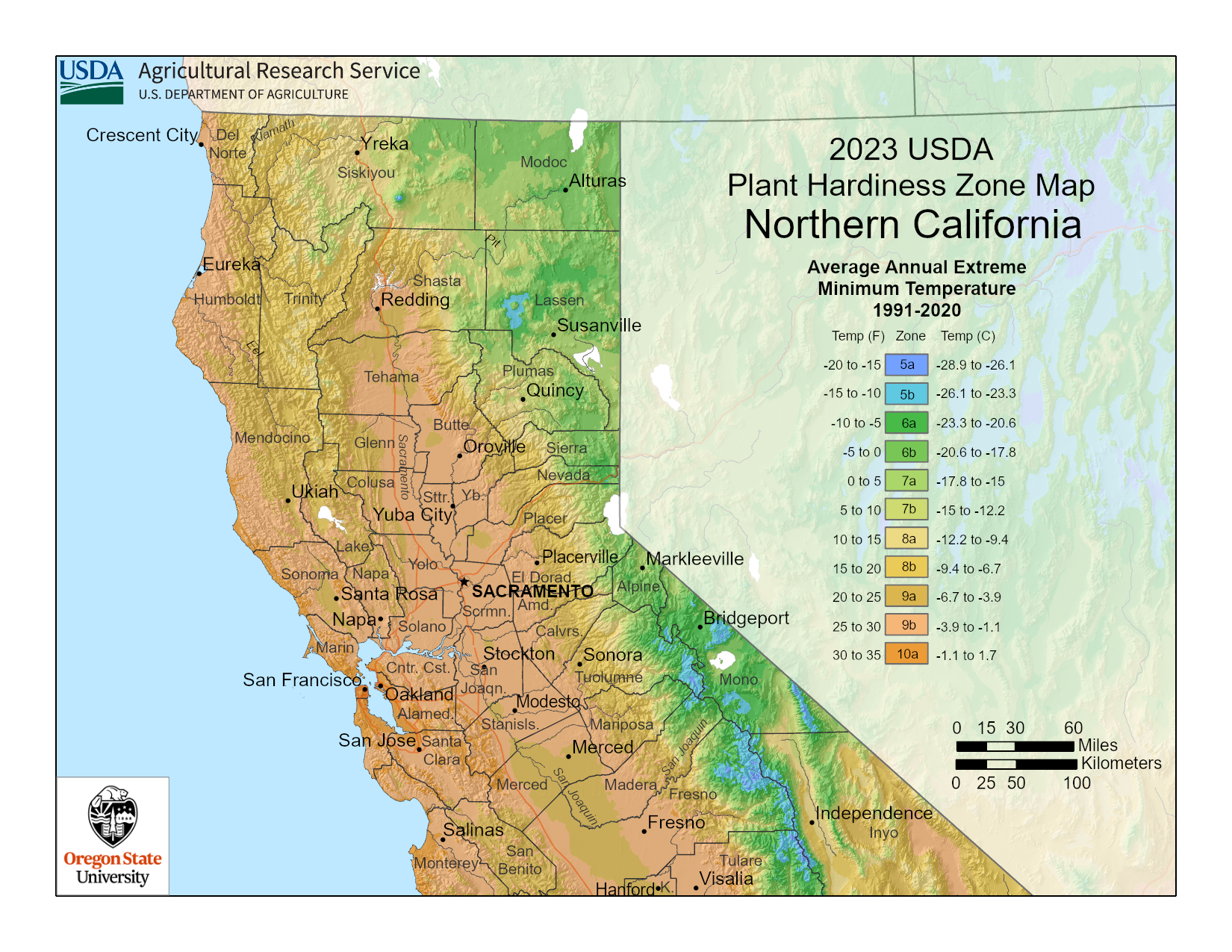
The coastal regions, predominantly in Zones 9b and 10a, are havens for visitors seeking mild weather and lush vegetation.
- Southern California Coasts: Areas around Malibu, Laguna Beach, and the Channel Islands are ideal for exploring botanical gardens filled with succulents, palms, and flowering shrubs that thrive year-round. This climate supports a vibrant tourism industry with numerous outdoor attractions and opportunities for water sports.
- Northern California Coast: While cooler, the northern coast offers opportunities to explore coastal redwood forests and gardens featuring plants adapted to cooler, damper conditions, such as hydrangeas and fuchsias, which often perform well in Zones 8b and 9a.
Inland Exploration and Agricultural Tourism
The inland areas, with their more pronounced seasonal changes, offer distinct travel experiences.
- Wine Country: The famous wine regions like Napa Valley and Sonoma County are largely within Zones 8b to 9b, allowing for the cultivation of grapevines that benefit from warm summers and cool, but not extreme, winter nights. Visitors can enjoy vineyard tours and wine tastings throughout the harvest season.
- Desert Landscapes: Traveling to regions like Palm Springs or Joshua Tree National Park (primarily in Zones 8b-10a) offers a chance to witness unique desert flora adapted to arid conditions. The best times to visit are typically spring and fall, when temperatures are more moderate, though even winter can be pleasant.
Mountain Retreats and Seasonal Wonders
The mountainous regions, with their colder hardiness zones, transform dramatically with the seasons.
- Winter Sports: Areas around Mammoth Lakes and Squaw Valley (often Zone 6b or colder) become popular destinations for skiing and snowboarding during the winter months, taking advantage of the deep snowpack.
- Summer Hiking and Nature: In the summer, these same mountainous areas, even in colder zones, become prime destinations for hiking, camping, and enjoying cooler temperatures. The alpine meadows burst into bloom with a variety of wildflowers, showcasing the resilience of life in these challenging environments. The contrast between the snow-capped peaks and the vibrant summer wildflowers is a spectacular natural display.
Planting and Gardening Tips Across California
For those who wish to cultivate their own piece of California, understanding the hardiness zone is the first step. This knowledge can save time, money, and disappointment by guiding plant selection.
Zone-Specific Plant Recommendations
Each hardiness zone in California supports a unique palette of plants.
- Zones 9b-10a (Coastal & Southern Inland): Ideal for a wide variety of flowering shrubs like hibiscus, gardenia, and bird of paradise. Citrus trees, avocados, and many types of palms thrive here. Roses also do exceptionally well in these warmer climates. This zone is perfect for those dreaming of a sub-tropical garden paradise.
- Zones 8b-9a (Central Valley & Inland Foothills): Suitable for a broader range of fruit trees, including peaches, plums, and figs, which often require a specific number of chilling hours that these zones provide. Many varieties of vegetables and ornamental flowers will also flourish. Hardy perennials and drought-tolerant native plants are also excellent choices for these areas.
- Zones 7b and colder (Mountainous Regions): These zones are best for plants that can withstand significant frost and snow. Conifers, hardy maples, fruit trees that require substantial chilling like certain apple varieties, and robust perennials such as hostas and peonies will succeed. Native alpine plants are also excellent choices for this challenging climate.
Water-Wise Gardening in a California Climate
Given California’s varied rainfall patterns and increasing concerns about water conservation, choosing drought-tolerant plants and employing water-wise gardening techniques is essential across all zones, though particularly critical in the warmer, drier inland and desert regions.
- Native Plants: California boasts an incredible array of native plants that are perfectly adapted to the local climate and soil conditions. Incorporating species like California poppies, manzanitas, and various salvias can significantly reduce water needs and support local wildlife.
- Mulching: Applying a layer of organic mulch around plants helps retain soil moisture, suppress weeds, and regulate soil temperature.
- Drip Irrigation: Using drip irrigation systems delivers water directly to the plant’s root zone, minimizing evaporation and runoff, which is a highly efficient watering method.
- Hydrozoning: Grouping plants with similar water requirements together allows for more efficient and targeted watering.
By understanding the hardiness zone map of California, one can better appreciate the state’s ecological richness, plan more informed travel itineraries, and cultivate a thriving garden, whether in a coastal oasis or a mountain retreat. This knowledge unlocks a deeper connection to the diverse natural beauty of the Golden State.
LifeOutOfTheBox is a participant in the Amazon Services LLC Associates Program, an affiliate advertising program designed to provide a means for sites to earn advertising fees by advertising and linking to Amazon.com. Amazon, the Amazon logo, AmazonSupply, and the AmazonSupply logo are trademarks of Amazon.com, Inc. or its affiliates. As an Amazon Associate we earn affiliate commissions from qualifying purchases.