
Losing your driver’s license, especially in a state as vast and diverse as California, can feel like a significant setback, particularly if you’re on a road trip or planning to explore its many attractions. While a lost license can present immediate challenges, understanding the process for replacement and the temporary measures available can transform a stressful situation into a manageable one. This guide focuses on the practical steps and considerations for navigating this predicament within the Golden State, ensuring your Californian adventures don’t come to an abrupt halt.
Understanding the Immediate Implications of a Lost License
The immediate concern upon realizing your California driver’s license is missing is its impact on your ability to drive legally and perform other essential tasks. While many people equate a driver’s license solely with operating a vehicle, it also serves as a primary form of identification. This dual function means its absence can affect more than just your time behind the wheel.
Driving Legally Without Your License
In California, it is illegal to operate a motor vehicle without carrying your driver’s license. If you are stopped by law enforcement, you will need to prove that you possess a valid license, even if it’s temporarily misplaced. Without it, you could face citations and fines. However, the consequences are generally less severe if you can later prove that you had a valid license at the time of the stop and that it was merely lost, rather than suspended or revoked.
Identification Beyond Driving
Your driver’s license is widely accepted as a form of identification for various purposes. This includes:
- Boarding flights: While not always the sole required document, it’s a primary form of ID for domestic air travel.
- Entering secure buildings: Many government buildings, courthouses, and even some private offices require a valid ID for entry.
- Purchasing age-restricted items: This includes alcohol and tobacco products.
- Opening bank accounts or conducting financial transactions: Banks often require a government-issued photo ID.
- Picking up prescriptions: Pharmacies may ask for identification.
If your license is lost, you might need to rely on other forms of identification, such as a passport, state-issued ID card (if you have a backup), or military ID. This can complicate simple daily activities and potentially disrupt travel plans.
Temporary Solutions While Awaiting Replacement
If you are visiting California and discover your license is missing, or if you are a resident and need to drive immediately, there are limited temporary measures. The primary goal is to obtain a replacement as quickly as possible. However, in the interim, understanding your options is crucial.
- Proof of Identity: Carrying other forms of identification is paramount. A passport is an excellent alternative for identification purposes. If you have a state-issued ID card from your home state, keep that with you as well.
- Vehicle Registration and Insurance: Even without your driver’s license, you must still carry your vehicle’s registration and proof of insurance. These documents are essential for legal operation of the vehicle.
- Notifying Law Enforcement: In some cases, especially if you suspect your license was stolen, filing a police report can provide documentation that may be helpful.
It is critical to note that there is no official “temporary license” issued by the California Department of Motor Vehicles (DMV) that can be immediately obtained. The process for a replacement requires an application and, typically, an in-person visit.
The Process for Replacing a Lost Driver License in California
The California Department of Motor Vehicles (DMV) is the agency responsible for issuing and replacing driver’s licenses. The process for a lost license is designed to be straightforward, but it does require adherence to specific steps.
Step 1: Gather Necessary Documentation
Before visiting a DMV office or initiating an online application (if eligible), you’ll need to assemble several key documents. These are essential for verifying your identity and residency in California.
- Proof of Identity: You will need to present documents that prove your legal presence and identity. Accepted forms include:
- A certified copy of your birth certificate.
- A U.S. Passport.
- A valid foreign passport with a valid U.S. visa and I-94.
- A Certificate of Naturalization or Citizenship.
- A Permanent Resident Card.
- Proof of Social Security Number (SSN): This is typically a Social Security card or an official document showing your SSN, such as a W-2 form.
- Proof of Residency: You’ll need at least two documents showing your current California address. Examples include:
- Utility bills (gas, electric, water, trash).
- Rental or lease agreements.
- Mortgage statements.
- Bank statements.
- Employment documents.
- School documents.
Note: The DMV has a comprehensive list of acceptable documents on its website. It’s advisable to review this list before your visit to ensure you have the correct items.
Step 2: Complete the Application for a Duplicate Driver License
The application process can often be initiated online, which can save time at the DMV. Even if you start online, you may still need to visit an office to complete the process.
- Online Application: Visit the official California DMV website and look for the option to apply for a duplicate driver’s license. You will be guided through a series of questions and may need to upload some documents.
- In-Person Application: If you prefer to apply in person or if the online system requires it, you will need to visit a DMV field office. Be prepared for potentially long wait times.
Step 3: Pay the Required Fee
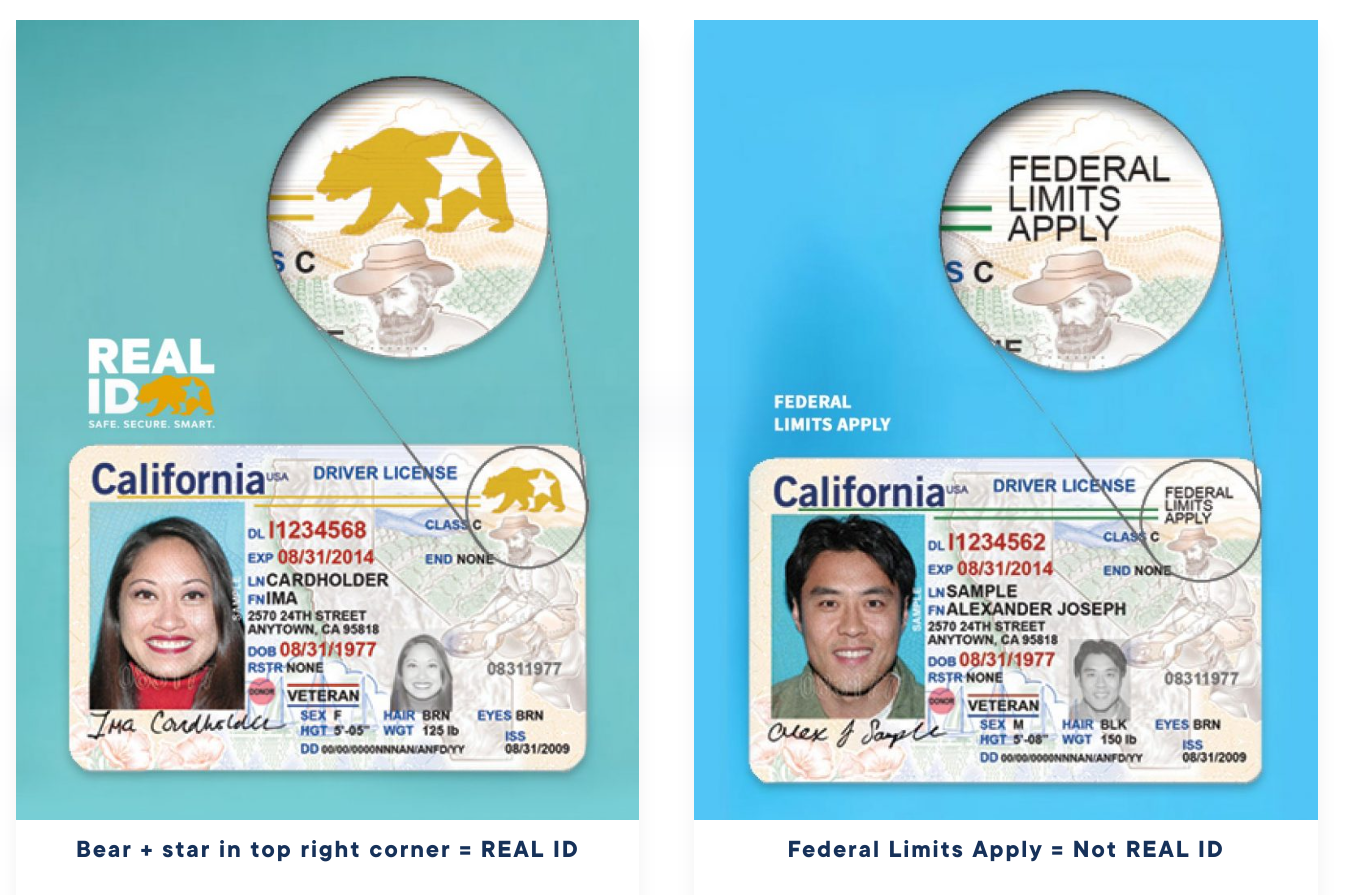
There is a fee associated with replacing a lost driver’s license. The current fee can be found on the DMV website, and it is subject to change. Payment is typically accepted in person via cash, check, or credit/debit card.
Step 4: Pass Required Tests (If Applicable)
For a lost license replacement, you generally do not need to retake the written or driving tests. However, if your license has been expired for a significant period, or if there are other complicating factors, the DMV reserves the right to require you to pass these tests. This is usually not the case for a simple lost license.
Step 5: Get Your Photograph Taken
A new photograph will be taken for your replacement license. Ensure you are dressed appropriately and ready to present your best self for this important identification document.
Step 6: Receive Your Temporary License and New Permanent License
Upon successful completion of the process, you will typically be issued an interim paper license, which is valid for a limited time. This temporary document serves as your legal driving permit while your permanent card is being processed and mailed. Your new permanent driver’s license will be mailed to the address you provided on your application and should arrive within a few weeks.
Dealing with a Lost License While Traveling in California
For tourists or business travelers in California, a lost driver’s license can be particularly disruptive. The vastness of the state, with popular destinations like Los Angeles, San Francisco, and the Yosemite National Park, often necessitates driving.
Options for Non-Residents
If you are a visitor and have lost your out-of-state or foreign driver’s license, the process of obtaining a replacement is the responsibility of your home jurisdiction. California will not issue you a California license unless you establish residency.
- Contact Your Home DMV: Your first step should be to contact the Department of Motor Vehicles (or equivalent agency) in your home state or country. They will guide you on how to obtain a temporary driving permit or a replacement license. This can often be done remotely, though some states may require you to appear in person.
- Utilize Other Forms of Identification: As mentioned, a passport is your best friend in this situation. It will be crucial for air travel, hotel check-ins, and any other situation where identification is required.
- Consider Rental Cars: Rental car companies in California strictly require a valid driver’s license. Without it, you will likely be unable to rent a vehicle. This can force you to rely on public transportation, ride-sharing services, or taxis, which can be more expensive and less convenient for exploring a large state like California.
- Plan for Delays: If your travel plans depend heavily on driving, factor in potential delays in obtaining a replacement license from your home state. This might mean extending your stay or adjusting your itinerary.
Navigating Local Transportation
If driving is no longer an option, California does offer alternatives, though they vary in efficiency by region.
- Ride-Sharing Services: Apps like Uber and Lyft are widely available in major cities and tourist areas, offering convenient door-to-door transportation.
- Public Transportation: Cities like San Francisco and Los Angeles have extensive public transportation networks, including buses, light rail, and subways. However, these systems may not be as comprehensive or efficient for reaching more remote attractions.
- Taxis: Traditional taxi services are also available, particularly in urban centers.
- Tours: Consider booking guided tours that handle transportation. Many companies offer day trips to popular attractions like Disneyland, the Hollywood Walk of Fame, or wine country in Napa Valley.
Preventing Future License Loss
Once you’ve navigated the process of replacing a lost license, it’s wise to implement strategies to prevent this from happening again. A lost license can be a costly and time-consuming ordeal, impacting your mobility and sense of security.
Secure Storage Practices
- Dedicated Wallet Slot: Designate a specific slot in your wallet or purse for your driver’s license. This makes it a habit to always put it back in the same place.
- Minimize Wallet Contents: Avoid carrying unnecessary cards or documents in your wallet that could add bulk and make it easier to misplace your license.
- Secure Bags: When traveling, use bags with secure internal pockets or zippered compartments for your important documents. This is especially important when visiting crowded tourist spots or using public transportation.
- “Home” for Your License: When you are at your accommodation, whether it’s a hotel in San Diego or a vacation rental in Lake Tahoe, have a designated spot where you always place your license. This reduces the chance of leaving it behind.
Digital Alternatives and Backups
While not a replacement for the physical license, some digital tools can provide an extra layer of preparedness.
- Digital Copies: Take clear photos of both the front and back of your driver’s license and store them securely on your smartphone or in cloud storage. While these are not legally valid as a driver’s license, they can be useful for identity verification in some non-driving scenarios and can help you recall your license number if you need to report it lost or stolen.
- State ID Apps (Where Available): Some states are beginning to offer digital driver’s licenses through official apps. Check if your home state supports this technology. California has been exploring this option.
- Carry Secondary ID: Always travel with at least one other form of government-issued photo identification, such as a passport. This ensures you have a backup if your primary ID is lost or stolen.
Proactive Maintenance
- Renew on Time: Keep track of your driver’s license expiration date and renew it well in advance. This reduces the stress of needing to replace it unexpectedly.
- Report Lost or Stolen Immediately: If you suspect your license has been stolen, report it to the police and the DMV as soon as possible. This can help prevent identity theft.
Losing a driver’s license in California is an inconvenience, but with the right knowledge and preparation, the process of replacement can be managed effectively. By understanding the legal requirements, the steps for obtaining a duplicate, and how to manage your travels without your license, you can minimize stress and ensure your Californian journey continues as smoothly as possible.
LifeOutOfTheBox is a participant in the Amazon Services LLC Associates Program, an affiliate advertising program designed to provide a means for sites to earn advertising fees by advertising and linking to Amazon.com. Amazon, the Amazon logo, AmazonSupply, and the AmazonSupply logo are trademarks of Amazon.com, Inc. or its affiliates. As an Amazon Associate we earn affiliate commissions from qualifying purchases.