
Understanding the definition of a commercial vehicle in California is crucial for business owners, fleet managers, and even individuals who might be operating vehicles for profit. The California Department of Motor Vehicles (DMV) and various state agencies have specific regulations governing these vehicles to ensure road safety, proper registration, and tax compliance. This understanding helps prevent costly penalties and operational disruptions.
Defining a Commercial Vehicle in California
At its core, a commercial vehicle in California is any motor vehicle that is used or operated for the transportation of persons or property for compensation, or in the furtherance of any commercial enterprise. This broad definition encompasses a wide range of vehicles, from small vans used for delivery services to large trucks hauling goods across the state. The key determinant is whether the vehicle’s use directly relates to generating revenue or supporting a business operation.
Key Characteristics and Usage
Several factors contribute to a vehicle being classified as commercial:
- Compensation: If a vehicle is used to transport passengers or property for hire, it is generally considered commercial. This includes taxis, ride-sharing vehicles (like those operated through services like Uber or Lyft), and vehicles used for freight delivery.
- Business Enterprise: Even if no direct compensation is received for a specific trip, if the vehicle is owned, leased, or operated by a business and used in its operations, it can be classified as commercial. For example, a contractor’s pickup truck used to transport tools and materials to job sites, or a bakery’s van used for deliveries, falls under this category.
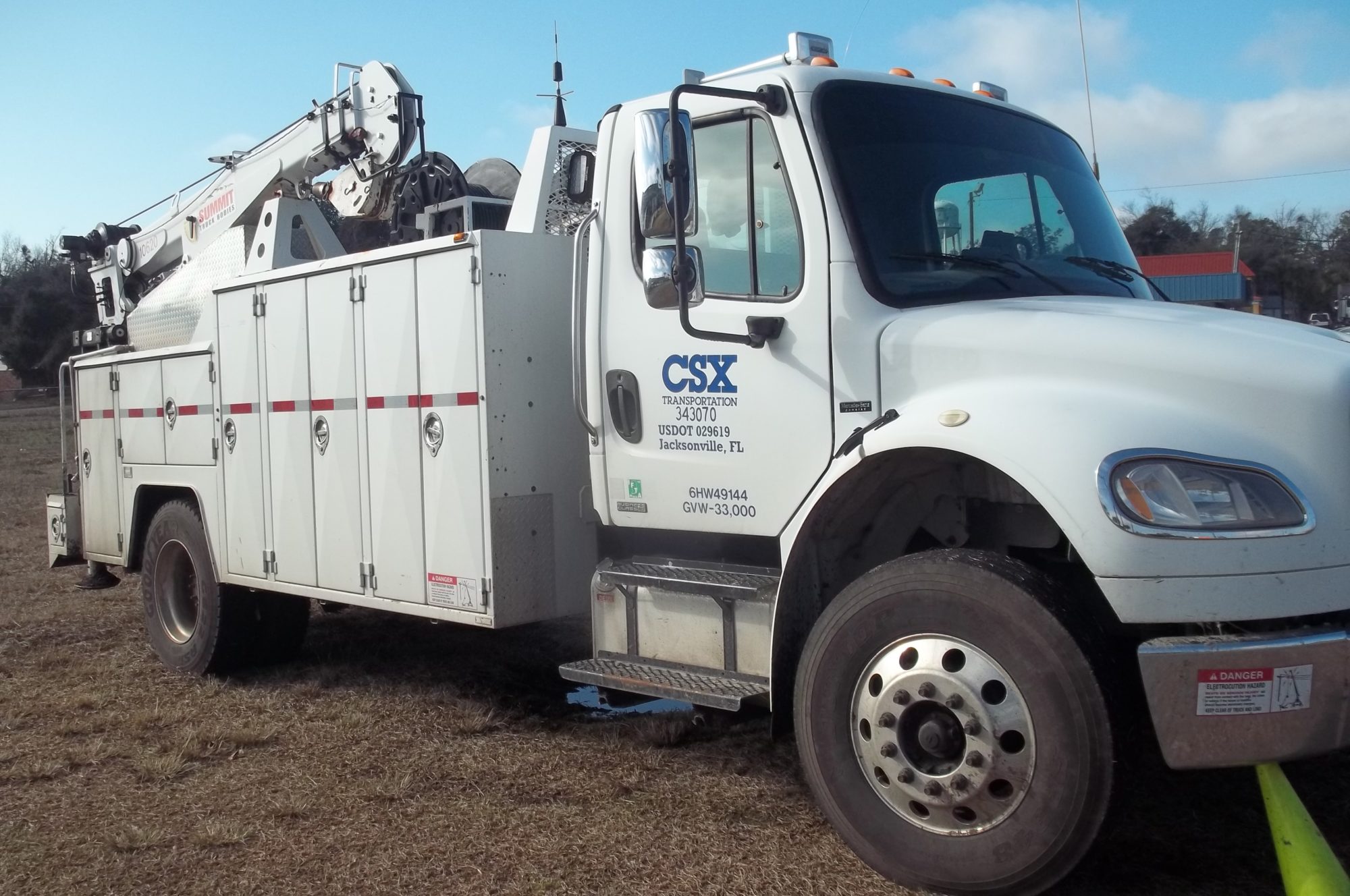
- Vehicle Type and Gross Vehicle Weight Rating (GVWR): Certain types of vehicles are inherently commercial due to their design and intended use. Trucks, buses, trailers, and large vans are often categorized as commercial, especially those with a GVWR exceeding a specific threshold. In California, vehicles with a GVWR of 10,001 pounds or more are generally considered commercial.
Exclusions and Nuances
While the definition is broad, there are some nuances and common exclusions:
- Personal Use: Vehicles used exclusively for personal transportation, even if they are large or capable of carrying significant loads, are typically not considered commercial. This distinction is important; for instance, a personal RV or a large pickup truck used solely for personal hobbies would not usually be classified as commercial unless it was being used to generate income.
- Government and Non-Profit Vehicles: While some government and non-profit vehicles might operate similarly to commercial vehicles, they often have specific exemptions or different regulatory frameworks. However, if a government entity or non-profit organization uses a vehicle for a revenue-generating activity, it could still be classified as commercial.
- Farm Vehicles: Certain vehicles used in agricultural operations may have specific exemptions or different registration requirements. The definition can depend on whether the vehicle is transporting goods for sale or purely for on-farm use.
Registration and Licensing Requirements
Operating a commercial vehicle in California comes with specific registration and licensing requirements that differ from those for passenger vehicles. These are designed to ensure that vehicles are safe, properly maintained, and that operators are qualified.
Commercial Vehicle Registration
All commercial vehicles operating in California must be registered with the California DMV. The registration fees for commercial vehicles are typically higher than for passenger vehicles, reflecting their increased use and potential impact on roadways.
- Weight Fees: For vehicles weighing 10,001 pounds or more, additional weight fees are assessed based on the vehicle’s GVWR. These fees help fund road maintenance and infrastructure improvements.
- Commercial Plates: Commercial vehicles are issued distinct license plates that identify them as such.
- Biennial Registration: Like most vehicles in California, commercial vehicles require renewal of their registration, often on a biennial (two-year) basis.
Driver Licensing
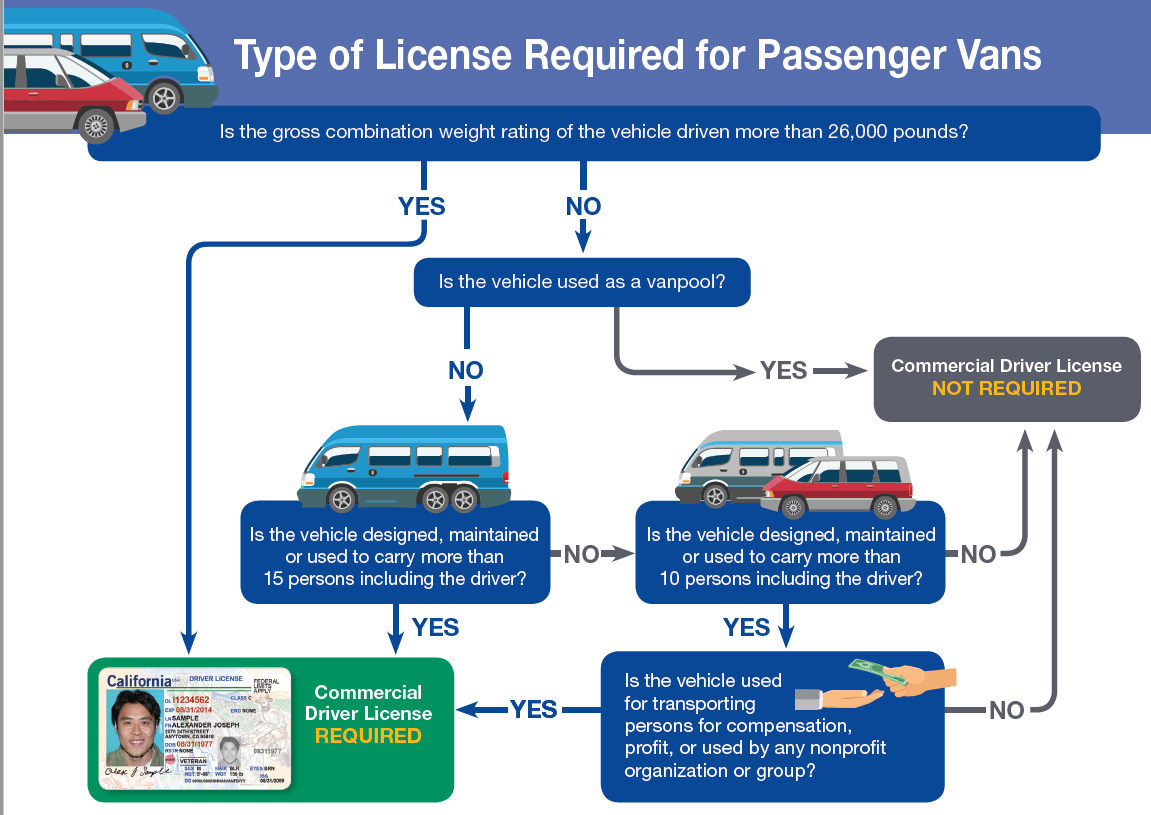
Operating certain commercial vehicles requires a special driver’s license. The Commercial Driver License (CDL) is a standardized license required for individuals who operate single vehicles with a GVWR of 26,001 pounds or more, or vehicles that transport 10 or more passengers (including the driver), or vehicles that transport hazardous materials.
- CDL Classes: There are three classes of CDLs: Class A, Class B, and Class C, each with specific endorsements and restrictions depending on the type of vehicle and cargo being transported.
- Medical Certification: Holders of a CDL are generally required to meet specific medical standards and carry a medical examiner’s certificate.
Safety and Operational Regulations
Beyond registration and licensing, commercial vehicles are subject to stringent safety and operational regulations enforced by various agencies, including the California Highway Patrol (CHP) and the Federal Motor Carrier Safety Administration (FMCSA).
Vehicle Inspections
Commercial vehicles are subject to regular safety inspections to ensure they meet established standards. These inspections can be conducted at roadside checkpoints by the CHP or as part of periodic re-inspection programs at businesses.
- Preventative Maintenance: Proper maintenance is critical for commercial vehicles. This includes regular checks of brakes, tires, lights, steering, and other essential components.
- Out-of-Service Criteria: Vehicles found to be in violation of safety regulations during an inspection may be placed “out of service” until the issues are resolved.
Hours of Service Regulations
For drivers of commercial vehicles, particularly those engaged in interstate commerce, the FMCSA imposes strict Hours of Service (HOS) regulations. These rules limit the amount of time drivers can operate a commercial motor vehicle to prevent fatigue-related accidents.
- Duty Status: Drivers are required to maintain accurate records of their driving time, on-duty time, and off-duty time, often using electronic logging devices (ELDs).
- Enforcement: Violations of HOS regulations can result in significant fines and penalties for both the driver and the motor carrier.
Cargo and Load Securement
Ensuring that cargo is properly secured is another critical safety aspect for commercial vehicles. Improperly secured loads can shift during transit, leading to accidents, damage to property, and potential injuries.
- Load Securement Standards: Specific regulations dictate how different types of cargo must be secured, including requirements for tie-downs, blocking, and bracing.
- Weight Limits: Commercial vehicles must also adhere to weight limits to prevent damage to roads and bridges and to ensure safe operation.
Insurance and Liability
Commercial vehicles require specialized insurance policies that differ from standard auto insurance. These policies are designed to cover the increased risks associated with operating vehicles for business purposes.
Types of Commercial Vehicle Insurance
- Liability Coverage: This is the most crucial type of coverage, protecting the business against claims for bodily injury or property damage caused by the commercial vehicle. The limits for commercial liability insurance are often higher than for personal auto policies.
- Physical Damage Coverage: This covers damage to the commercial vehicle itself, typically through collision and comprehensive coverage.
- Cargo Insurance: If the commercial vehicle is transporting goods for others, cargo insurance protects against loss or damage to that cargo.
- Workers’ Compensation: If the commercial vehicle is operated by employees, workers’ compensation insurance is essential to cover medical expenses and lost wages in case of work-related injuries.
Importance of Adequate Coverage
Operating without sufficient commercial vehicle insurance can have devastating financial consequences. In the event of an accident, the business could be held liable for substantial damages, potentially leading to bankruptcy. It is essential for businesses to consult with an insurance professional specializing in commercial auto insurance to ensure they have adequate coverage tailored to their specific operations and risks. This might include policies for fleets operating in and around cities like Los Angeles or San Francisco, or for long-haul trucking operations across the state.
Tax and Fee Implications
The operation of commercial vehicles in California also carries specific tax and fee implications, beyond standard registration costs.
Fuel Taxes
Commercial vehicles, especially those engaged in interstate commerce or operating heavy trucks, are often subject to fuel tax regulations.
- Fuel Tax Permits: Vehicles exceeding a certain weight threshold or operating across state lines may need to obtain a fuel tax permit, such as a California IFTA (International Fuel Tax Agreement) permit, to report and pay fuel taxes based on mileage traveled in different jurisdictions.
- Diesel Fuel Sales Tax: In California, diesel fuel is subject to specific sales taxes, which are often collected at the pump or reported through fuel tax agreements.
Other Taxes and Fees
Depending on the type and operation of the commercial vehicle, other taxes and fees may apply. This can include environmental fees, weight fees (as mentioned earlier), and potentially taxes related to the acquisition or use of the vehicle. It is advisable for businesses to stay informed about all applicable tax laws and to consult with tax professionals to ensure compliance.
Conclusion
In California, the definition of a commercial vehicle is broad and encompasses any motor vehicle used for profit or in the furtherance of a business enterprise. Understanding this definition is the first step for any business owner to navigate the complex web of registration, licensing, safety regulations, insurance requirements, and tax obligations. Compliance with these regulations is not merely a legal necessity but a fundamental aspect of responsible business operation, ensuring safety on the roadways and the continued viability of commercial enterprises across the Golden State. From small delivery vans in Sacramento to long-haul trucks traversing the Interstate 5, adherence to these guidelines is paramount for all commercial vehicle operators.
LifeOutOfTheBox is a participant in the Amazon Services LLC Associates Program, an affiliate advertising program designed to provide a means for sites to earn advertising fees by advertising and linking to Amazon.com. Amazon, the Amazon logo, AmazonSupply, and the AmazonSupply logo are trademarks of Amazon.com, Inc. or its affiliates. As an Amazon Associate we earn affiliate commissions from qualifying purchases.