
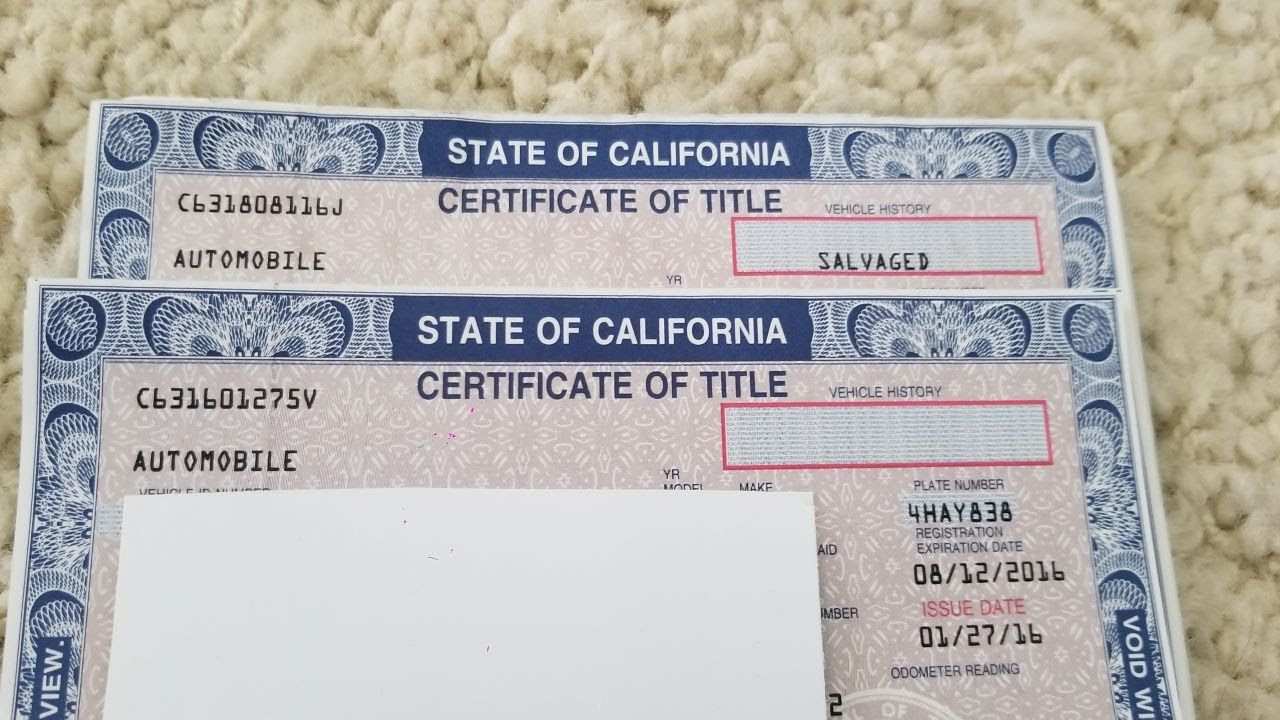
A salvage title in California is a designation assigned to a vehicle that has been declared a total loss by an insurance company due to damage. This damage can stem from various causes, including collision, flood, fire, or theft. When an insurer determines that the cost to repair a vehicle exceeds a certain percentage of its pre-damage market value, they will typically “total” the vehicle and issue a salvage title. This title signifies that the vehicle’s owner has received compensation for their loss, and the vehicle is now considered salvaged.
The implications of a salvage title are significant, primarily impacting the vehicle’s resale value, insurability, and legality for operation on public roads. Understanding the nuances of salvage titles is crucial for both vehicle owners and potential buyers in California.
The Process of Titling a Vehicle as Salvage
The journey to a salvage title begins when a vehicle sustains substantial damage, rendering it uneconomical to repair. This threshold is typically determined by the insurance company’s assessment, often based on state regulations. In California, the definition of “total loss” can vary slightly by insurer, but it generally means the repair cost would exceed 75% of the vehicle’s actual cash value (ACV) just before the damage occurred.
When Damage Triggers a Salvage Designation
Several scenarios can lead to a vehicle being declared a total loss and subsequently branded with a salvage title:
- Collision Damage: Accidents, especially those involving significant structural compromise, can quickly lead to a total loss declaration. The cost of repairing frame damage, replacing extensive body panels, or addressing complex mechanical failures after a severe impact can quickly surpass the vehicle’s value.
- Flood Damage: Vehicles submerged in floodwaters, even partially, often suffer extensive damage to their electrical systems, engines, and interiors. The long-term effects of water intrusion, including corrosion and mold growth, can make repairs prohibitively expensive and unreliable. California has specific regulations regarding vehicles that have been flood-damaged, often requiring thorough inspection and specialized branding.
- Fire Damage: A vehicle that has been involved in a fire can experience severe structural, mechanical, and cosmetic damage. The heat can warp metal, melt plastic components, and compromise the integrity of essential systems.
- Theft Recovery: If a vehicle is stolen and recovered but sustained significant damage during the theft or while it was missing, an insurance company might declare it a total loss. This can include damage from vandalism or improper use by the thieves.
- Vandalism: While less common for a full total loss unless severe, extensive vandalism that affects critical components or causes significant structural issues could lead to a salvage title.
Once the insurance company declares the vehicle a total loss, they typically take possession of the vehicle and then sell it. This sale is often at a salvage auction. The buyer at this auction then becomes responsible for the vehicle’s title and any necessary repairs. The owner who received the insurance payout relinquishes all rights to the damaged vehicle.
California’s Department of Motor Vehicles (DMV) Role
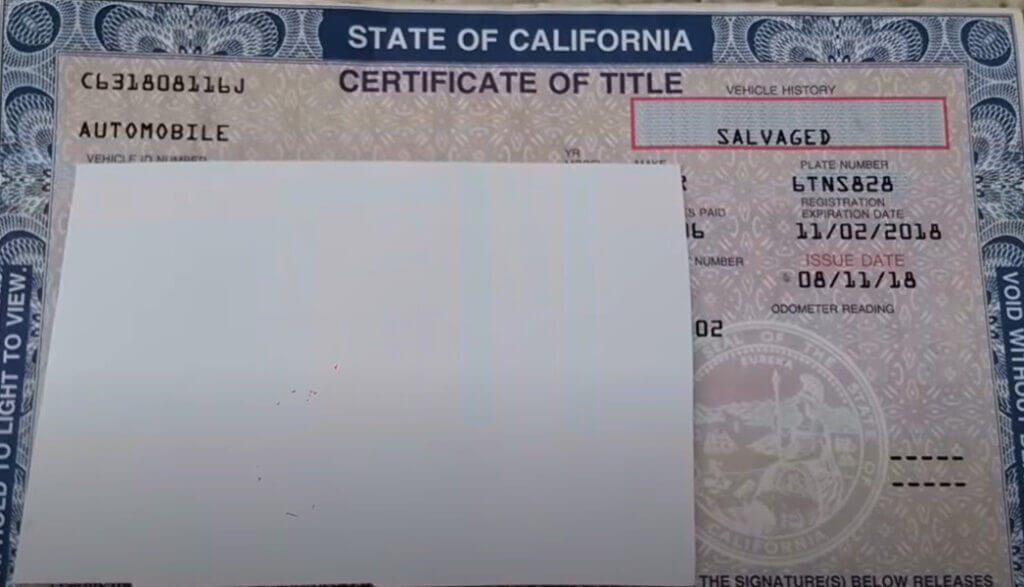
The California Department of Motor Vehicles (DMV) plays a pivotal role in the salvage title process. After the insurance company processes the total loss claim, they are required to report the event to the DMV. The DMV then updates the vehicle’s record and issues a salvage certificate or places a “salvage” brand on the existing title. This branding serves as a public record of the vehicle’s damaged history.
The salvage certificate is not a document that allows the vehicle to be driven on public roads. It essentially signifies that the vehicle is designated as salvaged and is intended for parts, dismantling, or rebuilding under specific conditions.
Understanding the “Salvage” Brand vs. “Rebuilt” Title
It is critical to distinguish between a vehicle with a “salvage” title and one that has been repaired and subsequently issued a “rebuilt” title. These are distinct stages in a salvaged vehicle’s lifecycle.
The Salvage Title: A Vehicle’s Damaged State
A salvage title, often represented by a salvage certificate, indicates that the vehicle has been declared a total loss and has not yet undergone the necessary inspections and repairs to be deemed roadworthy again. At this stage, the vehicle cannot be legally driven on public roads. Its primary purpose is for:
- Parts Harvesting: Salvage yards and rebuilders often purchase vehicles with salvage titles to strip them for usable parts.
- Dismantling: Some vehicles are bought for their scrap metal value.
- Rebuilding: Enthusiasts or specialized repair shops may purchase salvage vehicles with the intention of restoring them to a drivable condition.
The Rebuilt Title: Roadworthiness Re-established
For a vehicle with a salvage title to become legal to drive again, it must undergo a rigorous rebuilding and inspection process. In California, this involves:
- Repair: The vehicle must be professionally repaired to meet all safety standards. This includes repairing or replacing damaged structural components, ensuring all safety systems (airbags, seatbelts) are functional, and addressing any mechanical or electrical issues.
- Inspection: Once repaired, the vehicle must pass a comprehensive safety inspection conducted by a licensed California state referee or a designated inspection station. This inspection is thorough and aims to verify that all repairs have been completed correctly and that the vehicle is safe for operation.
- Branding Change: Upon passing the inspection, the DMV will re-title the vehicle. The “salvage” brand is replaced with a “rebuilt” brand. This new title indicates that the vehicle was previously salvaged but has been repaired and deemed roadworthy.

A vehicle with a rebuilt title is legal to drive and can be registered and insured, but its value will be significantly lower than a comparable vehicle with a clean title. Buyers should be aware that a rebuilt title still carries a history of significant damage.
The Implications of Buying or Owning a Salvage Title Vehicle
Owning or purchasing a vehicle with a salvage title, or even one that has been rebuilt, carries several implications that potential owners must carefully consider.
Reduced Value and Marketability
Vehicles with salvage titles are inherently worth less than their counterparts with clean titles. Even after a vehicle has been rebuilt and receives a “rebuilt” title, its market value will still be substantially diminished. This is due to the inherent risks associated with a history of major damage. Potential buyers are often wary of a rebuilt vehicle, fearing hidden problems or compromised structural integrity. This can make it challenging to sell a rebuilt vehicle in the future.
Insurance Challenges
Obtaining comprehensive or collision insurance for a vehicle with a salvage title (before it’s rebuilt) is typically impossible. Once a vehicle is rebuilt and has a “rebuilt” title, insurance can be obtained, but it may come with limitations or higher premiums. Some insurance companies may refuse to insure rebuilt vehicles altogether or may only offer liability coverage, excluding damage to the vehicle itself. This is because the insurer views the vehicle as a higher risk due to its past damage.
Financing Difficulties
Securing financing for a vehicle with a salvage or rebuilt title can also be challenging. Lenders are often reluctant to provide loans for vehicles that have a documented history of being declared a total loss, as their resale value is significantly lower, and they are perceived as a higher risk.
Disclosure Requirements for Sellers
In California, sellers are legally obligated to disclose the salvage or rebuilt status of a vehicle to potential buyers. Failure to do so can result in legal consequences. This disclosure ensures that buyers are making informed decisions.
Potential for Hidden Defects
Despite rigorous inspections, there is always a residual risk that a rebuilt vehicle may have underlying issues that were not detected during the repair or inspection process. Water damage, for instance, can lead to long-term electrical problems or mold growth that may not be immediately apparent. Structural damage, even if repaired, can sometimes compromise a vehicle’s safety in future accidents.
Navigating the Salvage Title Landscape: Tips for Buyers and Owners
For those considering purchasing a vehicle with a salvage history or for owners who find themselves with a vehicle that has been branded salvage, understanding how to navigate this landscape is crucial.
For Potential Buyers: Due Diligence is Key
- Understand the Title: Always ask for and carefully review the vehicle’s title. Be aware of terms like “salvage,” “rebuilt,” “flood,” or “fire.”
- Research the Vehicle’s History: Obtain a vehicle history report from services like CarFax or AutoCheck. These reports can reveal accidents, previous owners, and title issues.
- Professional Inspection: If considering a vehicle with a rebuilt title, insist on a pre-purchase inspection by an independent, reputable mechanic who specializes in assessing the integrity of repaired vehicles. They can identify potential structural issues, faulty repairs, or lingering damage.
- Consider the Costs: Factor in the significantly lower market value. A rebuilt vehicle should be purchased at a substantial discount compared to a similar vehicle with a clean title.
- Insurance Quotes: Before purchasing, get insurance quotes to ensure you can adequately protect your investment, even if it’s limited.
For Current Owners: Repairing a Salvage Vehicle
- Know the Regulations: Familiarize yourself with California’s specific requirements for rebuilding a salvaged vehicle. This includes understanding the inspection process and documentation needed.
- Use Reputable Repair Shops: Choose a mechanic with experience in repairing salvaged vehicles. They will understand the complexities of structural repairs and safety system restoration.
- Document Everything: Keep meticulous records of all repairs, parts purchased, and invoices. This documentation will be essential for the DMV inspection and for future resale.
- Be Realistic About Value: Understand that even after a thorough rebuild, the vehicle’s value will be significantly impacted by its salvage history.
Conclusion: A Salvage Title’s Lasting Mark
A salvage title in California is more than just a label; it’s a significant marker of a vehicle’s past. It signifies a history of substantial damage and a total loss declaration by an insurer. While a vehicle can be repaired and earn a rebuilt title, allowing it back on the road, its history remains. For consumers, understanding the implications of salvage and rebuilt titles is paramount to making informed decisions, avoiding potential pitfalls, and ensuring safety and value when buying or owning such a vehicle. The journey from a total loss to a roadworthy vehicle is a complex one, demanding transparency, thoroughness, and a keen awareness of the challenges and limitations involved.
LifeOutOfTheBox is a participant in the Amazon Services LLC Associates Program, an affiliate advertising program designed to provide a means for sites to earn advertising fees by advertising and linking to Amazon.com. Amazon, the Amazon logo, AmazonSupply, and the AmazonSupply logo are trademarks of Amazon.com, Inc. or its affiliates. As an Amazon Associate we earn affiliate commissions from qualifying purchases.