
Understanding the average cost of home insurance in California is a crucial step for any homeowner or prospective buyer navigating the Golden State’s property market. Insurance premiums are influenced by a complex interplay of factors, making a single, definitive number elusive. However, by dissecting these contributing elements, homeowners can gain a clearer picture of what to expect and how to potentially manage their costs. This guide delves into the typical price ranges, the key drivers behind them, and strategies for securing affordable yet comprehensive coverage.
Factors Influencing Home Insurance Premiums in California
The cost of home insurance is not a static figure; it fluctuates based on a multitude of variables unique to each property and its location. Insurers assess risk to determine the likelihood of a claim, and this risk profile directly translates into the premium charged. For California homeowners, these factors are particularly significant due to the state’s unique geographical and economic landscape.
Property-Specific Details
The intrinsic characteristics of a home play a substantial role in its insurance cost.
Age and Construction Materials
Older homes, especially those built before stricter building codes were in place, often present higher risks. The presence of outdated plumbing, electrical systems, or roofing materials can increase the likelihood of damage from water leaks, fires, or wind. The type of construction materials also matters; homes built with more fire-resistant materials like concrete or stucco may command lower premiums than those with wood siding.
Size and Square Footage
Larger homes naturally cost more to rebuild in the event of a catastrophic loss. Therefore, the square footage of a property is a direct determinant of the dwelling coverage amount, which in turn impacts the overall premium. A sprawling estate in Beverly Hills will inherently cost more to insure than a modest bungalow in Bakersfield.
Condition and Upgrades
The overall condition of the home, including recent upgrades to critical systems like roofing, plumbing, and electrical, can significantly reduce insurance costs. A well-maintained home with modern amenities signals lower risk to insurers. For instance, a home with a recently replaced roof that meets current building codes is less likely to suffer damage from wind or hail, leading to potentially lower premiums.
Specific Features and Amenities
Features like swimming pools, trampolines, or detached structures (like guest houses or workshops) can increase liability risks, leading to higher premiums. If these features pose a greater risk of injury to visitors, insurers will factor this into the cost.
Location-Based Risks
California’s diverse geography presents distinct risks that insurers must account for.
Proximity to Fire-Prone Areas
With its history of devastating wildfires, proximity to brush or wildland areas is a paramount concern for California insurers. Homes in high-risk fire zones, often referred to as the Wildland-Urban Interface (WUI), will invariably have higher premiums. Insurers may also require specific mitigation measures, such as defensible space around the property.
Earthquake and Flood Zones
While standard homeowner’s policies typically exclude earthquake and flood damage, the risk of these natural disasters in certain California regions influences the overall insurance landscape. Insurers may offer separate policies for earthquake coverage, and flood insurance is typically purchased through the National Flood Insurance Program (NFIP) or private insurers. The presence of these risks in a region can indirectly affect the pricing of standard policies due to the general risk profile of the area.
Crime Rates
Neighborhood crime statistics, including burglary and vandalism rates, can also impact insurance costs. Areas with higher crime rates may see slightly elevated premiums for dwelling and personal property coverage.
Coverage Choices and Deductibles
The specific types and amounts of coverage selected, along with the chosen deductibles, are direct cost-determining factors.
Dwelling Coverage
This is the core of a homeowner’s policy, covering the physical structure of the home. The cost is directly tied to the estimated rebuilding cost of the property.
Other Structures Coverage
This covers detached structures like garages, sheds, or fences.
Personal Property Coverage
This protects your belongings inside the home, such as furniture, electronics, and clothing. The value and extent of this coverage are determined by the policyholder.
Loss of Use Coverage
Also known as additional living expenses (ALE), this covers costs incurred if you must temporarily live elsewhere due to a covered loss, such as hotel stays and meals.
Liability Coverage
This protects you financially if someone is injured on your property or if you are held responsible for damage to someone else’s property.
Deductible Amount
The deductible is the amount you pay out-of-pocket before your insurance coverage kicks in. A higher deductible generally results in a lower premium, and vice versa. For instance, opting for a $5,000 deductible instead of $1,000 will likely reduce your annual premium.
Insurer-Specific Underwriting
Each insurance company has its own underwriting guidelines and risk tolerance, leading to variations in pricing even for similar properties. Some insurers may specialize in high-risk areas or offer more competitive rates for certain types of homes.
Average Home Insurance Costs in California: What to Expect

Pinpointing an exact average cost for home insurance in California is challenging due to the myriad of influencing factors previously discussed. However, industry data and anecdotal evidence provide a general range.
National vs. California Premiums
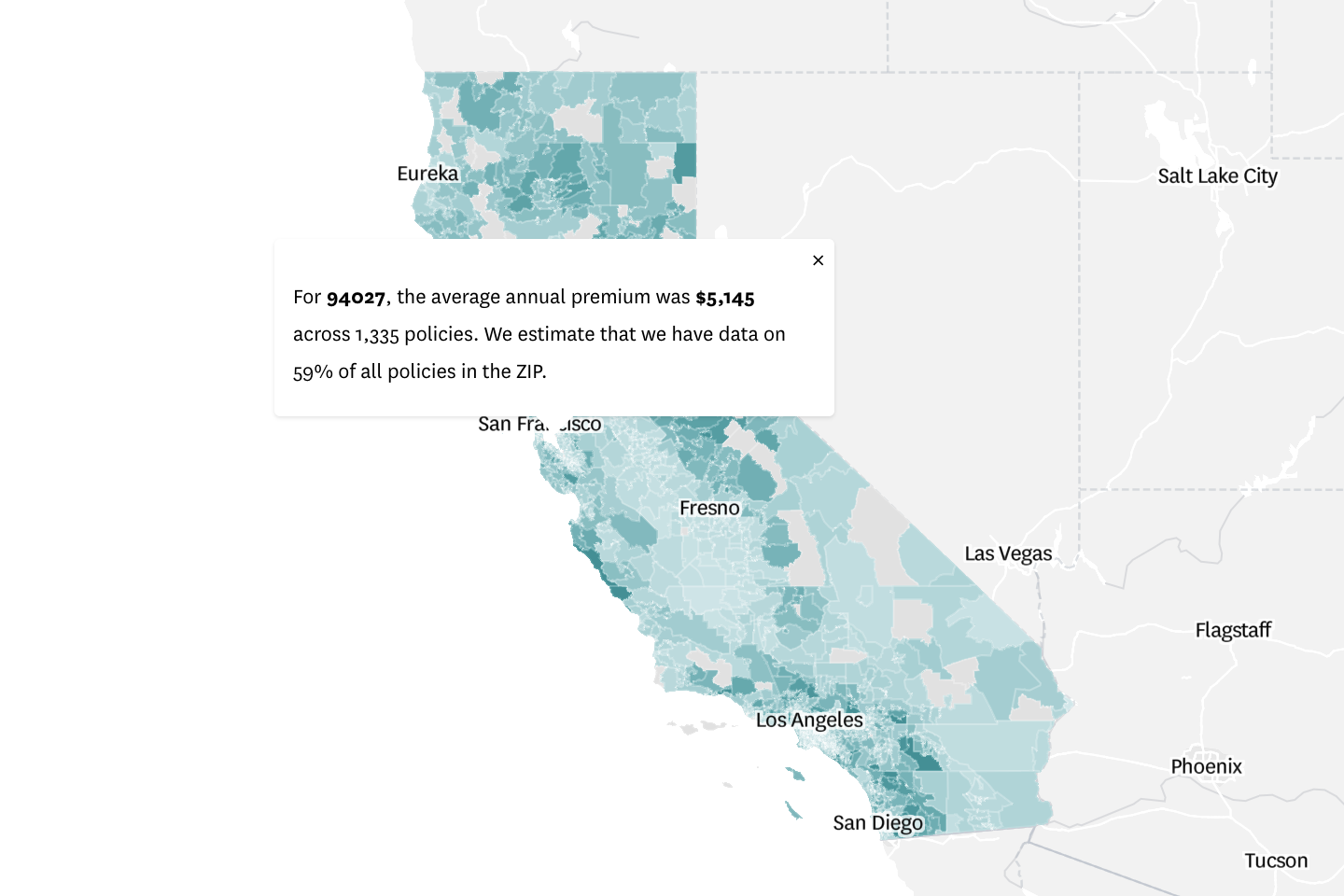
California generally experiences higher home insurance premiums compared to the national average. This is primarily attributed to the state’s higher cost of living, increased risk of natural disasters like wildfires and earthquakes, and the prevalence of costly litigation.
Typical Price Ranges
While exact figures are fluid, studies and insurance industry analyses often place the average annual premium for home insurance in California somewhere between $1,200 and $2,500 for a typical single-family home. However, this range can easily extend higher for more expensive properties, homes in high-risk zones, or those with extensive coverage. Conversely, more modest homes in lower-risk areas might secure policies at the lower end of this spectrum or even below.
For example, a $500,000 home in a moderate-risk area might see premiums around $1,500 annually, while a $1.5 million home in a wildfire-prone region could easily push premiums to $3,000 or more. These are illustrative figures and actual quotes will vary significantly.
Impact of Fire Risk
The significant threat of wildfires in California has a pronounced effect on insurance costs. Homes located in or near areas designated as high fire hazard severity zones will almost certainly face higher premiums. Insurers may also impose specific requirements, such as installing fire-resistant roofing or maintaining defensible space, to mitigate risk. In some extreme cases, insurers have non-renewed policies in very high-risk areas, leading homeowners to seek coverage through the California FAIR Plan, which is typically more expensive and offers less comprehensive coverage.
Coastal vs. Inland Premiums
Coastal properties in California may face different pricing considerations. While they might be less exposed to wildfire risk, they can be more susceptible to wind damage and coastal erosion. The specific risks associated with each location will inform the premium.
Strategies for Lowering Home Insurance Costs in California
Fortunately, homeowners have several avenues to explore to manage and potentially reduce their home insurance expenses without compromising essential protection.
Shop Around and Compare Quotes
The single most effective strategy is to obtain quotes from multiple insurance companies. Premiums can vary significantly between insurers for the same coverage. Dedicate time to researching different providers and comparing their offerings, deductibles, and customer service ratings.
Increase Your Deductible
As mentioned earlier, a higher deductible typically leads to lower annual premiums. Carefully consider your financial capacity to pay the deductible out-of-pocket in the event of a claim and choose a level that balances cost savings with your ability to manage risk.
Bundle Policies
Many insurance companies offer discounts when you bundle your home insurance with other policies, such as auto insurance. This can lead to substantial savings and simplifies your insurance management.
Improve Home Security and Safety Features
Installing security systems, smoke detectors, carbon monoxide detectors, and fire extinguishers can not only make your home safer but also potentially earn you discounts from your insurer. Some insurers offer specific discounts for these features.
Maintain Your Home
Regular maintenance and timely upgrades to your home’s systems (roofing, plumbing, electrical) demonstrate to insurers that you are a responsible homeowner, potentially leading to lower premiums. Documenting these upgrades can be beneficial when seeking quotes.
Ask About Discounts
Inquire about all available discounts. Insurers offer various discounts, including those for:
- Loyalty: For long-term customers.
- Claims-free history: For not filing previous claims.
- Retired individuals: For those who are retired.
- Professional affiliations: For members of certain organizations.
- Paperless billing: For opting for electronic statements.
Understand Your Coverage Needs
Ensure you are not over-insured or under-insured. Review your policy annually to confirm that your coverage levels accurately reflect the current replacement cost of your home and the value of your belongings. Avoid insuring personal property for more than it’s worth, and be realistic about the value of items like electronics or furniture that depreciate.
Consider Mitigation Measures for Wildfire Risk
If you live in a fire-prone area, implementing wildfire mitigation strategies can make a difference. Creating defensible space, using fire-resistant building materials, and regularly clearing vegetation can not only protect your home but may also make you more attractive to insurers or allow you to negotiate better rates.
The Role of the California FAIR Plan
For homeowners in California who struggle to find coverage in the voluntary market, particularly due to wildfire risk, the California FAIR Plan (Fair Access to Insurance Requirements) serves as an insurer of last resort.
What is the FAIR Plan?
The California FAIR Plan is a syndicate of all admitted property insurers in California that provides basic property insurance for those who are unable to obtain it elsewhere. It is designed to offer a safety net, ensuring that essential coverage is available.
Coverage Limitations and Costs
It is important to understand that the FAIR Plan typically offers more limited coverage than standard homeowner’s policies. It is designed to cover basic fire damage and may not include coverages for liability, personal property, or other structures. Premiums for FAIR Plan policies are often higher than those found in the voluntary market, and additional coverage often needs to be purchased separately through endorsements or a separate DIC (Difference in Conditions) policy.
When to Consider the FAIR Plan
Homeowners should consider the FAIR Plan only after exhausting all efforts to secure coverage from private insurers. It is a valuable resource for those facing insurability challenges, but it should be viewed as a foundational layer of protection that may require supplementation to achieve comprehensive coverage.

Conclusion
The average cost of home insurance in California is a dynamic figure influenced by property characteristics, location-specific risks like wildfires, and individual coverage choices. While premiums may be higher than the national average, homeowners can take proactive steps to manage costs by shopping around, adjusting deductibles, bundling policies, and maintaining their properties. Understanding the factors at play empowers homeowners to make informed decisions and secure the protection they need for their valuable investments in the Golden State. For those facing insurability challenges, the California FAIR Plan offers a crucial, albeit often more expensive, alternative.
LifeOutOfTheBox is a participant in the Amazon Services LLC Associates Program, an affiliate advertising program designed to provide a means for sites to earn advertising fees by advertising and linking to Amazon.com. Amazon, the Amazon logo, AmazonSupply, and the AmazonSupply logo are trademarks of Amazon.com, Inc. or its affiliates. As an Amazon Associate we earn affiliate commissions from qualifying purchases.