
California, a state synonymous with sun-drenched beaches, innovative tech hubs, and a vibrant culinary scene, also grapples with defining what truly constitutes “fast food.” While the golden state embraces a diverse range of dining options, from Michelin-starred establishments to humble food trucks, the concept of fast food here extends beyond the ubiquitous burger joint. It’s a spectrum influenced by speed of service, price point, and the evolving palates of its residents. For travelers and locals alike seeking a quick, accessible meal, understanding this Californian interpretation is key to navigating its gastronomic landscape.

The Traditional Fast Food Landscape
When most people think of fast food, images of global chains like McDonald’s, Burger King, and Taco Bell immediately come to mind. These establishments have a long-standing presence in California and continue to be popular choices for their affordability, convenience, and recognizable menus. They epitomize the classic fast food model: standardized offerings, rapid preparation, and drive-thru accessibility, catering to the on-the-go lifestyle that many Californians lead, whether commuting through Los Angeles traffic or grabbing a quick bite near a San Diego beach.
Drive-Thru Dominance and the Value Proposition
The drive-thru remains a cornerstone of the traditional fast food experience in California. It caters to a culture that often prioritizes efficiency. The value proposition is also a significant draw. For a few dollars, consumers can secure a filling meal, making these options particularly attractive to students, families on a budget, and anyone seeking an economical dining solution. The consistency of these brands across different locations ensures a predictable experience, which can be comforting for travelers unfamiliar with the local food scene.
Ubiquitous Presence and Accessibility
These fast-food giants are strategically located throughout California, from bustling urban centers to more remote highway exits. Their widespread availability makes them an easy fallback option when time is short or dining options are limited. This accessibility is a defining characteristic of what is traditionally considered fast food in the state.
The Rise of Fast Casual
However, California has been at the forefront of a significant shift in the fast-food paradigm: the emergence and proliferation of “fast casual” dining. This category bridges the gap between traditional fast food and full-service restaurants, offering a higher quality of ingredients and a more curated dining experience, all while maintaining a relatively quick service model and a moderate price point. Think of establishments like Chipotle Mexican Grill, Panera Bread, and Five Guys.
Quality Ingredients and Customization
Fast casual eateries often emphasize fresh, locally sourced ingredients, a commitment that resonates deeply with California’s health-conscious population and its strong farm-to-table movement. Customers typically order at a counter but have more control over their meals, often building their own burritos, salads, or bowls. This level of customization, coupled with the perceived higher quality of ingredients, distinguishes fast casual from its more processed fast-food counterparts.
Elevated Ambiance and Service
The dining environment in fast casual restaurants is generally more inviting than traditional fast food. The decor is often more contemporary, and the seating arrangements are more comfortable, encouraging a more relaxed dining experience. While still efficient, the service often feels more personalized, with staff taking more time to assemble orders accurately and attend to customer requests. This focus on a slightly elevated experience has made fast casual a dominant force in California’s dining scene.
California’s Unique Fast Food Influences

California’s distinct cultural tapestry and its pioneering spirit have shaped its fast-food offerings in unique ways. The state’s diverse population, its agricultural bounty, and its penchant for innovation have all contributed to a dynamic and evolving fast-food landscape.
Ethnic Cuisine and Fusion Flavors
Given California’s significant Asian and Hispanic populations, it’s no surprise that quick-service versions of ethnic cuisines are incredibly popular. From authentic Vietnamese pho and banh mi to quick-service Mexican taquerias offering street tacos and tortas, these options are often both fast and flavorful. Furthermore, California’s innovative culinary scene has given rise to fusion concepts, blending different culinary traditions to create exciting new fast-food experiences.
The Healthy and Organic Movement
California has long been a leader in the health and wellness movement, and this ethos has permeated its fast-food culture. Many quick-service establishments now offer organic, vegan, gluten-free, and plant-based options. Chains focusing on salads, smoothies, and healthy bowls have gained significant traction. This push towards healthier alternatives means that what is considered “fast food” is no longer solely defined by burgers and fries; it can also include nutrient-rich, plant-based meals served with speed.
Food Trucks and Culinary Innovation
The vibrant food truck scene in California is another crucial element in understanding its fast-food landscape. These mobile kitchens often serve gourmet-quality food at accessible prices, blurring the lines between street food and fine dining. From artisanal grilled cheese and gourmet tacos to international delicacies, food trucks offer a dynamic and often experimental fast-food experience. They are a testament to California’s entrepreneurial spirit and its love for culinary creativity, providing quick, delicious, and often unique meals across the state, from Oakland to Sacramento.
Beyond the Traditional Definition: Speed, Price, and Convenience
Ultimately, defining “fast food” in California involves considering a confluence of factors beyond just the restaurant’s name or menu. While traditional chains remain relevant, the criteria have expanded to encompass a broader range of dining experiences.
Speed of Service as a Primary Indicator
The most fundamental characteristic of fast food is its speed. Whether it’s a drive-thru order, a quick counter service at a fast-casual spot, or a grab-and-go item from a food truck, the ability to receive a prepared meal within minutes is paramount. This is what allows busy Californians and tourists alike to maximize their time exploring the state’s attractions, from Yosemite National Park to the Golden Gate Bridge.
Affordability and Accessibility
While not all fast food is cheap, a certain price point generally distinguishes it from casual or fine dining. The expectation is that a fast-food meal will be relatively affordable, making it an accessible option for a wide range of consumers. This economic factor is crucial for travelers on a budget exploring cities like San Francisco or Anaheim.
Convenience and On-the-Go Consumption
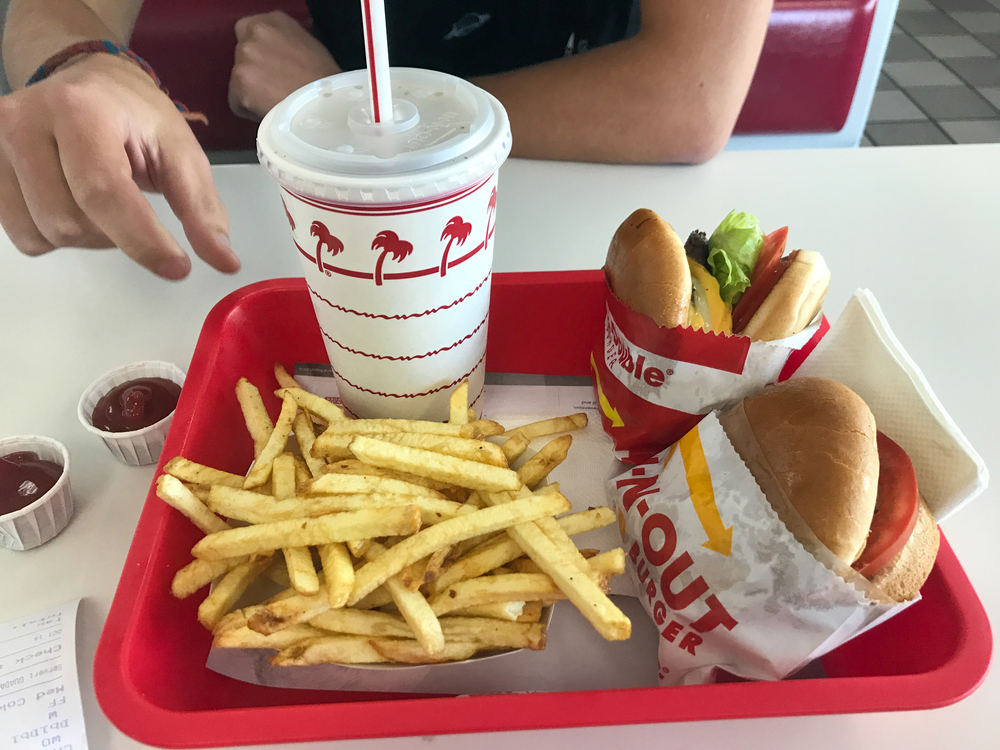
Fast food is inherently designed for convenience. It caters to a lifestyle where meals are often consumed away from a traditional dining table, whether in a car, at a park, or en route to a destination. This convenience factor is a major driver of its popularity, especially for visitors navigating the state’s sprawling geography or attending events like the Coachella Valley Music and Arts Festival.
In conclusion, what is considered fast food in California is a dynamic concept that has evolved significantly. It encompasses not only the classic global chains but also the burgeoning fast-casual sector, diverse ethnic quick-service options, health-conscious eateries, and the innovative food truck scene. For anyone looking to experience the state’s culinary offerings efficiently and affordably, understanding this multifaceted definition is essential for a satisfying and timely dining experience.
LifeOutOfTheBox is a participant in the Amazon Services LLC Associates Program, an affiliate advertising program designed to provide a means for sites to earn advertising fees by advertising and linking to Amazon.com. Amazon, the Amazon logo, AmazonSupply, and the AmazonSupply logo are trademarks of Amazon.com, Inc. or its affiliates. As an Amazon Associate we earn affiliate commissions from qualifying purchases.