
Understanding consumer protection laws is a crucial aspect of navigating the marketplace, especially when it comes to significant purchases like vehicles. In California, the “Lemon Law” provides a vital safety net for consumers who have purchased or leased vehicles with persistent defects. This law, officially known as the Song-Beverly Consumer Warranty Act, is designed to protect buyers from manufacturers who fail to repair substantial defects within a reasonable number of attempts. This article delves into the intricacies of California Lemon Law, exploring its purpose, eligibility requirements, the remedies it offers, and how consumers can effectively utilize its provisions.
Understanding the Purpose and Scope of California Lemon Law
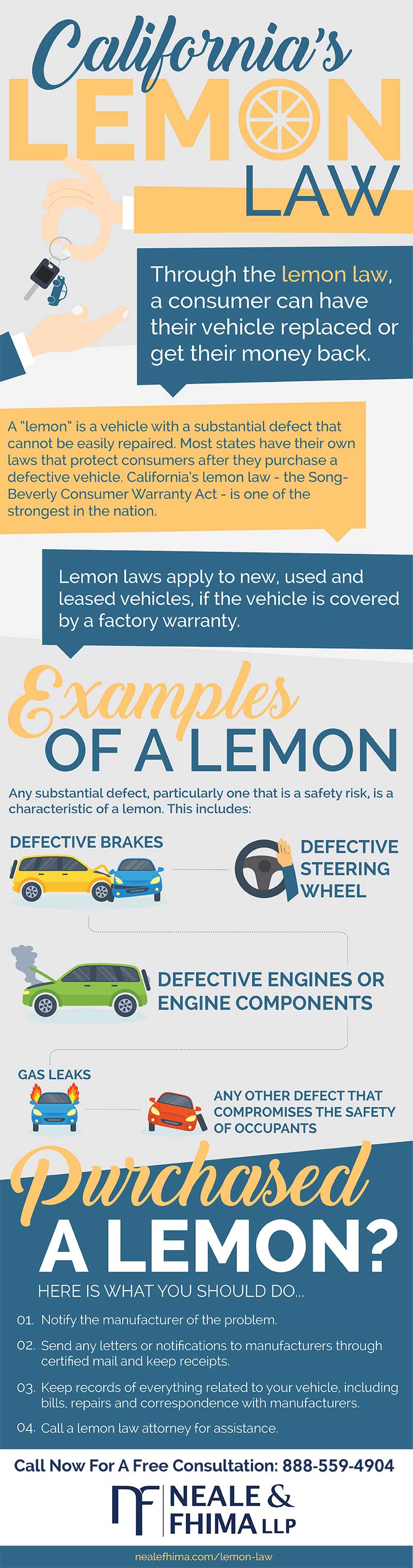
The primary objective of the California Lemon Law is to ensure that consumers are not left with defective vehicles that cannot be repaired. It acknowledges that purchasing a new or used vehicle is a significant investment, and consumers have a right to expect that their vehicle will operate reliably and without substantial defects, especially while it is under warranty. The law aims to provide a clear and accessible process for consumers to seek recourse when a manufacturer fails to fulfill its obligation to repair these persistent issues.
What Constitutes a “Lemon”?
The term “lemon” in the context of California Lemon Law refers to a vehicle that has a substantial defect that impairs its use, value, or safety, and which the manufacturer or its authorized dealer has been unable to repair after a reasonable number of attempts. It’s important to understand the key components of this definition:
- Substantial Defect: This is not a minor issue like a squeaky seat or a minor cosmetic flaw. A substantial defect is one that significantly impacts the vehicle’s performance, drivability, or safety. Examples include engine problems, transmission failures, braking system issues, or persistent electrical malfunctions.
- Impairment of Use, Value, or Safety: The defect must demonstrably affect how the vehicle can be used, its resale value, or the safety of its occupants.
- Reasonable Number of Repair Attempts: This is a critical element. The law presumes that a vehicle is a lemon if it has been subjected to repair attempts for the same substantial defect a certain number of times without success, or if the vehicle has been out of service for repairs for a cumulative number of days.
- Manufacturer’s Responsibility: The defect must be one that the manufacturer, through its authorized dealerships, is responsible for repairing under the vehicle’s express warranty.
The law covers both new and used vehicles purchased or leased in California, provided they are covered by an express warranty at the time of purchase. This includes cars, trucks, SUVs, RVs, and motorcycles.
Who is Protected by the Law?
The California Lemon Law primarily protects consumers who purchase or lease vehicles for personal or family use. However, it also extends to certain business use cases. Specifically, the law applies to:
- Consumers: Individuals who buy or lease vehicles primarily for personal, family, or household purposes.
- Small Businesses: Businesses that purchase or lease no more than five vehicles for business use.
Vehicles purchased or leased primarily for commercial or industrial purposes, with some exceptions for small businesses, are generally not covered.
Eligibility Requirements for a Lemon Law Claim in California
To qualify for relief under the California Lemon Law, several key requirements must be met. These criteria ensure that the law is applied fairly and effectively to genuine cases of manufacturing defects.
The “Reasonable Number of Repair Attempts”
This is perhaps the most commonly cited criterion for determining if a vehicle is a lemon. The law outlines specific presumptions for what constitutes a reasonable number of attempts:
- Four or More Repair Attempts for the Same Defect: If a substantial defect has been subject to repair by the manufacturer or its authorized dealer four or more times, and the defect still exists, the vehicle is presumed to be a lemon.
- Two or More Repair Attempts for a Defect that Could Cause Death or Serious Bodily Injury: For serious safety defects that could lead to severe injury or death, the presumption is met after two or more repair attempts.
- Vehicle Out of Service for 30 Days or More (Cumulatively): If the vehicle has been out of service for repairs for a cumulative total of 30 or more calendar days within the first 18 months or 18,000 miles of purchase (whichever comes first), and the repairs were for substantial defects, it may be considered a lemon. This 30-day period does not need to be consecutive.
It is crucial to note that these are presumptions, not absolute rules. A vehicle might still be considered a lemon even if it doesn’t meet these exact numerical thresholds, or conversely, a manufacturer might argue that a vehicle is not a lemon despite meeting them. The ultimate determination often depends on the specific facts of the case and the severity of the defects.
The Warranty Period
The defect must occur and remain unrepaired while the vehicle is covered by an express warranty. This typically includes the manufacturer’s new car warranty. For used vehicles, the scope of coverage depends on any remaining factory warranty or any additional warranty purchased at the time of sale. The California Lemon Law specifically addresses both new and used vehicles sold with express warranties.
Proper Notification and Opportunity to Repair
Consumers are generally required to provide the manufacturer or its authorized dealer with a final opportunity to repair the defect. This typically involves presenting the vehicle to an authorized repair facility after the requisite number of repair attempts have been made. While not always explicitly mandated as a final step in all situations, it is a good practice to ensure the manufacturer is fully aware of the ongoing issues and has had a chance to rectify them.
Remedies Available Under California Lemon Law
If a vehicle is determined to be a “lemon” under California law, consumers are entitled to specific remedies designed to make them whole. The law provides two primary options:
Vehicle Repurchase
The manufacturer can be compelled to repurchase the defective vehicle from the consumer. This involves the manufacturer buying back the vehicle and refunding the consumer for the purchase price, including:
- The full purchase price: This includes the down payment, monthly payments made, and any finance charges.
- Sales tax, registration fees, and other official fees: Consumers should be reimbursed for all governmental charges associated with the purchase.
- Incidental and consequential damages: This can include expenses incurred due to the defect, such as towing costs, rental car expenses, and even the cost of alternative transportation.
However, the manufacturer is entitled to a reasonable deduction for the consumer’s use of the vehicle. This deduction is typically calculated based on mileage from the first time the vehicle was delivered to the consumer, less any mileage used while the vehicle was out of service for repairs.
Vehicle Replacement
Alternatively, the consumer can opt for a replacement vehicle. In this scenario, the manufacturer will provide the consumer with a comparable new vehicle that is substantially identical to the lemon vehicle in terms of make, model, and features. The manufacturer is responsible for:
- The purchase price of the new vehicle: This should be of comparable value to the original vehicle.
- Reimbursement for registration and other fees: Similar to repurchase, governmental charges related to the new vehicle should be covered.
- Transfer of any finance agreement: If the consumer had a loan on the lemon vehicle, the manufacturer will typically arrange for a transfer of that loan to the new vehicle, or provide a comparable financing arrangement.
Similar to repurchase, a deduction for the consumer’s use of the original vehicle may apply to the replacement option.
The Process of Filing a Lemon Law Claim
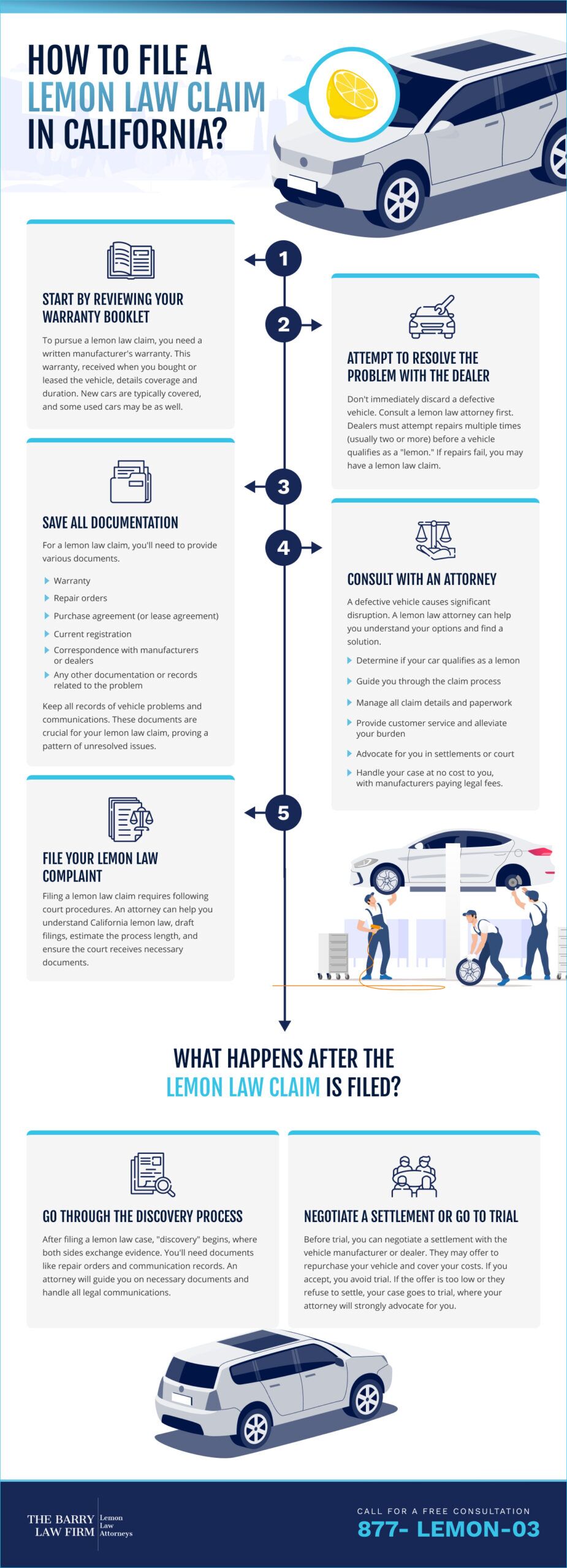
Navigating a California Lemon Law claim can seem daunting, but by understanding the steps involved, consumers can approach the process with greater confidence.
Documenting the Defect
The first and most crucial step is meticulous documentation. Consumers should keep a detailed record of every instance the vehicle has been taken in for repair. This includes:
- Repair orders: Ensure each repair order accurately describes the problem, the work performed, and the date of service.
- Dates of service: Note the exact dates the vehicle was dropped off and picked up for repairs.
- Mileage at the time of service: Record the odometer reading each time the vehicle is serviced.
- Communication with the dealership and manufacturer: Keep copies of all letters, emails, and notes from phone calls.
- Expenses incurred: Maintain receipts for any costs associated with the defect, such as towing, rental cars, or diagnostic fees.
Contacting the Manufacturer or Dealer
While it is often beneficial to work directly with an authorized dealership for repairs, it may become necessary to formally notify the manufacturer directly about the ongoing issues, especially if repair attempts are unsuccessful. Some manufacturers have specific procedures for handling warranty claims and customer complaints.
Seeking Legal Assistance
Given the complexity of consumer protection laws and the potential for manufacturers to contest claims, it is highly advisable for consumers to seek legal counsel from an attorney specializing in California Lemon Law. These attorneys understand the nuances of the law, can assess the strength of a claim, and can represent the consumer in negotiations or litigation.
- No Upfront Fees: Many Lemon Law attorneys work on a contingency fee basis, meaning they only get paid if they win your case. Furthermore, under the California Lemon Law, manufacturers are often required to pay the consumer’s reasonable attorney’s fees and costs if the consumer prevails. This makes legal representation accessible to more consumers.
- Expertise in Negotiation and Litigation: A skilled attorney can effectively negotiate with the manufacturer for a favorable settlement, or, if necessary, take the case to court to ensure the consumer receives the compensation they are legally entitled to.

Arbitration and Litigation
If a satisfactory settlement cannot be reached through negotiation, the next steps may involve arbitration or litigation. Many purchase agreements include arbitration clauses, which can be a faster and less formal way to resolve disputes than going to court. However, consumers have rights concerning arbitration, and an attorney can advise on the best course of action. If arbitration is not suitable or unsuccessful, litigation in civil court may be pursued.
The California Lemon Law is a powerful tool for consumers to protect their rights and ensure they receive value for their vehicle purchases. By understanding its provisions, diligently documenting issues, and seeking appropriate legal guidance, consumers can effectively address the challenges posed by defective vehicles and achieve a fair resolution.
LifeOutOfTheBox is a participant in the Amazon Services LLC Associates Program, an affiliate advertising program designed to provide a means for sites to earn advertising fees by advertising and linking to Amazon.com. Amazon, the Amazon logo, AmazonSupply, and the AmazonSupply logo are trademarks of Amazon.com, Inc. or its affiliates. As an Amazon Associate we earn affiliate commissions from qualifying purchases.