
Navigating the intricate network of California’s highways can be a complex endeavor, especially when considering the efficient, albeit often tolled, express lanes. These dedicated pathways, designed to alleviate congestion and offer a faster commute, are a prominent feature in many of the Golden State’s major metropolitan areas. Understanding the prerequisites for utilizing these lanes is crucial for any traveler, whether a daily commuter or a visitor exploring the expansive landscapes from Los Angeles to San Francisco. This guide will delve into the essential requirements, technological needs, and payment methods necessary to successfully and legally traverse California’s express lanes, ensuring a smoother travel experience.
Understanding California’s Express Lane Network
California’s express lane system, often referred to as High Occupancy Toll (HOT) lanes, has evolved significantly over the years. Initially conceived as High Occupancy Vehicle (HOV) lanes, they have been converted in many regions to allow solo drivers and other eligible vehicles to use them for a fee. This hybrid approach aims to maximize lane utilization while still providing a benefit to carpoolers. The implementation and operational details can vary from county to county and even by specific corridor, making it essential to be informed about the particular rules governing the express lanes you intend to use.
The Purpose and Benefits of Express Lanes
The primary objective of express lanes is to manage traffic flow and reduce travel times during peak periods. By offering a priced alternative to congested general-purpose lanes, they encourage modes of transportation that are more efficient, such as carpooling and public transit. For those willing to pay, express lanes provide a predictable and faster journey, which can be invaluable for business travelers needing to reach meetings on time or for tourists keen to maximize their sightseeing opportunities.
Geographic Distribution and Major Corridors
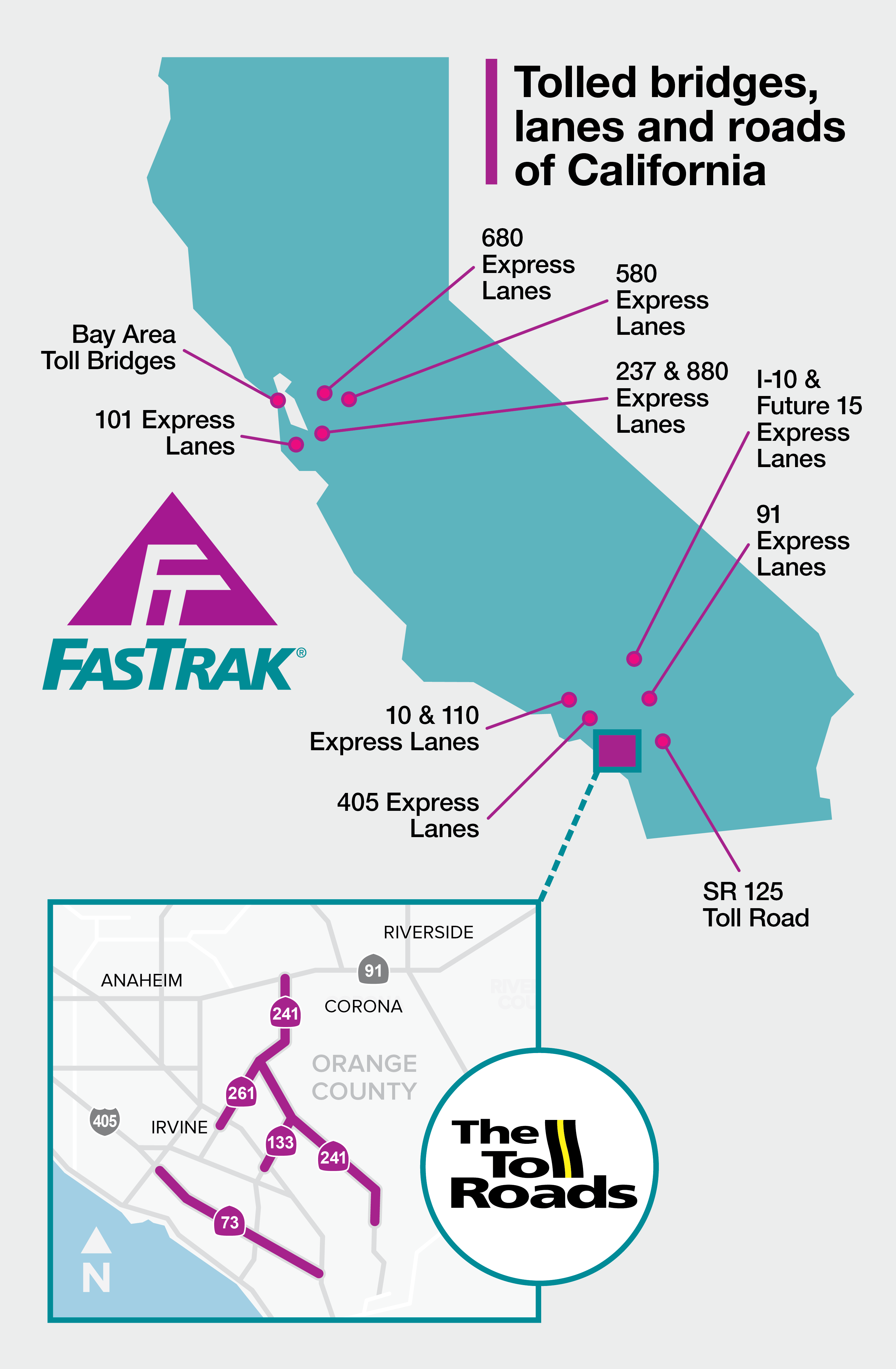
Express lanes are not uniformly distributed across the state. They are most prevalent in densely populated urban areas where traffic congestion is a persistent issue. Key regions with extensive express lane networks include:
- Southern California: The Los Angeles metropolitan area features a vast network, including the I-10, I-110, SR-73, SR-133, SR-241, and SR-261. The Orange County Transportation Authority (OCTA) manages several of these, while the Los Angeles Metropolitan Transportation Authority (Metro) oversees others.
- Northern California: The San Francisco Bay Area has a growing network, particularly along US-101, I-880, I-680, and SR-237. The Metropolitan Transportation Commission (MTC) and various county congestion management agencies are involved in their management.
- San Diego: The San Diego Association of Governments (SANDAG) operates express lanes on I-15 and SR-78.
It is imperative for drivers to recognize the signage for express lanes as they approach and to understand the specific rules for that particular segment of highway.
Essential Requirements for Express Lane Usage
The core requirement for using express lanes in California revolves around vehicle occupancy and the appropriate electronic toll collection device. While some lanes are exclusively for HOV vehicles with no toll, the vast majority of express lanes allow solo drivers and others to pay a toll for access.
Transponders and Toll Payment Systems
The most critical piece of equipment for utilizing express lanes is an electronic toll collection transponder, commonly known as a “transponder” or “toll tag.” California employs a multi-agency system, but the FasTrak® transponder is the most widely accepted and is often a mandatory requirement for express lane access.
- FasTrak®: This is the universal transponder for most express lanes and bridges throughout California, including those managed by Caltrans, OCTA, and the Golden Gate Bridge Highway and Transportation District. Having a FasTrak® account linked to your vehicle allows for seamless passage through tolling points.
- Other Toll Agencies: While FasTrak® is widely compatible, some regions may have specific local toll tags or systems. It is always advisable to check the specific requirements of the express lane you intend to use. For instance, some older systems might have had separate tags, but the trend is towards FasTrak® integration.
How Transponders Work: When you drive through an express lane, sensors overhead read your transponder. This information is then used to automatically deduct the applicable toll from your linked account. This eliminates the need to stop or interact with any physical toll booth.
Obtaining a Transponder: FasTrak® transponders can be purchased online through the FasTrak® website, at select retail locations, or through specific transportation agencies. A deposit may be required for the transponder itself, and you will need to set up an account with pre-paid funds or a linked credit card.
Vehicle Occupancy and Eligibility
The rules regarding vehicle occupancy are central to express lane usage, particularly concerning toll rates.
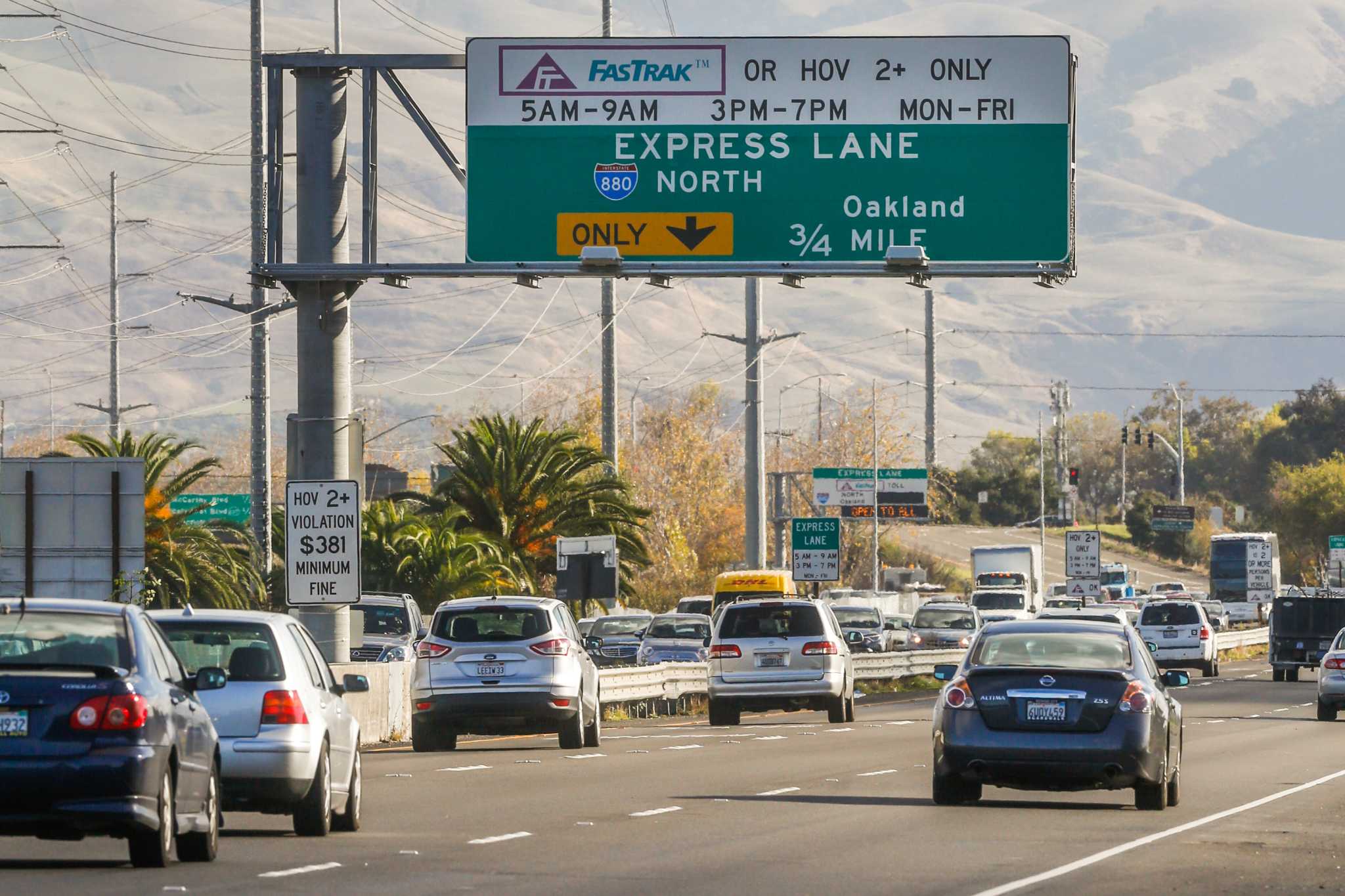
- HOV (High Occupancy Vehicle) Policy: In many express lanes, vehicles with two or more occupants (often referred to as HOV-2+) can travel for free or at a significantly reduced toll. This policy aims to incentivize carpooling and reduce the number of vehicles on the road. The specific occupancy requirements (e.g., 2+ or 3+) will be clearly indicated by signage.
- Solo Drivers: Solo drivers are permitted to use most express lanes but are typically required to pay a toll. The toll amount is dynamic and can fluctuate based on traffic conditions. This pricing strategy is designed to manage demand; as congestion increases, tolls rise to encourage fewer drivers to use the lane, thus maintaining a faster flow for those who choose to pay.
- Motorcycles: The eligibility for motorcycles to use express lanes and any associated toll policies can vary. In some areas, motorcycles may be allowed to use express lanes for free with a FasTrak® device. In others, they may be required to pay a toll. Always check local signage and regulations.
- Electric and Alternative Fuel Vehicles: Some express lanes may offer discounts or exemptions for qualifying clean air vehicles. However, these policies are subject to change and may require specific registration or sticker compliance. It’s crucial to verify the current policies for your specific vehicle type.
Navigating and Adhering to Express Lane Rules
Beyond the technical requirements, understanding how to properly enter, use, and exit express lanes is paramount to avoid penalties and ensure a safe journey.
Signage and Lane Markings

California’s express lanes are clearly marked with overhead signs and specific pavement markings.
- Overhead Signs: These signs are your primary guide. They will indicate the name of the express lane (e.g., “Express Lanes,” “HOT Lanes”), the applicable toll, vehicle occupancy requirements, and often the destination served by the lane. They will also signal when the express lane begins and ends, and when it merges back into general-purpose lanes.
- Lane Markings: Express lanes are typically separated from general-purpose lanes by double solid white lines. It is illegal to cross double solid white lines, except where indicated by signs allowing an entry or exit. Advisory signs will often provide instructions on when and where it is permissible to enter or exit the express lane.
Entry and Exit Procedures
Incorrect entry or exit can lead to citations.
- Entering an Express Lane: You must enter an express lane only at designated entry points and when the signage indicates it is permissible to do so. This usually involves crossing a double solid white line where an opening or ramp is provided. If you miss your entry point, continue in the general-purpose lanes and look for the next opportunity.
- Exiting an Express Lane: Similarly, you can only exit an express lane at designated exit points. This often means crossing a double solid white line where an opening is provided to merge back into general-purpose lanes. Ensure you signal and merge safely.
Enforcement and Penalties
Violating express lane rules can result in significant fines.
- Enforcement: Express lanes are actively enforced by law enforcement and automated camera systems. These systems can detect vehicles without a properly functioning transponder or those violating occupancy requirements.
- Fines: Penalties for using express lanes illegally can be substantial. These may include fines for toll evasion, improper lane usage, and other violations. It is far more cost-effective to pay the toll or adhere to the HOV requirements than to risk a citation.
Tips for a Seamless Express Lane Experience
To make the most of California’s express lanes and avoid any unpleasant surprises, consider these practical tips:
Plan Your Route and Check Toll Information
Before embarking on your journey, especially if you are unfamiliar with the area, it’s wise to plan your route.
- Online Resources: Websites for Caltrans, OCTA, and other regional transportation authorities provide detailed maps, rules, and real-time toll information for their respective express lane networks.
- Navigation Apps: Many popular navigation applications (e.g., Google Maps, Waze) can now display express lane options, estimated tolls, and often provide alerts for upcoming express lanes. However, always cross-reference this information with official signage.
Maintain Your FasTrak® Account
A well-maintained FasTrak® account is key to a smooth experience.
- Sufficient Funds: Ensure your account always has a sufficient balance to cover potential tolls. Low balances can lead to account suspensions and potential penalties.
- Vehicle Information: Keep your vehicle information (license plate number, vehicle type) up-to-date in your FasTrak® account. This is crucial for accurate tolling and in case of any discrepancies.
Understand Dynamic Pricing
The dynamic nature of express lane tolls is a core feature.
- Toll Fluctuations: Be aware that tolls can change frequently based on real-time traffic volume. The price displayed on overhead signs when you enter is the price you will be charged.
- Decision Making: Use this information to make informed decisions. If the toll is excessively high, it may be more economical to use the general-purpose lanes.
Drive Safely and Courteously
Express lanes are still public highways and require safe driving practices.
- Speed Limits: Adhere to the posted speed limits.
- Lane Changes: Execute lane changes with caution and use your turn signals.
- Courtesy: While express lanes offer a faster journey, maintaining a courteous attitude towards other drivers is always appreciated.
By adhering to these guidelines and understanding the requirements, travelers can effectively utilize California’s express lanes to enhance their commute and explore the state with greater efficiency, turning potential traffic woes into a more streamlined travel experience.
LifeOutOfTheBox is a participant in the Amazon Services LLC Associates Program, an affiliate advertising program designed to provide a means for sites to earn advertising fees by advertising and linking to Amazon.com. Amazon, the Amazon logo, AmazonSupply, and the AmazonSupply logo are trademarks of Amazon.com, Inc. or its affiliates. As an Amazon Associate we earn affiliate commissions from qualifying purchases.