
The vast, rugged expanse of Alaska, often referred to as the Last Frontier, is not only a land of unparalleled natural beauty but also a critical strategic bastion for United States national security. Its unique geographical position, bridging the Pacific and Arctic oceans and in close proximity to Russia, has historically cemented its role as a vital military stronghold. As such, the state is home to a significant number of military installations, each serving a distinct and crucial purpose in defending the nation’s interests and projecting power globally. These installations, while often not accessible for conventional tourism, stand as formidable landmarks, shaping the region’s economy, culture, and strategic importance.
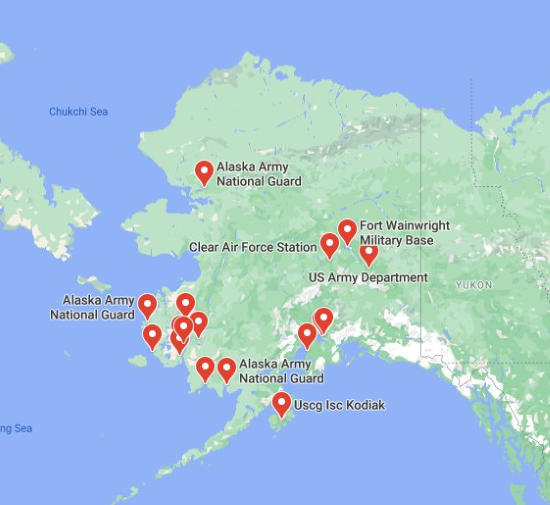
Alaska’s Strategic Frontier: A Landscape Forged in Defense
The presence of military bases across Alaska is a direct consequence of its geopolitical significance. The state’s location makes it a crucial watchtower for aerospace defense, a staging ground for Arctic operations, and a forward operating base for global power projection. This strategic imperative has led to the establishment of several large, comprehensive installations and numerous smaller, specialized sites, creating a network of defense infrastructure that is both extensive and intricate. While the exact number of minor facilities and remote outposts can fluctuate, Alaska is broadly recognized for hosting a handful of major joint bases and air force installations, supplemented by an array of Army, Navy, and Coast Guard presences. These landmarks are testament to a century of evolving defense strategies and technological advancements.
The Geopolitical Significance of the Last Frontier
Alaska’s strategic importance truly came into focus during World War II and intensified throughout the Cold War. Its proximity to the former Soviet Union positioned it as the literal front line for potential airborne attacks and intercontinental ballistic missile defense. Even today, with shifting global dynamics, Alaska remains at the forefront of defense considerations. It is home to elements of the ballistic missile defense system, vital radar installations, and forward-deployed combat aircraft that can respond to threats in the Pacific and Arctic theaters. The military installations are not just bases; they are strategic landmarks that have shaped global security dialogues for decades, serving as crucial nodes in global intelligence gathering and defense networks.
A Legacy of Defense and Development
The military’s presence in Alaska has not only secured national defense but has also been a powerful catalyst for the state’s development. From the construction of roads and infrastructure to the stimulation of local economies, the military has played an integral role in shaping the modern Alaskan landscape. Towns and cities like Anchorage and Fairbanks have grown significantly around these installations, fostering vibrant communities that are deeply intertwined with the servicemen and women stationed there. These military landmarks, therefore, represent more than just strategic points; they embody a shared history of growth, sacrifice, and community building in a challenging environment.
Key Military Installations and Their Historical Significance
While many small detachments and radar sites dot the Alaskan map, the core of the military’s footprint lies in three major installations and several smaller, yet critical, outposts. These are the most significant military landmarks within the state.
Joint Base Elmendorf-Richardson (JBER): The Cornerstone of Alaskan Defense
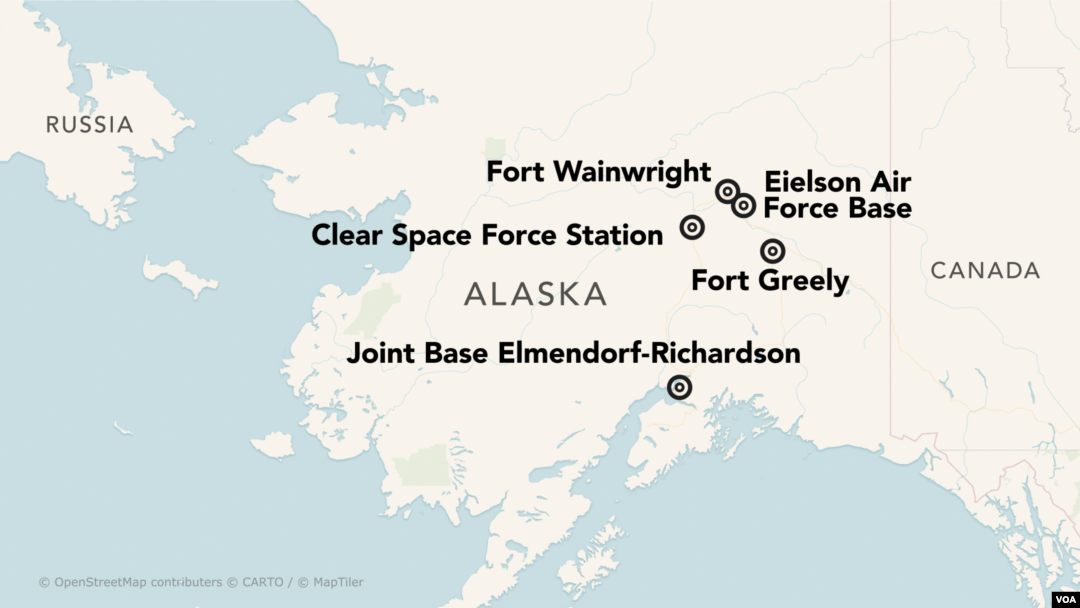
Joint Base Elmendorf-Richardson (JBER) is undoubtedly the largest and most comprehensive military landmark in Alaska. Located adjacent to Anchorage, the state’s largest city, JBER was formed in 2010 by merging the former Elmendorf Air Force Base and Fort Richardson Army Post. This consolidation created a truly joint installation, home to units from both the Air Force and the Army.
JBER serves as the headquarters for Alaskan Command and Eleventh Air Force, playing a critical role in air defense and strategic airlift. It houses fighter squadrons equipped with F-22 Raptors, providing air superiority for the North American Aerospace Defense Command (NORAD) region. On the Army side, JBER hosts the 4th Brigade Combat Team (Airborne), 25th Infantry Division, a highly capable airborne infantry unit trained for Arctic and cold-weather operations. The sheer scale and multi-service operations at JBER make it a formidable landmark, representing the pinnacle of combined military capabilities in the sub-Arctic.
Eielson Air Force Base: Guardians of the Arctic Sky

Situated near Fairbanks in Interior Alaska, Eielson Air Force Base is another vital air defense landmark. Established during World War II as a cold-weather testing site, it has evolved into a premier training and operational base for strategic air power. Eielson is home to the 354th Fighter Wing, which conducts air combat training, most notably through exercises like Red Flag-Alaska. This exercise brings together air forces from various countries, utilizing Alaska’s vast training ranges for realistic aerial combat scenarios, making Eielson a landmark in international military cooperation and readiness.
Recently, Eielson has seen a significant increase in its strategic importance with the basing of two squadrons of F-35A Lightning II stealth fighters. This addition solidifies Eielson’s role as a key player in projecting air power and maintaining stability in the Indo-Pacific region, further enhancing its status as a critical defense landmark.
Fort Wainwright: Army Presence in the Interior
Also located near Fairbanks, Fort Wainwright serves as the heart of the United States Army Alaska (USARAK) and is a foundational landmark for ground forces in the state. Originally established as Ladd Field during World War II for the Lend-Lease program, it became Fort Wainwright in 1961.
Fort Wainwright hosts the 1st Stryker Brigade Combat Team, 25th Infantry Division, specialized in Arctic and extreme cold-weather operations. The extensive training areas around Fort Wainwright allow for large-scale maneuvers and specialized drills unique to the Alaskan environment. This installation is a landmark in the development of Arctic warfare doctrine and a testament to the resilience and adaptability of ground troops in extreme climates.
Smaller Strategic Outposts: Clear Space Force Station, Coast Guard Stations, and More
Beyond these three major powerhouses, Alaska is home to numerous other vital military landmarks:
- Clear Space Force Station: Located south of Fairbanks, Clear Space Force Station (formerly Clear Air Force Station) is a critical component of the nation’s ballistic missile warning system. Its massive radar arrays and detection capabilities make it an indispensable landmark for global strategic defense, monitoring space for potential threats.
- Coast Guard Stations: The United States Coast Guard maintains a significant presence across Alaska’s extensive coastline. Major stations are located in Kodiak (which hosts the largest Coast Guard base in the Arctic region, Sector Juneau, Valdez, Sitka, and Homer. These stations are vital for search and rescue operations, maritime law enforcement, environmental protection, and ensuring safe navigation in some of the world’s most challenging waters. They represent essential maritime security landmarks.
- Remote Aleutian Islands Outposts: Locations like Eareckson Air Station on Shemya Island and smaller facilities on Adak Island serve as key forward operating locations. These remote sites, often harsh and isolated, are critical for missile defense tracking and strategic reconnaissance, serving as silent sentinels along the long defensive perimeter.
In total, while counting “bases” can sometimes be ambiguous depending on the definition of a standalone installation versus a detachment, Alaska is home to three major joint/air force bases, one Space Force station, numerous significant Coast Guard facilities, and various smaller radar sites and remote outposts, creating a comprehensive network of approximately ten to twelve primary military landmarks.
The Enduring Impact of Military Landmarks on Alaska
The military installations in Alaska are far more than just strategic points on a map; they are living, breathing landmarks that have profoundly shaped the state’s identity and future. Their operational presence ensures national security, but their societal integration contributes significantly to the Alaskan way of life.
Economic Drivers and Community Integration
These military landmarks are major economic engines. They provide thousands of civilian jobs, stimulate local businesses through procurement and services, and infuse billions of dollars annually into the state’s economy. The constant rotation of service members and their families brings diverse perspectives and contributes to the cultural fabric of surrounding communities. Many military personnel choose to retire in Alaska, further embedding their legacy within the state. The relationship between military installations and local communities is a unique landmark in itself, showcasing resilience and mutual support in a remote environment.
Preserving Alaskan Heritage and Security
Ultimately, the military bases in Alaska stand as enduring landmarks of national defense and strategic foresight. They are a testament to the nation’s commitment to protecting its interests and its allies, while also playing an integral role in the preservation of Alaskan heritage and its unique place in the world. From the bustling operations of JBER to the remote vigilance of Clear Space Force Station, these installations underscore Alaska’s critical role as the gateway to the Arctic and a cornerstone of global security. They are not merely structures, but chapters in the continuing story of Alaska’s strategic importance and its unbreakable link to the defense of the United States.
LifeOutOfTheBox is a participant in the Amazon Services LLC Associates Program, an affiliate advertising program designed to provide a means for sites to earn advertising fees by advertising and linking to Amazon.com. Amazon, the Amazon logo, AmazonSupply, and the AmazonSupply logo are trademarks of Amazon.com, Inc. or its affiliates. As an Amazon Associate we earn affiliate commissions from qualifying purchases.