
Navigating the vast and diverse landscape of California requires an understanding of its intricate telecommunication system. While seemingly a minor detail, knowing the area codes for California can be surprisingly useful for travelers, business professionals, and anyone seeking to connect with the Golden State. This guide aims to demystify California’s area codes, offering insights into their geographical distribution and the unique characteristics of the regions they serve.
Understanding California’s Numbering Plan
California, being the most populous state in the United States, has a complex and ever-expanding numbering plan to accommodate its growing population and the proliferation of mobile devices. The North American Numbering Plan (NANP), which governs telephone numbering in the U.S., has necessitated the introduction of numerous overlay area codes throughout the state. This means that a single geographical region might now be served by multiple area codes, a concept known as “number pooling” or “overlay.”

The Mechanics of Area Code Overlays
Overlay area codes are assigned to geographic regions that have exhausted their existing number supply. Instead of splitting an existing area code, a new one is superimposed over the same geographic territory. This allows for a continued supply of new telephone numbers without disrupting existing ones. For residents and businesses within these areas, it means that local calls may now require dialing a 10-digit number (area code + seven-digit number), a change that has become increasingly common across the state.
Historical Context of California Area Codes
The first area code in California was 213, established in 1947, serving the sprawling Los Angeles metropolitan area. As the state’s population boomed, so did the need for more telephone numbers, leading to the introduction of new area codes. Initially, these were created through geographic splits, where a portion of an existing area code’s territory would be assigned a new code. However, with increasing demand, overlays became the standard method for introducing new numbers.
Key Area Codes and Their Geographical Significance
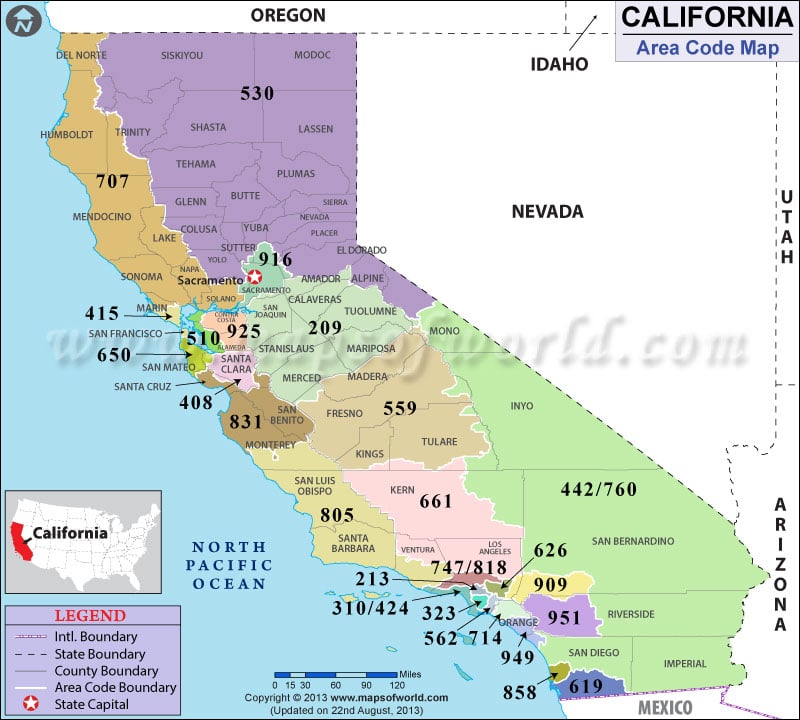
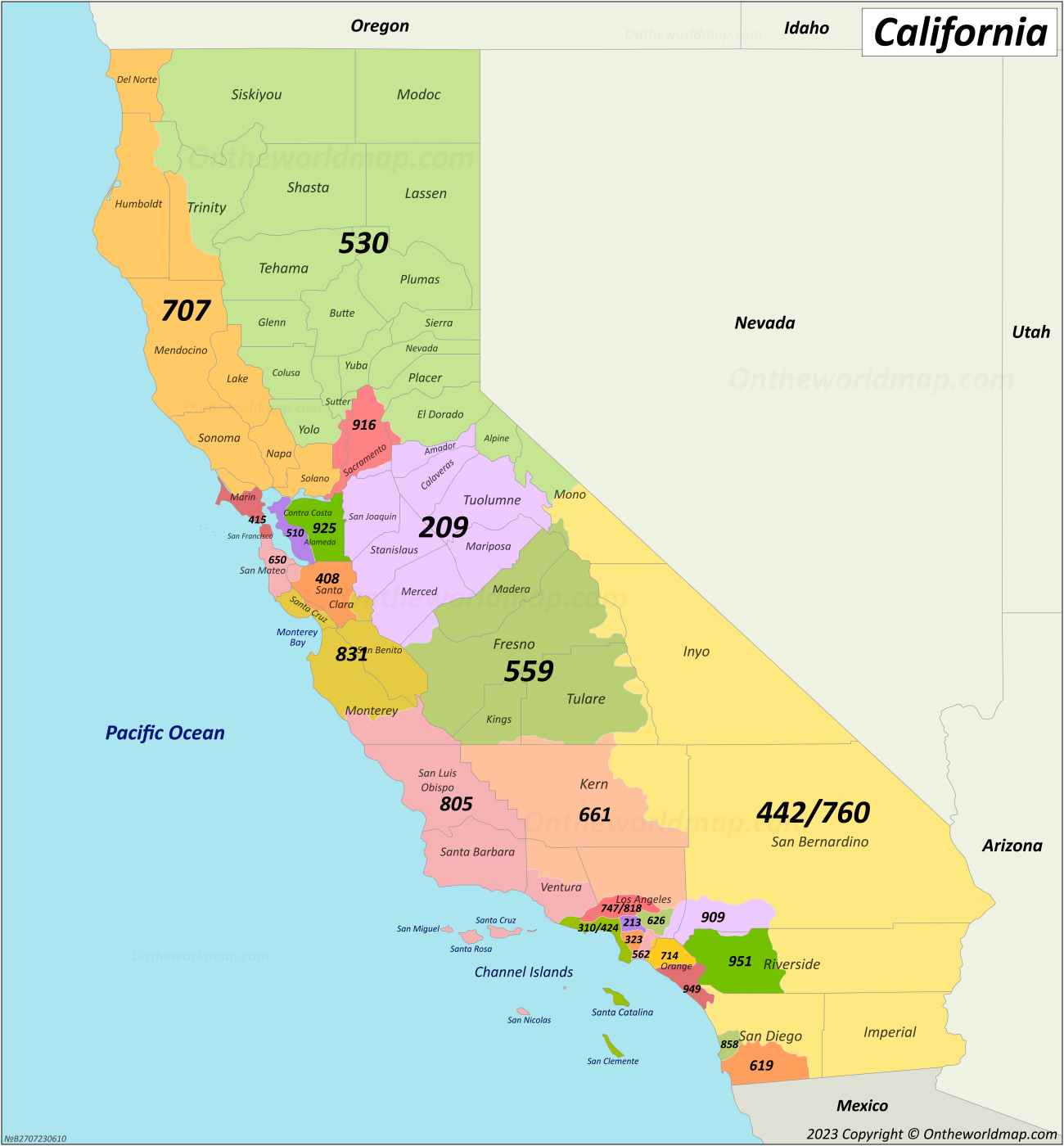
California’s area codes are not randomly assigned; they are generally tied to specific geographic regions, though the overlay system has blurred these lines to some extent. Understanding these regional associations can provide a general sense of location, even with multiple codes covering the same area.
Southern California
Southern California, a densely populated region, has a particularly intricate web of area codes.
- 213: This historic area code still serves downtown Los Angeles.
- 310: Covers the western and southern portions of Los Angeles County, including affluent areas like Beverly Hills, Santa Monica, and Malibu.
- 323: An overlay for the central and southern parts of the city of Los Angeles.
- 424: An overlay for the 310 region.
- 442: An overlay for the 760 region in San Diego County and Imperial County.
- 562: Serves southeastern portions of Los Angeles County, including cities like Long Beach.
- 626: Covers the San Gabriel Valley in eastern Los Angeles County.
- 714: Primarily serves Orange County, a vibrant area south of Los Angeles.
- 747: An overlay for the 818 region.
- 818: Covers the San Fernando Valley in northwestern Los Angeles County.
- 909: Serves eastern San Bernardino and western Riverside Counties.
- 949: Primarily covers southern Orange County.
- 951: Serves western Riverside and southwestern San Bernardino Counties.
- 310/424: These codes serve communities along the coast and inland areas of western Los Angeles County. This includes renowned cities like Santa Monica, known for its piers and beaches, and Beverly Hills, synonymous with luxury shopping and entertainment.
- 714/657: These codes are deeply intertwined with Orange County, a region celebrated for its family-friendly attractions like Disneyland Resort and its beautiful coastline.
- 909/840: These codes cover a significant portion of the Inland Empire, a rapidly growing region that includes cities like San Bernardino and Riverside.
- 818/747: These codes are essential for navigating the San Fernando Valley, a diverse area within Los Angeles known for its entertainment industry studios and suburban communities.
- 562/323: These codes represent parts of central and southeastern Los Angeles County, encompassing major urban centers and industrial hubs.
- 442/760: These codes serve the vast and diverse regions of San Diego County’s northern and eastern areas, as well as the entirety of Imperial County. This includes the desert landscapes near Palm Springs and the agricultural heartland of the Imperial Valley.
- 213/323: These are central to the city of Los Angeles itself, covering its bustling downtown core and surrounding neighborhoods.
Central California
Central California encompasses a broad swathe of the state, from the agricultural heartland to the scenic coastal areas.
- 209: Serves a large area including Stockton, Modesto, and parts of the Sierra Nevada foothills.
- 341: An overlay for the 510 region.
- 510: Covers Alameda and Contra Costa Counties in the East Bay area of the San Francisco Bay Area.
- 559: Serves the southern Sierra Nevada region, including cities like Fresno and Visalia.
- 661: Covers northwestern Kern County, southwestern Tulare County, and southeastern Los Angeles County, including cities like Bakersfield.
- 805/820: These codes serve a beautiful and diverse stretch of the central coast, including cities like Santa Barbara and San Luis Obispo, known for their vineyards and stunning ocean views.
- 831: Covers the Monterey Bay area, including cities like Salinas and Santa Cruz.
- 408/669: These codes are fundamental to the heart of Silicon Valley, covering cities like San Jose, Santa Clara, and parts of Sunnyvale.
Northern California
Northern California is characterized by the iconic San Francisco Bay Area and the expansive northern regions.
- 415: Primarily serves San Francisco and some surrounding areas.
- 530: Covers a large portion of northern California, including cities like Redding and extending into the Lake Tahoe region and the agricultural areas of the Sacramento Valley.
- 650: Serves the peninsula south of San Francisco, including cities like Palo Alto and San Mateo.
- 707: Covers the North Coast region, including wine country (Napa Valley and Sonoma Valley), as well as areas north of the Golden Gate.
- 822: This is a special use code and not typically assigned to geographic areas.
- 415/628: These codes are essential for the vibrant city of San Francisco and its immediate surrounding areas, a global hub for technology, culture, and finance.
- 510/341: These codes serve the East Bay, a diverse region encompassing cities like Oakland and its surrounding communities, offering a mix of urban life and natural beauty.
- 650/450: These codes are vital for the peninsula communities south of San Francisco, home to renowned universities like Stanford University and the headquarters of many tech giants.
- 707/707: These codes are synonymous with Northern California’s picturesque wine country and the rugged beauty of the North Coast, including areas like Muir Woods National Monument.
Implications for Travelers and Visitors
For those planning a visit to California, understanding area codes might not be a primary concern, but it can offer a subtle layer of navigational insight.
Local vs. Long Distance
With the proliferation of overlay area codes, the definition of a “local” call has expanded. Many calls within a major metropolitan area that were once considered long-distance might now be classified as local if they share the same area code. Conversely, if you are calling within the same city but the phone number has a different overlay area code, it might still be considered a local call. It’s always best to check with your service provider regarding their specific calling plan rates.
Business and Communication
For businesses operating in California, having a local area code can be advantageous for establishing a presence and connecting with the local market. When looking for accommodation or services, the area code can often provide a clue about the general location within a larger metropolitan region. For example, a business with a 310 area code is likely located in the western part of Los Angeles, while a 714 area code suggests a location in Orange County.
Staying Connected
When booking hotels, making restaurant reservations, or arranging meetups, knowing the area code can help pinpoint the exact location. For instance, if you’re looking for a hotel in the heart of San Francisco, you’d expect numbers to begin with 415 or 628. If you’re considering a resort in the wine country, a 707 area code would be a strong indicator. This geographical correlation, though not absolute due to overlays, remains a useful reference point.
The Future of California Area Codes
The relentless demand for new phone numbers in California means that new area codes will likely continue to be introduced. The California Public Utilities Commission (CPUC) and the North American Numbering Plan Administrator (NANPA) work in tandem to manage this process, ensuring a sufficient supply of numbers while minimizing disruption. As technology evolves and more devices become connected, the complexities of California’s numbering plan will continue to adapt.
Technological Advancements and Numbering
The rise of VoIP (Voice over Internet Protocol) and mobile virtual network operators (MVNOs) has also influenced how area codes are assigned and used. While traditional geographic assignments remain, the flexibility of digital communication allows for more dynamic allocation. This ensures that California can continue to grow and connect its diverse population and industries.
Staying Informed
For residents, businesses, and frequent visitors, staying informed about potential new area code assignments or overlay introductions is beneficial. Resources from the CPUC and NANPA provide official updates and guidelines. Ultimately, understanding the landscape of California’s area codes, even with their complexities, offers a more informed connection to this dynamic and influential state.
LifeOutOfTheBox is a participant in the Amazon Services LLC Associates Program, an affiliate advertising program designed to provide a means for sites to earn advertising fees by advertising and linking to Amazon.com. Amazon, the Amazon logo, AmazonSupply, and the AmazonSupply logo are trademarks of Amazon.com, Inc. or its affiliates. As an Amazon Associate we earn affiliate commissions from qualifying purchases.