
Understanding the average rent in California is crucial for anyone considering a move to the Golden State, whether for long-term residency, a temporary work assignment, or even an extended vacation that stretches beyond typical hotel stays. This vast and diverse state presents a complex rental market, heavily influenced by regional economics, desirability, and housing supply. Navigating this landscape requires a nuanced look at the factors driving rental prices and how they vary across its major metropolitan areas and more affordable regions.
The cost of living in California is undeniably high, and housing, particularly rent, is a significant contributor to this figure. While the state boasts stunning natural beauty, vibrant cultural scenes, and a booming economy in certain sectors, these advantages come with a premium price tag. The average rent is not a monolithic number; it’s a dynamic figure that reflects the interplay of supply and demand, job growth, and the unique characteristics of each city and neighborhood.
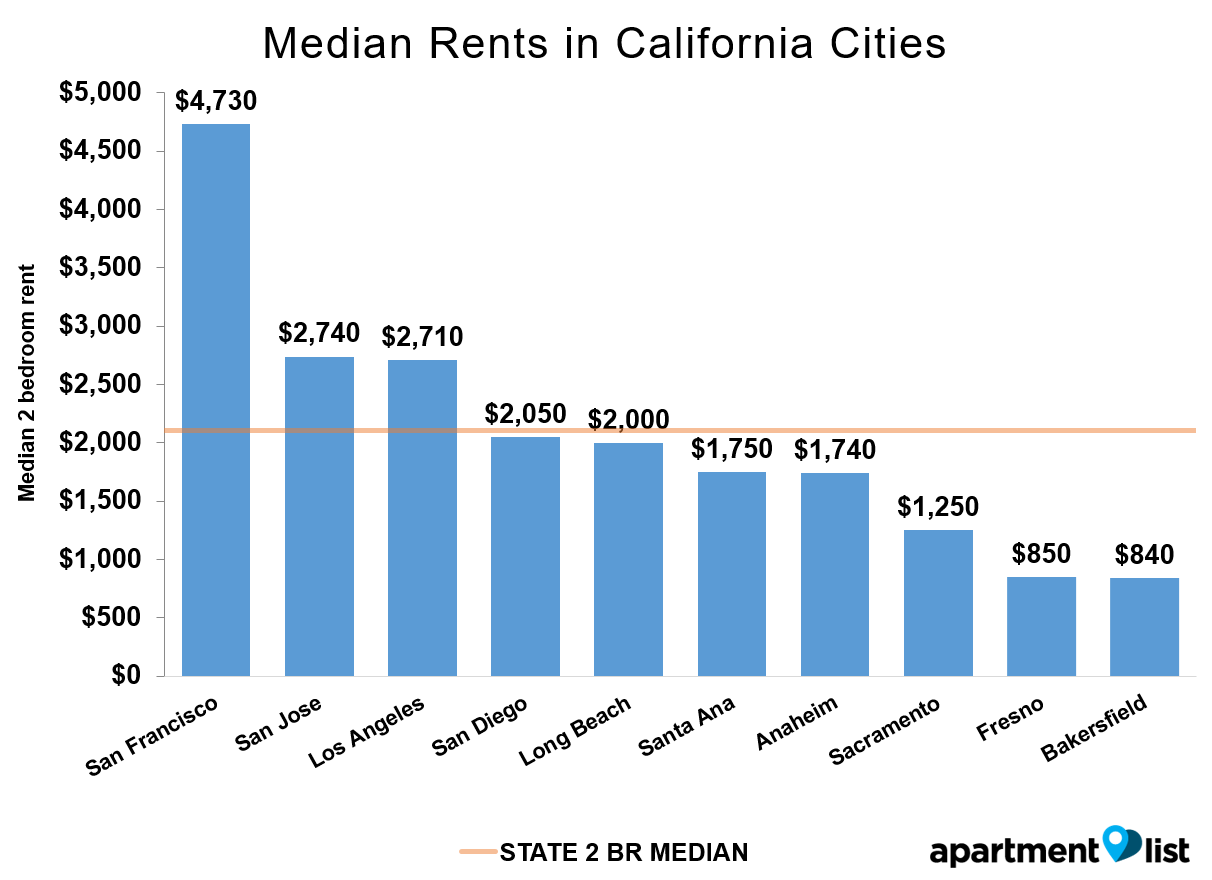
Factors Influencing California Rental Prices
Several key elements shape the rental market across California, making it one of the most expensive states for housing in the United States. Understanding these drivers is essential for potential renters to set realistic expectations and budget accordingly.
Economic Growth and Job Market
The strength of California’s economy, particularly in tech hubs like Silicon Valley and the entertainment industry in Los Angeles, directly impacts rental demand. High-paying jobs in these sectors attract a large influx of professionals, increasing competition for limited housing stock. This sustained demand, coupled with a robust job market, allows landlords to command higher rents. Cities with burgeoning industries and significant foreign investment often see the most dramatic rent hikes.
Population Density and Housing Supply
California is the most populous state in the U.S., and its desirable climate and economic opportunities draw even more people. However, the supply of housing, especially in desirable urban centers, has not kept pace with population growth. Strict zoning laws, lengthy approval processes for new construction, and geographical limitations (mountains, coastlines) all contribute to a constrained housing supply. When demand significantly outstrips supply, rents inevitably rise.
Desirability and Lifestyle Amenities
The allure of the California lifestyle—beautiful beaches, diverse landscapes, world-class dining, and a generally pleasant climate—makes many of its cities highly sought after. Neighborhoods offering proximity to popular attractions, excellent schools, safe environments, and convenient access to amenities naturally command higher rental rates. This desirability factor plays a significant role in differentiating rental prices even within the same metropolitan area.
Type of Rental Property
The average rent will also depend heavily on the type of accommodation. A studio apartment in a less central location will naturally be cheaper than a three-bedroom house in a prime urban neighborhood. Similarly, furnished apartments or those offering premium amenities like swimming pools, gyms, or dedicated parking will often come with a higher price tag compared to basic, unfurnished units.
Regional Variations in California Rents
California is a geographically and economically diverse state, and its rental market reflects this heterogeneity. While coastal cities and major metropolitan areas dominate headlines for high rents, other regions offer more affordable options.
Southern California
This region, home to Los Angeles, San Diego, and Orange County, is a major driver of the state’s high rental averages.
- Los Angeles Metropolitan Area: Known for its sprawling urban landscape, Los Angeles presents a wide spectrum of rental prices. Areas like Santa Monica, Beverly Hills, and West Hollywood are among the most expensive, often exceeding $3,000-$4,000 per month for a one-bedroom apartment. More affordable options can be found in the San Fernando Valley or further east, though even these can be substantial. The average rent for a one-bedroom in the greater Los Angeles area typically hovers around $2,500 to $3,000.
- San Diego: San Diego‘s desirable coastal location and pleasant climate make it a popular choice. Rents here are also on the higher end, with average one-bedroom apartments often ranging from $2,200 to $2,700. Neighborhoods near the coast or with vibrant downtown scenes command premium prices.
- Orange County: Comprising cities like Irvine, Newport Beach, and Anaheim, Orange County offers a mix of affluent beach communities and more suburban inland areas. Average rents for a one-bedroom can range from $2,000 to $2,800, depending on the specific city and its proximity to the coast or major employment centers.
Northern California
This region, dominated by the San Francisco Bay Area and extending south to San Jose, is notoriously expensive, largely driven by the tech industry.
- San Francisco Bay Area: This region consistently ranks as one of the most expensive rental markets in the world. Cities like San Francisco, Oakland, and San Jose have astronomical rental costs. A one-bedroom apartment in San Francisco can easily exceed $3,000-$3,500 per month, with larger units or prime locations pushing that figure much higher. The broader Bay Area, including Silicon Valley, sees average one-bedroom rents ranging from $2,700 to $3,300.
- Sacramento Metropolitan Area: As the state capital, Sacramento offers a more affordable alternative to the Bay Area, though rents have been steadily increasing. Average rents for a one-bedroom typically fall between $1,600 and $2,000, making it a more accessible option for those seeking a California lifestyle without the extreme costs of the coast.
Central Valley and Inland Empire
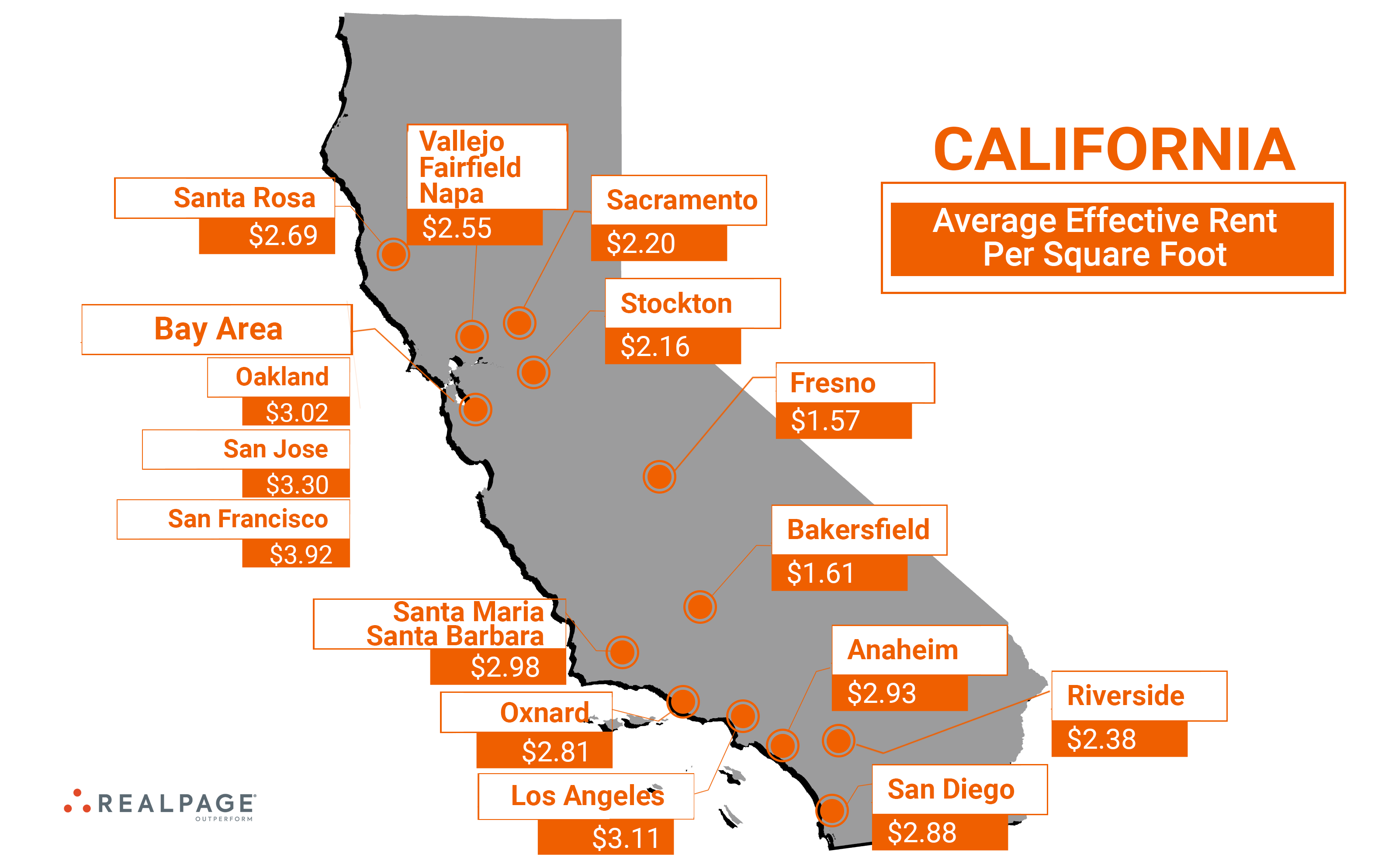
These regions generally offer more affordable rental prices compared to the coastal metropolises.
- Central Valley: Cities like Fresno, Bakersfield, and Stockton are agricultural and industrial hubs that provide a significantly lower cost of living. Average rents for a one-bedroom apartment might range from $1,300 to $1,700. While they may lack the immediate access to beaches or the glitz of Hollywood, these areas offer a more budget-friendly entry into California.
- Inland Empire: This area, east of Los Angeles, includes cities like Riverside and San Bernardino. It offers a more suburban feel and, consequently, more moderate rents. Average one-bedroom rents here typically range from $1,600 to $2,000.
Average Rent Breakdown by Unit Type
The type of rental unit significantly influences the monthly cost. Here’s a general overview of what renters can expect for different unit sizes, keeping in mind that these are averages and can vary greatly by location.
Studio Apartments
For individuals or couples prioritizing affordability and a minimalist lifestyle, studio apartments offer a compact living solution. In high-cost areas like San Francisco or parts of Los Angeles, a studio can still command prices exceeding $2,000 per month. However, in more moderate markets or less central neighborhoods, studios might be found for $1,200 to $1,800.
One-Bedroom Apartments
This is a common choice for singles or couples. As detailed in the regional breakdown, a one-bedroom apartment is the benchmark for many average rent calculations. Expect to pay anywhere from $1,600 in more affordable inland cities to upwards of $3,000 or more in prime coastal and Bay Area locations.
Two-Bedroom Apartments
Ideal for small families, roommates, or those needing extra space, two-bedroom units represent a step up in price from one-bedroom apartments. In expensive regions, a two-bedroom can easily surpass $3,500-$4,000 per month. In more moderately priced areas, they might range from $1,800 to $2,500.
Three-Bedroom Apartments and Houses
These larger units or detached homes cater to families or larger groups. The cost escalates considerably. In desirable California locations, a three-bedroom dwelling can easily rent for $4,000-$5,000 or more per month. Even in more affordable parts of the state, finding a three-bedroom for under $2,500-$3,000 can be challenging.
Strategies for Finding Affordable Rentals
Given the high cost of rent in California, many renters employ strategies to mitigate expenses or find more affordable options.
Consider Less Popular Neighborhoods or Cities
Venturing beyond the most sought-after areas can unlock significant savings. Explore neighborhoods on the outskirts of major cities or consider smaller towns within commuting distance. While this might involve a longer commute, the financial benefit can be substantial.
Look for Roommate Situations
Sharing a larger apartment or house with roommates is a popular and effective way to reduce individual rent burdens. This is especially common among young professionals and students in expensive urban centers.
Explore Rental Assistance Programs
While often competitive, California does have various rental assistance programs and affordable housing initiatives that may be available to eligible individuals and families. Researching local housing authorities and non-profit organizations can provide valuable information.

Be Prepared for a Competitive Market
The rental market in many parts of California is highly competitive. Having your documentation (proof of income, credit reports, references) ready, being flexible with move-in dates, and acting quickly when a suitable listing appears are crucial steps to securing a rental.
In conclusion, the average rent in California is a complex figure shaped by a multitude of economic, geographic, and social factors. While it remains one of the most expensive states for renters, understanding the regional disparities and employing smart search strategies can help individuals navigate this challenging market and find suitable accommodation.
LifeOutOfTheBox is a participant in the Amazon Services LLC Associates Program, an affiliate advertising program designed to provide a means for sites to earn advertising fees by advertising and linking to Amazon.com. Amazon, the Amazon logo, AmazonSupply, and the AmazonSupply logo are trademarks of Amazon.com, Inc. or its affiliates. As an Amazon Associate we earn affiliate commissions from qualifying purchases.