
California, the Golden State, is renowned for its diverse landscapes, vibrant culture, and, unfortunately, its high cost of living. For many, the dream of living in California feels unattainable due to escalating housing prices, transportation expenses, and daily living costs. However, beneath the glitz and glamour of its famous cities lie pockets of affordability that offer a more accessible entry into the Californian lifestyle. This exploration delves into the most budget-friendly locations across the state, providing insights for those seeking to plant roots without breaking the bank.
Unpacking the Cost of Living in California
Before identifying the cheapest places, it’s crucial to understand what contributes to California’s overall expense. The cost of living is a multifaceted metric influenced by several key factors.
Housing Market Dynamics
The most significant driver of California’s high cost of living is undeniably its housing market. From San Francisco to Los Angeles, median home prices often reach astronomical figures, making homeownership a distant fantasy for many. Rental prices are also considerably higher than the national average, impacting both long-term residents and newcomers. This scarcity of affordable housing is particularly acute in major metropolitan areas and coastal regions, pushing the search for budget-friendly living inland and to less densely populated areas.
Transportation and Commuting
California’s sprawling nature often necessitates reliance on personal vehicles. The cost of gasoline, car insurance, and maintenance can add a substantial sum to monthly expenses. While some urban centers offer robust public transportation systems, these are not always comprehensive enough to eliminate the need for a car, especially when commuting to jobs or accessing amenities outside immediate neighborhoods.
Daily Expenses and Utilities
Beyond housing and transportation, everyday costs such as groceries, utilities, and entertainment also contribute to the overall expense. While these costs can vary significantly by region, they remain a consistent consideration for budget-conscious individuals and families. Energy costs, in particular, can be high in California, especially during extreme weather seasons.
Economic Opportunities and Job Markets
It’s important to note that the cost of living is often correlated with economic opportunities. While cheaper areas might offer a lower cost of entry, they may also present fewer high-paying job prospects or a different industry focus compared to major economic hubs. Balancing affordability with career aspirations is a key consideration.
Identifying California’s Affordable Havens
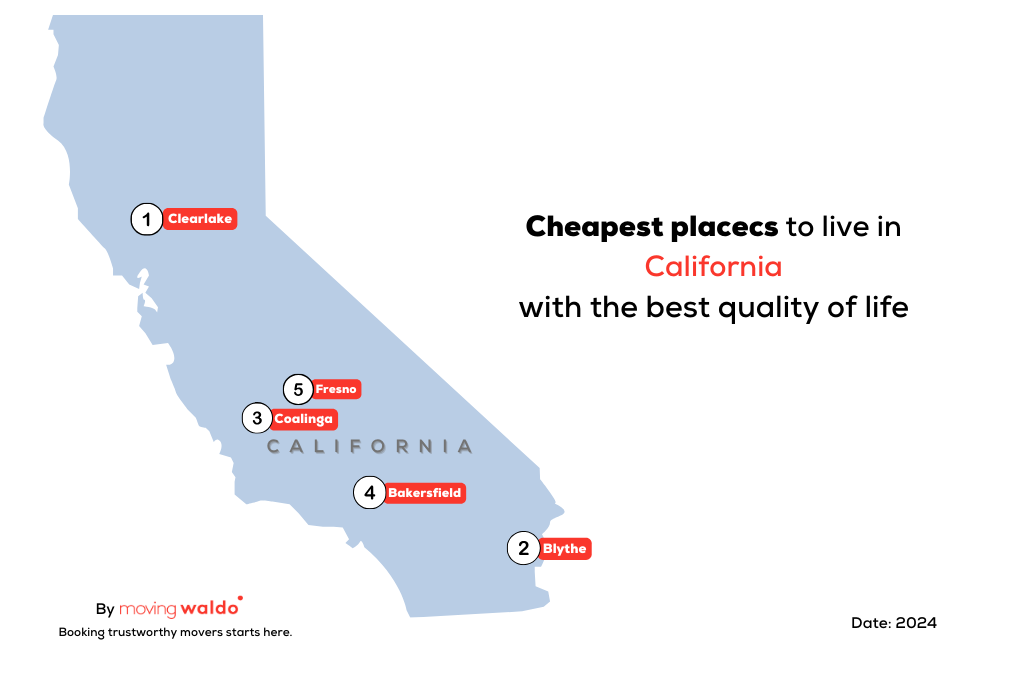
When seeking the cheapest places to live in California, one must look beyond the iconic skylines and tourist hotspots. The most budget-friendly locales are typically found in areas with a slower pace of life, less demand for housing, and a stronger reliance on local industries rather than global tech or entertainment empires.
Inland Empire: A Budding Frontier
The Inland Empire, comprising Riverside and San Bernardino counties, has historically offered a more affordable alternative to the coastal metropolises. While it has seen its own share of growth and rising costs, it still presents opportunities for more budget-conscious living.
- Riverside: Known for its historic mission revival architecture and vibrant citrus groves of the past, Riverside offers a more relaxed atmosphere than its coastal neighbors. The median home prices here are significantly lower than in Los Angeles or Orange County. The city boasts a growing job market, particularly in education, healthcare, and manufacturing, supported by institutions like University of California, Riverside. Commute times to Los Angeles can be a factor, but the savings in housing often outweigh this.
- San Bernardino: Similar to Riverside, San Bernardino offers a lower cost of entry into Southern California living. While it has faced economic challenges in the past, efforts are underway to revitalize the downtown area and attract new businesses. The proximity to natural attractions like the San Bernardino Mountains adds to its appeal for outdoor enthusiasts.
- Smaller Cities within the Inland Empire: Beyond the main cities, smaller communities such as Redlands (though it has its own charm and a slightly higher price point due to its desirability) and areas further east continue to offer relatively affordable housing options.
Central Valley: The Agricultural Heartbeat
The Central Valley is California’s agricultural powerhouse, a region characterized by vast farmlands and a more down-to-earth lifestyle. While it may lack the coastal allure, it offers some of the most affordable living in the state, coupled with a strong sense of community.
- Fresno: As the largest city in the Central Valley, Fresno provides a substantial urban experience at a fraction of the cost of coastal cities. Housing prices are considerably lower, making it an attractive option for families and individuals looking to own a home. The economy is largely driven by agriculture, but it also has a growing healthcare and education sector, with institutions like California State University, Fresno. Proximity to national parks like Yosemite and Sequoia National Parks is a major draw for nature lovers.
- Bakersfield: Located in the southern end of the Central Valley, Bakersfield is known for its oil industry and country music heritage. It offers some of the most affordable housing in the state, coupled with a growing job market in energy, agriculture, and logistics. The city is undergoing revitalization efforts, with new businesses and cultural attractions emerging.
- Smaller Agricultural Towns: Numerous smaller towns and cities dot the Central Valley, each offering a unique community feel and often even lower housing costs. These areas are ideal for those who prioritize a quiet, rural lifestyle and don’t require access to large urban amenities on a daily basis. Examples include Visalia, Modesto, and Merced.
Northern California’s Hidden Gems
While Northern California is often associated with the high costs of the Bay Area and Silicon Valley, there are pockets of affordability, particularly as one moves away from the coast and major tech hubs.
- Chico: Nestled in the northern Sacramento Valley, Chico is a vibrant college town with a strong emphasis on outdoor recreation. The presence of California State University, Chico contributes to a youthful and dynamic atmosphere. Housing costs are considerably lower than in the Bay Area, and the surrounding natural beauty, including Bidwell Park, offers ample opportunities for outdoor activities.
- Redding: Located in the far northern part of the state, Redding is known for its access to outdoor adventures, including the Sacramento River and nearby mountains. It offers a significantly lower cost of living compared to most of California, with affordable housing and a more laid-back pace of life. The economy is diverse, with strengths in healthcare, retail, and manufacturing.
- Stockton: While Stockton has faced its share of economic challenges, it remains one of the more affordable cities in the San Francisco Bay Area periphery. Its location on the San Joaquin River offers some recreational opportunities, and its proximity to both Sacramento and the Bay Area provides access to employment and amenities, albeit with a commute.
Factors to Consider When Choosing an Affordable California Location
Selecting the cheapest place to live in California requires a balanced approach that considers more than just median home prices.
Job Market and Economic Stability
The most affordable areas might not always have the most robust job markets. Thorough research into local industries, employment opportunities, and salary ranges is essential. A low cost of living is less attractive if it means struggling to find stable employment or accepting a significantly lower salary than one is accustomed to.
Community and Lifestyle Fit
Consider the type of community you desire. Do you prefer a bustling city with diverse amenities, a quiet suburban environment, or a more rural setting? The character of a town or city, its cultural offerings, and its overall atmosphere play a crucial role in long-term satisfaction. Smaller towns in the Central Valley, for instance, offer a strong sense of community but may lack the cosmopolitan feel of larger cities.
Access to Amenities and Infrastructure
While aiming for affordability, it’s important to assess access to essential services such as quality healthcare, good schools, grocery stores, and recreational facilities. The availability and cost of these amenities can impact your overall living expenses and quality of life.
Commute and Transportation
Evaluate the necessity and feasibility of commuting. If you secure a job in a more expensive area, the cost of daily travel could negate the savings from living in a cheaper location. Conversely, if you can find employment locally, the benefits of a lower cost of living are amplified.
Making the Dream a Reality
Living in California does not have to be an exclusive privilege. By looking beyond the most publicized and expensive regions, individuals and families can discover affordable havens that offer a high quality of life. Whether it’s the agricultural bounty of the Central Valley, the burgeoning communities of the Inland Empire, or the natural beauty of Northern California’s less-traveled paths, the Golden State holds opportunities for those willing to explore its diverse and often overlooked affordable corners. The key lies in diligent research, understanding personal priorities, and recognizing that the quintessential Californian experience can be found in many forms, often at a more accessible price point than commonly perceived.
LifeOutOfTheBox is a participant in the Amazon Services LLC Associates Program, an affiliate advertising program designed to provide a means for sites to earn advertising fees by advertising and linking to Amazon.com. Amazon, the Amazon logo, AmazonSupply, and the AmazonSupply logo are trademarks of Amazon.com, Inc. or its affiliates. As an Amazon Associate we earn affiliate commissions from qualifying purchases.