
Navigating the legal landscape of vehicle window tinting in California can be a murky process for many drivers. While the allure of privacy, reduced glare, and a sleeker aesthetic is strong, it’s crucial to adhere to the state’s regulations to avoid citations and potential fines. This guide delves into the specific legal limits for window tint darkness in the Golden State, offering clarity for residents and visitors alike. Understanding these rules ensures you can customize your vehicle while staying compliant.
Understanding California’s Window Tint Laws
California’s approach to window tinting is primarily governed by California Vehicle Code Section 26708, which outlines the permissible levels of light transmission and reflectivity. The core principle is to maintain visibility for law enforcement and emergency personnel to safely assess the interior of a vehicle. This means that while tinting is permitted, it cannot be so dark as to obstruct the view into the car from the outside.

Visible Light Transmission (VLT) Percentage
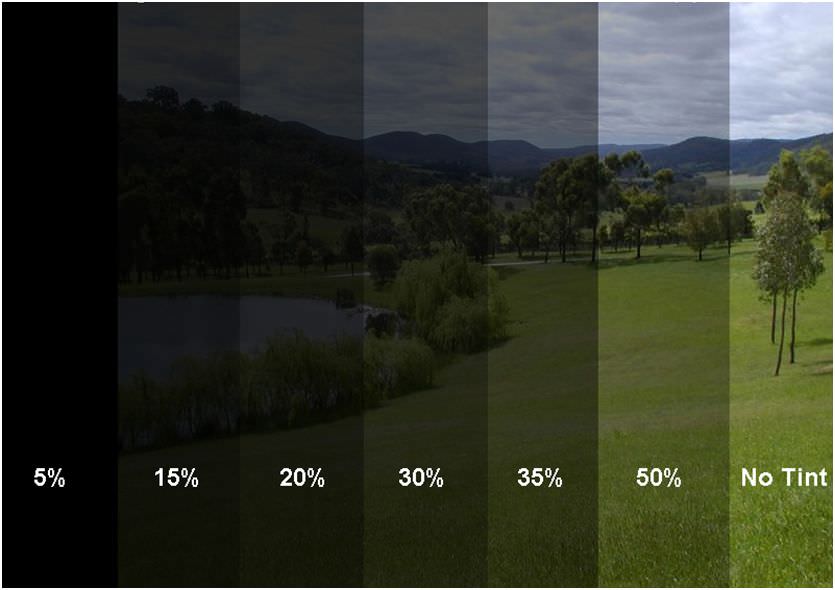
The primary metric used to define tint darkness is Visible Light Transmission (VLT). VLT refers to the percentage of visible light that can pass through your car’s windows. A higher VLT percentage means more light passes through, resulting in a clearer, less tinted window. Conversely, a lower VLT percentage indicates a darker tint.
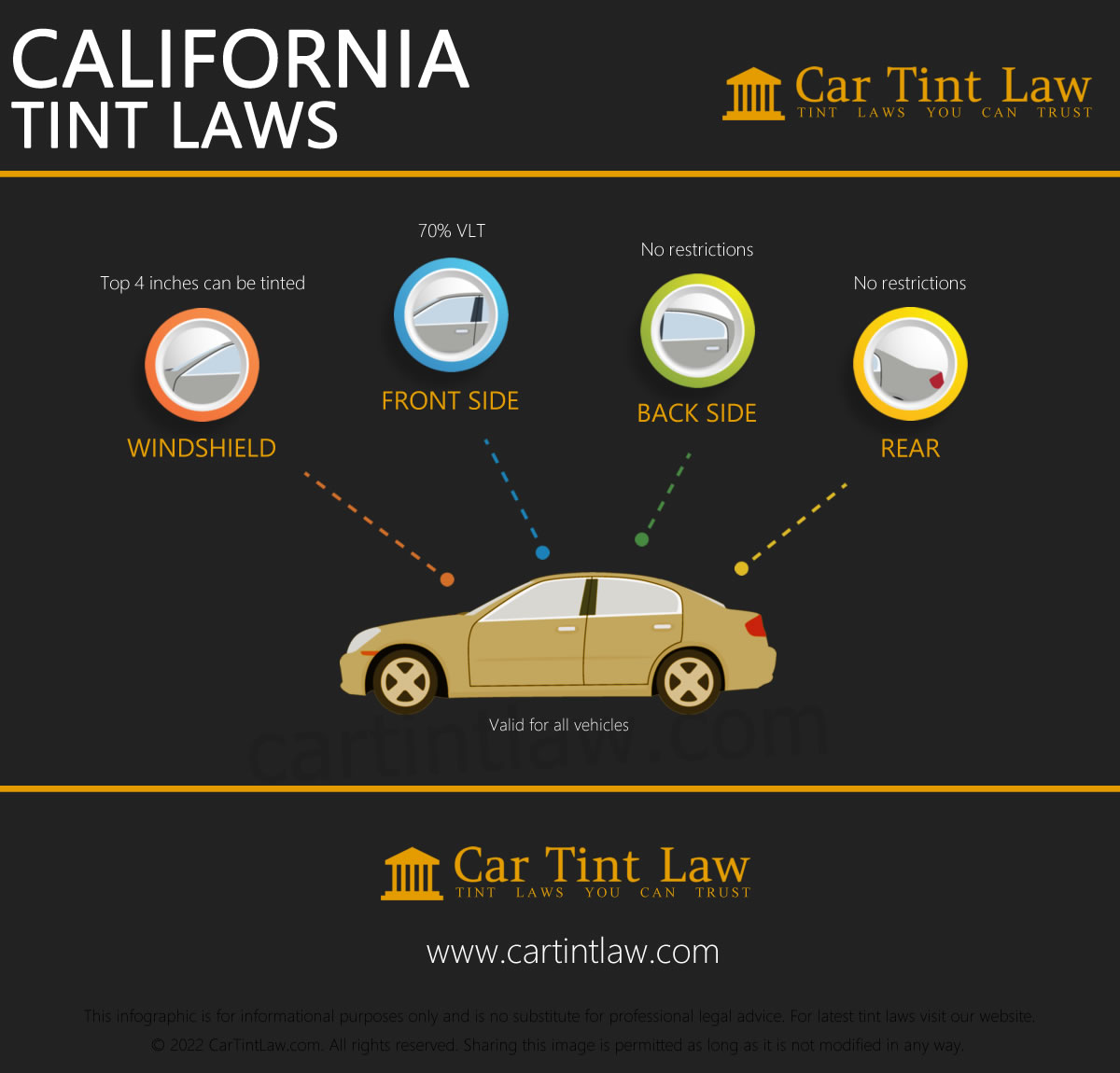
California law sets specific VLT requirements for different windows of a vehicle:
-
Windshield: The top 7 inches of the windshield, or the area above the AS1 line (which is typically marked on the windshield itself, a manufacturer’s standard line), can be tinted. However, the tint must allow at least 70% VLT. This means the tint film applied cannot reduce the amount of light passing through by more than 30%. This is a critical safety measure to ensure drivers have adequate visibility, especially in challenging weather conditions or at night.
-
Front Side Windows: For the front driver and passenger side windows, the law requires a minimum of 35% VLT. This means that no more than 65% of light can be blocked by the tint film. This 35% VLT limit is designed to allow law enforcement officers and others to see into the vehicle’s cabin from the outside, which is important for identification and safety checks.
-
Rear Side Windows and Rear Window: For the rear side windows and the entire rear window (back windshield), California law is more lenient. There is no specific minimum VLT requirement. This means that you can apply a darker tint to these windows, including what is commonly referred to as “limo tint” (which is typically 5% VLT), as long as it does not fall into the category of “reflective” tints that can cause glare. This allows for greater privacy and heat reduction for occupants in the rear of the vehicle.
Reflectivity Limits
In addition to VLT, California law also addresses the reflectivity of window tint. Highly reflective tints can be problematic as they can bounce sunlight into the eyes of other drivers, creating a hazard.
- Side and Rear Windows: For all side and rear windows, the tint can be no more than 35% reflective. This means that the tint should not significantly bounce back incoming light. This regulation is in place to prevent glare and ensure road safety for everyone.
Exemptions and Special Circumstances
While the general rules apply to most drivers, there are specific exemptions that allow for darker tints in certain situations. These exemptions are typically granted for medical reasons.
-
Medical Exemptions: Individuals with documented medical conditions that are aggravated by sunlight, such as certain skin conditions or photosensitivity disorders, may be eligible for a medical exemption. To obtain this exemption, a licensed physician or optometrist must provide a written statement certifying the medical necessity for darker tint. This statement must be kept in the vehicle at all times. The exemption generally allows for darker tint on the front side windows than what is normally permitted, but it’s essential to follow the specific guidance provided by the medical professional and the Department of Motor Vehicles (DMV).
-
Law Enforcement and Emergency Vehicles: While not applicable to the general public, it’s worth noting that law enforcement and other authorized emergency vehicles may have different tinting regulations or exemptions to facilitate their operational needs and officer safety.
Why Adhere to Tint Laws?
The primary reason for adhering to California window tint laws is to avoid legal repercussions. Driving with illegally tinted windows can lead to:
-
Traffic Citations: Law enforcement officers can issue tickets for non-compliance, which can come with fines. The amount of the fine can vary depending on the specific violation and local ordinances.
-
Mandatory Appearance: In some cases, a citation for window tint may require a court appearance or a visit to the Department of Motor Vehicles (DMV) for inspection and proof of correction.
- Requirement to Remove Tint: Officers may issue a “fix-it ticket,” requiring you to have the illegal tint removed and the vehicle inspected by law enforcement or a designated inspection station to prove compliance. Failure to do so can result in further penalties.
Beyond legal consequences, understanding and adhering to tint laws also contributes to overall road safety. Visibility is paramount for all drivers, and overly dark tints can impair the ability of others to see inside a vehicle, potentially leading to accidents or hindering emergency response efforts.
Factors Affecting Tint Darkness and Perception
It’s important to remember that the VLT percentage is the definitive legal measure, not how “dark” the tint appears. Several factors can influence the perceived darkness of a window tint:
-
Interior Color: A darker interior color can make the tint appear darker from the outside, even if it meets legal VLT requirements.
-
Lighting Conditions: The time of day and ambient light levels significantly impact how dark windows look. A tint that appears acceptable during bright daylight might seem much darker at dusk or under streetlights.
-
Type of Film: Different types of tint films have varying levels of darkness even at the same VLT. Some films might have a more noticeable sheen or color.
-
Factory Tint: Some vehicles come with a very light factory tint applied during manufacturing. This factory tint counts towards the total VLT. If you add aftermarket tint to a vehicle that already has factory tint, you must ensure the combined VLT still meets legal standards. Many reputable tint shops will be able to test your existing tint and advise on what aftermarket options are permissible.
Tips for Choosing and Installing Window Tint in California
When considering window tinting for your vehicle in California, it’s essential to work with reputable professionals and understand the process thoroughly.
Choosing a Reputable Tint Shop
-
Knowledge of Laws: Ensure the tint shop is knowledgeable about California tint laws and can advise you on the darkest legal tints for each window. They should be able to explain the VLT percentages and any applicable exemptions.
-
Quality Materials: Inquire about the brands and types of tint films they use. High-quality films offer better durability, heat rejection, and clarity.
-
Warranty: Reputable shops often offer warranties on their workmanship and the tint film itself, covering issues like peeling, bubbling, or discoloration.
Installation Process
-
Professional Installation: Professional installation is key to a clean, durable finish. Improper installation can lead to visible imperfections and premature failure of the tint.
-
VLT Testing: A professional tint shop will have tools to measure the VLT of your windows accurately, both before and after tinting, to ensure compliance.
What to Ask Your Installer
When you visit a tint shop, don’t hesitate to ask questions. Here are a few key inquiries:
- “What is the darkest legal tint percentage I can install on my front side windows according to California law?”
- “Can you explain how factory tint affects the VLT on my vehicle?”
- “Do you offer any tints that provide good heat rejection while remaining within the legal VLT limits?”
- “What kind of warranty do you offer on your tint installations?”
By understanding the specific regulations regarding VLT percentages and reflectivity, and by partnering with experienced professionals, you can enjoy the benefits of window tinting—enhanced comfort, UV protection, and improved aesthetics—while remaining fully compliant with California law. The goal is to find the perfect balance between personal preference and legal safety requirements.
LifeOutOfTheBox is a participant in the Amazon Services LLC Associates Program, an affiliate advertising program designed to provide a means for sites to earn advertising fees by advertising and linking to Amazon.com. Amazon, the Amazon logo, AmazonSupply, and the AmazonSupply logo are trademarks of Amazon.com, Inc. or its affiliates. As an Amazon Associate we earn affiliate commissions from qualifying purchases.