
California, a state celebrated for its diverse landscapes, from the sun-drenched beaches of Southern California to the majestic redwood forests of the north, also possesses some of the most stringent gun laws in the United States. For visitors and new residents alike, understanding these regulations is paramount to ensuring a safe and legal experience. These laws are a complex tapestry woven from state statutes, federal mandates, and judicial interpretations, all aimed at enhancing public safety.
Understanding California’s Firearm Regulatory Framework
California’s approach to gun control is multifaceted, focusing on various aspects of firearm ownership, possession, and transfer. The state has implemented a comprehensive system designed to regulate who can own guns, what types of firearms are permissible, and how they can be acquired. This framework includes background checks, waiting periods, bans on certain types of firearms and accessories, and licensing requirements for specific individuals and businesses.
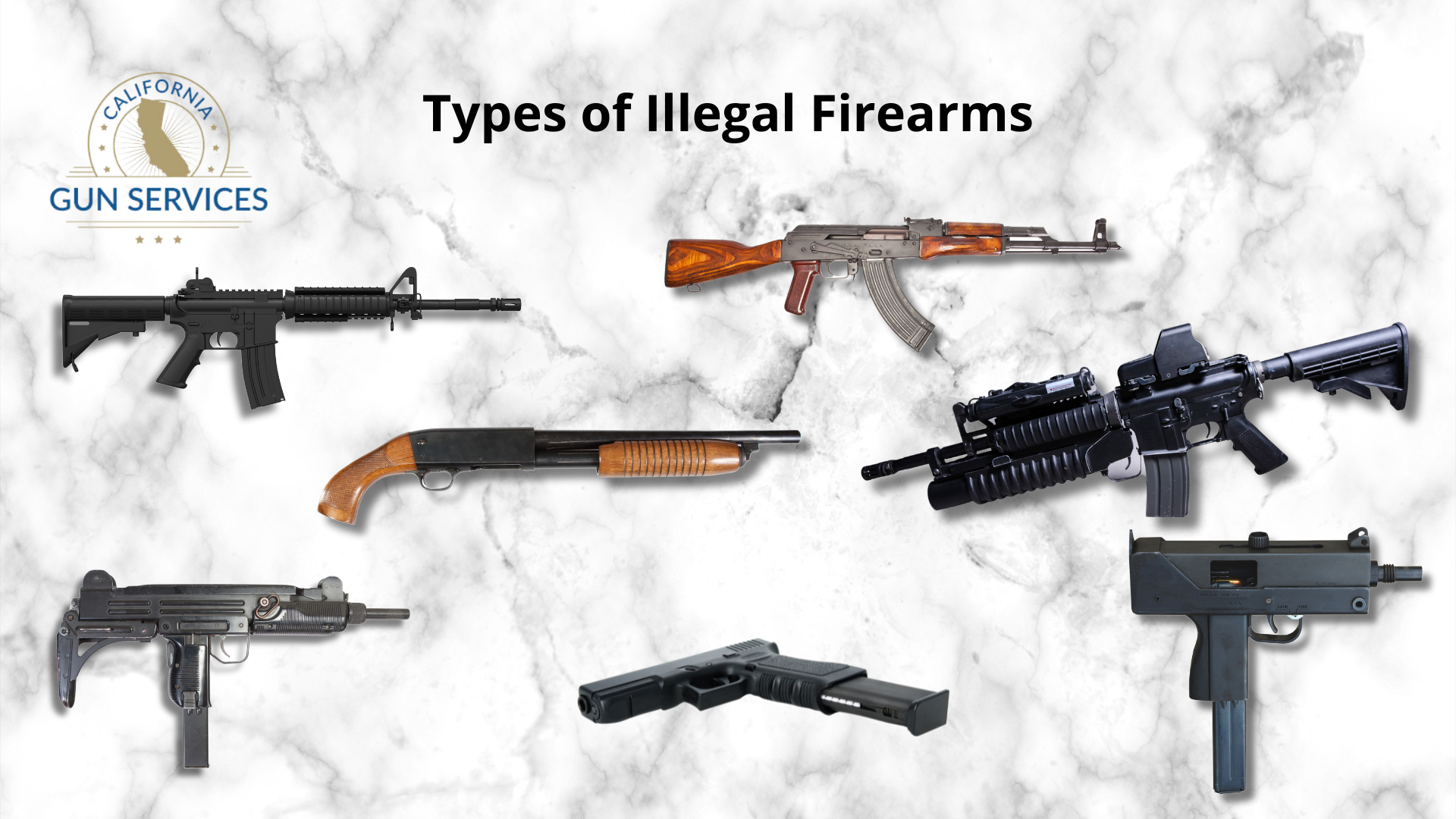
Prohibited Firearms and Features
One of the most distinctive aspects of California’s gun laws is the prohibition of “assault weapons.” These are generally defined as semi-automatic firearms with certain military-style features, such as a pistol grip, telescoping stock, or the ability to accept a detachable magazine outside the pistol grip. The state maintains a registry of banned assault weapons, and possession of these firearms, unless legally registered under prior laws, is largely prohibited.
Furthermore, California has banned the manufacture, importation, sale, and possession of “large-capacity magazines,” which are defined as those capable of holding more than 10 rounds of ammunition. This restriction applies to both newly manufactured and existing magazines, with specific provisions for individuals who lawfully possessed them before the ban.
Background Checks and Waiting Periods
In California, all firearm purchases, including those from private sellers, are subject to a thorough background check conducted through the California Department of Justice’s Dealer Record of Sale (DROS) system. This system checks state and federal databases to ensure the buyer is not legally prohibited from owning a firearm, such as convicted felons or individuals with certain mental health adjudications.
Following the purchase of a firearm, there is a mandatory 10-day waiting period before the buyer can take possession of the weapon. This period is designed to provide a “cooling-off” period and allow for further scrutiny of the background check if necessary. This applies to handguns, rifles, and shotguns.
Firearm Safety Certificate (FSC)
To purchase any firearm in California, individuals must first obtain a Firearm Safety Certificate (FSC). This certificate is issued after the applicant passes a written examination demonstrating knowledge of firearm laws and safe handling practices. The FSC is valid for five years and must be renewed. Exemptions apply to certain individuals, such as law enforcement officers and those who have passed a certified firearm safety course within the last 30 days.
Handgun Roster and Safety Requirements
California maintains a list, known as the Roster of Handguns Certified for Sale, which specifies handguns that can be legally sold by licensed firearm dealers. To be included on this roster, handguns must meet stringent safety requirements, including a chamber load indicator and a magazine disconnect mechanism. This means that the handgun cannot be fired if the magazine is removed. The Roster is dynamically updated as new models are submitted for testing and older ones are discontinued.
Specific Regulations for Visitors and Non-Residents
For individuals traveling to or temporarily residing in California, navigating the state’s gun laws can be particularly challenging. The primary concern is ensuring that any firearms brought into the state comply with California’s regulations.

Bringing Firearms into California
Federal law generally allows for the transportation of unloaded firearms through states where they would be illegal to possess, provided the firearms are unloaded, cased, and not readily accessible. However, California’s laws are stricter, and it is crucial for visitors to understand these nuances.
- Handguns: Carrying a handgun, even if legally registered in another state, is heavily restricted in California. California does not recognize concealed carry permits from other states, and openly carrying a handgun is generally prohibited. For a handgun to be brought into the state and legally possessed, it must be registered with the California Department of Justice, and the owner must have obtained a handgun safety device. Furthermore, the handgun must be on the approved Roster of Handguns Certified for Sale, with limited exceptions for specific circumstances and temporary permits.
- Long Guns (Rifles and Shotguns): While generally less restrictive than handgun laws, bringing long guns into California still requires adherence to specific rules. Rifles and shotguns must be legally possessed in the state of origin and must not be banned assault weapons as defined by California law. Similar to handguns, they must be unloaded and stored in a locked container when transported. Possession of certain magazines that can accept more than 10 rounds is prohibited.
Hunting and Sport Shooting
For those interested in hunting or participating in sport shooting activities while in California, specific permits and licenses are required. Hunters must obtain a valid California hunting license and adhere to the regulations set forth by the California Department of Fish and Wildlife for the specific game animal and season. Firearm requirements for hunting often align with general firearm laws, but specific hunting seasons and regulations may impose additional restrictions. Sport shooting venues, such as gun ranges, will have their own rules of conduct in addition to state and federal laws.
Penalties for Violations
Violating California’s firearm laws can result in severe penalties, ranging from significant fines to lengthy prison sentences. The severity of the penalty often depends on the nature of the violation, including whether it involves illegal possession, the type of firearm, prior offenses, or intent.
Misdemeanors and Felonies
Many firearm-related offenses in California are classified as misdemeanors, carrying potential jail time and fines. However, more serious violations, such as the possession of unregistered assault weapons, possession of firearms by prohibited persons, or certain types of illegal firearm manufacturing, can be charged as felonies, resulting in state prison sentences and substantial fines.
Confiscation of Firearms
In cases of conviction for firearm-related offenses, illegally possessed firearms are subject to confiscation by law enforcement. Furthermore, individuals convicted of felonies or other disqualifying offenses may be permanently prohibited from owning or possessing firearms.
Staying Informed and Compliant
The landscape of gun laws is subject to change, with ongoing legislative efforts and court decisions shaping regulations. For anyone owning, transporting, or intending to purchase firearms in California, staying informed is not merely advisable but essential.
Resources for Information
- California Department of Justice (DOJ) Bureau of Firearms: This is the primary state agency responsible for firearm regulation. Their website provides comprehensive information on laws, regulations, licensing, and prohibited firearms.
- Federal Bureau of Alcohol, Tobacco, Firearms and Explosives (ATF): The ATF enforces federal firearm laws, and their website offers resources on federal regulations that also apply in California.
- Legal Counsel: For specific situations or complex questions regarding firearm ownership and compliance, consulting with an attorney specializing in firearm law is highly recommended.

Responsible Firearm Ownership
California’s gun laws reflect a commitment to public safety, and understanding and adhering to these regulations is a cornerstone of responsible firearm ownership. Whether you are a resident or a visitor, familiarizing yourself with the specifics of California’s firearm framework ensures a safe and lawful experience within the Golden State. The emphasis on safety, thorough vetting, and restriction of certain weapon types underscores the state’s proactive stance on firearm control, aiming to balance the rights of firearm owners with the imperative of community security.
LifeOutOfTheBox is a participant in the Amazon Services LLC Associates Program, an affiliate advertising program designed to provide a means for sites to earn advertising fees by advertising and linking to Amazon.com. Amazon, the Amazon logo, AmazonSupply, and the AmazonSupply logo are trademarks of Amazon.com, Inc. or its affiliates. As an Amazon Associate we earn affiliate commissions from qualifying purchases.