
When planning a trip to Aurora, Colorado, understanding the local climate is paramount to ensuring a comfortable and enjoyable experience. While the exact temperature fluctuates hourly, a deep dive into Aurora’s typical weather patterns will equip you with the knowledge to pack appropriately and schedule your outdoor adventures. This guide will explore the seasonal variations, typical temperature ranges, and how these conditions might influence your visit to this vibrant Colorado city.
Understanding Aurora’s Climate Profile
Aurora, Colorado, situated east of Denver, benefits from a semi-arid climate characterized by distinct seasons, significant diurnal temperature variation, and abundant sunshine. The city experiences a wide range of temperatures throughout the year, influenced by its elevation of approximately 5,500 feet above sea level and its location in the intermountain West.
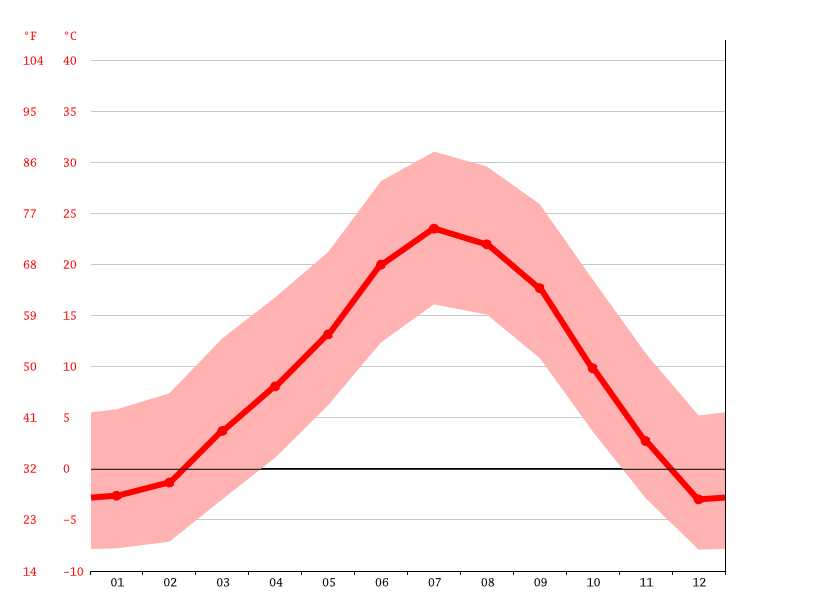
The semi-arid nature means that while precipitation can occur, it’s generally not abundant. This contributes to dry conditions for much of the year, though snow is a significant factor during the winter months. The high altitude also means that even summer days can see cooler evenings, and winter nights can be quite cold. Sunshine is a dominant feature, with Aurora enjoying over 300 sunny days annually, which can make even cooler temperatures feel more pleasant.
Seasonal Temperature Variations
Each season in Aurora, Colorado presents a unique climatic profile. Understanding these shifts is key to making the most of your visit.
Spring (March – May)
Spring in Aurora is a period of transition, marked by significant temperature swings. Early spring can still feel very much like winter, with average high temperatures hovering in the 40s and 50s Fahrenheit (4-15°C). Nights remain chilly, often dipping below freezing. As the season progresses into April and May, temperatures begin to climb, with average highs reaching the 60s and 70s Fahrenheit (15-27°C). However, it’s not uncommon to experience “spring snowstorms” even into late April, followed by rapid warming. This variability means packing layers is essential.
Summer (June – August)
Summers in Aurora, Colorado are typically warm to hot, with plenty of sunshine. Average high temperatures range from the high 80s to low 90s Fahrenheit (31-34°C) during July and August, the warmest months. However, temperatures can and do exceed 100°F (38°C) on occasion, especially during heatwaves. Despite the daytime warmth, the high elevation and dry air contribute to pleasant evenings, with temperatures often cooling into the 60s Fahrenheit (15-20°C). Afternoon thunderstorms are common during the summer months, bringing brief but intense bursts of rain and occasional hail, often followed by rapid clearing.
Autumn (September – November)
Autumn in Aurora is often considered one of the most pleasant times to visit, with a gradual cooling of temperatures and crisp, clear air. September typically sees average highs in the 70s Fahrenheit (21-27°C), while October averages are in the 60s Fahrenheit (15-20°C). By November, temperatures begin to drop significantly, with average highs in the 40s and 50s Fahrenheit (4-15°C), and evenings becoming quite cold. The fall colors can be spectacular, particularly in the surrounding foothills and parks. Snowfall usually begins in earnest in November.
Winter (December – February)
Winters in Aurora, Colorado are generally cold, dry, and sunny, though snow is a significant factor. Average high temperatures in December and January hover in the low to mid-40s Fahrenheit (4-6°C), with nighttime temperatures frequently dropping into the teens and single digits Fahrenheit (-12 to -7°C). February can see slightly milder temperatures, but cold snaps are common. While Aurora receives a considerable amount of snow, it often melts relatively quickly due to the sunshine and dry air. However, occasional heavy snowstorms can impact travel. The air is very dry in winter, necessitating good hydration and moisturizing.
Planning Your Visit Based on Temperature
Knowing the general temperature trends allows for strategic planning of your Aurora, Colorado itinerary.
Outdoor Activities and Temperature
The majority of Aurora’s attractions and recreational opportunities are best enjoyed when temperatures are mild to warm.
- Spring: The shoulder months of April and May offer a good balance for outdoor activities like hiking in areas such as Cherry Creek State Park or exploring the Paseo Real and its outdoor art installations. Be prepared for potential fluctuations and cooler mornings.
- Summer: This is prime time for water activities at Cherry Creek Reservoir, golfing, and exploring the numerous parks and open spaces. Early mornings and late evenings are often the most comfortable for strenuous outdoor pursuits during the hottest parts of the day. Staying hydrated is crucial.
- Autumn: September and October provide ideal conditions for walking, biking, and enjoying the scenic beauty of the city and its surroundings. The crisp air makes exploring places like the Aurora Reservoir particularly pleasant.
- Winter: While outdoor activities are more limited due to cold and snow, opportunities still exist. Enjoying the festive holiday lights, ice skating at outdoor rinks, or even cross-country skiing or snowshoeing in designated areas can be rewarding experiences. Warmer winter days can also be suitable for short walks and enjoying the unique winter light.

Indoor Pursuits
When the temperatures are less favorable for outdoor exploration, Aurora offers a variety of indoor attractions.
- Museums and Galleries: The Aurora Cultural Arts District houses several galleries and performance spaces, perfect for escaping the cold or heat.
- Shopping and Dining: Explore the numerous shopping centers and enjoy the diverse culinary scene, from casual eateries to fine dining establishments.
- Entertainment Venues: Catch a show, a movie, or enjoy the vibrant nightlife when you need a break from the elements. The Gaylord Rockies Resort & Convention Center often has indoor attractions and events.
Packing Essentials Based on Temperature
Your packing list should be directly influenced by the expected temperatures during your visit to Aurora, Colorado.
Layering is Key
Given the significant diurnal temperature swings and seasonal variations, layering is the most effective packing strategy.
- Base Layers: Moisture-wicking base layers are essential year-round, especially for active days or cool evenings.
- Mid Layers: Fleece jackets, sweaters, or insulated vests provide warmth without excessive bulk.
- Outer Layers: A waterproof and windproof jacket is highly recommended, especially for spring, autumn, and winter. In summer, a light rain jacket might suffice for afternoon showers.
- Headwear and Handwear: A warm hat and gloves are crucial for winter and recommended for cool spring and autumn evenings. Sun hats are vital for sunny summer days.
- Footwear: Comfortable walking shoes are a must. For winter visits, waterproof, insulated boots are advisable.
Specific Considerations
- Sun Protection: Even in cooler months, the high altitude means the sun’s rays are strong. Sunscreen, sunglasses, and lip balm with SPF are essential.
- Hydration: The dry climate, especially at high altitudes, can lead to dehydration. Carry a reusable water bottle and drink frequently. Moisturizer and lip balm will also be your friends.
- Evening Comfort: Always pack something warmer for evenings, as temperatures can drop considerably after sunset, regardless of the daytime high.
What to Expect When Checking the Temperature
When you check the temperature for Aurora, Colorado, remember that the number you see is just a snapshot.
Diurnal Range
The difference between the high and low temperatures in a single day, known as the diurnal range, is often significant in Aurora. A forecast showing a high of 75°F (24°C) might be accompanied by a low of 45°F (7°C). This means that if you’re out for the entire day, you could experience a significant temperature shift. Plan your activities accordingly and dress in layers to adapt.
Microclimates and Specific Locations
While general forecasts for Aurora, Colorado are reliable, specific locations within the city or its immediate surroundings might experience slightly different conditions. For instance, areas near water bodies like Cherry Creek Reservoir might be a few degrees cooler, while open, sun-exposed areas could feel warmer. Elevation differences, though subtle within the city, can also play a minor role.

Weather Phenomena to Anticipate
Beyond simple temperature, Aurora is subject to specific weather phenomena that can impact your comfort and plans.
- Wind: Colorado can be windy, particularly during spring and autumn. This wind chill can make cooler temperatures feel significantly colder.
- Thunderstorms: As mentioned, summer afternoons are prone to thunderstorms. While they are usually short-lived, they can bring heavy rain, lightning, and sometimes hail, necessitating a pause in outdoor activities.
- Snowfall: Winter visitors should be prepared for snow. While Aurora doesn’t typically see the extreme snow totals of mountain towns, accumulations can still impact travel, especially during and immediately after a storm.
By understanding the nuances of Aurora, Colorado’s climate and temperature patterns, you can better prepare for your visit, ensuring a more comfortable and enriching experience exploring all that this dynamic city has to offer.
LifeOutOfTheBox is a participant in the Amazon Services LLC Associates Program, an affiliate advertising program designed to provide a means for sites to earn advertising fees by advertising and linking to Amazon.com. Amazon, the Amazon logo, AmazonSupply, and the AmazonSupply logo are trademarks of Amazon.com, Inc. or its affiliates. As an Amazon Associate we earn affiliate commissions from qualifying purchases.