
The minimum wage is a cornerstone of economic policy, designed to ensure a basic standard of living for workers and to prevent exploitation. In the United States, the federal minimum wage sets a baseline, but individual states and even cities can establish higher rates. California, a state known for its progressive policies and high cost of living, has consistently been at the forefront of minimum wage discussions. Understanding California’s minimum wage is crucial for employees, employers, and anyone seeking to grasp the economic landscape of this influential state. This article will delve into the current minimum wage rates in California, explore the factors that influence these rates, and examine the implications for various stakeholders.

California’s Minimum Wage: Current Rates and Escalation
California operates under a statewide minimum wage that is subject to annual adjustments. This system is designed to keep pace with inflation and the rising cost of living, ensuring that the minimum wage retains its purchasing power over time. As of January 1, 2024, the statewide minimum wage in California increased to $16.00 per hour for all employers, regardless of size. This marked a significant step from previous years, where different rates applied to businesses with 26 or more employees versus those with 25 or fewer.
The gradual increase in California’s minimum wage is a deliberate policy choice. Prior to 2023, there was a tiered system that applied different minimum wage rates based on employer size. However, legislation enacted in prior years phased in a uniform statewide minimum wage. This harmonization simplifies compliance for businesses operating across different jurisdictions within the state and ensures a more equitable wage floor for all workers.
Local Minimum Wage Ordinances
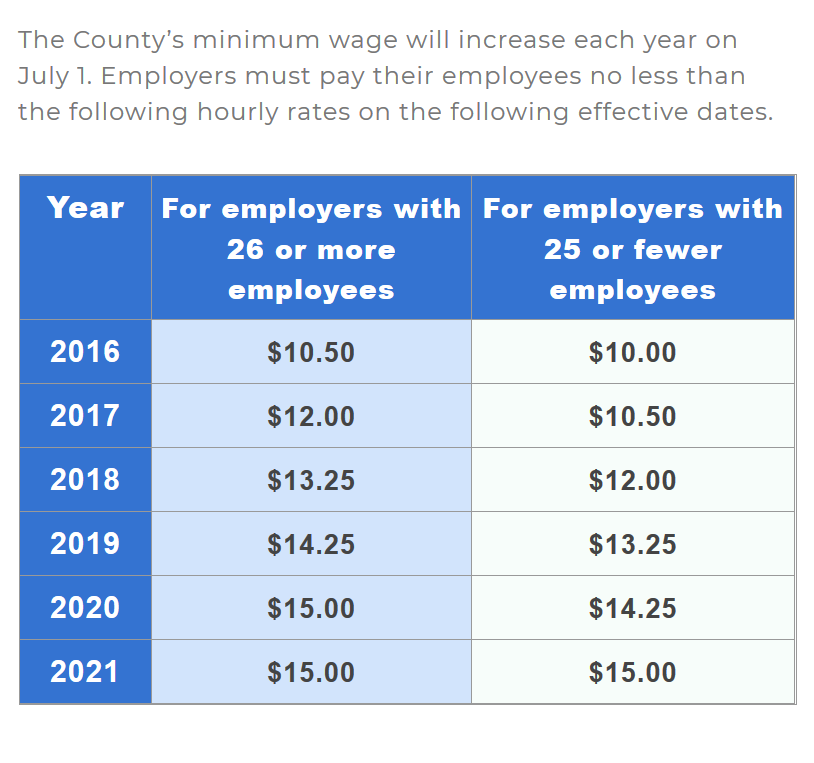
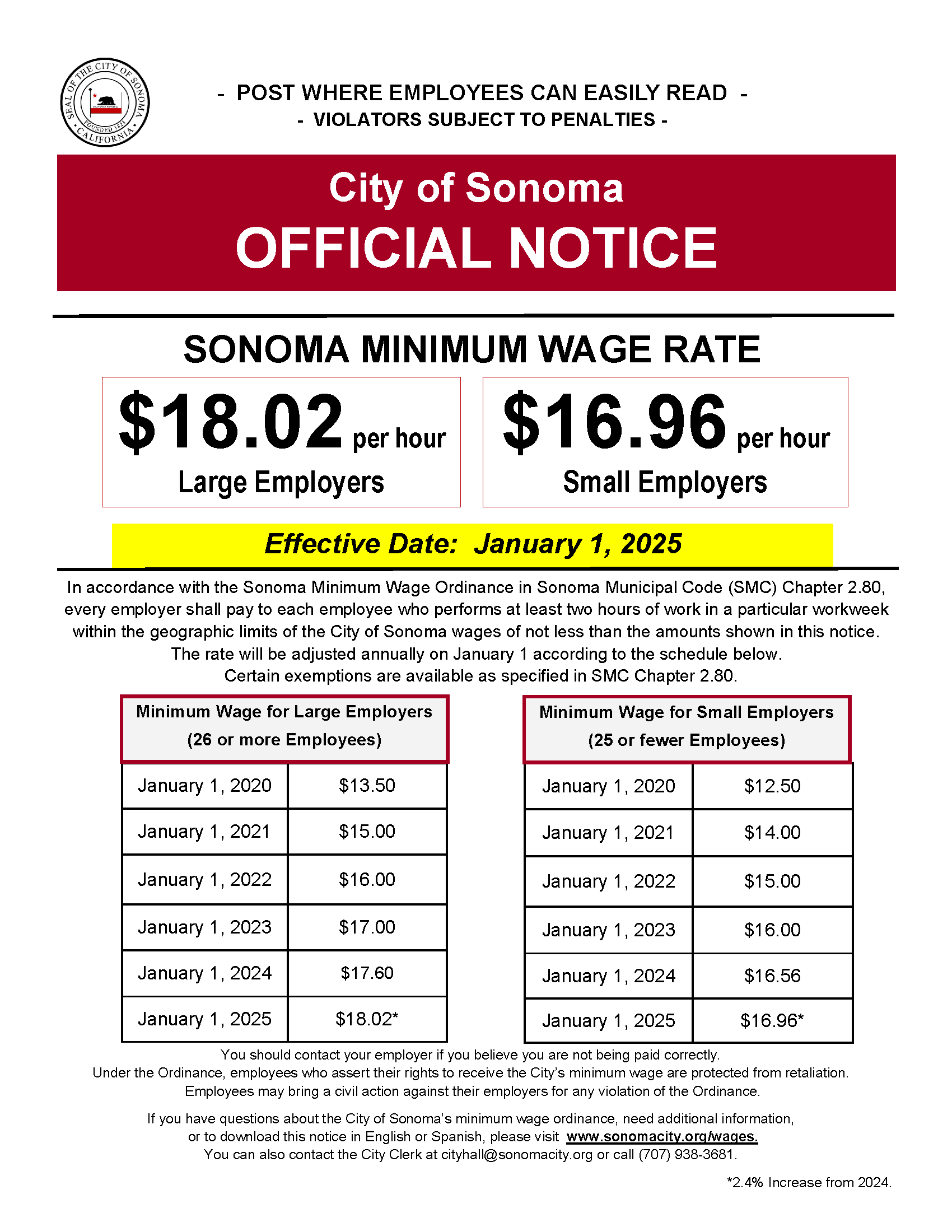
It is imperative to note that the statewide minimum wage is not the only wage floor in California. Many cities and counties have enacted their own local minimum wage ordinances, which are often higher than the state rate. These local rates are typically adjusted annually, often tied to inflation. For instance, cities like San Francisco, Berkeley, Oakland, and Los Angeles have established significantly higher minimum wages than the state average. Employers operating in these specific cities must comply with the higher local minimum wage, not just the state minimum.
- San Francisco: Known for its high cost of living, San Francisco consistently has one of the highest minimum wages in the nation.
- Berkeley: Similar to San Francisco, Berkeley’s minimum wage is also subject to annual adjustments, reflecting the city’s economic conditions.
- Oakland: Oakland’s minimum wage is also set at a higher rate, aiming to support its residents in the face of rising expenses.
- Los Angeles: The city of Los Angeles has also implemented a robust minimum wage that exceeds the state’s minimum.
Navigating these varying rates can be complex for businesses with employees in multiple cities or counties. It is essential for employers to stay informed about the specific minimum wage requirements in all the locations where they operate. This often involves consulting the websites of the relevant city or county labor departments.
Factors Influencing Minimum Wage Adjustments
The determination of California’s minimum wage and its subsequent adjustments are influenced by several key factors:
- Cost of Living: California, particularly its major metropolitan areas like Los Angeles and San Francisco, is known for its exceptionally high cost of living, especially concerning housing. Minimum wage increases are often seen as a necessary measure to ensure that full-time workers can afford basic necessities.
- Economic Conditions: The overall health of the California economy plays a significant role. Factors like unemployment rates, inflation, and business growth are considered when legislators deliberate on wage increases. A strong economy may support higher minimum wages, while concerns about potential job losses might temper proposals for drastic hikes.
- Inflation: The Consumer Price Index (CPI) is a primary indicator used to adjust the minimum wage for inflation. This ensures that the purchasing power of the minimum wage does not erode over time.
- Legislative Action: Ultimately, changes to the minimum wage are enacted through legislative processes. Bills are introduced, debated, and voted on by the California State Legislature, and then signed into law by the Governor. Public opinion and advocacy by labor unions and worker advocacy groups also heavily influence these decisions.
- Local Economic Factors: For local ordinances, specific economic conditions within that city or county are taken into account. This can include local inflation rates, median wages, and the presence of specific industries.
Implications of California’s Minimum Wage
The minimum wage in California has far-reaching implications for workers, businesses, and the broader economy.
For Workers
- Increased Earnings: For low-wage workers, an increase in the minimum wage directly translates to higher earnings. This can lead to improved financial stability, reduced reliance on public assistance, and a greater ability to meet basic needs such as housing, food, and healthcare.
- Poverty Reduction: Studies have suggested that minimum wage increases can contribute to poverty reduction by lifting families above the poverty line.
- Improved Morale and Productivity: When workers feel fairly compensated, it can lead to increased job satisfaction, higher morale, and potentially greater productivity and reduced turnover.
- Impact on Other Wages: A higher minimum wage can also create upward pressure on wages for those earning slightly above the minimum, as employers seek to maintain wage differentials and retain skilled workers.
For Businesses
- Increased Labor Costs: The most direct impact on businesses is the increase in labor costs. Employers must adjust their payroll to meet the new minimum wage requirements.
- Price Adjustments: To offset increased labor costs, some businesses may opt to raise prices for their goods and services. This can have a ripple effect on consumer spending and inflation.
- Operational Adjustments: Businesses may explore various strategies to manage higher labor costs. These can include:
- Increased Automation: Investing in technology and automation to reduce the need for manual labor.
- Efficiency Improvements: Streamlining operations and improving productivity to get more output from the existing workforce.
- Reduced Staffing Hours: Potentially reducing employee hours or hiring fewer new employees.
- Focus on Higher-Value Products/Services: Shifting business models to focus on offerings that can command higher prices.
- Competitive Landscape: For businesses in California, adhering to higher minimum wage laws can create a competitive disadvantage compared to businesses in states with lower wage floors, especially if they are competing on price for certain goods or services. However, it can also level the playing field within the state.
For the Economy
- Consumer Spending: When low-wage workers earn more, they tend to spend a larger portion of their income on goods and services. This increased consumer spending can stimulate economic growth.
- Reduced Income Inequality: Minimum wage increases are often advocated as a tool to address income inequality, helping to narrow the gap between the highest and lowest earners.
- Potential for Job Losses: A persistent concern surrounding minimum wage increases is the potential for job losses, particularly in labor-intensive industries or businesses with tight profit margins. Economists hold varying views on the extent of this effect.
- Impact on Small Businesses: Small businesses, often operating with tighter margins than larger corporations, can be disproportionately affected by minimum wage increases. They may have fewer resources to absorb higher labor costs or invest in automation.
Navigating California’s Minimum Wage Landscape
For individuals seeking employment or currently employed in California, understanding your rights and the applicable wage rates is paramount.
For Employees
- Know Your Rights: Familiarize yourself with the current state and local minimum wage rates. The California Department of Industrial Relations (DIR) is the official source for this information.
- Keep Records: Maintain records of your hours worked and pay stubs. This can be crucial if there are any discrepancies or disputes.
- Seek Assistance: If you believe you are not being paid the correct minimum wage, you can file a wage claim with the California DIR.
For Employers
- Stay Informed: Regularly check the California DIR website and relevant city/county labor department websites for updates on minimum wage rates and any other labor law changes.
- Implement Compliance Systems: Ensure your payroll systems are up-to-date and accurately reflect the correct minimum wage for all employees based on their work location.
- Communicate with Employees: Clearly communicate any changes in wages and policies to your employees.
- Consult Legal Counsel: For complex situations or to ensure full compliance, consulting with an employment lawyer or HR professional specializing in California labor law is advisable.
The minimum wage in California is a dynamic policy that reflects the state’s commitment to worker welfare and its unique economic challenges. While it aims to provide a safety net for its lowest-paid workers, its implementation and impact are subjects of ongoing debate and analysis, shaping the economic landscape for millions of residents.
LifeOutOfTheBox is a participant in the Amazon Services LLC Associates Program, an affiliate advertising program designed to provide a means for sites to earn advertising fees by advertising and linking to Amazon.com. Amazon, the Amazon logo, AmazonSupply, and the AmazonSupply logo are trademarks of Amazon.com, Inc. or its affiliates. As an Amazon Associate we earn affiliate commissions from qualifying purchases.