
Embarking on the journey to start a business in New York State is an exciting, yet often complex, undertaking. The Empire State, with its vibrant economy and diverse population, offers unparalleled opportunities for entrepreneurs. From the bustling streets of New York City to the scenic landscapes of the Adirondacks, a well-planned approach is crucial for success. This guide will walk you through the essential steps, legalities, and strategic considerations for launching your venture in this dynamic region.
Laying the Foundation: Business Planning and Legal Structure
Before you even think about registering your business, meticulous planning is paramount. A robust business plan serves as your roadmap, outlining your objectives, strategies, market analysis, and financial projections. This document is not only vital for internal guidance but also often required when seeking funding.

Crafting Your Business Plan
A comprehensive business plan should include:
- Executive Summary: A concise overview of your entire business plan.
- Company Description: Details about your business, its mission, vision, and values.
- Market Analysis: Research on your target market, competitors, and industry trends within New York State.
- Organization and Management: Information about your business structure and the key individuals involved.
- Service or Product Line: A detailed description of what you offer and its unique selling propositions.
- Marketing and Sales Strategy: How you plan to reach and acquire customers.
- Funding Request (if applicable): Details on the capital you need and how it will be used.
- Financial Projections: Forecasts for revenue, expenses, and profitability.
Choosing the Right Legal Structure
The legal structure of your business significantly impacts taxation, liability, and administrative requirements. In New York State, common options include:
Sole Proprietorship
- Description: Owned and run by one individual, with no legal distinction between the owner and the business.
- Pros: Simple to set up, minimal paperwork, full control.
- Cons: Unlimited personal liability for business debts and obligations, difficult to raise capital.
Partnership
- Description: Two or more individuals agree to share in the profits or losses of a business.
- Pros: Easier to start than a corporation, shared resources and expertise.
- Cons: Unlimited personal liability for all partners (in general partnerships), potential for disagreements.
Limited Liability Company (LLC)
- Description: Combines the pass-through taxation of a sole proprietorship or partnership with the limited liability of a corporation.
- Pros: Personal assets are protected from business debts, flexible management structure, pass-through taxation.
- Cons: More complex to set up than a sole proprietorship or partnership, annual fees and reporting requirements. An LLC operating agreement is highly recommended.
Corporation (S Corp or C Corp)
- Description: A legal entity separate from its owners, offering the strongest protection against personal liability.
- C Corporation: Subject to corporate income tax, and dividends are taxed again at the shareholder level (double taxation).
- S Corporation: Allows profits and losses to be passed through directly to the owners’ personal income without being subject to corporate tax rates.
- Pros: Limited liability for shareholders, easier to raise capital through the sale of stock, perpetual existence.
- Cons: More complex to form and maintain, subject to more regulations and reporting requirements, potential for double taxation (C Corp).
The choice of structure will influence your registration process, tax obligations, and the advice you seek from legal and financial professionals.
Navigating Registration and Licensing in New York
Once your business plan is solid and your legal structure is chosen, the next step is to formally register your business with the relevant state and local authorities.
Business Name Registration
- Doing Business As (DBA) or Fictitious Name: If you operate under a name different from your legal name (for sole proprietors and general partnerships) or the registered name of your LLC or corporation, you must file a “Certificate of Assumed Name” with the New York Department of State.
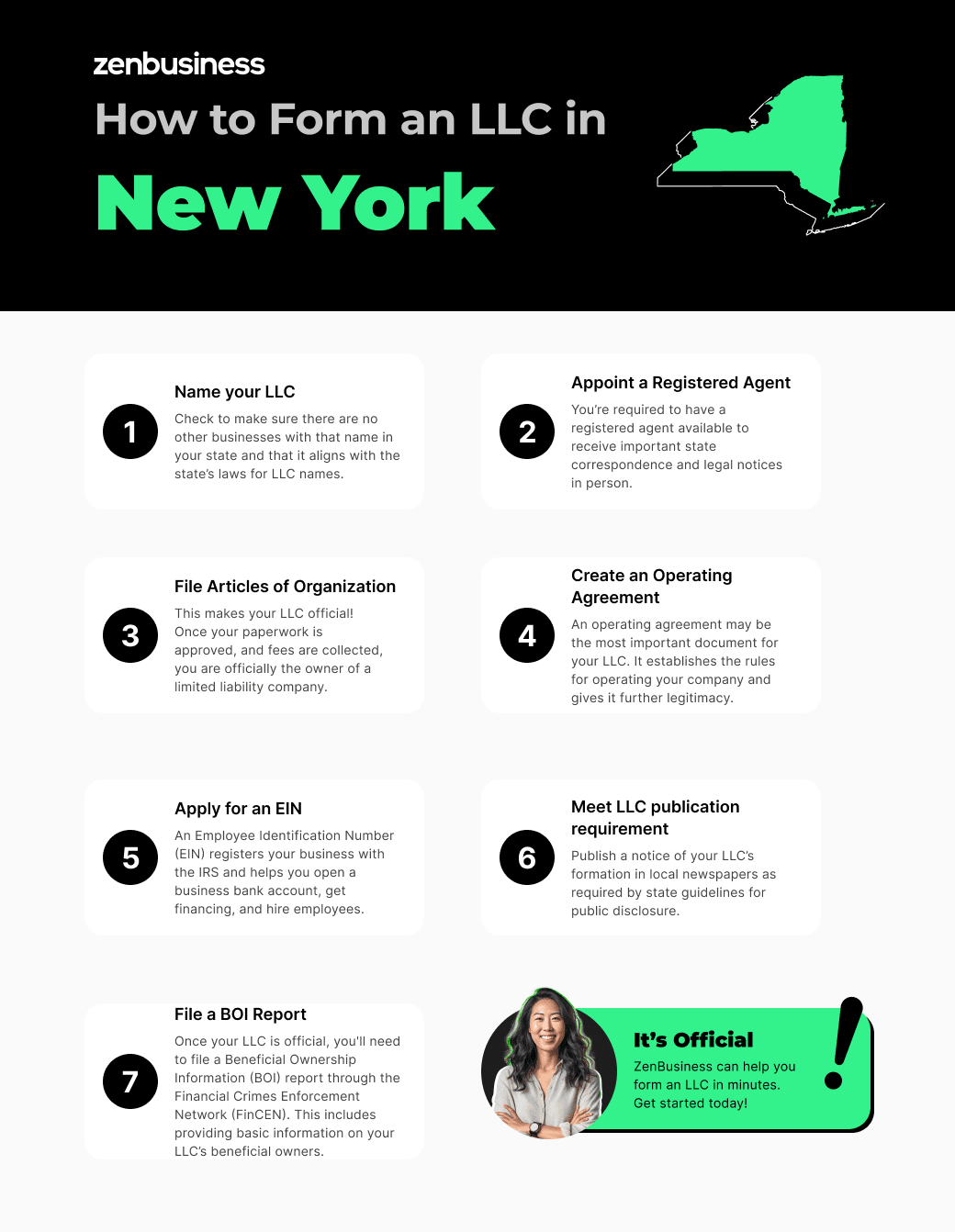
- Limited Liability Company (LLC) and Corporation Name: When forming an LLC or corporation, you will need to choose a unique business name that is not already in use in New York State. This name is registered when you file your Articles of Organization (for LLCs) or Certificate of Incorporation (for corporations) with the Department of State.
Obtaining an Employer Identification Number (EIN)

An EIN, also known as a Federal Tax Identification Number, is a unique nine-digit number assigned by the Internal Revenue Service (IRS) to business entities operating in the United States for identification purposes. You will need an EIN if you plan to:
- Hire employees.
- Operate your business as a corporation or partnership.
- File tax returns for employment, excise, or alcohol, tobacco, and firearms.
- Operate a Keogh plan.
- Are involved with certain types of organizations or trusts.
You can apply for an EIN online through the IRS website.
State and Local Licenses and Permits
Depending on your industry and the specific location within New York State where you operate, you may need various licenses and permits. This can include:
- State Licenses: Many professions and industries require specific state licenses. Examples include real estate brokers, contractors, healthcare providers, and food service establishments. You can check the New York State Department of State website or the relevant agency for your industry to determine specific requirements.
- Local Licenses and Permits: Cities, towns, and villages often have their own licensing and permitting requirements. For instance, a business operating in New York City will have different requirements than one in Buffalo or a rural upstate county. These can include business permits, zoning permits, health permits, and fire department permits. It’s essential to contact your local city or town clerk’s office and relevant departments to understand what is needed.
The New York State Department of State’s Division of Corporations, State Records and Uniform Commercial Code is the primary agency for business entity filings. However, numerous other state agencies oversee specific industries and professions.
Financial Management and Funding Your Venture
Securing adequate funding and establishing sound financial practices are critical for the survival and growth of any new business.
Funding Options
- Personal Savings: Many entrepreneurs begin by investing their own funds.
- Friends and Family: Loans or investments from personal connections can be a viable early-stage funding source.
- Small Business Administration (SBA) Loans: The Small Business Administration offers loan guarantee programs that make it easier for small businesses to secure financing from traditional lenders.
- Bank Loans: Traditional business loans from banks require a solid business plan, good credit history, and often collateral.
- Angel Investors and Venture Capitalists: For businesses with high growth potential, these investors can provide significant capital in exchange for equity. New York State has a thriving ecosystem of venture capital firms.
- Crowdfunding: Online platforms can be used to raise small amounts of money from a large number of people.
Setting Up Business Banking and Accounting
- Dedicated Business Bank Account: It is crucial to keep your personal and business finances separate. Open a dedicated business checking and savings account as soon as possible.
- Accounting System: Implement an accounting system to track income, expenses, assets, and liabilities. This can range from simple spreadsheets to sophisticated accounting software like QuickBooks or Xero.
- Tax Obligations: Understand your federal, state, and local tax obligations. This includes income tax, sales tax (if applicable), and employment taxes. Engaging a qualified accountant in New York State is highly recommended to navigate these complexities and ensure compliance.
Operationalizing Your Business and Ongoing Compliance
With the legal and financial frameworks in place, focus shifts to the day-to-day operations and ensuring continued compliance with regulations.
Hiring and Employment
If you plan to hire employees, familiarize yourself with New York State’s labor laws, including minimum wage, overtime, and workers’ compensation requirements. You will need to register with the New York State Department of Labor.
Insurance
Adequate business insurance is vital to protect your assets and mitigate risks. Common types of insurance include:
- General Liability Insurance: Protects against claims of bodily injury or property damage.
- Professional Liability Insurance (Errors & Omissions): Important for service-based businesses to cover claims of negligence or mistakes.
- Workers’ Compensation Insurance: Legally required in New York State if you have employees, it covers medical expenses and lost wages for work-related injuries.
- Property Insurance: Covers damage to your business property.
Compliance and Record Keeping
- Annual Filings: LLCs and corporations typically have annual filing requirements with the New York State Department of State to maintain their active status.
- Tax Filings: Ensure timely filing of all federal, state, and local tax returns.
- Record Keeping: Maintain accurate and organized records of all financial transactions, legal documents, and operational activities. This is crucial for tax audits, potential legal disputes, and for making informed business decisions.
Starting a business in New York State is a marathon, not a sprint. By thoroughly understanding the legal framework, financial considerations, and operational requirements, entrepreneurs can build a solid foundation for success in one of the world’s most dynamic economic landscapes. Seeking advice from local business support organizations, legal counsel, and financial advisors throughout this process is invaluable.
LifeOutOfTheBox is a participant in the Amazon Services LLC Associates Program, an affiliate advertising program designed to provide a means for sites to earn advertising fees by advertising and linking to Amazon.com. Amazon, the Amazon logo, AmazonSupply, and the AmazonSupply logo are trademarks of Amazon.com, Inc. or its affiliates. As an Amazon Associate we earn affiliate commissions from qualifying purchases.