
Colorado, a state renowned for its majestic Rocky Mountains, abundant wildlife, and breathtaking vistas, offers a unique opportunity for nature enthusiasts to witness the largest land mammal in North America: the moose. These magnificent creatures, with their impressive racks and powerful presence, are a truly awe-inspiring sight. While seeing a moose might seem like a matter of pure chance, strategic planning and knowledge of their preferred habitats can significantly increase your chances of an unforgettable encounter. This guide delves into the prime locations and best times to observe moose in their natural Colorado environment, ensuring your wildlife adventure is both rewarding and respectful.
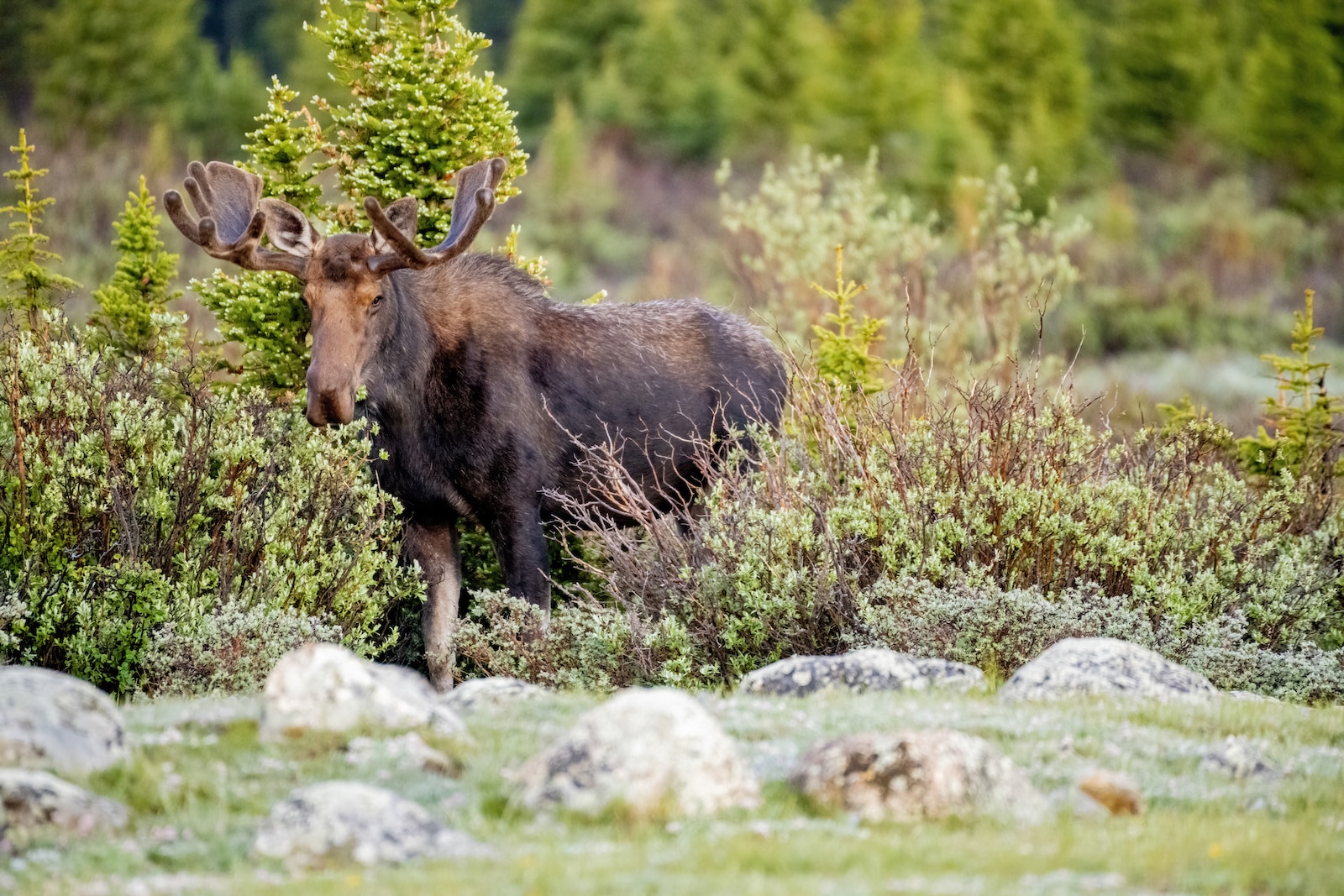
Understanding Moose Behavior and Habitat
Moose (Alces alces) are solitary animals, typically found in areas with abundant willow, aspen, and aquatic vegetation. They are most active during dawn and dusk, periods known as crepuscular hours, when they forage for food and are less disturbed by human activity. Their diet consists primarily of leaves, twigs, bark, and aquatic plants, which they access by wading into shallow lakes and marshes. Recognizing their preferred food sources and water bodies is key to predicting their whereabouts.
Seasonal Movements and Feeding Habits
Moose exhibit seasonal movements, often descending to lower elevations during harsh winters to find more accessible food. In spring and summer, they are drawn to lush meadows and wetlands for their nutrient-rich vegetation and to escape the summer heat. Understanding these patterns allows you to tailor your search to the time of year.
Recognizing Moose Signs
Before spotting a moose, you might encounter signs of their presence. Look for large, hoof prints, distinctive browse marks on trees (where they have stripped bark and twigs), and droppings, which are typically pellet-shaped and dark. These indicators can help you narrow down your search area and confirm you’re in a habitat frequented by moose.
Prime Moose Viewing Locations in Colorado
Colorado boasts several areas where moose populations have established themselves and are frequently sighted. These locations often combine the ideal habitat conditions—water sources, browse availability, and relative seclusion—with accessibility for visitors.
Rocky Mountain National Park
While not historically a primary moose habitat, Rocky Mountain National Park has seen an increase in moose sightings in recent years, particularly in areas like Bear Lake Road and the Kawuneeche Valley on the park’s west side. The Kawuneeche Valley, with its abundant willows and meadows adjacent to the Colorado River, provides excellent foraging opportunities. Early morning or late evening drives along the scenic park roads offer the best chances. Remember to maintain a safe distance and never approach or feed the wildlife.
North Park (Walden, Colorado)
Often referred to as “Moose Country,” North Park near Walden, Colorado, is perhaps the most reliable place in the state to see moose. The extensive wetlands and willow flats in this broad, high-altitude basin create a perfect environment for these large herbivores. Areas around the North Platte River and the numerous lakes and ponds within the valley are prime spots. Driving through the backroads of North Park at dawn or dusk can yield remarkable sightings. The Colorado Division of Wildlife often has updated information on recent sightings in the area.
Grand County
Grand County, home to Grand Lake and the western entrance to Rocky Mountain National Park, is another strong contender for moose viewing. The riparian areas along the Colorado River and various smaller creeks and lakes provide the necessary habitat. Explore the roads surrounding Granby and Kremmling for potential encounters. The lush vegetation of the lower valleys offers sustenance throughout much of the year.
Gunnison Valley
The Gunnison Valley, encompassing areas around Gunnison and Crested Butte, is gaining a reputation for its moose population. Particularly around the Gunnison River and its tributaries, as well as in the high meadows and willow-lined riparian zones, moose can be spotted. The more remote nature of some of these areas can offer a more secluded and authentic wildlife viewing experience.
Leadville and Twin Lakes Area
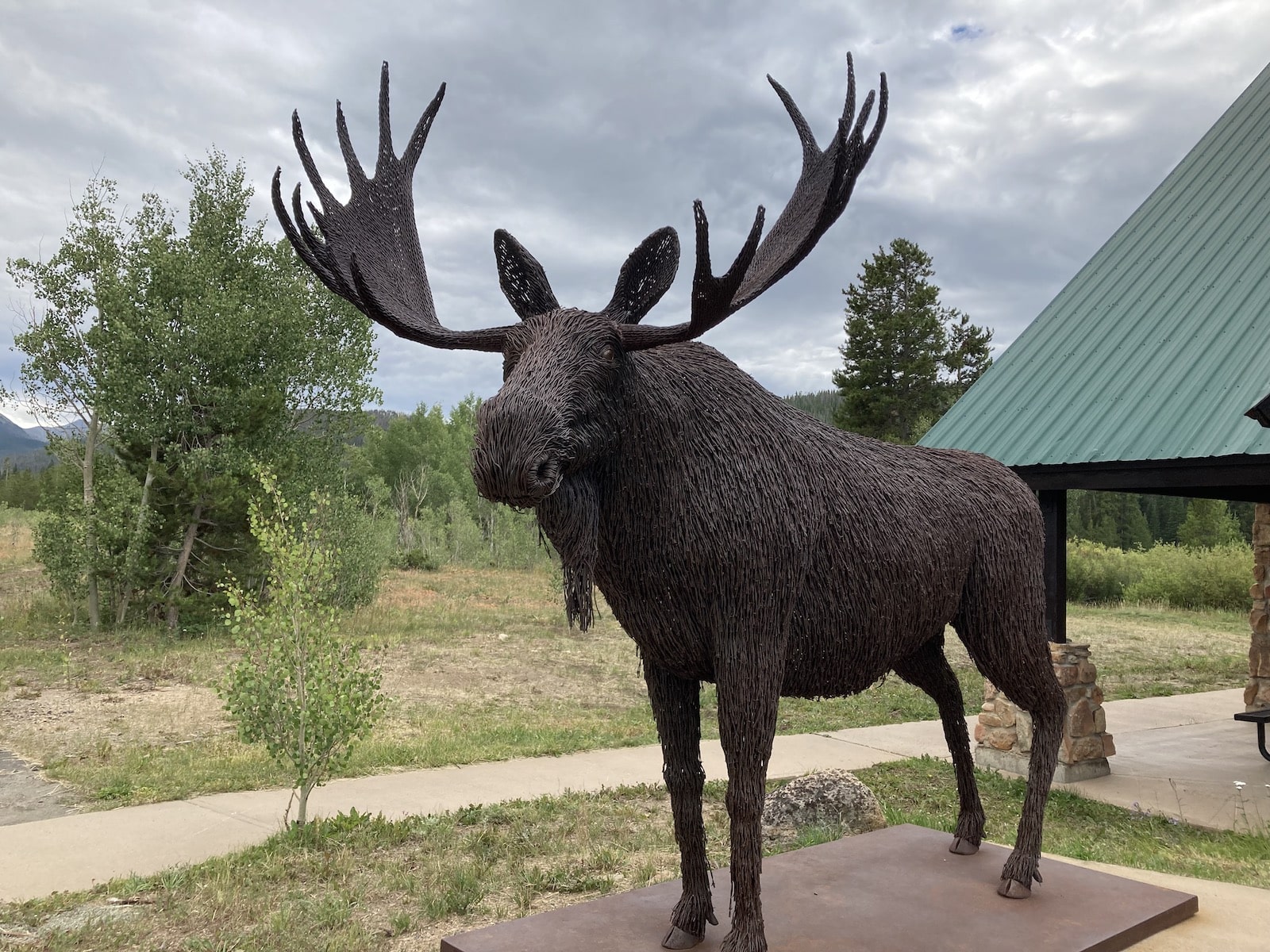
The high-altitude region around Leadville, Colorado and the stunning Twin Lakes, while known for its dramatic mountain scenery, also supports a growing moose population. The abundant willows and marshy areas around the lakes, along with the surrounding forests, provide excellent habitat. Driving the scenic byways in the early morning or late evening can prove fruitful.
Less Common but Possible Areas
Beyond these well-known spots, moose are also sighted in other parts of Colorado, including the San Juan Mountains, the Flat Tops Wilderness, and various national forests. Keep an eye out in any area with extensive wetlands, willow thickets, and slow-moving water sources.
Best Times for Moose Sightings
Timing is crucial for maximizing your chances of seeing a moose. While they can be seen year-round, certain times of day and year offer significantly better opportunities.
Dawn and Dusk: The Prime Viewing Hours
Moose are most active during the crepuscular hours of dawn and dusk. This is when they venture out to feed, often in open areas where they can easily access vegetation and water. Their eyesight is not as keen as their sense of smell and hearing, making them more vulnerable to predators and thus more cautious during these low-light periods.
Seasonal Considerations
- Spring (April-June): As snow melts and vegetation begins to green, moose become more visible as they seek out fresh growth. Cows with newborn calves may also be encountered.
- Summer (July-August): While moose may retreat to cooler, higher elevations or denser forests during the heat of the day, they are often seen foraging in meadows and near water sources in the early morning and late evening. This is also the time when bulls begin to grow their antlers.
- Fall (September-October): The rut (mating season) occurs in the fall, and bulls become more active and vocal, sometimes traveling long distances in search of cows. This can lead to increased sightings, especially in areas with higher bull-to-cow ratios. The vibrant fall colors also make the landscape stunning for photography.
- Winter (November-March): Moose tend to move to lower elevations where food is more accessible. They can often be seen browsing on willow and aspen stands in sheltered valleys and along river bottoms. Their dark coats stand out against the snow, making them easier to spot in open areas.
Tips for a Successful and Respectful Moose Encounter
Observing wildlife requires patience, respect, and a commitment to minimizing your impact. Here are some essential tips for a successful and ethical moose viewing experience.
Preparation is Key
- Research: Before you go, consult local wildlife agencies or visitor centers for recent sighting reports and advice.
- Gear: Bring binoculars or a spotting scope for clear viewing from a distance. A camera with a zoom lens is ideal for capturing photos without disturbing the animals. Dress in layers, as Colorado weather can change rapidly, and wear comfortable hiking shoes.
- Timing: Plan your excursions for early morning or late evening to coincide with peak moose activity.
Safety and Etiquette
- Maintain Distance: Never approach a moose. They are wild animals and can be unpredictable, especially if they feel threatened. Maintain a minimum distance of at least 25 yards (about 23 meters) for adult moose and 100 yards (about 91 meters) for cows with calves.
- Never Feed Wildlife: Feeding moose disrupts their natural diet and can lead to dependency and dangerous habituation. It is also illegal in many areas.
- Stay in Your Vehicle: If you spot a moose from your car, remain inside. Your vehicle provides a safe barrier and minimizes your perceived threat.
- Be Quiet: Speak softly and avoid making loud noises that could startle the animals.
- Leash Your Pets: If you bring a dog, keep it on a leash at all times. Dogs can provoke moose and put both your pet and yourself at risk.
- Respect Their Space: Do not block their path or corner them. If a moose appears agitated or aggressive, slowly and calmly back away.
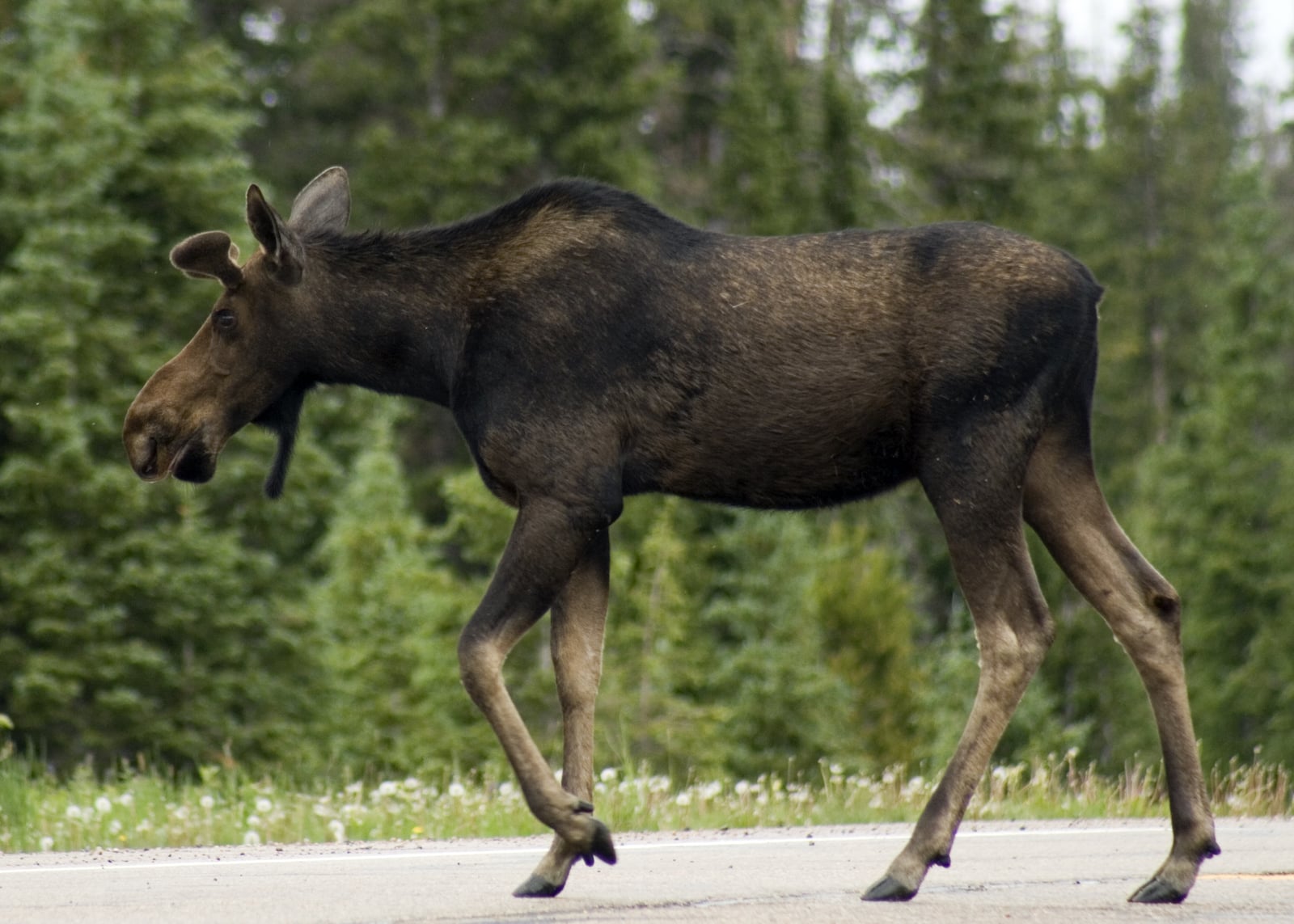
- Know the Signs of Agitation: Flattened ears, raised hackles, stomping hooves, and vocalizations (grunts or snorts) are all indicators that a moose may be feeling threatened.
- Leave No Trace: Pack out everything you pack in. Stay on designated trails and roads to minimize habitat disturbance.
Where to Stay
While this guide focuses on sighting locations, your accommodation can enhance your wildlife experience. Many towns near prime viewing areas offer a range of options from charming bed and breakfasts to comfortable hotels. Consider lodging in Walden for easy access to North Park, or look for hotels in Grand Lake or Estes Park if you plan to explore Rocky Mountain National Park.
By understanding moose behavior, choosing the right locations, and adhering to ethical viewing practices, you can significantly increase your chances of witnessing these magnificent creatures in the wild. A successful moose sighting in Colorado is a memory that will last a lifetime, a testament to the untamed beauty of the American West.
LifeOutOfTheBox is a participant in the Amazon Services LLC Associates Program, an affiliate advertising program designed to provide a means for sites to earn advertising fees by advertising and linking to Amazon.com. Amazon, the Amazon logo, AmazonSupply, and the AmazonSupply logo are trademarks of Amazon.com, Inc. or its affiliates. As an Amazon Associate we earn affiliate commissions from qualifying purchases.