
California, a state synonymous with diverse landscapes, from sun-drenched beaches to sprawling deserts, is also dramatically defined by its majestic mountain ranges. These colossal geological formations are not merely backdrops to the Golden State’s iconic scenery; they are integral to its identity, influencing its climate, ecosystems, and the very fabric of human settlement and exploration. While many visitors might associate California with Hollywood or the Pacific Coast Highway, understanding its mountainous heart is key to appreciating the full breadth of its natural wonders. The most prominent and influential mountain range that dictates much of California’s character is undoubtedly the Sierra Nevada.

The Sierra Nevada: California’s Backbone
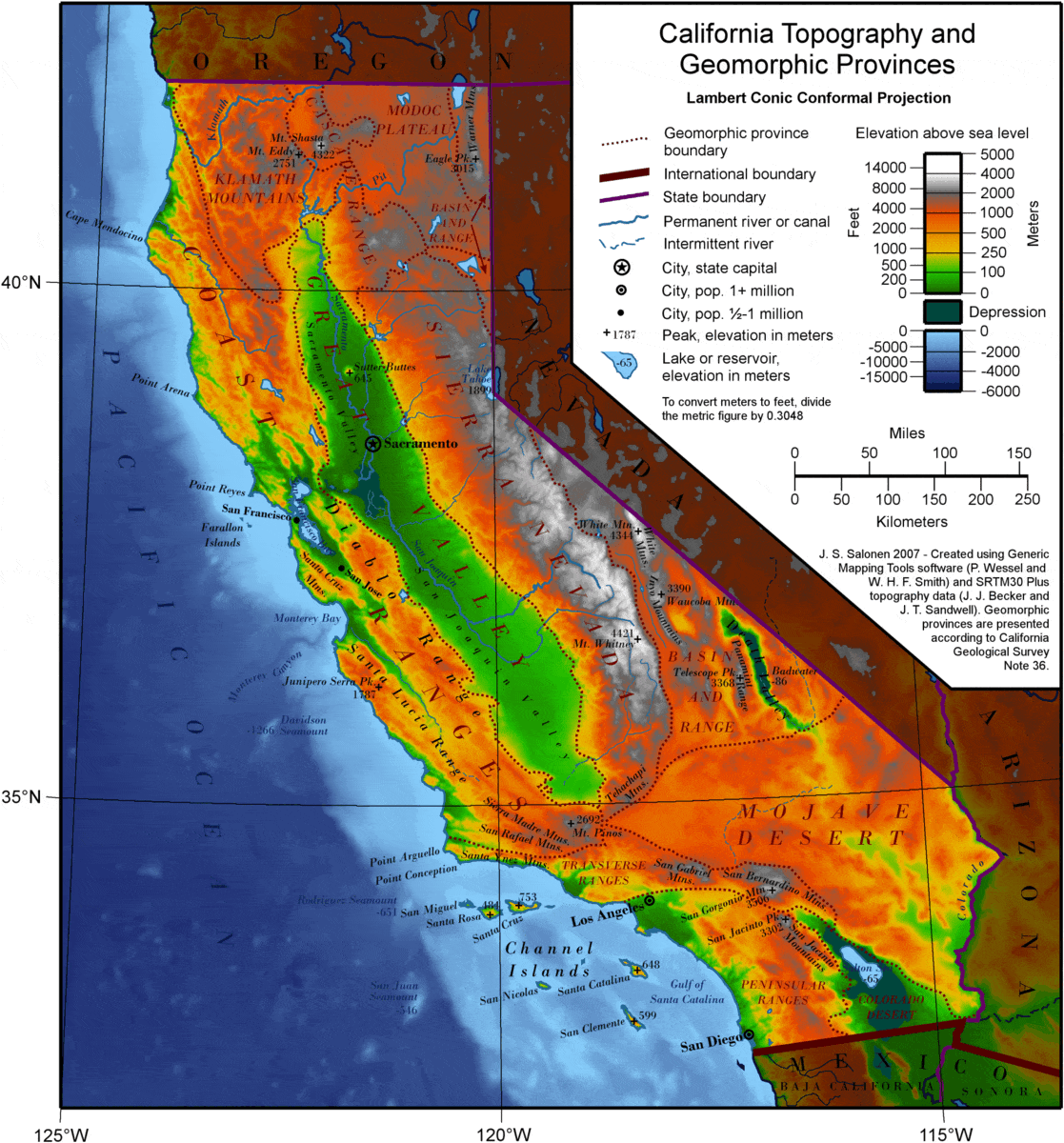
The Sierra Nevada, Spanish for “snowy mountain range,” is a vast mountain range that stretches for over 400 miles along the eastern side of California, from the northern end of Lassen Volcanic National Park down to the Tehachapi Pass in the south. It forms a formidable barrier between the populated coastal regions and the arid interior, profoundly shaping the state’s weather patterns and water resources. This range is a geological marvel, characterized by towering granite peaks, deep glacial valleys, and a rich tapestry of forests and alpine meadows.
Geological Genesis and Defining Features
The Sierra Nevada is a classic example of a fault-block mountain range. Its formation is primarily attributed to tectonic uplift and tilting along the Eastern Sierra Fault system. Over millions of years, massive blocks of the Earth’s crust were thrust upwards, creating the steep eastern escarpment and a more gently sloping western flank. The subsequent sculpting power of glaciers during the Pleistocene epoch has left an indelible mark, carving out U-shaped valleys, cirques, and moraines that define the range’s dramatic topography.
The most iconic features of the Sierra Nevada are its granite peaks, many of which exceed 10,000 feet in elevation. The highest point in California, and indeed in the contiguous United States, is Mount Whitney, soaring to 14,505 feet. This colossal peak, a prominent landmark within Sequoia National Park, stands as a testament to the raw power of geological forces and the enduring allure of high-altitude landscapes. Other notable peaks include Mount Shasta, a majestic stratovolcano in the northern Cascades that is often considered the northern extension of the Sierra Nevada‘s influence, and the jagged spires of the Cathedral Range in Yosemite National Park.
The Water Tower of California
Perhaps the most critical role of the Sierra Nevada for California is its function as the state’s primary water tower. The snowpack that accumulates on its peaks during winter melts gradually throughout the spring and summer, feeding the major rivers and aqueducts that supply water to the state’s agricultural heartland and its densely populated urban centers. Iconic waterways like the Sacramento River, the San Joaquin River, and the Kern River all originate in the Sierra Nevada, making the preservation of its snowpack and watershed a matter of utmost importance for the state’s survival and prosperity. The complex system of reservoirs and canals, such as the California Aqueduct, are vital infrastructure projects that channel this precious resource, showcasing the intricate relationship between nature and human needs.
Biodiversity Hotspot
The dramatic elevation changes and varied climatic zones within the Sierra Nevada create a rich and diverse array of habitats, supporting an impressive range of flora and fauna. The western slopes are cloaked in vast forests of ponderosa pine, Douglas fir, and the magnificent giant sequoias, the largest trees on Earth, found in groves like the Mariposa Grove in Yosemite National Park and throughout Sequoia National Park. As elevation increases, these give way to red fir and eventually to alpine meadows and barren rock at the highest altitudes.
The animal life is equally varied. Black bears roam the forests, while mule deer are common. Higher up, marmots and pikas inhabit the talus slopes. The Sierra Nevada is also a critical flyway for migratory birds, and its pristine lakes and rivers are home to various fish species. Conservation efforts are paramount in protecting these delicate ecosystems from threats such as climate change, invasive species, and human encroachment. The presence of numerous national parks and protected wilderness areas underscores the commitment to safeguarding this natural heritage.
Yosemite National Park: A Sierra Nevada Gem
No discussion of California’s mountain ranges would be complete without highlighting Yosemite National Park, arguably the crown jewel of the Sierra Nevada. Established in 1890, Yosemite Valley is a masterpiece of glacial erosion, famous for its sheer granite cliffs, towering waterfalls, and ancient giant sequoias.
Iconic Landmarks and Experiences
Yosemite Valley is home to some of the world’s most recognizable natural landmarks. El Capitan, a monolithic granite rock formation, stands over 3,000 feet from the valley floor and is a legendary challenge for rock climbers. Opposite El Capitan is Half Dome, another iconic granite monolith whose distinctive shape is a result of glacial action and subsequent rockfalls. The park’s waterfalls are legendary, with Yosemite Falls, one of the tallest in North America, cascading in multiple tiers. Other notable falls include Bridalveil Fall and Vernal Fall.
Beyond the valley floor, the high country of Yosemite offers a different, yet equally stunning, experience. The Tioga Pass road, open seasonally, provides access to alpine lakes, meadows, and granite domes, including the majestic Tuolumne Meadows. Hiking and backpacking are immensely popular, with trails ranging from easy strolls to strenuous multi-day treks, offering unparalleled opportunities to immerse oneself in the Sierra Nevada‘s grandeur.
Conservation Legacy
Yosemite National Park played a pivotal role in the birth of the conservation movement in the United States. The advocacy of figures like John Muir, who spent decades exploring and writing about the Sierra Nevada, was instrumental in securing federal protection for these lands. His efforts, alongside those of Robert Underwood Johnson, led to the establishment of Yosemite National Park, setting a precedent for national park creation worldwide. The preservation of Yosemite is a testament to the enduring vision of protecting natural wonders for future generations.
Beyond the Sierra Nevada: Other Notable Ranges
While the Sierra Nevada is the dominant mountain range, California is home to several other significant mountain systems, each contributing to the state’s diverse geography and character.
The Transverse Ranges
Stretching east-west across Southern California, the Transverse Ranges are unique in their orientation. This range includes the San Gabriel Mountains and the San Bernardino Mountains, which rise dramatically behind the coastal plains of Los Angeles and San Diego. These mountains not only provide a stunning backdrop but also offer crucial recreational opportunities and act as a significant watershed for the region. Mount Baldy in the San Gabriel Mountains is the highest peak in this system, a popular destination for hikers and skiers.
The Coast Ranges
Parallel to the Sierra Nevada, the Coast Ranges form a series of mountains and hills that run along much of California’s Pacific coastline. These ranges are geologically older and more fragmented than the Sierra Nevada, characterized by rolling hills, deep canyons, and a Mediterranean climate. They play a vital role in California’s agricultural productivity, particularly in regions like the Napa Valley and Sonoma Valley, renowned for their vineyards. The Santa Lucia Mountains in Big Sur are a particularly scenic part of the Coast Ranges, offering dramatic ocean vistas.
The Modoc Plateau and Warner Mountains
In the northeastern corner of California, the Modoc Plateau and the Warner Mountains represent a more remote and rugged mountain landscape. This area is characterized by volcanic features, including lava flows and cinder cones, and is part of the larger Great Basin region. The Warner Mountains form a significant north-south range with alpine lakes and dense coniferous forests, offering a wild and less-traveled experience for outdoor enthusiasts.

Exploring California’s Mountains
The mountain ranges of California offer an unparalleled spectrum of experiences for travelers, adventurers, and nature enthusiasts. Whether one seeks the awe-inspiring granite giants of the Sierra Nevada, the dramatic coastal cliffs of the Coast Ranges, or the volcanic landscapes of the northeast, these mountains provide a profound connection to the natural world. From challenging hikes to serene scenic drives, the opportunity to explore these majestic landscapes is a defining aspect of the California experience. Planning a trip to any of these regions involves understanding the seasonal variations, preparing for varying weather conditions, and respecting the natural environment to ensure these treasures endure.
LifeOutOfTheBox is a participant in the Amazon Services LLC Associates Program, an affiliate advertising program designed to provide a means for sites to earn advertising fees by advertising and linking to Amazon.com. Amazon, the Amazon logo, AmazonSupply, and the AmazonSupply logo are trademarks of Amazon.com, Inc. or its affiliates. As an Amazon Associate we earn affiliate commissions from qualifying purchases.