
Texas, a state renowned for its vast landscapes, rich history, and vibrant culture, also harbors a segment of the natural world that often sparks curiosity and concern: scorpions. For visitors and residents alike, understanding these fascinating arachnids, particularly their venomous nature, is crucial for safe enjoyment of the Texan outdoors. While the term “poisonous” is often used colloquially, in biological terms, scorpions are venomous, meaning they inject toxins through a sting. The question of whether scorpions in Texas are indeed venomous, and to what extent, is a pertinent one for anyone planning a trip or venturing into its diverse ecosystems.
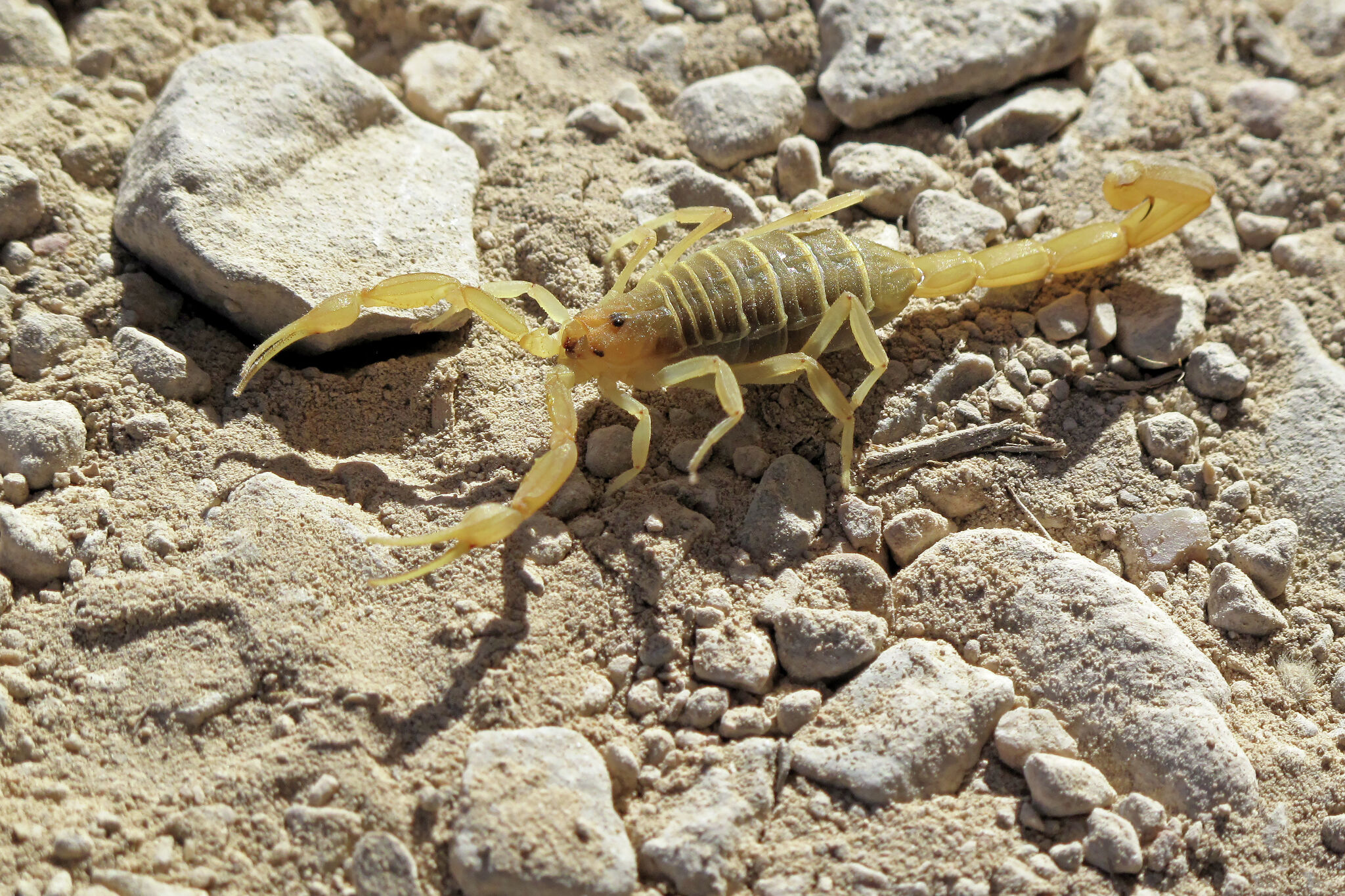
Understanding Scorpion Venom in Texas
The scorpions found in Texas are indeed venomous. However, the degree of danger posed by their venom varies significantly among species. Not all scorpion stings are life-threatening, and many are comparable to a bee sting in terms of pain and reaction. The primary concern for most people is localized pain, swelling, and potential allergic reactions.
Common Scorpion Species and Their Venom Potency
Several species of scorpions inhabit Texas, each with varying degrees of venom. The most commonly encountered species include:
-
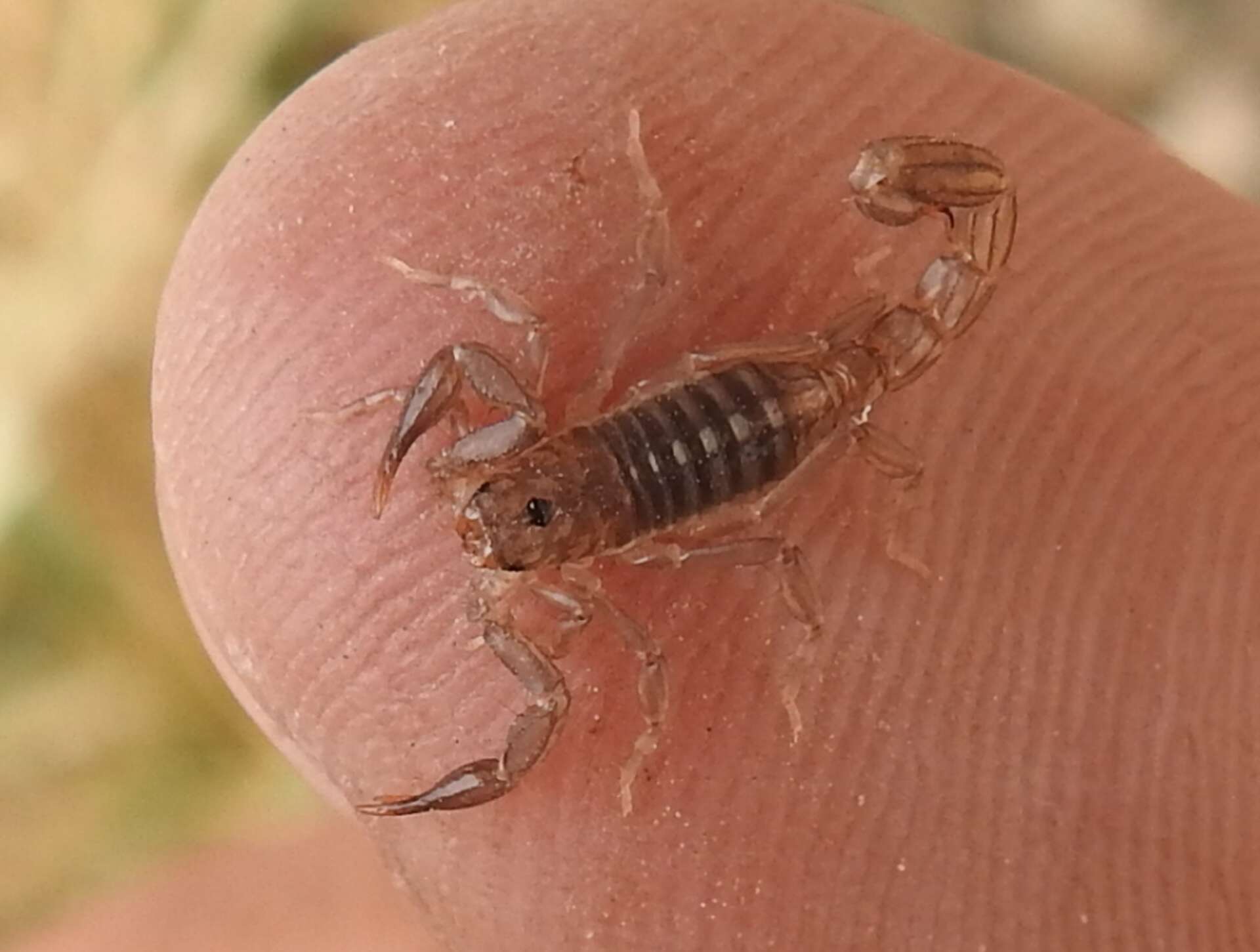
Striped Bark Scorpion ( Centruroides vittatus ): This is the most prevalent scorpion species across Texas and is often found in and around human dwellings, particularly in garages, woodpiles, and under rocks. Its sting is generally considered mild to moderate. Symptoms typically include localized pain, redness, swelling, and a tingling sensation. While uncomfortable, it rarely causes severe systemic reactions in healthy adults. However, children, the elderly, or individuals with compromised immune systems may experience more pronounced symptoms.
-
Guadalupe Island Scorpion ( Hesperometrus tumifensus ): Found primarily in the western parts of Texas, this species is larger than the striped bark scorpion. Its sting can be more painful and cause more significant localized swelling. Systemic reactions are still rare but can occur.
-
Arizona Bark Scorpion ( Centruroides sculpturatus ): While more common in Arizona, this species can also be found in far west Texas. This scorpion is known for having the most potent venom of the species found in the United States. A sting from this scorpion can cause more severe pain, numbness, tingling, muscle twitching, and, in rare cases, neurological symptoms like difficulty breathing or muscle spasms. Medical attention is recommended if symptoms are severe.
It’s important to note that severe reactions to scorpion stings in Texas are uncommon. The vast majority of encounters result in mild to moderate discomfort. However, vigilance and awareness are always recommended.
Factors Influencing Venom Severity
The impact of a scorpion sting can depend on several factors:
- Species of Scorpion: As discussed, some species possess more potent venom than others.
- Amount of Venom Injected: The quantity of venom delivered during a sting can vary.
- Location of the Sting: Stings to more sensitive areas might feel more severe.
- Individual Sensitivity: Age, health status, and any pre-existing allergies play a significant role in how a person reacts to venom. Young children and the elderly, or those with a history of allergic reactions to insect stings, are at a higher risk for more severe responses.
Navigating Texas’s Natural Environments Safely
Texas offers a diverse range of natural attractions, from the Big Bend National Park in the west to the piney woods of East Texas and the coastal plains. While scorpions are a natural part of these ecosystems, there are straightforward precautions travelers can take to minimize encounters and ensure a safe and enjoyable experience.
Tips for Outdoor Activities
When exploring Texas parks, trails, or natural areas, consider these safety measures:
- Wear Appropriate Footwear: Always wear closed-toe shoes or boots when hiking or walking in areas where scorpions might be present. Avoid walking barefoot.
- Check Your Surroundings: Be mindful of where you place your hands and feet. Avoid reaching into dark crevices, under rocks, or into dense vegetation without looking first.
- Shake Out Gear: Before putting on clothing, shoes, or bedding that have been left outdoors, give them a good shake. Scorpions are nocturnal and may seek shelter in these items during the day.
- Use a Light Source at Night: If you are out after dark, use a flashlight to illuminate your path, especially when walking around campfires or designated rest areas.
- Be Cautious Around Debris: Scorpions often hide under rocks, logs, and debris. Exercise caution when moving such items.
Accommodation Safety
Even when staying in more developed areas, scorpions can sometimes find their way into accommodations. This is particularly true for lodges or cabins situated in natural settings or near wooded areas.
- Inspect Your Room: Upon arrival at a hotel or rental, especially one in a more rural or natural setting, it’s a good practice to do a quick visual sweep of the room, particularly around beds and areas near doors and windows.
- Keep Doors and Windows Closed: Ensure that doors and windows are properly sealed, especially at night, to prevent scorpions and other insects from entering.
- Check Bedding: Before going to bed, it’s wise to check the sheets and blankets, particularly if you are staying in a rustic cabin or a tent.
- Avoid Storing Items Outdoors: If camping or staying in a cabin, try to keep your belongings inside to prevent scorpions from seeking shelter in them.
What to Do in Case of a Scorpion Sting
Despite precautions, a scorpion sting can still occur. Knowing how to respond is essential.
Immediate First Aid
If you or someone you are with is stung by a scorpion:
- Remain Calm: Panic can exacerbate the situation.
- Clean the Wound: Wash the affected area with soap and water.
- Apply a Cold Compress: A cold, wet cloth can help reduce pain and swelling.
- Remove Jewelry: If the sting is on a finger, hand, or wrist, remove any rings or bracelets to accommodate potential swelling.
- Monitor Symptoms: Keep a close eye on the person for any signs of a severe reaction.
When to Seek Medical Attention
While most scorpion stings in Texas do not require immediate medical intervention, it is crucial to seek professional help if:
- Severe Pain: The pain is intense and does not subside.
- Neurological Symptoms: The person experiences difficulty breathing, muscle twitching or spasms, drooling, nausea, vomiting, or changes in vision.
- Sting on a Child or Elderly Person: Younger children and the elderly are more vulnerable to severe reactions.
- Allergic Reaction: There are signs of an allergic reaction, such as hives, swelling of the face or throat, or dizziness.
- Uncertainty About Species: If you are unsure of the scorpion species and are concerned about the venom’s potency.
Medical professionals can assess the severity of the sting and provide appropriate treatment, which may include pain management or antivenom in rare, severe cases.
Conclusion: Enjoying Texas Responsibly
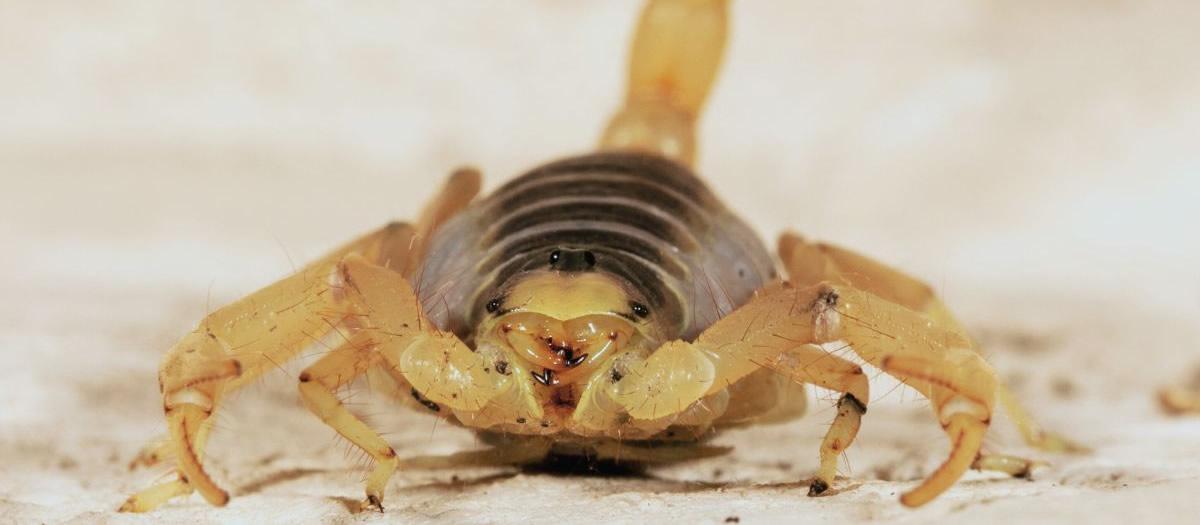
The presence of venomous scorpions in Texas is a fact of its natural environment. However, this should not deter anyone from exploring its vast beauty and experiencing its unique charm. By understanding the species present, taking simple precautions, and knowing how to respond to a sting, visitors can ensure their adventures are safe and memorable. Whether you’re exploring the urban landscapes of San Antonio, the cultural hubs of Austin, or the rugged terrains of west Texas, a little awareness goes a long way in appreciating Texas in its entirety, from its iconic landmarks to its smallest inhabitants.
LifeOutOfTheBox is a participant in the Amazon Services LLC Associates Program, an affiliate advertising program designed to provide a means for sites to earn advertising fees by advertising and linking to Amazon.com. Amazon, the Amazon logo, AmazonSupply, and the AmazonSupply logo are trademarks of Amazon.com, Inc. or its affiliates. As an Amazon Associate we earn affiliate commissions from qualifying purchases.