
California: A Vast Canvas for Exploration
The question “What is the size of California?” might seem straightforward, but for any traveler or tourist planning an excursion to the Golden State, understanding its sheer scale is paramount. California isn’t just a state; it’s a continent within a country, a diverse tapestry of landscapes, cultures, and experiences so extensive that it often defies easy comprehension. Its geographical immensity directly translates into the variety of adventures it offers, from sun-drenched beaches to snow-capped peaks, from bustling metropolises to serene deserts. This vastness is not merely a statistic; it’s an invitation to explore, to plan, and to immerse oneself in a destination that truly has it all.
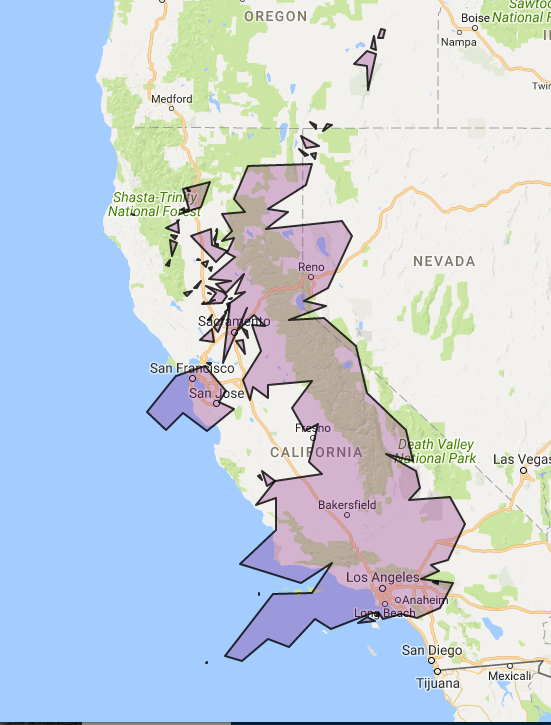
California’s total area spans approximately 163,695 square miles (423,967 square kilometers). To put this into perspective, it ranks third largest among the United States, trailing only Alaska and Texas. It’s larger than the entire country of Sweden, Germany, or even Iraq. This considerable size means that traversing California is not a casual undertaking. A road trip from its northernmost point, near the Oregon border, down to its southernmost tip in San Diego is a journey of roughly 800 miles, a significant distance that requires thoughtful planning and often multiple stops to truly appreciate the state’s diverse offerings.
Navigating the Immensity: Key Dimensions
Understanding the dimensions of California is crucial for itinerary planning. Its length from north to south is a defining characteristic, contributing to the dramatic shifts in climate and scenery.
North to South: A Spectrum of Landscapes
The California coastline stretches for over 840 miles, a ribbon of dramatic cliffs, sandy coves, and iconic beaches. This coastal highway, particularly Highway 1, is a legendary route, weaving its way through charming seaside towns and offering breathtaking views of the Pacific Ocean. Traveling this route from north to south means transitioning from the redwood-forested north, through the wine country of Sonoma and Napa, past the vibrant city of San Francisco, down to the iconic piers of Los Angeles and the surf spots of Orange County. Each region presents a distinct flavor, a testament to the state’s expansive geography.
East to West: Contrasting Terrains
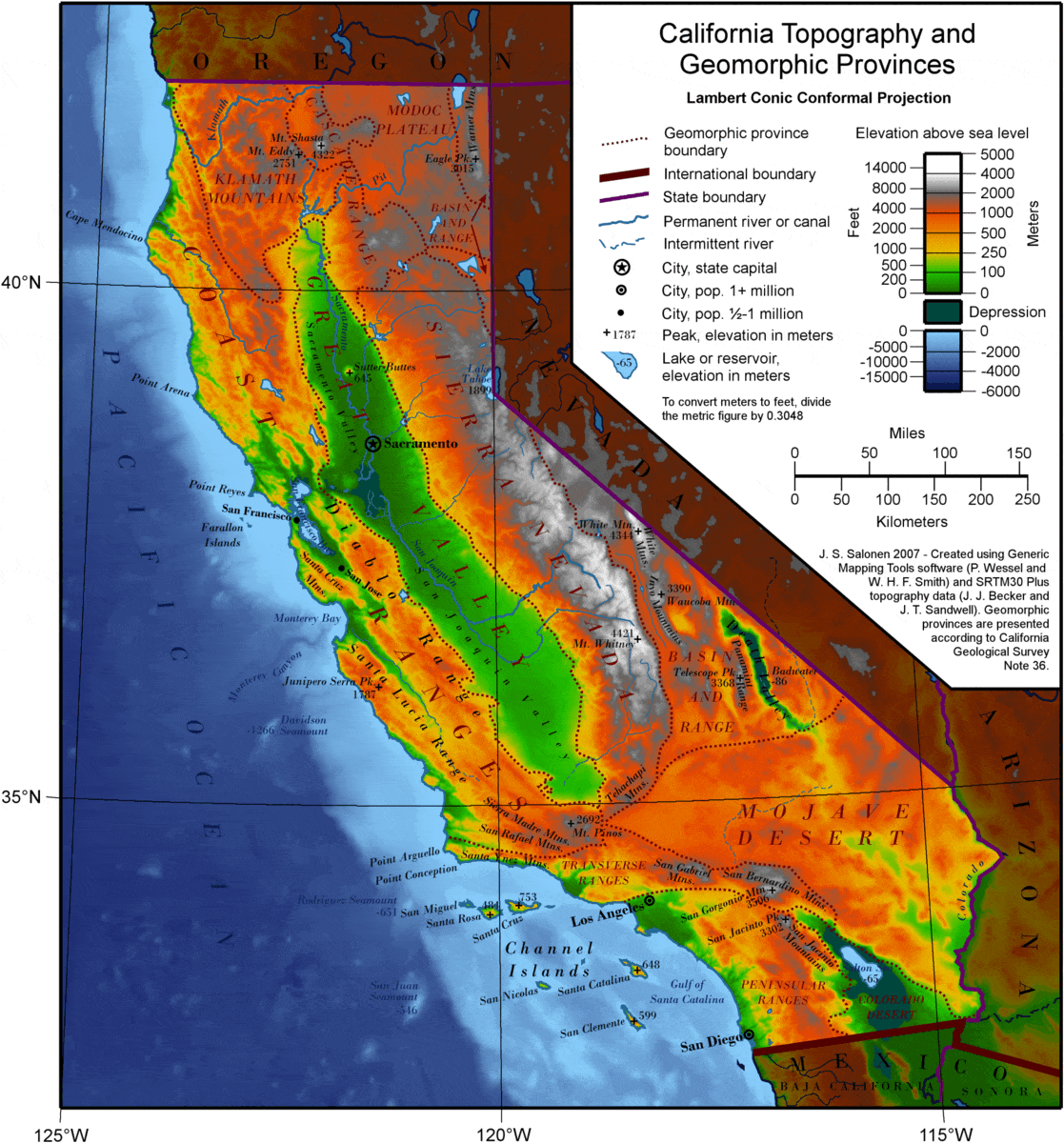
The width of California also presents significant diversity. While the coastal regions are famously temperate and oceanic, venturing inland reveals dramatically different environments. The Central Valley, a vast agricultural heartland, stretches for hundreds of miles, feeding much of the nation. Further east, the Sierra Nevada mountains rise majestically, culminating in Mount Whitney, the highest peak in the contiguous United States. Beyond the Sierras lie the stark beauty of the Mojave Desert and the unique geological formations of Death Valley National Park, the lowest point in North America. This east-west transect highlights the dramatic elevation changes and the resulting climatic variations.
California’s Size and Its Impact on Travel Experiences
The sheer size of California fundamentally shapes how one experiences it. It necessitates strategic planning, encourages multi-destination trips, and offers an unparalleled depth of potential discoveries.
The Allure of Multiple Regions
For travelers, California is less a single destination and more a collection of distinct regions, each offering its own unique appeal.
Northern California: Redwoods and Rolling Hills
Northern California is characterized by its towering redwood forests, including the majestic Redwood National and State Parks. This area offers a sense of ancient grandeur, with trees that have stood for millennia. The renowned Napa Valley and Sonoma Valley are synonymous with world-class wine tasting, their rolling hills dotted with vineyards and charming wineries. San Francisco, a city of iconic landmarks like the Golden Gate Bridge and Alcatraz Island, offers a vibrant urban experience with a unique cultural tapestry.
Central California: Agriculture and Coastal Charm
The Central Coast of California presents a more relaxed pace, featuring picturesque towns like Carmel-by-the-Sea and Big Sur, where dramatic cliffs meet the ocean. Further inland, the Central Valley is an agricultural powerhouse, offering a glimpse into the state’s farming heritage. This region also serves as a gateway to natural wonders like Yosemite National Park, with its granite cliffs and cascading waterfalls, and Sequoia National Park, home to the world’s largest trees.
Southern California: Sun, Sand, and Entertainment
Southern California is perhaps most famously known for its entertainment industry, centered in Los Angeles with its iconic Hollywood studios. The region boasts miles of beaches, from the bustling shores of Santa Monica to the surf havens of Malibu. Theme parks like Disneyland Resort and Universal Studios Hollywood draw millions of visitors annually. The desert landscapes of Joshua Tree National Park and the vastness of the Mojave Desert offer stark contrasts to the coastal vibrancy.
Planning Your Californian Adventure: Embracing the Scale
Understanding California‘s size is not about being intimidated but about being empowered to plan the most rewarding trip.
The Road Trip Essential
The quintessential California experience often involves a road trip. Whether it’s a classic drive along Highway 1, a journey through the national parks, or an exploration of the wine country, a car is often the most flexible way to experience the state’s diversity. However, the distances involved mean that even a focused road trip requires careful consideration of driving times and overnight stops.
Choosing Your Base Camp Wisely
For those who prefer to minimize travel time between destinations, selecting a strategic “base camp” can be effective. For example, staying in Los Angeles allows for day trips to nearby attractions like Disneyland or the beaches, while basing oneself in San Francisco provides access to the city’s cultural gems and excursions to nearby wine regions or redwood forests.
Utilizing Air Travel for Extended Stays
For travelers aiming to cover significant distances, such as experiencing both the northern redwoods and the southern deserts within a single trip, domestic flights between major cities like San Francisco, Los Angeles, and San Diego can be a time-saving option. This allows for more in-depth exploration of different regions without succumbing to the fatigue of extensive driving.
California’s Size and Its Contribution to Natural Wonders
The expansive geography of California is directly responsible for the incredible array of natural landscapes and wonders it protects and showcases.
A Showcase of Diverse Ecosystems
From the deepest valleys to the highest peaks, California encompasses a remarkable range of ecosystems, each with its unique flora and fauna.
Coastal Ecosystems: The Pacific’s Embrace
The Pacific Ocean coastline supports a rich marine life and diverse intertidal zones. Marine mammals like whales and dolphins are common sights, and the rugged coastline provides nesting grounds for seabirds. The kelp forests offshore are vital ecosystems, supporting a myriad of species.
Mountain Ranges: The Sierras and Beyond
The Sierra Nevada mountain range is a defining feature of California, offering alpine lakes, dramatic granite formations like El Capitan and Half Dome in Yosemite, and diverse forest ecosystems. The snowpack from the Sierras is a critical water source for the entire state.
Desert Regions: A World of Adaptation
California‘s desert regions, including the Mojave and the Colorado Desert, are characterized by extreme temperatures and arid conditions. Yet, these seemingly barren lands teem with life adapted to survival, from the iconic Joshua Tree to resilient desert wildflowers that bloom after rare rainfall. Death Valley National Park showcases some of the most extreme conditions on Earth, with salt flats, sand dunes, and badlands.
Iconic National and State Parks
The vastness of California allows for the preservation of numerous natural treasures within its extensive network of national and state parks.
Yosemite National Park: A Granite Wonderland
Yosemite National Park is perhaps the most famous of California‘s natural landmarks, renowned for its sheer granite cliffs, giant sequoia groves, and stunning waterfalls. The valley floor, carved by glaciers, offers accessible trails and iconic vistas.
Sequoia and Kings Canyon National Parks: Home of Giants
These adjacent parks protect vast tracts of giant sequoia trees, the largest living organisms on Earth by volume. The General Sherman Tree, the largest tree in the world, resides in Sequoia National Park.
Joshua Tree National Park: Desert Surrealism
This park offers a unique desert landscape where the Mojave and Colorado deserts converge. The iconic Joshua trees, along with fascinating rock formations, create a surreal and otherworldly atmosphere.
Redwood National and State Parks: Ancient Sentinels
These parks preserve the tallest trees on Earth, the coast redwoods. Walking among these ancient giants is an awe-inspiring experience, connecting visitors to a prehistoric past.
Planning for Scale: Practical Considerations for California Visitors
Given the sheer size of California, smart planning is not just recommended; it’s essential for a fulfilling visit.
Transportation within California
The state’s size necessitates a thoughtful approach to getting around.
Driving: The Ultimate Freedom, With Caveats
As mentioned, driving offers unparalleled flexibility. However, it’s crucial to factor in driving times. A quick hop from San Francisco to Los Angeles by car can take 6-7 hours without traffic, and significantly longer during peak times or if including scenic stops. Traffic congestion, especially in the Los Angeles metropolitan area and the San Francisco Bay Area, can add considerable delays. Car rentals are readily available at major airports and in most cities.
Public Transportation: Limited but Evolving
While California is primarily a car-centric state, public transportation options exist, particularly within major urban centers. San Francisco boasts an efficient public transit system including BART (Bay Area Rapid Transit), Muni buses, and streetcars. Los Angeles has an expanding Metro rail system and bus network, though it is not as comprehensive as in San Francisco. Intercity train services, like Amtrak, connect some of the major coastal cities, offering a scenic alternative to driving, but often at a slower pace.
Air Travel: Bridging the Distances
For visitors who wish to maximize their time and explore disparate regions, domestic flights are a practical solution. Major airports like San Francisco International Airport (SFO), Los Angeles International Airport (LAX), and San Diego International Airport (SAN) offer frequent connections. Smaller regional airports also serve various parts of the state.
Accommodation Strategies
The size of California also influences where and how one chooses to stay.
City Stays: Convenience and Access
Staying in major cities like San Francisco, Los Angeles, or San Diego provides access to a wealth of attractions, dining, and entertainment. Hotels, vacation rentals, and boutique accommodations abound, catering to various budgets and preferences. These urban centers also serve as excellent hubs for exploring surrounding areas via day trips or organized tours.
Resort and Leisure Stays: Embracing Regional Charms
For a more focused experience, consider staying in regions known for specific attractions. The wine country offers charming inns and luxury resorts in Napa and Sonoma. Coastal towns provide seaside hotels and vacation rentals, ideal for beach lovers and those seeking a relaxed atmosphere. National park gateways offer lodges and motels for easy access to natural wonders.

Road Trip Stopovers: Balancing Pace and Exploration
If embarking on a long road trip, strategically planning stopover locations is key. This allows for breaking up long drives, experiencing smaller towns, and fully appreciating the journey rather than just the destination. Booking accommodations in advance, especially during peak tourist seasons, is highly recommended due to the extensive travel distances involved.
In conclusion, the size of California is not merely a geographical fact but a defining element that shapes its identity, its attractions, and the very essence of visiting. It’s a state that rewards those who embrace its vastness, encouraging deeper exploration and promising a truly unforgettable travel experience.
LifeOutOfTheBox is a participant in the Amazon Services LLC Associates Program, an affiliate advertising program designed to provide a means for sites to earn advertising fees by advertising and linking to Amazon.com. Amazon, the Amazon logo, AmazonSupply, and the AmazonSupply logo are trademarks of Amazon.com, Inc. or its affiliates. As an Amazon Associate we earn affiliate commissions from qualifying purchases.