
Navigating the legal landscape of vehicle modifications can be a complex endeavor for any traveler, especially when crossing state lines. For those planning a road trip through California, understanding specific regulations, such as those governing window tint, is crucial. This guide aims to demystify California’s laws on tint percentages, ensuring your journey is both enjoyable and compliant. While the primary focus of this site is on travel experiences, accommodations, and local attractions, we recognize that the practicalities of travel often extend to vehicle regulations. Ensuring your vehicle adheres to local laws is a fundamental aspect of responsible travel, preventing unexpected detours or fines that can detract from your California adventure.

Understanding VLT: The Foundation of Tint Laws
Vehicle window tint is measured by its Visible Light Transmission (VLT) percentage. VLT refers to the amount of light that passes through the tinted window. A lower VLT percentage means less light is transmitted, resulting in a darker tint. Conversely, a higher VLT percentage allows more light to pass through, making the tint lighter. California’s tint laws are based on these VLT percentages, with different regulations applying to various windows of a vehicle. These regulations are designed to balance the desire for privacy and heat reduction with the need for law enforcement to have clear visibility into vehicles.
Front Windshield Regulations
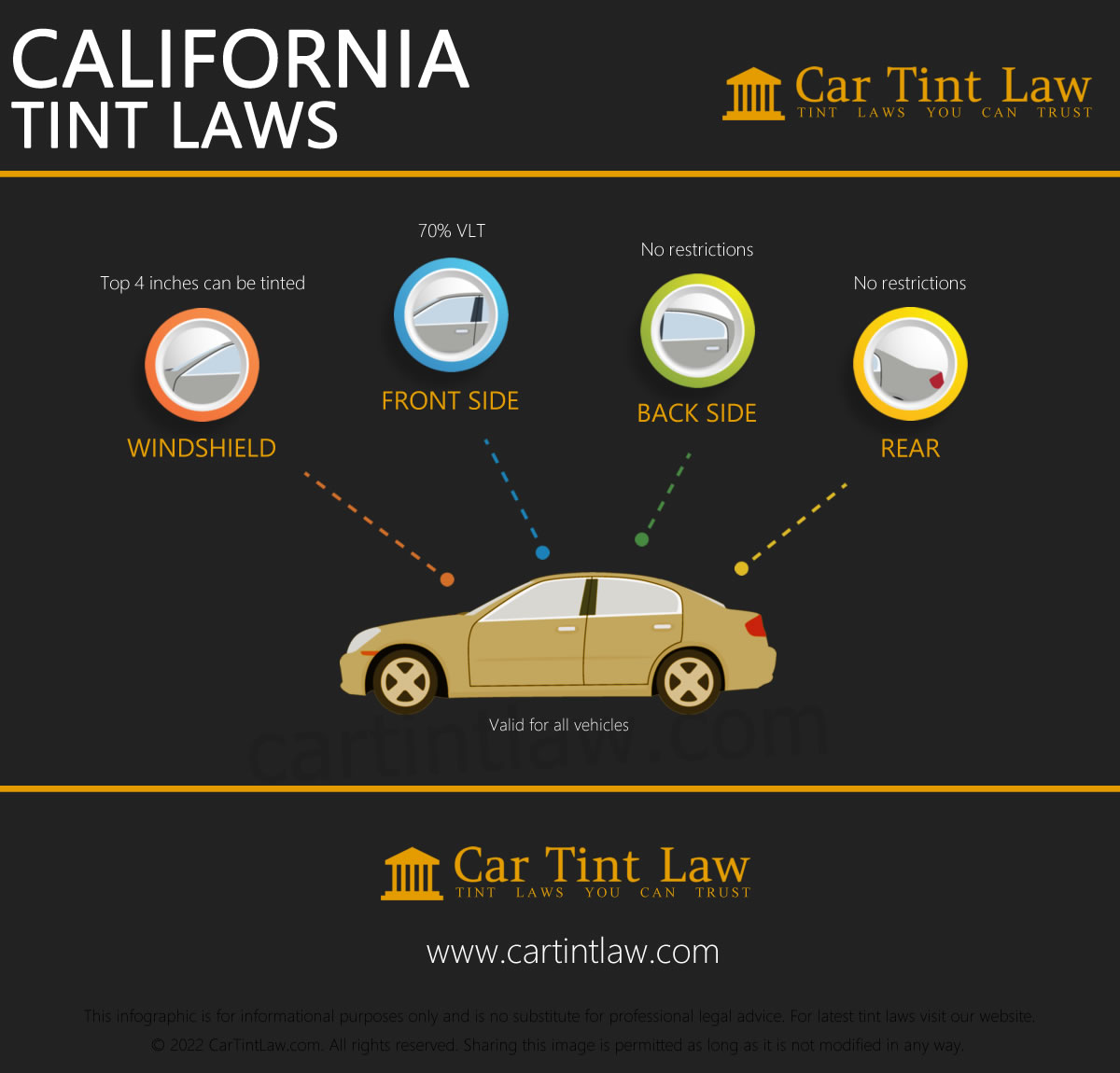
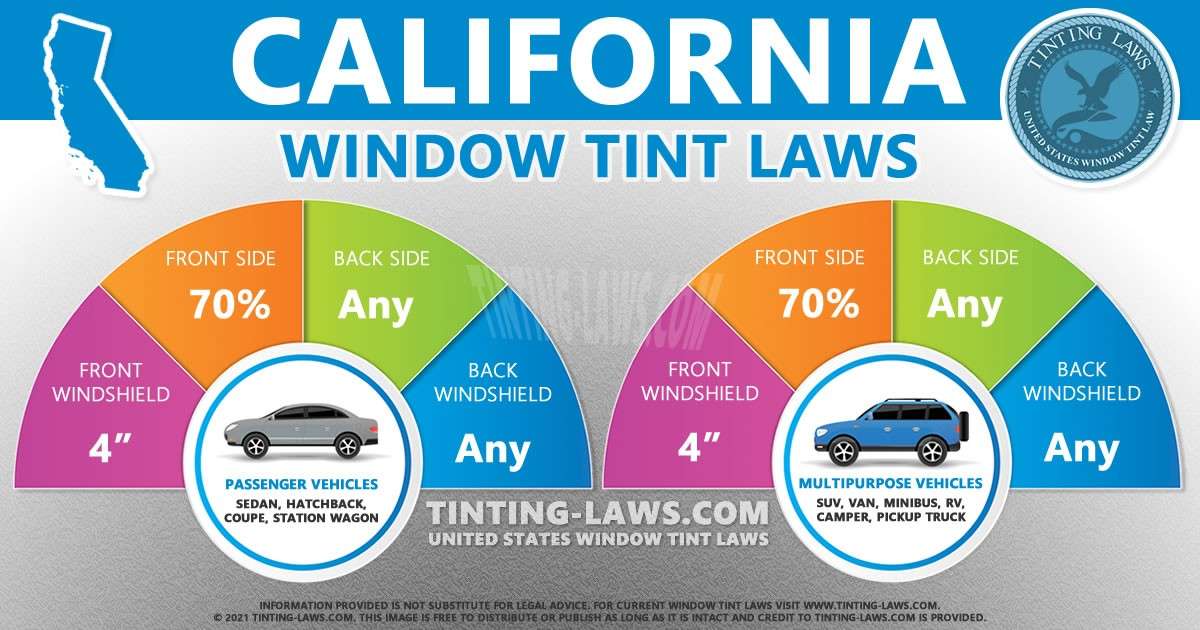
The front windshield is subject to the most stringent tinting restrictions in California. The law explicitly prohibits any tinting that reduces the VLT below 70%. This means only a very light tint, often referred to as “mylar” or “anti-glare,” is permissible. Even this light tint must not obstruct the driver’s vision. The primary purpose of this regulation is to ensure unimpeded visibility for the driver, which is paramount for safe operation of the vehicle, especially when navigating the diverse driving conditions encountered during travel, from the bustling streets of Los Angeles to the winding coastal highways.
Front Side Window Tint
Similar to the windshield, the front side windows (driver and passenger doors) also have strict VLT requirements. In California, these windows are not allowed to have a tint darker than 70% VLT. This ensures that law enforcement officers can clearly see into the vehicle’s cabin from the outside. The intent is to maintain a consistent level of visibility across the front of the vehicle, contributing to overall road safety.
Rear Window and Rear Side Window Tint
The regulations become more lenient for the rear window and rear side windows. In California, these windows can be tinted to a darker VLT percentage. The legal limit for the rear window and rear side windows is a minimum of 35% VLT. This means that up to 65% of the light can be blocked by the tint on these windows. This allowance provides a greater degree of privacy and heat reduction for occupants in the rear of the vehicle, a welcome amenity for those on extended road trips or exploring sunny destinations like San Diego.
Exemptions and Medical Considerations
While the general rules are clear, California does offer specific exemptions for individuals with medical conditions that require tinted windows. Drivers who have a documented medical need for reduced sun exposure, such as certain skin conditions or light sensitivity, may be able to obtain a medical exemption from the Department of Motor Vehicles (DMV). This exemption typically requires a letter from a licensed physician explaining the medical necessity. If granted, this exemption allows for darker tinting than otherwise permitted, but it is crucial to carry the exemption documentation at all times while driving. This ensures that if you are stopped by law enforcement, you can readily prove your compliance. These exemptions underscore the state’s commitment to accommodating the needs of its residents and visitors.
Practical Implications for Travelers
For travelers planning to drive through or within California, understanding these tint laws is not merely an academic exercise; it has practical implications for your journey. Driving a vehicle with illegal tint can result in traffic citations, fines, and even require you to have the tint removed before you can proceed. These unforeseen issues can disrupt your travel plans, add unexpected expenses, and cause unnecessary stress.
Planning Your Road Trip
If you are driving your own vehicle into California, it is advisable to check your window tint levels before you arrive. If your tint exceeds the legal limits, consider having it professionally removed or modified to meet the state’s requirements. Many tint shops specialize in this service and can help you achieve a compliant tint that still offers some benefits of privacy and heat reduction. When booking your accommodation at a hotel or resort, remember that your vehicle’s condition is your responsibility, regardless of where you are staying.
Rental Vehicles
Rental car companies in California typically ensure their fleets comply with state laws, including window tint regulations. However, if you are renting a vehicle in another state and driving it into California, it is still your responsibility to ensure it meets the state’s tint requirements. If you have concerns, it is best to clarify with the rental agency or conduct a visual inspection before departing.
Visiting Tourist Attractions
When visiting popular California tourist attractions, such as Disneyland or Yosemite National Park, being stopped for a traffic violation related to vehicle modifications can significantly impact your experience. It is far better to be prepared and compliant than to face the consequences of non-adherence.
Beyond Tint: Other Vehicle Regulations to Consider
While window tint is a frequently discussed topic, it’s important to remember that California has a comprehensive set of vehicle regulations designed to ensure road safety for all. Understanding these can contribute to a smoother and more enjoyable travel experience.
Lighting and Reflectors
Ensure all your vehicle’s lights are functioning correctly, including headlights, taillights, brake lights, and turn signals. Reflectors must also be in place and visible. This is particularly important for driving at night or in low-visibility conditions, common in areas like the Sierra Nevada mountains or along the coast during foggy mornings.
Exhaust Systems
California has strict laws regarding exhaust systems to control noise pollution and emissions. Aftermarket exhaust systems that are excessively loud are illegal and can lead to citations.
Bumper Height and Vehicle Modifications
Regulations also exist concerning bumper height and other modifications that could affect vehicle safety or the safety of others on the road. It is always best to err on the side of caution and ensure any aftermarket modifications are compliant with state laws.
Conclusion: Ensuring a Smooth California Drive
For any traveler planning a trip to the Golden State, a little proactive research can go a long way in ensuring a seamless experience. Understanding and complying with California’s vehicle tint laws is a straightforward yet essential step. By adhering to the legal VLT percentages for your windshield, front side windows, and rear windows, you can avoid potential citations and focus on enjoying the diverse attractions California has to offer, from the beaches of Southern California to the vineyards of Napa Valley. Whether you’re exploring the vibrant city life of San Francisco, the natural wonders of its national parks, or simply enjoying a scenic drive along the Pacific Coast Highway, a compliant vehicle allows you to immerse yourself fully in the journey. Remember, responsible travel extends to every aspect of your trip, including the vehicle you use to explore.
LifeOutOfTheBox is a participant in the Amazon Services LLC Associates Program, an affiliate advertising program designed to provide a means for sites to earn advertising fees by advertising and linking to Amazon.com. Amazon, the Amazon logo, AmazonSupply, and the AmazonSupply logo are trademarks of Amazon.com, Inc. or its affiliates. As an Amazon Associate we earn affiliate commissions from qualifying purchases.