
Understanding the financial landscape of any journey is crucial for effective travel planning. For those embarking on an adventure through the Golden State, particularly when relying on personal transportation, grasping the nuances of fuel taxes in California is paramount. This isn’t merely about the sticker price at the pump; it’s a complex web of state and federal levies, environmental contributions, and local considerations that significantly impact the cost of driving. This guide delves into the components of California’s gas tax, shedding light on how it’s calculated, what it funds, and how it stacks up against other states, offering valuable insights for every traveler navigating its diverse terrains.
Deconstructing California’s Fuel Tax Structure
California is renowned for its stringent environmental regulations and its commitment to funding extensive infrastructure projects. These priorities are directly reflected in its fuel tax structure, which is notably higher than in many other parts of the United States. The tax isn’t a single, monolithic charge; rather, it’s an amalgamation of several different components, each with its own purpose and calculation method.
The State Excise Tax
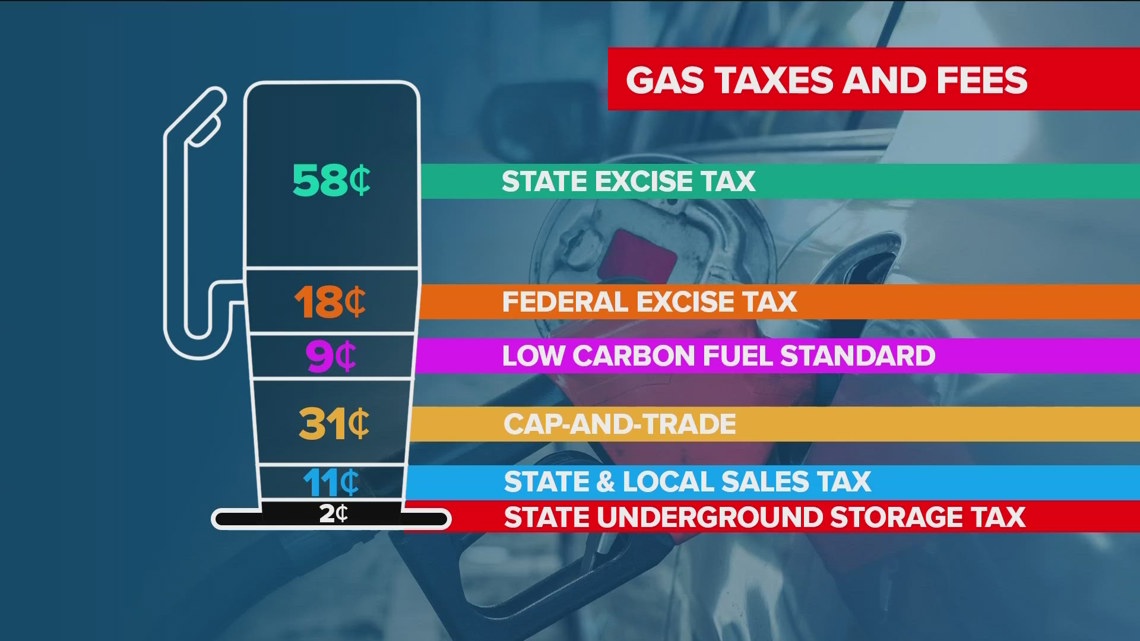
At the core of California’s gas tax is the state excise tax. This is a fixed amount per gallon, adjusted periodically by the state legislature. As of recent calculations, this excise tax is a significant portion of the overall cost. The revenue generated from this tax is primarily earmarked for the maintenance and repair of the state’s vast network of roads, bridges, and other transportation infrastructure. This includes everything from major freeways like the Interstate 5 to smaller local roads, ensuring that the arteries of the state remain functional and safe for all travelers. The state legislature has the authority to adjust this rate, often in response to budget needs or inflation, meaning the exact amount can fluctuate over time. Understanding this component is the first step in appreciating the total fuel cost.
Sales Tax
Beyond the excise tax, California also imposes a state sales tax on gasoline. Unlike the excise tax, which is a flat rate per gallon, the sales tax is a percentage of the total price of the gasoline, including the excise tax itself. This means that as the price of gasoline rises, the amount of sales tax collected also increases. This is a key reason why the final price at the pump can seem so high; you’re paying tax on top of tax. The revenue from the state sales tax on gasoline is not exclusively dedicated to transportation projects. Instead, it flows into the state’s general fund, supporting a wide array of public services. However, a portion of these funds is often allocated back to local governments for their own transportation-related needs.
Other Levies and Fees
The complexity doesn’t end with excise and sales taxes. California also incorporates several other charges that contribute to the final price of gasoline. These can include:
- Underground Storage Tank Maintenance Fee: This fee helps fund the cleanup of leaking underground storage tanks, a critical environmental protection measure.
- Integrated Waste Management Fee: This fee is part of the state’s broader efforts to manage waste and promote recycling, with a portion potentially impacting fuel costs.
- Air Quality Improvement Fees: California’s commitment to clean air means that various fees are levied to support programs aimed at reducing vehicle emissions and promoting cleaner fuels. These might be incorporated directly into the pump price or reflected in the cost of specific fuel blends.
These additional fees, while seemingly small individually, contribute to the overall higher cost of fuel in California. They reflect the state’s proactive stance on environmental protection and infrastructure resilience, issues that resonate deeply with its residents and visitors alike.
The Impact of Environmental Regulations on Fuel Costs
California’s pioneering role in environmental policy significantly influences its fuel prices. The state has some of the most stringent vehicle emission standards in the nation, driven by initiatives like the Zero Emission Vehicle (ZEV) program. These regulations necessitate the production of cleaner-burning gasoline formulations that meet specific air quality requirements.
Cleaner Fuel Formulations
The gasoline sold in California is not the same as that sold in many other states. It is blended to meet strict air quality standards designed to reduce smog and harmful emissions. These specialized blends often involve additional refining processes and the use of different additives, which increase the cost of production for refiners. This increased production cost is then passed on to consumers at the pump, contributing to the higher overall price. The goal, of course, is to improve air quality, particularly in densely populated areas like the Los Angeles Basin and the San Francisco Bay Area, where pollution has historically been a major concern.
Cap-and-Trade Program
Another significant factor is California’s cap-and-trade program, known as the Climate Investments initiative. This program aims to reduce greenhouse gas emissions across various sectors of the economy. Under this system, businesses that emit greenhouse gases must obtain allowances for their emissions. Refiners and distributors of gasoline are included in this program. The cost of these allowances, or the investment in emissions reduction technologies, is factored into the price of fuel. The revenue generated from the sale of these allowances is then reinvested in projects that further reduce emissions, such as public transportation improvements, clean energy initiatives, and electric vehicle infrastructure. While controversial for its impact on fuel prices, the program is a key component of California’s ambitious climate goals.
Federal Taxes: The National Layer
In addition to state-specific taxes, drivers in California also pay federal taxes on gasoline. These federal taxes are applied uniformly across the country, regardless of the state.
Federal Excise Tax
The federal government levies an excise tax on gasoline, which is a fixed amount per gallon. This tax is a significant source of funding for the Highway Trust Fund, which primarily supports the construction and maintenance of the nation’s highways and bridges. While the federal excise tax rate has remained constant for many years, it represents another layer of taxation that contributes to the final price of fuel for travelers.
Other Federal Contributions
While the federal excise tax is the most prominent federal fuel tax, there can be other minor federal fees or assessments that, collectively, add to the overall cost of fuel. These are typically less significant than the state-level taxes but are part of the comprehensive tax burden on gasoline.
How California’s Gas Tax Compares
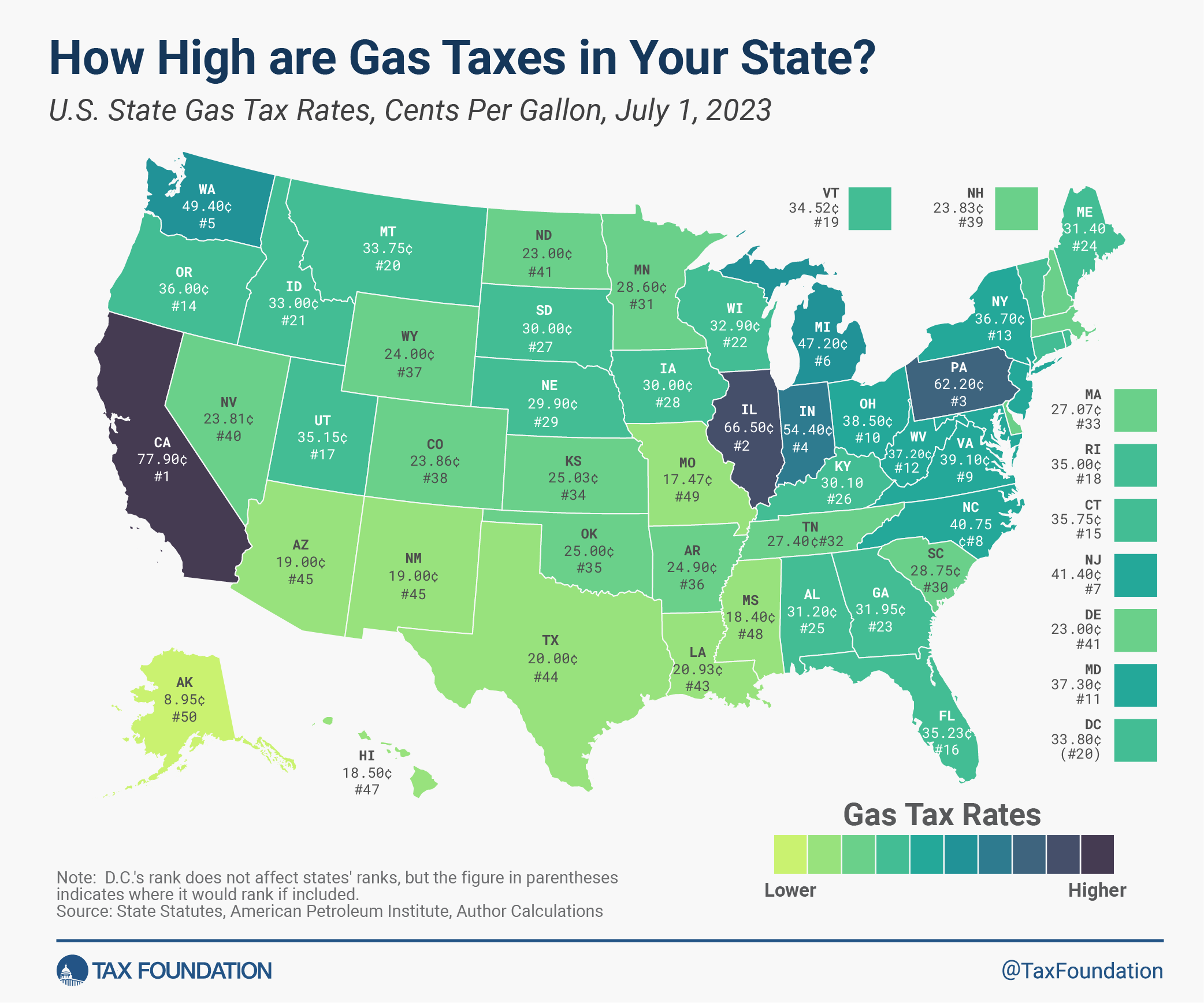
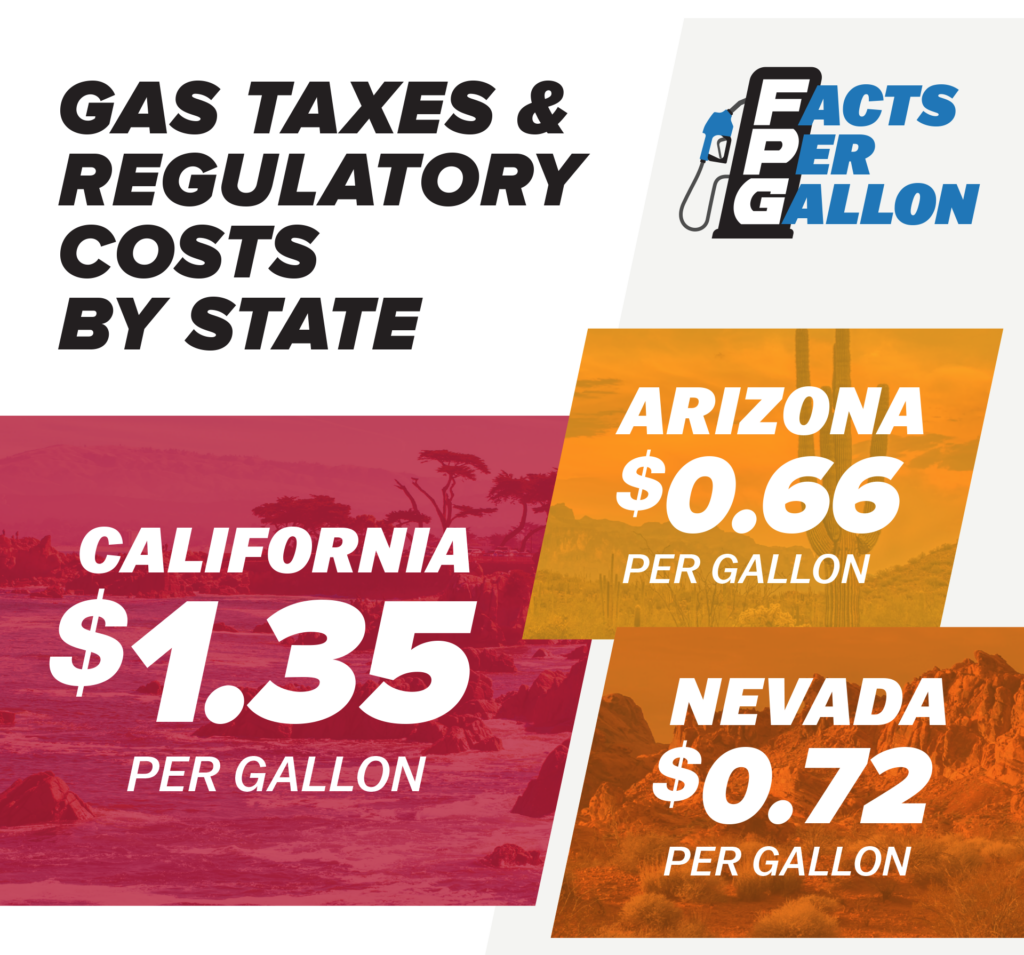
California consistently ranks among the states with the highest gasoline taxes in the United States. This is a result of the cumulative effect of its state excise tax, sales tax, environmental fees, and the federal excise tax.
National Averages and Rankings
When comparing California’s total tax burden on gasoline to national averages, the difference is often substantial. States in the Midwest and South, for example, typically have much lower fuel taxes, driven by a combination of lower excise tax rates and fewer environmental regulations. This higher cost in California can be a significant consideration for travelers, especially those on extended road trips or with tight budgets. It underscores the economic trade-off for the state’s advanced environmental protections and its well-maintained, albeit expensive to fund, infrastructure.
What the Taxes Fund
It is important to remember what these taxes are supporting. The revenue generated from California’s fuel taxes is vital for:
- Infrastructure Maintenance and Development: Repairing roads, bridges, and tunnels; improving traffic flow; and developing new transportation projects.
- Environmental Protection: Funding programs to improve air quality, promote clean energy, and address climate change.
- Public Services: Contributing to the state’s general fund, which supports education, healthcare, and other essential services.
For travelers, this means that while the cost of fuel is higher, the revenue contributes to safer roads, cleaner air, and the overall functionality of the state’s transportation network, which is essential for experiencing diverse destinations like the Pacific Coast Highway or exploring national parks such as Yosemite.
Navigating the Costs: Tips for Travelers
While the gas tax in California is a fixed component of the fuel price, travelers can still implement strategies to manage their overall travel expenses.
Planning and Budgeting
Understanding the approximate cost of fuel per mile based on your vehicle’s fuel efficiency and the current gas prices in California is a fundamental aspect of budgeting for any trip. Researching gas prices in different regions of the state can also be beneficial, as they can vary due to local competition and distribution costs.
Fuel Efficiency and Vehicle Choice
The most impactful way to reduce fuel expenditure is to drive a fuel-efficient vehicle. For travelers planning extended stays or frequent trips, considering hybrid or electric vehicles can significantly offset fuel costs, especially with the state’s extensive charging infrastructure. Even for standard gasoline vehicles, maintaining proper tire inflation and ensuring the engine is well-tuned can improve miles per gallon.
Alternative Transportation Options
For those exploring major urban centers like San Francisco or Los Angeles, utilizing public transportation, ride-sharing services, or exploring walkable neighborhoods can reduce reliance on personal vehicles and, consequently, fuel consumption. Many tourist attractions and accommodations are well-served by these alternatives.
In conclusion, the tax on gas in California is a multifaceted system designed to fund essential infrastructure and ambitious environmental initiatives. While it contributes to a higher cost at the pump compared to many other states, it is intrinsically linked to the quality of the state’s roads, the air quality enjoyed by its residents and visitors, and its commitment to a sustainable future. For the savvy traveler, understanding these components is key to navigating the Golden State effectively and making informed decisions about their journey.
LifeOutOfTheBox is a participant in the Amazon Services LLC Associates Program, an affiliate advertising program designed to provide a means for sites to earn advertising fees by advertising and linking to Amazon.com. Amazon, the Amazon logo, AmazonSupply, and the AmazonSupply logo are trademarks of Amazon.com, Inc. or its affiliates. As an Amazon Associate we earn affiliate commissions from qualifying purchases.