
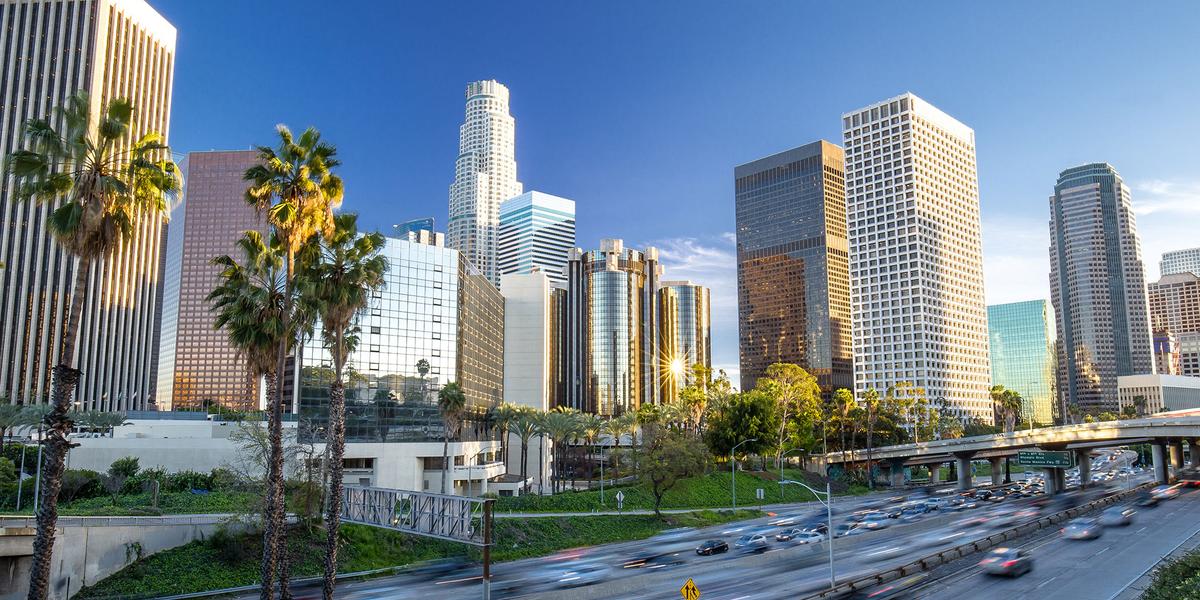
California’s most populous city, Los Angeles, is synonymous with sunshine, palm trees, and an idyllic outdoor lifestyle. This reputation is largely built upon its famously pleasant climate, characterized by mild winters and warm, dry summers. Understanding the nuances of Los Angeles weather is crucial for anyone planning a visit, whether their interests lie in exploring iconic attractions, indulging in world-class dining, or simply soaking up the vibrant local culture. This guide delves into the typical weather patterns, seasonal variations, and microclimates that define the atmospheric experience in this sprawling metropolis.

Understanding the Mediterranean Climate
Los Angeles enjoys a unique variation of the Mediterranean climate, often described as a “semi-arid” or “dry-summer subtropical” climate. This designation highlights the city’s defining characteristics: minimal rainfall during the warm months and a distinct wet season that typically spans from late autumn through early spring.
Sunshine and Temperature Averages
The most celebrated aspect of Los Angeles weather is its abundance of sunshine. The city averages over 280 sunny days per year, making it a prime destination for those seeking perpetual warmth and clear skies. This consistent sunshine contributes significantly to the city’s outdoor-oriented lifestyle, from beach activities to al fresco dining.
Temperatures in Los Angeles are generally mild and pleasant year-round.
- Summer (June – August): Average daytime temperatures typically range from the mid-70s to mid-80s Fahrenheit (24-29°C). Inland areas, however, can experience significantly higher temperatures, often exceeding 90°F (32°C) and sometimes reaching triple digits. Coastal breezes, known as the “sea breeze” or “marine layer,” help to moderate temperatures closer to the ocean, keeping them more consistently in the 70s.
- Autumn (September – November): This season is often considered one of the most beautiful in Los Angeles. The intense summer heat begins to subside, and the air becomes crisp. Temperatures are still warm, with averages in the 70s and low 80s Fahrenheit (21-28°C), gradually cooling into the 60s and 70s (15-21°C) as winter approaches. Rainfall also begins to increase during this period.
- Winter (December – February): Los Angeles winters are mild, with average daytime temperatures hovering in the 60s Fahrenheit (15-20°C). While occasional cold snaps can bring temperatures down into the 50s (10-15°C), snow is exceptionally rare within the city itself, though it can be found in the nearby San Gabriel Mountains. The winter months are the wettest, with most of the annual precipitation occurring during this time.
- Spring (March – May): Spring brings a gentle warming trend as the rainfall diminishes. Temperatures gradually rise from the 60s to the 70s Fahrenheit (15-21°C). The “May Gray” and “June Gloom” phenomena, characterized by persistent morning clouds and fog that burn off by the afternoon, are common during late spring, particularly along the coast.
Rainfall Patterns
The scarcity of rain is a defining feature of Los Angeles weather for much of the year. The city receives an average of about 15 inches (38 cm) of rain annually, with the majority falling between November and March. These rains, while infrequent, can sometimes be intense, leading to flash floods in canyons and urban areas. The rest of the year is remarkably dry, contributing to the region’s natural susceptibility to drought and wildfires.
Humidity Levels
Los Angeles generally experiences low humidity, especially in the interior valleys and during the summer months. Coastal areas can be more humid due to the ocean influence, but it rarely becomes oppressive. This low humidity contributes to the perception of warmth, as heat is felt more intensely in humid environments.
Seasonal Highlights and Considerations
While the weather is generally amiable, understanding the seasonal shifts can greatly enhance a visitor’s experience and help in planning activities, from exploring the Griffith Observatory to enjoying a day at Disneyland.
Summer: The Peak of Sunshine
Summer in Los Angeles is synonymous with beach life, outdoor concerts, and bustling street fairs. The long days and high temperatures are ideal for activities like surfing at Malibu, visiting Universal Studios Hollywood, or attending an outdoor screening at the Hollywood Bowl. However, it’s essential to be prepared for the heat, especially if venturing inland. Staying hydrated, seeking shade, and utilizing sunscreen are paramount. The marine layer can provide a welcome respite near the coast, often creating foggy mornings that clear by midday.
Autumn: Golden Days and Cooler Nights
The fall months offer a sweet spot in terms of weather, with a pleasant warmth that is less intense than summer. This period is perfect for exploring the numerous hiking trails in the Santa Monica Mountains, visiting outdoor markets, or enjoying the cultural offerings of areas like Downtown Los Angeles. The decreasing daylight hours are balanced by stunning sunsets. As the season progresses, the chance of rain increases, so packing a light jacket and an umbrella is advisable.
Winter: Mild and Occasionally Wet
Los Angeles winters are a stark contrast to those experienced in many other parts of the country. The mild temperatures make it an attractive winter escape, allowing for outdoor exploration even when much of the nation is under snow. Visitors might still enjoy visits to outdoor attractions like The Getty Center or walks along the Santa Monica Pier. While sunny days are common, this is also the period for rainfall. Travelers should be prepared for occasional downpours, which can impact outdoor plans. The rainy season also brings a beautiful green flush to the hillsides, making for scenic drives.
Spring: Blooming and Brisk
Spring in Los Angeles is a time of renewal, with wildflowers blooming in the hills and the city shaking off its winter slumber. The weather is generally pleasant, with warming temperatures and diminishing rainfall. However, the coastal phenomenon of “May Gray” and “June Gloom” can mean overcast mornings, particularly in coastal communities like Santa Monica and Venice Beach. These clouds usually dissipate by the afternoon, revealing sunny skies. It’s a great time for exploring the diverse neighborhoods of Los Angeles, from the vibrant streets of East Los Angeles to the historic architecture of Downtown.
The Influence of Microclimates
One of the most fascinating aspects of Los Angeles weather is the existence of distinct microclimates. The vastness of the region and its varied topography mean that the weather can vary significantly within just a few miles.
Coastal vs. Inland Temperatures
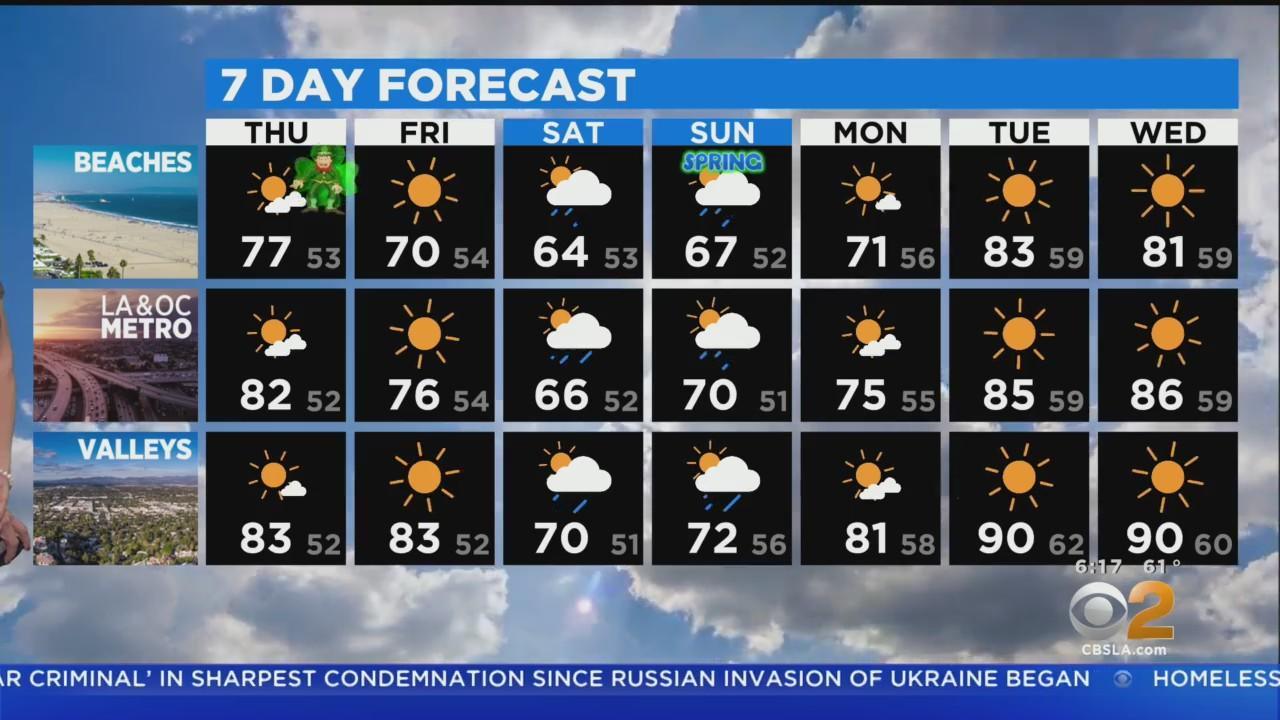
The proximity to the Pacific Ocean plays a significant role. Coastal areas, such as Santa Monica, Venice, and Long Beach, benefit from the moderating influence of the sea breeze. This results in cooler summers and warmer winters compared to inland locations. Temperatures can easily be 10-20°F (5-11°C) cooler in Santa Monica than in the San Fernando Valley on a hot summer day.
The Marine Layer and Fog
The “marine layer” is a common weather phenomenon that forms when moist air from the Pacific Ocean moves inland and rises over cooler ocean waters. This creates a layer of low clouds and fog that often blankets the coastal regions, particularly in the morning. While it can be disappointing for those seeking immediate sunshine, it is responsible for the cool, refreshing air along the coast during summer and contributes to the distinctive “June Gloom.” The marine layer typically dissipates by late morning or early afternoon, especially as one moves further inland.
Mountain and Valley Variations
The inland valleys, such as the San Fernando Valley, experience more extreme temperatures. Summers are significantly hotter and drier, with heat waves often pushing temperatures well above 100°F (38°C). Conversely, winter nights in the valleys can be cooler, with temperatures sometimes dropping into the 30s and 40s Fahrenheit (around 0-9°C). The proximity to mountains, like the San Gabriel Mountains, can also influence local weather, sometimes creating rain shadows or funneling winds.
Preparing for Your Visit
Understanding the weather in Los Angeles is key to packing appropriately and planning your itinerary to maximize enjoyment.
What to Pack
- Lightweight clothing: T-shirts, shorts, and sundresses are suitable for most of the year, especially during spring, summer, and fall.
- Layers: A light jacket or sweater is essential for cooler evenings, especially near the coast, and for winter visits. Even in summer, mornings can be cool.
- Sun protection: Sunscreen, sunglasses, and a hat are indispensable due to the strong California sun.
- Comfortable walking shoes: You’ll likely be doing a lot of walking, whether exploring the streets of Hollywood, visiting the La Brea Tar Pits, or strolling through the gardens of the Huntington Library.
- Rain gear (winter months): A compact umbrella and a waterproof jacket are advisable if traveling between November and March.
Best Time to Visit
While Los Angeles is a year-round destination, certain times offer particularly pleasant weather for visitors. The spring (April-May) and fall (September-October) months are often considered ideal, offering a balance of warm, sunny days with fewer crowds than the peak summer season and less chance of rain than winter. However, the consistent sunshine and abundance of activities make any time a good time to experience the unique charm of Los Angeles.
LifeOutOfTheBox is a participant in the Amazon Services LLC Associates Program, an affiliate advertising program designed to provide a means for sites to earn advertising fees by advertising and linking to Amazon.com. Amazon, the Amazon logo, AmazonSupply, and the AmazonSupply logo are trademarks of Amazon.com, Inc. or its affiliates. As an Amazon Associate we earn affiliate commissions from qualifying purchases.